The unsung heroes of the design world, stair runners punch above their weight when it comes to multitasking. Not only do they protect stairs from everyday wear and tear—and thwart potential slips and falls—but they also offer up the chance to create a striking design moment, adding color, texture, and pattern to the staircase, somewhat an afterthought in the hierarchy of home.
Typically, stairs are utilitarian in their design. Since they are built to help foot traffic literally ascend from point A to B, what better way to dress up an ordinary flight of stairs than with a runner? Because designers are getting more creative with their use of stair runners—turning them into an opportunity to merge functionality with style—we decided that now is the right time to hear designers’ take on the topic. We called Rebekah Moore Murphy and Julie Abner, both St. Louis-based interior designers, to get their input.
Get a weekly dose of home and style inspiration
Subscribe to the St. Louis Design+Home newsletter to explore the latest stories from the local interior design, fashion, and retail scene.
A stair runner boosts staircase safety, both designers say. “Stair runners provide extra traction to reduce the chance of slips or falls,” Abner says. Murphy opts for stair runners in her home because she has young children and doesn’t want to worry about them tumbling while crawling up and down her stairs.
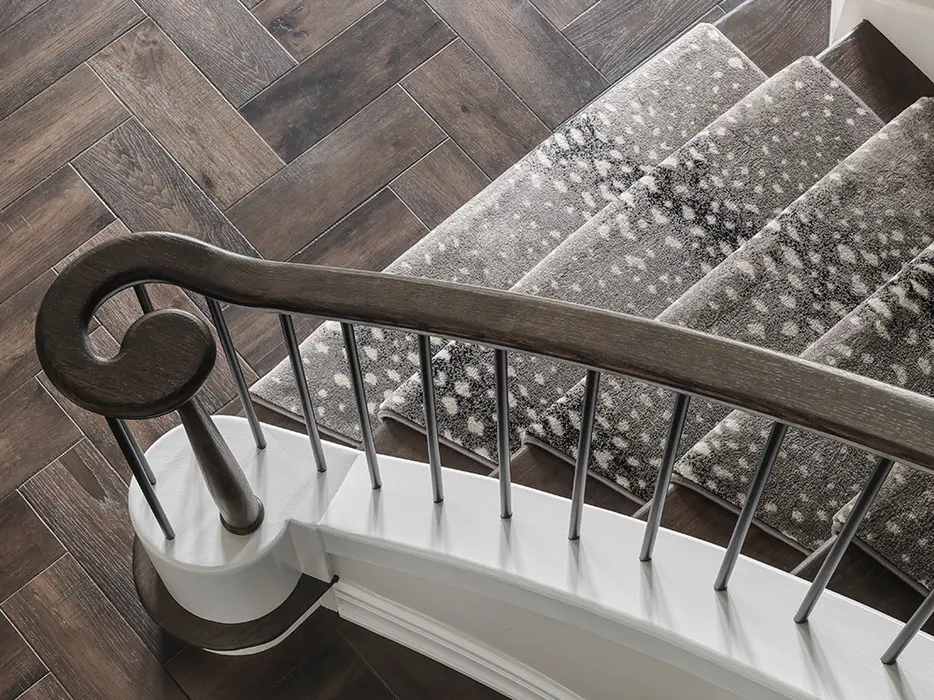
But stair runners also enhance the decor of a home by adding texture and dimension. Particularly when it comes to bare, smooth wood staircases, a runner can do wonders to make the steps pop visually. “The right stair runner can create a focal point, making the staircase feel intentional and designed, especially in the foyer,” says Abner.
To select the best runner, bear in mind the overall style of your home, say the designers. But also factor in the material and color of your stairs, along with their size, general shape and architecture. “Are the stairs a focal point? Or are the stairs a back staircase that you simply want to add a touch of flair to?” asks Abner. “My preference is to select a pattern/color that creates a harmonious blend with the surrounding design elements; it does not need to be a perfect match but you want the stair runner to complement existing decor. It is best to select a pattern that best accommodates the scale of the space and the stairwell width and shape. It definitely isn’t a one size fits all approach”
If nothing else is in immediate view of the stairs, and therefore doesn’t need to be complemented, Abner suggests opting for a dark tone to help obscure dirt and wear that occurs in busy households.
But the most important factor is durability. You’ll want to select a material, such as wool, for both beauty and durability. A staircase is considered a high-traffic area, getting regular use by multiple individuals—including pets with claws—several times a day. Thus, you really want to be picky about the carpet’s construction, specifically its height. “I tend to stay within the pile height of 0.55-0.275 range. Too high of a pile can be a safety hazard and also not have the right ‘look’ for a stair runner,” says Abner.
At the same time, a runner might not always be necessary. If a staircase is extra wide, Abner says, she’ll often forgo using one, since a thin stair runner can clash with the visual weight of the wide stairs. Other times, you might favor the starkness that unadorned stairs usher in—especially if those stairs are already clad in a rich wood tone. Says Abner: “If you prefer a minimalist look, a bare staircase can be visually stunning with the right materials.”