Iceland is a geological wonder, with its moss-covered lava fields, waterfalls, glacial lagoons, dramatic fjords, and volcanic mountains. Roughly the size of Kentucky, the island’s dramatic landscape is continually shaped by volcanoes, glaciers, moving tectonic plates, water, wind, and the ocean. Nonstop flights from St. Louis Lambert International Airport to the country’s capital, Reykjavík, begin May 14. Here are just a handful of the must-visit sites.
Reykjavik
Find inspiration and tips for your next trip
Subscribe to the St. Louis Travel newsletter, covering big cities, small towns, and everywhere in between!
A visit to Iceland begins in its capital city, Reykjavík, where colorful houses line streets that are best explored by foot. To get a feel for the city, head to Laugavegur, a street known for its color and vibrancy—and its extensive shopping options. In just over a mile, you’ll find Icelandic wool sweaters, souvenirs, outdoor gear, boutiques by local designers, and vintage shops. At 244 feet tall, the Hallgrímskirkja towers over the city center and offers a bird’s-eye-view from its tower. Sun Voyager, a sculpture of a steel Viking ship, commemorates the 200th anniversary of Reykjavik and is best viewed at sunset.
Golden Circle
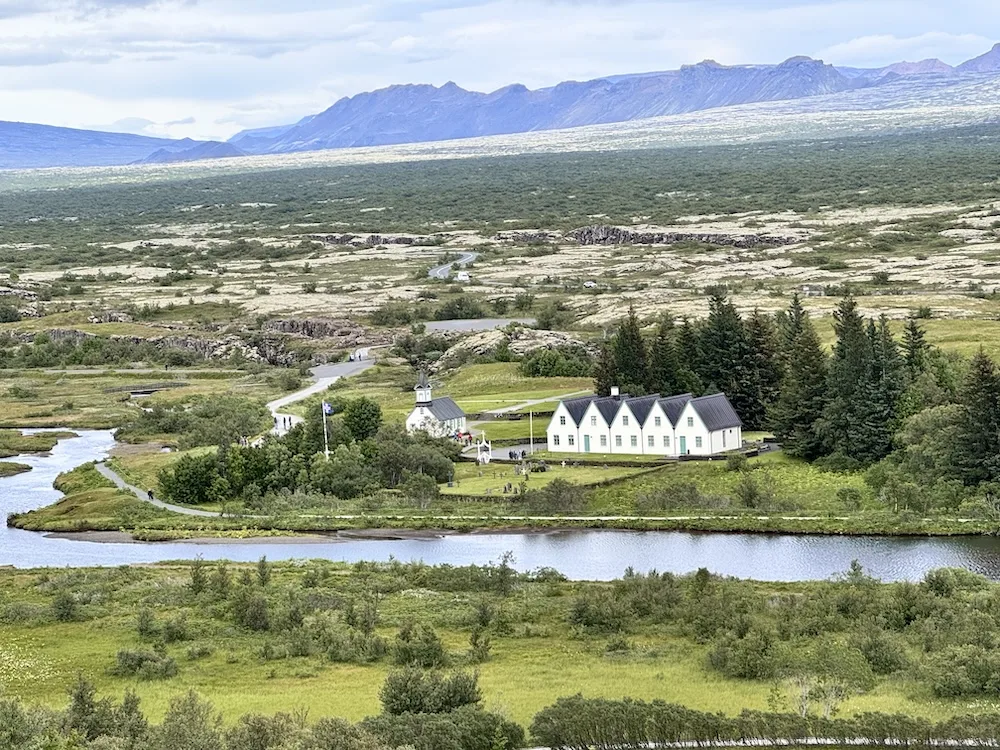
The Golden Circle is a popular sightseeing loop from Reykjavik. In just over 140 miles, the route enables visitors to see tectonic geology, erupting geothermal water, a waterfall, and return to their hotel by the end of the day. Þingvellir National Park is typically the first stop on the Golden Circle. This national park is recognized as the birthplace of Iceland democracy and the location where the North American and Eurasian tectonic plates drift apart. It’s estimated that the plates pull apart by 2 to 2.5 cm each year. You can swim through the tectonic fissure on a snorkeling tour. The Geysir Geothermal Area features erupting geysers, bubbling hot springs, and colorful mineral deposits. Gullfoss, which means “Golden Falls,” is a two-tiered waterfall that creates enormous spray and plenty of rainbows in sunny conditions. The walking paths provide plenty of vantage points to take in this natural wonder.
Ring Road
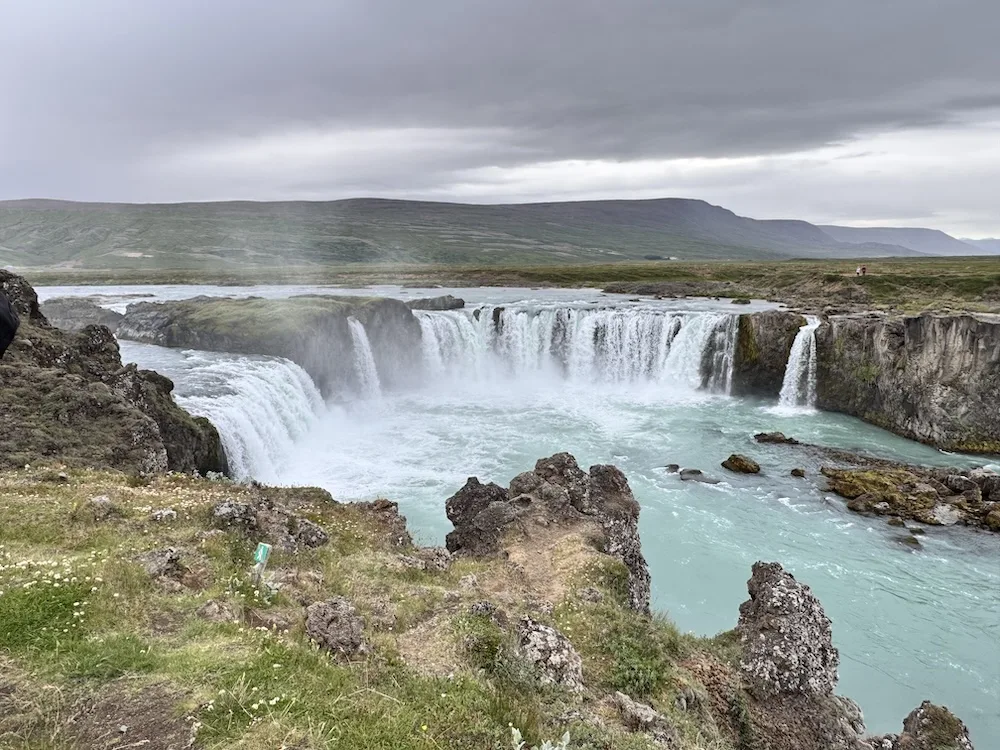
Route 1 is an 821-mile highway that circles the island. Ring Road, as it’s known, passes through several distinct regions, each with its own landscapes and character. Allow 10–14 days to explore the entire route, or focus on one or two regions for a slower-paced trip. Along the South Coast, powerful waves crash into black-sand beaches, while the hiking trails in Skaftafell lead to waterfalls and glacier viewpoints. Further east, the Vatnajökull ice cap dominates the landscape, with glaciers extending into valleys and fragments of ice washing ashore on black-sand beaches. North Iceland brings volcanic terrain, geothermal activity, and some of the country’s most powerful waterfalls. From April to October, Húsavík is a popular whale-watching base. In West Iceland, lava fields, cascading waterfalls, and geothermal springs offer another glimpse of the natural forces that have shaped the island. Beyond the famous sights, Ring Road offers an opportunity to experience the remarkable diversity in Iceland’s changing landscapes.
Getting Around
There are multiple ways to explore the island, whether you rent a car and stay in hotels, travel in a campervan or motorhome, or book a small-group experience:
- Self-Drive: Renting a car and staying in hotels or cabins along the way offers flexibility and comfort. You can set your own pace and explore places off the beaten path.
- Campervan or Motorhome: Campsites across the country provide plenty of options for those wanting to combine transportation and accommodation. This option allows you to linger in scenic areas and adapt your plans as you go.
- Small-Group and Specialist Experiences: Locally led experiences focus on everything from rural communities, folklore, geothermal energy, or the distinctive landscapes. These experiences can be a meaningful addition to a mostly independent trip—or the focus of an entire journey.