Pittsburgh, Pennsylvania
Once a steel and manufacturing powerhouse, Pittsburgh shaped the industrial age but faced decline as factories closed in the late 20th century. Today, the city has reinvented itself with vibrant neighborhoods, thriving tech and healthcare hubs, and bustling markets such as the Strip District. This lively area is known for its diverse dining options, artisan shops, cafés, and weekend markets, cleverly located in former produce auction houses and warehouse buildings. For a bird’s eye view of the city, take a ride on the Duquesne Incline, a historic funicular that dates back to 1877. At the top, the station houses a museum that showcases Pittsburgh’s history. The Andy Warhol Museum spans seven floors and houses the world’s largest collection of the artist’s work and archives. With more than 500,000 objects, including 900 paintings, the museum offers a comprehensive look at the artist’s life and legacy. In addition to the permanent exhibitions, the museum also features rotating shows. Carnegie Museum of Natural History and Carnegie Museum of Art share a neoclassical building at 4400 Forbes Avenue in the Oakland neighborhood, and visitors can explore both museums with a single admission ticket. The Natural History Museum contains 22 millions specimens, including the world’s first Tyrannosaurus rex fossil. The art museum is perhaps best known for Carnegie International, one of the country’s most prestigious contemporary art exhibitions. The 59th edition will take place May 2026–January 2027.
Find inspiration and tips for your next trip
Subscribe to the St. Louis Travel newsletter, covering big cities, small towns, and everywhere in between!
Milwaukee, Wisconsin
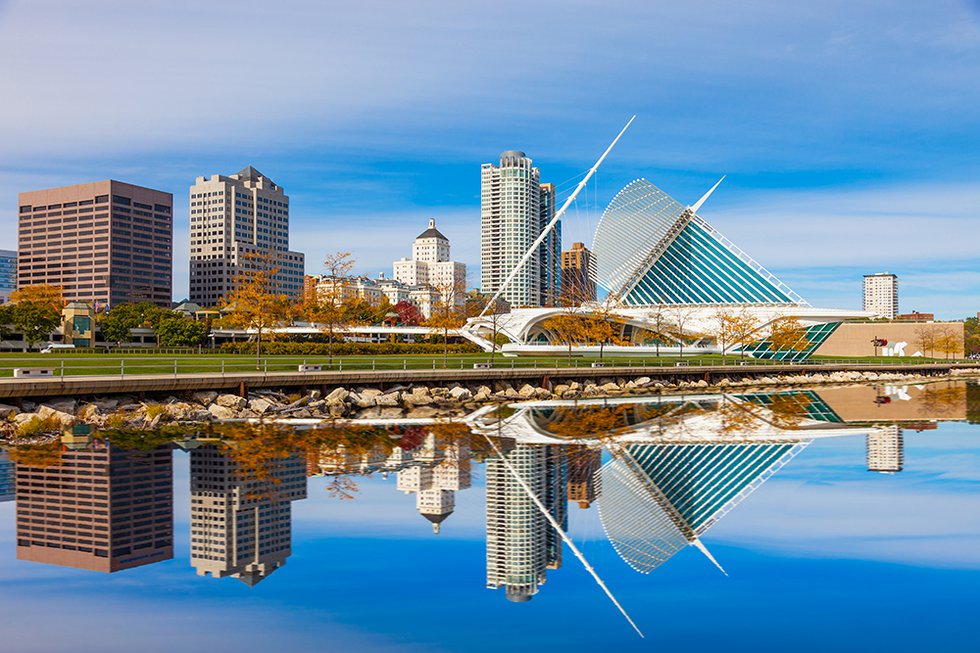
Known for its industrial roots and brewing heritage, Milwaukee has transformed into a dynamic city full of culture, creativity, and vibrant neighborhoods. The best place to witness the city’s transformation is in the Historic Third Ward, a former swampy area between Lake Michigan and the Milwaukee River that has been reimagined as a lively district for arts, shopping, dining, and recreation. The Milwaukee Art Museum’s collection includes more than 32,000 works spanning from antiquity to present. Highlights include folk art, German Expressionism, and notable pieces from contemporary artists. Architecture enthusiasts will appreciate that the museum is housed in three distinct buildings that were designed by Eero Saarinen, David Kahler, and Santiago Calatrava. The Harley Davidson Museum offers more than just providing a historical overview of the iconic brand. It showcases more than 450 bikes, tracing the evolution of design, style, and engineering of bikes. For craft beer lovers, Lakefront Brewery is a must. Enjoy inventive brews in a lively beer hall, or join a tour that’s equal parts educational and entertaining. Another Milwaukee landmark, the Mitchell Park Domes offers a botanical wonderland. Three glass conservatories house floral, tropical, and desert plants collections. The architecturally significant domes were placed on a list of endangered historic places in 2016, but a rehabilitation plan, titled “Domes Reimagined,” was approved earlier this year, securing their future.
Detroit, Michigan
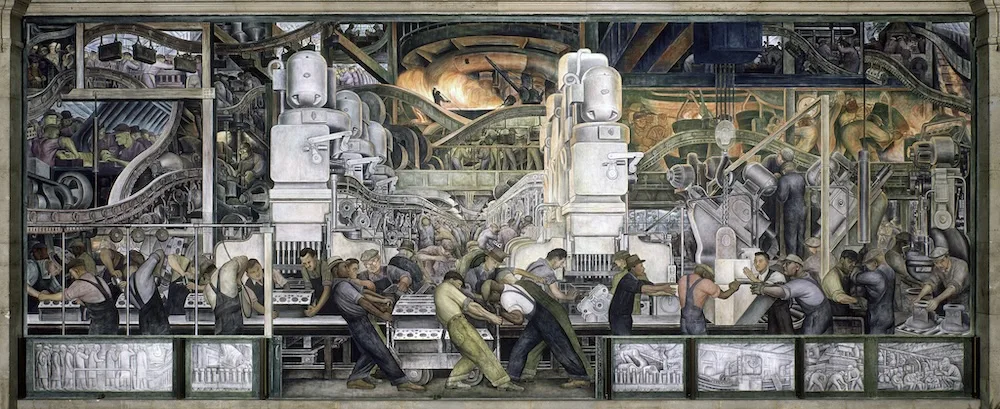
Once known as the heart of the auto industry, Detroit experienced a decline with factory closures and economic struggles. Today, however, the city is buzzing with energy. Historic landmarks such as Michigan Central Station are being restored, and the local dining and arts scenes are thriving. Few places offer a better feel for Detroit’s culture than the Eastern Market. This open-air market spans six blocks and provides a great entry point to the city’s culinary scene with local produce, packaged foods, and dining options. The Saturday market is open year-round. The Heidelberg Project has transformed abandoned houses and vacant lots on Heidelberg Street into a striking outdoor art environment. Large-scale art installations created from discarded or found items, along with whimsically painted houses and cars, turn the ordinary into extraordinary art. The project is located between Ellery and Mt. Elliott and is open to the public daily from 8 a.m.–7 p.m. Founded in 1885, the Detroit Institute of Arts houses 100 galleries with more than 65,000 artworks, including pieces from Africa, Asia, the Islamic world, and Native American and Oceanic cultures, as well as antiquities. The museum is perhaps best known for the Diego Rivera murals in its courtyard. Located in its original 1959 headquarters, Motown Museum celebrates the legacy of Motown with photographs, costumes, and other memorabilia. Visitors can experience the stories of Motown on an interactive tour.