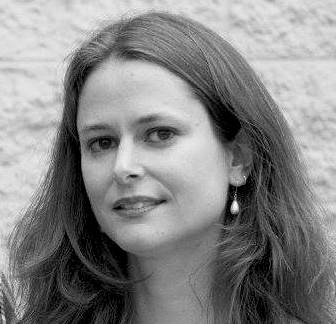
In 2009, the whole world watched as American journalist Sarah Shourd was held in solitary confinement in an Iranian prison for 410 days on charges of espionage. She and her two companions were arrested hiking near a tourist site in Northern Iraqi Kurdistan, and the plight of the political prisoners riveted watchers worldwide.
For the vast majority of people who experience solitary confinement, though, there are no headlines—but Shourd is working to change this. Since her release in 2010, she’s become an advocate against the use of solitary confinement, as well as the mass incarceration system in general.
Stay up-to-date with the local arts scene
Subscribe to the weekly St. Louis Arts+Culture newsletter to discover must-attend art exhibits, performances, festivals, and more.
“I lost my freedom and human rights and everything that I cared about, and I didn’t know when or if I would get it back,” says Shourd. “I can’t just forget that it’s happening to people all around me in my own country. It’s not possible to look away.”
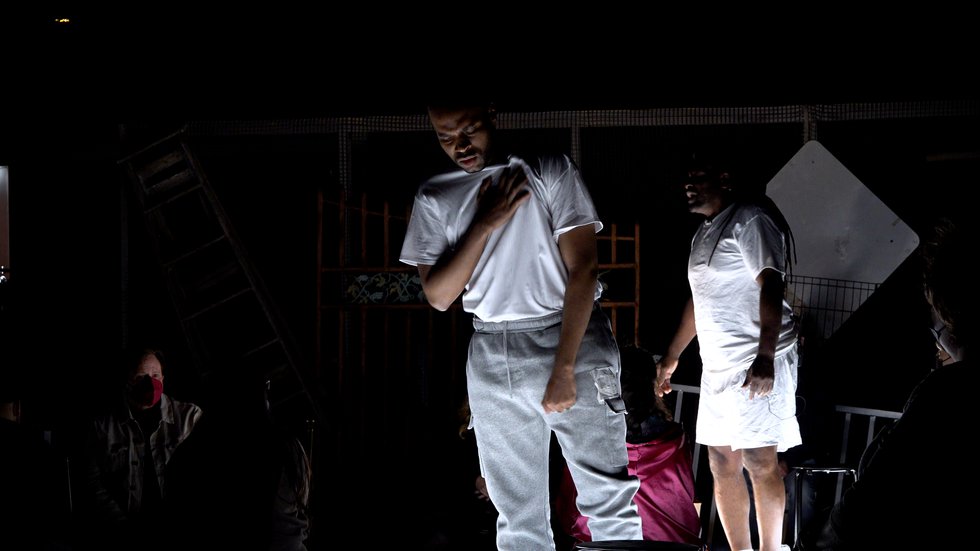
Her play, The BOX, running at The Big Top July 27-29, demonstrates the humanity of those in solitary confinement, inviting audiences to walk in their shoes and understand the cruelty and futility of the practice. She wrote the play after corresponding with and visiting currently and formerly incarcerated people who survived solitary confinement, learning how they survived and what their lives were like before and after their imprisonment.
“Solitary confinement is sort of a metaphor for our whole prison system—it cuts people off from the ability to make better choices,” she says. “I think it’s important for people to know that solitary confinement is internationally recognized as torture. It’s punishment, isolation, targeting people and telling them, ‘You’re not worth anything to us.’”
Shourd says that solitary confinement does nothing for the rehabilitation of incarcerated people, and in fact it does damage to those who experience it.
“You can imagine—people get really angry, they get depressed, they panic,” she says. “People have mental illness, they go on solitary, they decompensate. A lot of people are released right back into our streets after being treated in this cruel and inhumane way. It’s just contrary to anything we say we want as a society, and I hope [the play] leads people to question the entire system that led to solitary in the first place.”
The play is based around the 2013 California prisoner hunger strike, which was part of a groundswell of activism and legal action that led to the state ending the practice of indeterminate solitary confinement. The characters in the play are based on the real prisoners Shourd wrote to and met with. The performances end with a “healing circle,” where the audience moves away from the intense and possibly triggering content and into a place of considering new solutions together.
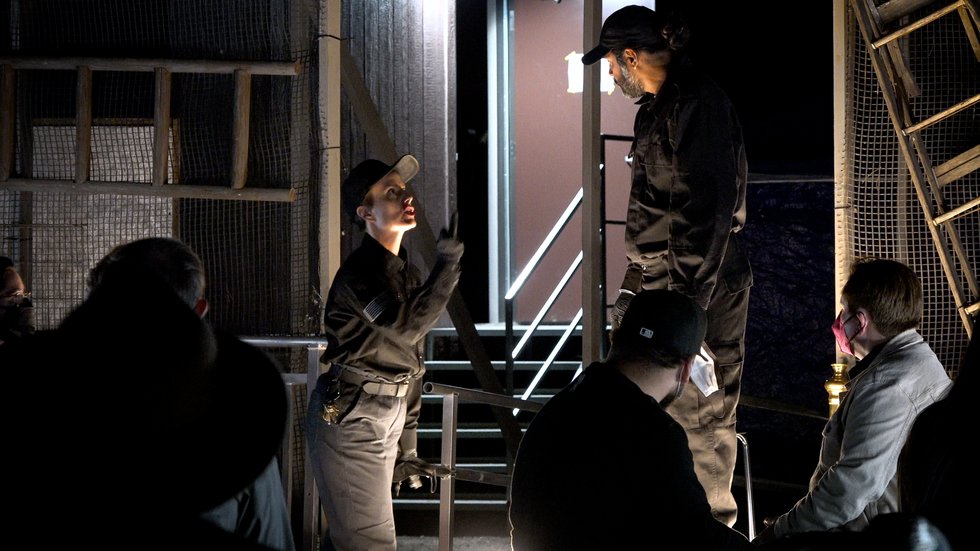
“We seek this balance between showing the horror of this practice and showing the humanity of the people subjected to it,” says Shourd. “The emotional experience of connecting to these characters is what we want people to leave the theater with.”
Part of Shourd’s work, she says, has been to learn anti-racism—it’s impossible to discuss the American prison system without examining and confronting racism. She’s very aware of how her own whiteness may serve to center her, and how that could do a disservice to the people of color who are disproportionately incarcerated in the U.S.
“My role in the movement to end solitary confinement is the role of uplifting other voices and stepping back,” she says. “The play is very much a collaboration of currently and previously incarcerated survivors, and I’m one of them. As a playwright, I had to go to extra lengths to run the narrative by a lot of survivors, mostly people of color. I’m the writer, but I also see myself as a weaver maybe more than a writer, weaving these narratives into something that works onstage.”
She hopes that audiences will come away with an understanding of the humanity and resourcefulness of people in solitary confinement, how they communicate and care for one another against incredible obstacles.
“The most incredible thing is how people take care of each other inside. No matter what you do, no matter how many obstacles you put up, people find a way to get around them,” says Shourd. “Incarcerated people show this ingenuity and scrappiness maybe more than any other population.”
The BOX runs July 27-29, with doors at 7 p.m. The 90-minute show starts at 7:30 and ends with a 30-minute processing session. Tickets are $20-$50, with a limited number of free tickets available for formerly incarcerated audience members.