Earworms (also known as “brainworms,” “stuck songs,” or “involuntary music imagery”) can be annoying. But for Paige Brubeck of Sleepy Kitty, the catchy harmonics of Hamilton sparked an epiphany: the musical’s sound has a lot in common with indie bands like Pavement or Guided By Voices.
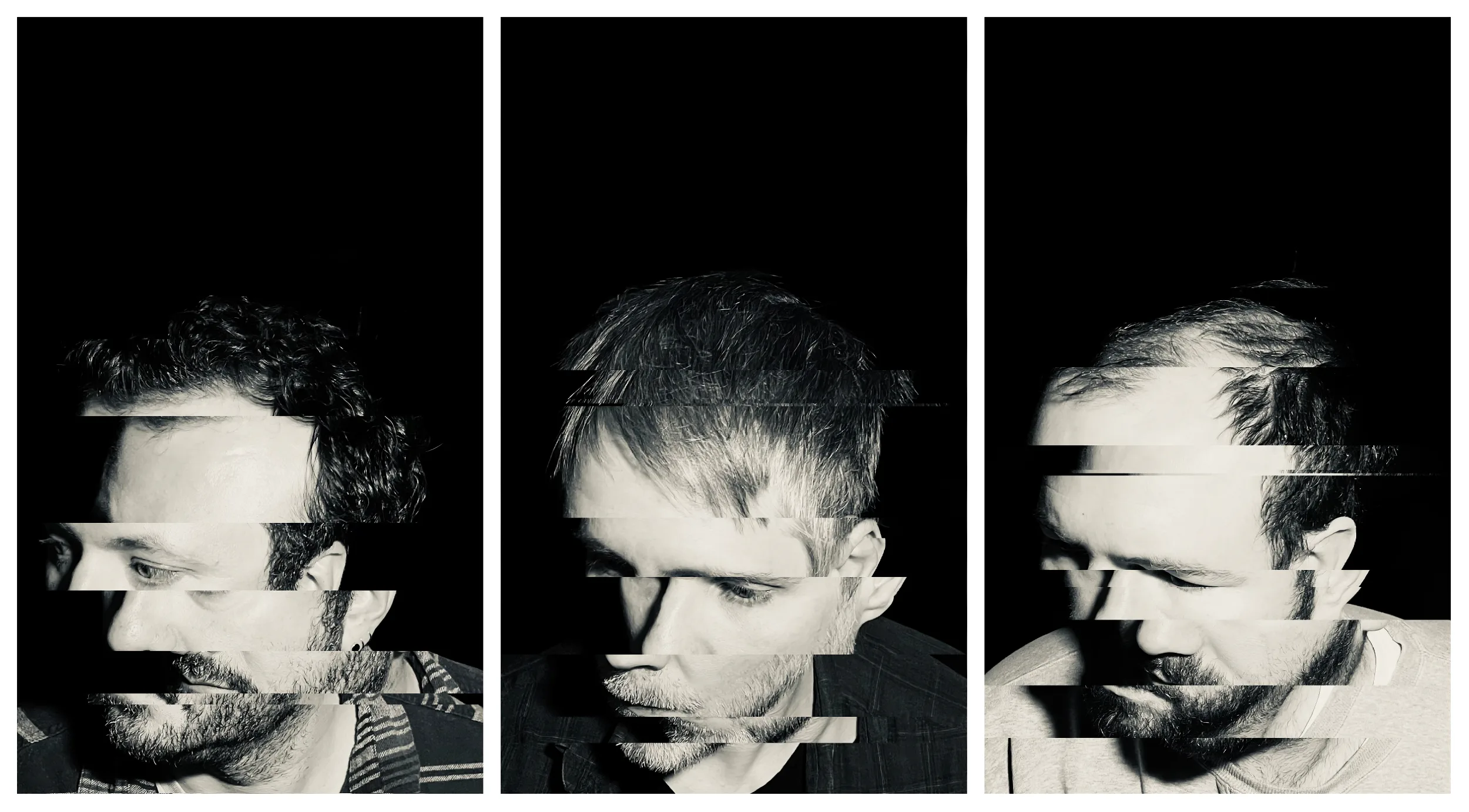
Brubeck and her partner, drummer Evan Sult, began to throw songs from the production into their live set. Euphoric with the results, Sleepy Kitty enlisted the help of cohorts Andy Kahn, Wade Darbin, Carter McKee, and John Horton to record seven new tunes inspired Hamilton’s first act.
Get a guide to the region’s booming music scene
Subscribe to the St. Louis Music newsletter to discover upcoming concerts, local artists to watch, and more across an eclectic playlist of genres.
The resulting EP, “Bastard Orphan” re-contextualizes the original songs into something new. “History Has Its Eyes On You” (the only straightforward cover in batch) finds Brubeck singing the words of George Washington; the other six songs use the melodic framework of their counterparts, but with a grittier, DIY sound.
Sleepy Kitty, a band that’s no stranger to mixing theater with music, has spent the last year plotting their own revolution—synthesizing musicals and indie rock—hoping to reach new fans of both genres. With local interest in Hamilton at a fever pitch, they’re planning a special St. Louis show to celebrate the fruits of their labor with further details to be announced at a later date.
The band talked to St. Louis Magazine about walking the tightrope between two different genres, recording the new EP, and making music as a political act.
How does the music of Hamilton relate to Sleepy Kitty?
ES: A thesis of Sleepy Kitty is that we are equally influenced by the Velvet Underground, Pavement, and Les Miserables, which is the hardest one for people to understand. Hamilton is a nice bridge in that it has so much cultural relevance. Within the music sphere, we are about shaking it up and not dismissing all these things going on in Hamilton because it is a musical. It’s one of the biggest current revolutionary musical things happening right now, and it does pertain to everybody, including people who like indie music. The proof of that to us was doing the passages that we thought were important to that thesis in our style.
PB: I think we are translating some of these songs that we think are beautiful and awesome to an indie rock audience. One of the goals we have is to bring these songs to a new audience that may like the original or may not. I am willing to say they can stand on their own. The songs are bigger than the musical itself.
What was the method to your madness?
ES: The recipe for us has been to keep the melody the same and shift the chords around and sometimes change the key. We didn’t change the melody, which enabled the initial fascination to come through. Changing the chords underneath it allows for new inflections and new reference points, giving the ear a fresh take on the sounds.
One of the things that happened was that we worked with several different people on this project, and I don’t think anyone we worked with had heard the songs in their Hamilton versions. So when we were working on the songs no one had the source material in their heads, which is totally how we wanted it. What we weren’t trying to do is recreate the songs in any way.
Can you comment on how the music of Hamilton serves as a political act?
PB: This is political music, and us doing was us trying to bring it to people who both love and hate musicals, people maybe wouldn’t listen to the original soundtrack, but would appreciate the current metaphors and the political subject matter in this music. Especially the song ‘History Has Its Eyes On You,’ which I think is so timeless and relevant. You can point to so many things and point those lyrics to it and it works.
Why do you think songs from musicals translate so well into pop music?
PB: They go a long way, because you can sing a melody and people will recognize what you’re singing. I think that there’s a strong bone structure to the songs and tight lyrics that translate to different genres in that way. As someone who primarily works in rock, I feel like there is more to hide behind when you have an electric guitar and a full band. There are all kinds of things you can do to sound cool in the arrangement and production of a rock song, whereas in musical theater, I think a song has to stand up on its own and it has to stand up to multiple singers singing it. Ideally, if you are doing a musical it’s going run for years, and it’s going to run in different languages with different casts. The gut of the song is still there because the melodies are so strong.
ES: Honestly, I think it is way harder to bring rock n’ roll into a musical setting and make that make sense, because so much more of indie rock is less about the specifics of the song and more about the delivery of that particular band and their textures. It can feel very false to have someone deliver theatrical interpretations. But that said, we are all for the germination across those lines.
“Bastard Orphan” will be released on November 17 on Euclid Records. For more information, visit sleepykittymusic.com.