Fine art comes to us in a frame, on a pedestal, or onstage, but truly great art, genuinely affecting art, transcends these and settles in the soul.
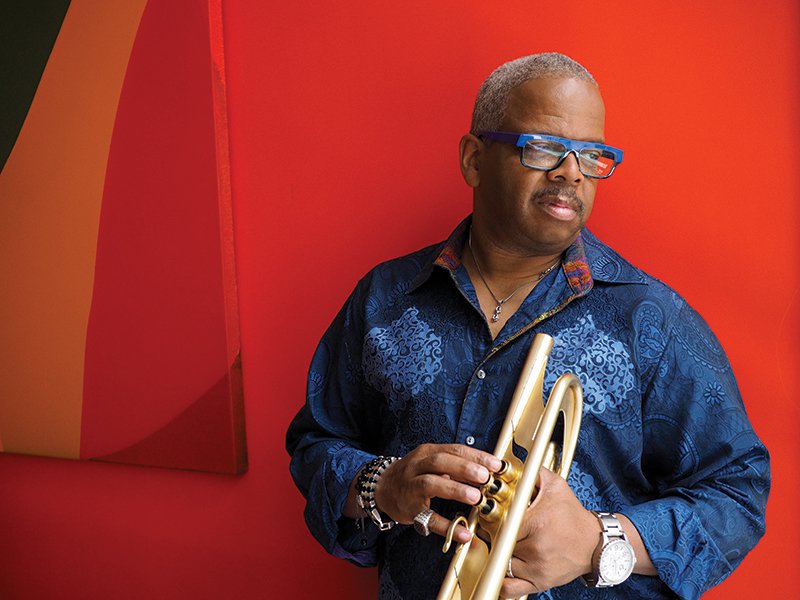
Of his new opera, Fire Shut Up in My Bones, celebrated trumpeter/composer Terence Blanchard says that although common threads run through its tapestry, what matters is the afterburn—the enduring effect of the art on the viewer or listener after the lights come up and the mulling-over commences.
Get a guide to the region’s booming music scene
Subscribe to the St. Louis Music newsletter to discover upcoming concerts, local artists to watch, and more across an eclectic playlist of genres.
“The story goes way beyond the opera,” Blanchard says, “and there is a common theme—that is, what we do to each other.”
Fire, based on a 2014 memoir by New York Times columnist and commentator Charles M. Blow, is being given its world premiere this month by two St. Louis organizations, Opera Theatre of St. Louis and Jazz St. Louis. It joins a luminous string of works of exacting social and emotional consequence mounted by Opera Theatre in its recent history, the fifth in a searing, sometimes controversial series of operas called “New Works, Bold Voices.” Preceding Fire is Champion (2013), by Blanchard and Michael Cristofer.
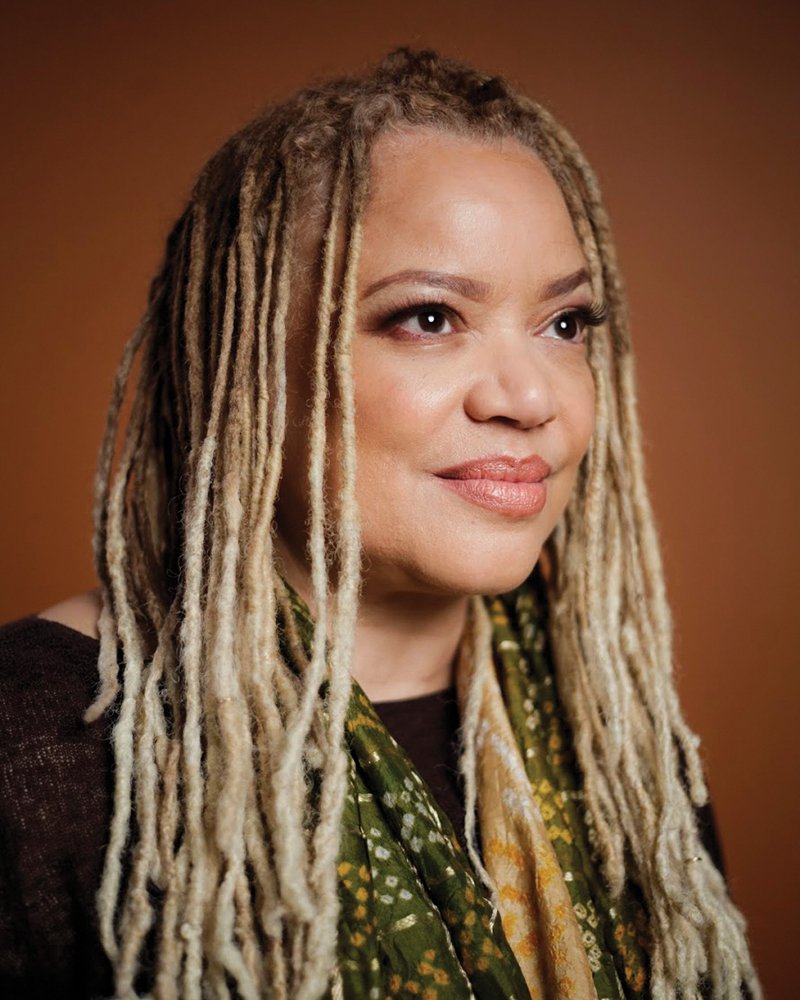
The new work conjoins three influential African-American artists. In addition to Blanchard and Blow, there’s St. Louis native Kasi Lemmons, whose libretto takes Blow’s book and installs it in a complex human minefield, a contemporary jeremiad.
Set in the realistic, metaphorical, and mythical Gibsland, Louisiana, Blow’s hometown, the memoir is a reckoning with the writer’s memories of childhood and young manhood; his relationship with his steel magnolia mother; and the sexual, physical, and emotional abuse, inflicted on him by a relative, that both affected and afflicted him.
Upon his achieving a certain maturity, there is his psychodynamic working through, as if Blow were traveling a cracked and patched two-lane road leading from what seems like nowhere to nowhere but finally to a place of accommodation and redemption, found in part by becoming a father.
The literary reference of the title is found in the 20th chapter of the book of Jeremiah, called the “weeping prophet,” whose lamentations have been expressed in a literary form, the jeremiad. In Verse 9, Jeremiah complains to the Lord about the Lord’s treatment of him. He promises not to speak of him again. But he cannot hold fast, because the fire—the roiling rage—shut up in the emotional marrow of his bones cannot be contained. Such was Blow’s contemporary situation—without the whining.
Although many issues and subjects are onstage in this opera, Blanchard says, one that gets more than its share of public attention is homosexuality. It’s not overlooked or plastered over, but isn’t the central theme or most pressing issue, either. There is much, much more, Blanchard says: strong common threads that bind all of us together or, untied, separate us.
Three more opera works not to be missed this season:
The Marriage of Figaro: An opera buffa, this Mozart masterwork is a sequel to The Barber of Seville. Good-natured Figaro wants to marry Susanna—but she’s also the Count’s object of affection. To get down the aisle, the two will have to thwart the powerful man’s plans. May 25 & 31; June 6, 8, 12, 16, 19 & 29.
Rigoletto: In Verdi’s three-act opera based on a Victor Hugo play, the Duke has eyes for Gilda, the daughter of Rigoletto, the court jester. When the Duke abandons Gilda, Rigoletto swears vengeance, but an innocent will be caught in the crossfire. So Young Park, whose voice the Los Angeles Times called “stunning” and The New York Times described as “dead accurate,” plays Gilda. June 1, 5, 14, 20, 22, 26 & 30.
The Coronation of Poppea: Before there was Netflix’s House of Cards, there was Monteverdi’s The Coronation of Poppea. Poppea, Emperor Nero’s mistress, longs to be empress and is willing to do anything to make it happen in this opera that’s been described as “sexy, bloodthirsty, and unapologetic.” June 9, 13, 15, 22, 26 & 28.