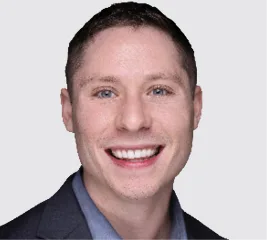
Bernstein is reimagining what performance looks like in the contact center industry. Over the past year, Balto has introduced new tools—real-time guidance, instant QA, AI-generated notes, and coaching—that dramatically advance agent ramp-up and reimagine how teams work. “AI used to be an idea. Now it’s a workforce,” he says. “What excites me is how that flips the script. The best contact centers won’t be defined by how many people they hire—but how intelligently they scale work. We’re building an AI workforce that does the repeatable stuff with precision so humans can do the creative stuff that moves the needle.”
Keep up with local business news and trends
Subscribe to the St. Louis Business newsletter to get the latest insights sent to your inbox every morning.
2026 QUESTIONNAIRE
PROFESSIONAL ACCOMPLISHMENTS & OPPORTUNITIES
What has been your/your company’s most significant success over the past 12 months? We built speed into the DNA of the contact center. In 2024, Balto became the fastest way to improve agent performance—real-time guidance, instant QA, AI Notes, and coaching—all faster than ever. Our tech helped customers ramp reps in days, not weeks. One client cut call audit time from two days to four hours. Another told us we saved them from hiring six QA analysts. That’s not software. That’s a structural shift in how work gets done.
What has you most excited about the future of your company or industry? AI used to be an idea. Now it’s a workforce. What excites me is how that flips the script. The best contact centers won’t be defined by how many people they hire—but how intelligently they scale work. We’re building an AI Workforce that does the repeatable stuff with precision, so humans can do the creative stuff that moves the needle.
If you could change one thing about your industry, what would it be and why? I’d retire the term “quality assurance.” We’ve built a billion-dollar process around reviewing random calls and hoping we catch something useful. It’s not quality. It’s gambling. We should be scoring 100 percent of calls automatically—and using that data to coach better, faster, and more fairly.
What’s the toughest business challenge you’ve had to overcome? Staying focused in a hype cycle. When everyone’s shouting “AI!” from the rooftops, it’s tempting to chase every shiny thing. But we stayed anchored in the work—building AI that actually helps people do their jobs better, not just demos that look cool. That took discipline. And it’s paying off.
What’s a risk you took in business that didn’t pan out—but taught you something valuable? We once invested heavily in a product feature we thought would change the game. It didn’t. What it taught us was that innovation needs to start with the customer’s workflow, not just our vision. “Cool” doesn’t convert—“useful” does.
What advice would you give to the next generation of St. Louis entrepreneurs or leaders? Don’t wait for permission. Don’t wait for the market to make sense. If you see a real problem and you have a weirdly strong opinion about how to solve it—start. That’s usually where the best companies come from.
MENTORS & PEERS
What is a key strength of the St. Louis metro area business environment? St. Louis punches above its weight. There’s grit here. There’s talent. And there’s this rare mix of Midwestern humility and ambition that makes it a great place to build quietly—and scale loudly.
What is one thing you would change about the St. Louis metro area business environment? We need more unexpected collisions. More bold bets. The talent is here—but we don’t connect the dots fast enough. I’d love to see a stronger bridge between our startup scene and our enterprise giants.
Who is the most interesting under-the-radar/emerging business leader in St. Louis? Kish Sharma at Bling AI. He’s not just building a product—he’s building new muscle for how mid – market companies handle customer conversations. And he moves fast. I respect that.
Who in your company (or industry) deserves more recognition for their impact? Our customer success managers. They’re the unsung heroes of AI adoption. They don’t just onboard customers—they translate AI into actual outcomes. Without them, none of the tech matters.
What’s a local organization, nonprofit, or initiative that more people should know about—and why? LaunchCode. They’re changing lives by opening doors into tech. And they’re doing it without the gatekeeping that holds so many people back. If you want to see what real workforce transformation looks like, look there.
BACKGROUND
Where were you born? Washington, D. C.
What educational degrees do you hold, and where were they earned? B.S. in Marketing, Entrepreneurship, and Psychology from Washington University in Saint Louis
What was your first job, and what did you learn from it? Camp counselor. It taught me the ROI of energy. If you bring enthusiasm to the work—even the chaotic, messy parts—it changes the whole vibe. That stuck with me.
HOBBIES & INTERESTS
What’s your hobby/passion? Chess. I love how it forces you to think multiple moves ahead, anticipate patterns, and stay calm under pressure—feels a lot like running a company.
What is one book you think everyone should read (or podcast everyone should listen to) and why? Lilly Clifford’s podcast. She’s the CEO of Rime Labs and a deep thinker on voice and language. Her show explores how we communicate, from creativity to mental health to how we show up in the world. It’s not just insightful. It’s personal.
What do you do when you’re feeling stuck or uninspired? Long walks. No headphones. Just quiet. That boredom is where the real ideas show up. Or I reread customer feedback. Nothing grounds you like hearing how your product actually changes someone’s day.
What would people be surprised to learn about you (fun fact)? I once wrote a screenplay in a weekend just to prove I could. It was terrible. But it taught me the power of momentum. You don’t need the perfect idea—you need to start.