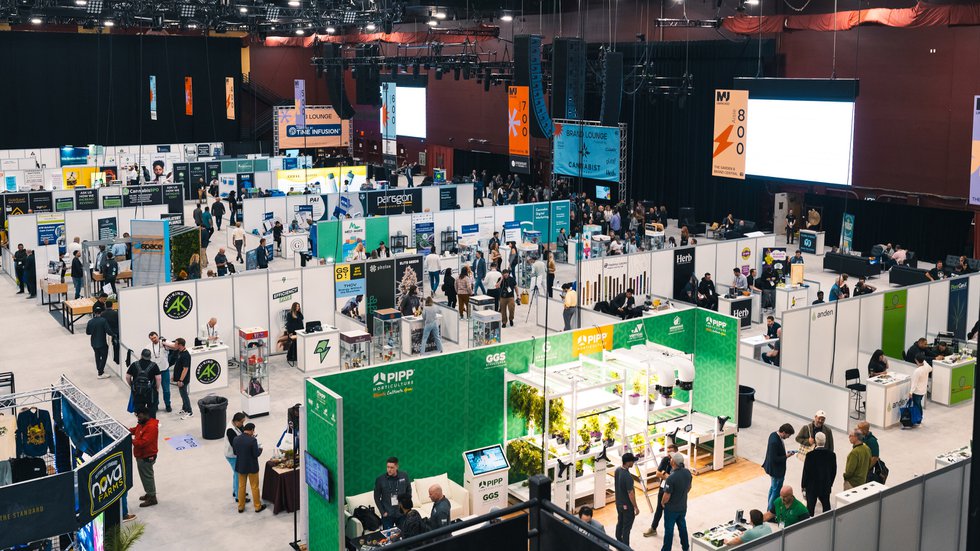
In the quest to secure major conferences, conventions, and other large events, the offerings beyond presentation halls and hotel bars are becoming just as important as what’s inside those spaces. The St. Louis leaders tasked with attracting more tourism here see this as an opportunity to pounce and build lasting positive impressions of the broader region.
“It’s definitely a trend in the [meeting] industry,” says Cat Neville, Explore St. Louis’ vice president of communications. “It used to be that you’d fly into a city, go straight to the hotel or convention center, and then go back to the airport when you’re done, and leave.”
Keep up with local business news and trends
Subscribe to the St. Louis Business newsletter to get the latest insights sent to your inbox every morning.
Now meeting planners are placing a high premium on “dynamic, more immersive experiences,” Neville says, something she believes St. Louis is well-suited to deliver on. The area can supply visitors with deep local expertise in specialized fields, such as medicine or plant science, plus nationally regarded restaurants, top universities, and distinct neighborhoods.
“We punch above our weight in so many different ways; that is something we can connect people with,” Neville says.
The challenge lies in weaving compelling experiences outside of hotels or convention centers into the schedule of a meeting or conference. Explore St. Louis got the chance to try with the World Education Congress this past June, which brought some 2,000 to 2,500 people who either plan meetings or sell services to them.
“This one in particular offered a unique opportunity so that not even just ‘wink, wink, nudge, nudge,’ it was very much: here are the meeting capabilities that we have in St. Louis,” Neville says.
It’s the largest annual event of Meeting Professionals International, and one that cities compete to host, says Jessie States, the organization’s vice president of consulting. Explore St. Louis said it couldn’t put an exact price tag on its bid, but that their pitch to MPI focused on the support and services they could provide and the work they’d do to plan and execute the conference.
“The economic value isn’t just the footprint that we have while we’re on site and all the money that is spent at the local destination while we’re there,” States says. “There’s also this huge enhanced opportunity to get in front of potential clients to bring dozens, if not more, meetings back to St. Louis in the near future.”
The June conference was MPI’s first crack at incorporating its “off-site learning journeys” into a conference with thousands of attendees after similar experiences built into smaller conferences proved “extremely popular,” States explains. It’s something the organization had always wanted to do at a larger scale, but the logistics of having events outside the convention hall becomes much more complicated the more people are included, she adds.
“We did take that chance this year and it was wildly successful; it was just something that everybody raved about,” States says. “We knew that St. Louis was the right partner and the right place to try it out.”
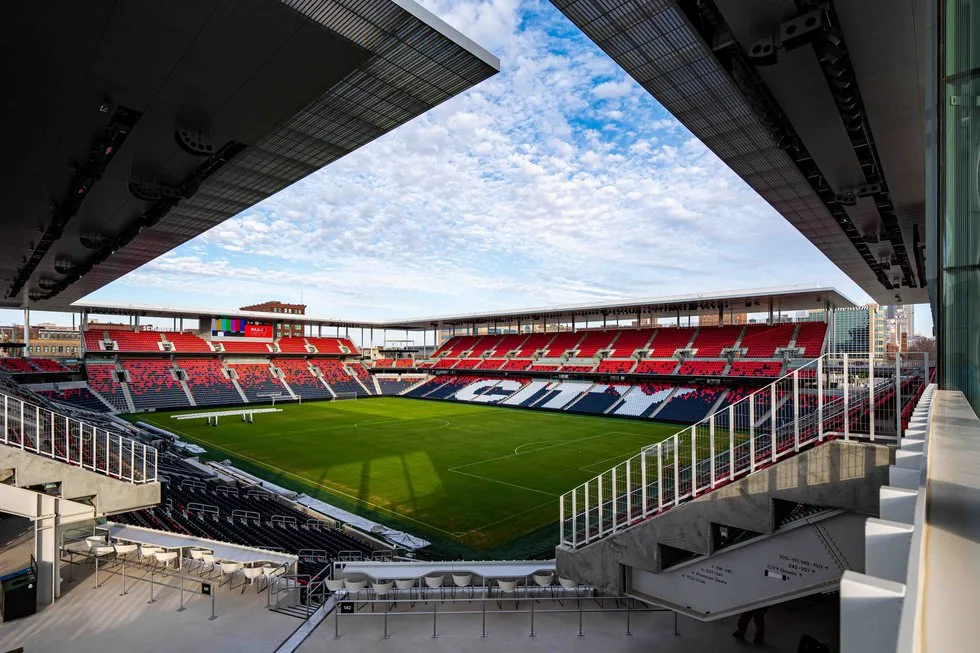
She explains a lot of the success came down to the facilities and venues Explore St. Louis identified for specific events, such as women-owned Energizer Park for a women’s leadership and empowerment session or WashU for a discussion on how events impact the brain, which featured two of the university’s neuroscience experts.
“It creates a bit more of a sticky experience. It’s something that’s a lot more memorable,” States says. “Our participants not only go to a lot of conferences, but because they plan them, they see typical conference spaces all the time. Those don’t really change a whole lot from convention center to convention center.” (For the record, States did say she was impressed with America’s Center downtown).
Like so many other things, the trend of meetings emphasizing the unique qualities of a host city emerged late last decade and only intensified by the pandemic. Education that had attracted people to conferences in the past is now much more accessible online, either through Zoom, webinars, digital events and even artificial intelligence, States says. Attendees need more than just good speakers to get them interested in a visit.
“We’ve seen a shift in why people want to attend an event, and it really is based on an experience, because they can do so much from their home or their office,” she says. “People are coming for the networking and the peer learning. We have to take that into account when designing an experience.”
Since June’s conference, States says she’s heard feedback from attendees that St. Louis is among the cities they’re considering for events they’re planning in the future.
And for Neville, that could have an exponential impact that goes far beyond just future events being booked here.
“Meetings and conventions are a leading edge of tourism, and tourism, frankly, is a leading edge of business development,” she says. “Getting people to host their meetings and events here in St. Louis is that opportunity from a PR standpoint, to be like ‘Hey, St. Louis is this incredible city that you need to come back to.’”