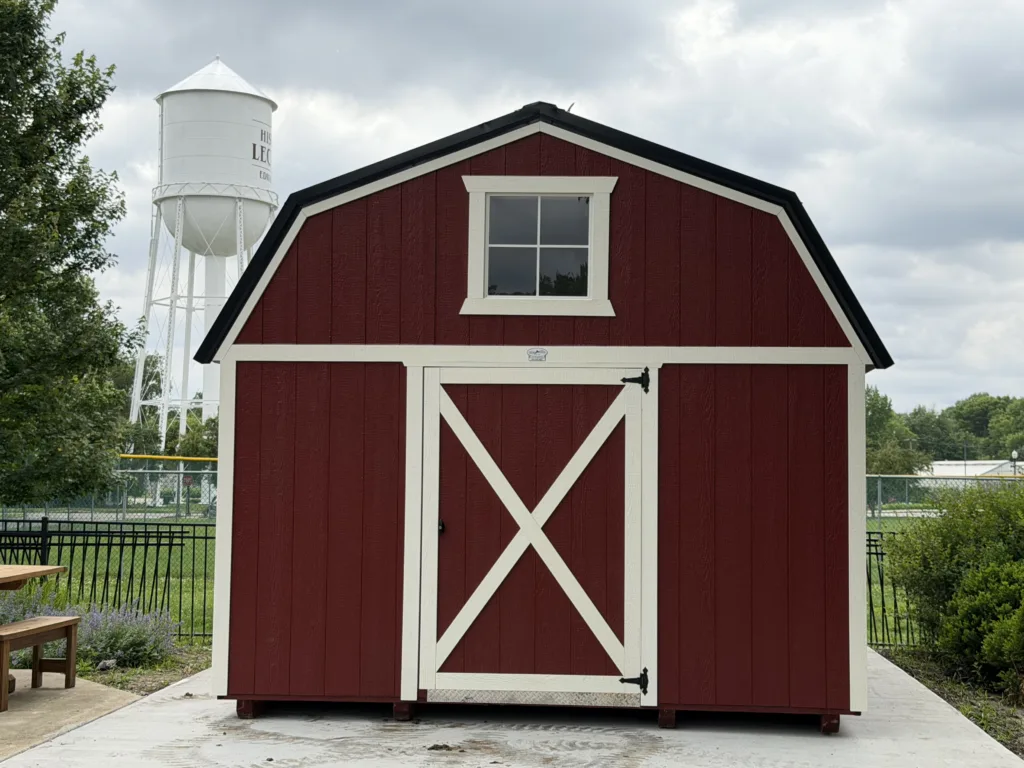
Big things are growing at Edwardsville Children’s Museum (722 Holyoake), and we’re not just talking about the new life-size red barn in the yard.
Outside, the Metro East destination is currently planting the seeds for its newest exhibit, Little Sprouts Farm. Inside, staff has been busy making changes to ensure more children can join in the fun, including quieter play spaces, sensory-friendly kits, and special sessions designed for kids who need a little less stimulation and a lot more room to explore.
Discover fun things to do with the family
Subscribe to the St. Louis Family newsletter for family-friendly things to do and news for local parents, sent every Monday.
“What we’re hearing constantly is, thank you for putting something new in,” says museum director Kristen Fries. “It feels like every time we come, there’s something new.”
Following the additions of its LEGO and Little Forest Sanctuary exhibits last year, the museum recently launched Every Child Belongs, an accessibility initiative, and is preparing to open Little Sprouts Farm.
Making space for every child
For some families, planning a trip to a children’s museum starts well before they reach the front door. Parents of children with autism or sensory sensitivities often research a destination’s accommodations before deciding whether to visit, something Fries and her team learned while developing Every Child Belongs. The new initiative aims to take some of the guesswork out of planning a visit, with online resources and sensory-friendly programming designed to help families feel more comfortable and prepared.
The initiative was spearheaded by former board president Sarah Wells, who used proceeds from a popular Friends-themed trivia fundraiser to help make the museum more accessible. Wells also connected the museum with The KASE Project, a nonprofit that helped identify practical ways to create a more welcoming experience for all children.
After three weeks of renovations and modifications, the museum introduced several new features this month:
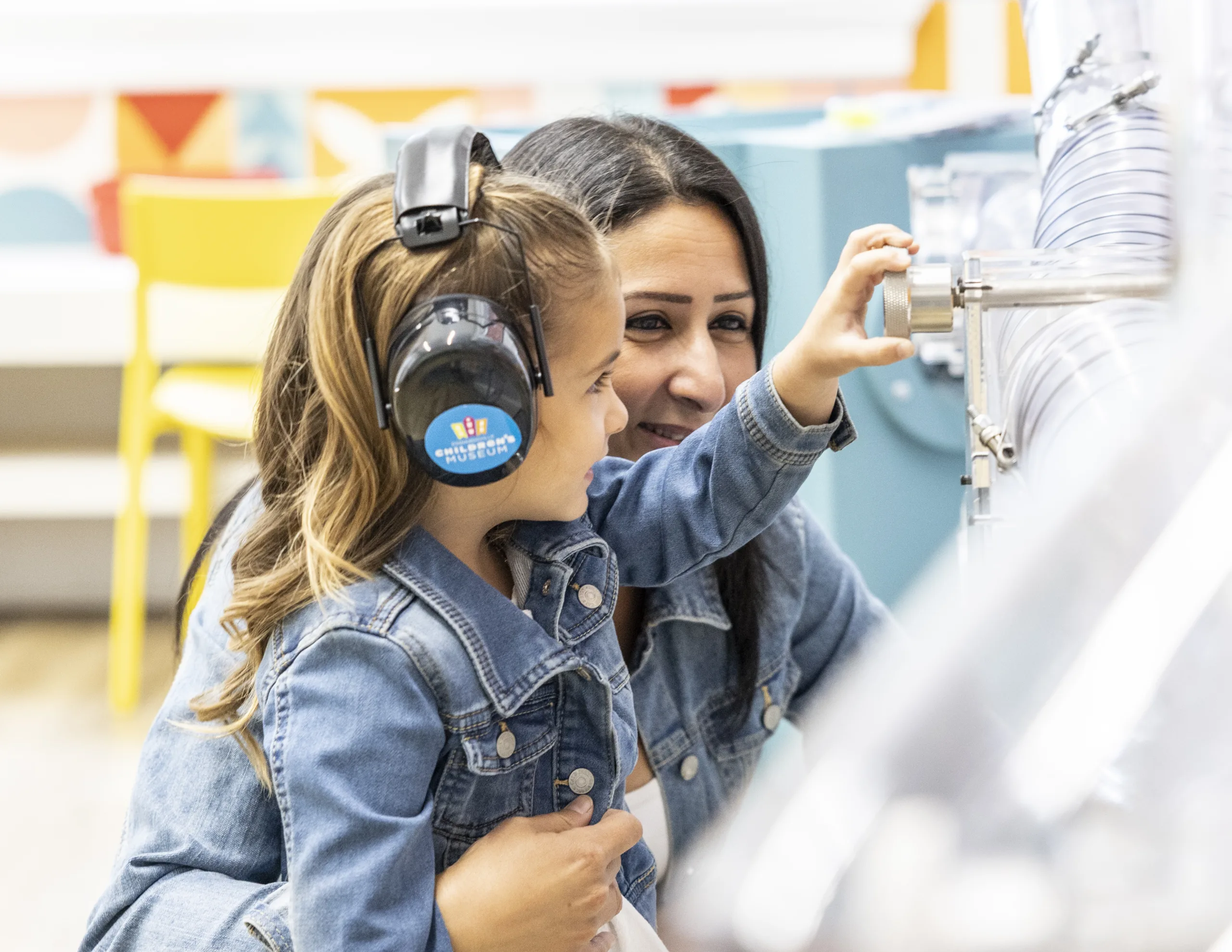
- Sensory-friendly exhibits: Designated spaces offer adjustments such as softer lighting, reduced noise, or calmer activities. Families can identify them using special signage featuring the museum’s logo with headphones or a sensory-friendly museum map.
- Sensory-friendly playtimes: Twice a month, families can register for two-hour sessions with limited attendance and reduced stimulation. Adjustments include lowering lights, reducing noise, and providing paper towels as an alternative to loud restroom hand dryers.
- Social story: A free online resource uses simple, first-person language to walk children through what to expect during a visit, from arrival to departure.
- Sound-dampening panels: The museum’s Makerspace Room now features panels designed to reduce noise in the high-ceilinged space.
One of the museum’s most meaningful improvements came from the community itself. After hearing Fries speak at an Edwardsville City Council meeting, local resident Nicholas Hoffstetter, who is in his late 20s and has autism, stopped by the museum with a $2,000 cash donation. During a tour, he shared how overwhelming the noise in the Makerspace Room could be, with sounds from across the building making it difficult to focus on a conversation.
“He could hear the telephone ringing in the lobby. He could hear the baby crying all the way across the museum,” Fries recalls.
Hoffstetter told Fries that he wished a space like this had existed when he was growing up. Now, he had an opportunity to make that experience better for the next generation of children. He brainstormed with Fries and chose to put his donation toward sound-dampening panels. With a matching grant from the Edwardsville Community Foundation and additional community contributions, the museum was able to bring the improvement to life.
And the improvements aren’t stopping there. The museum is planning additional staff training focused on sensory needs and will continue refining its accommodations based on feedback from families.
Honoring Alma through inclusion
At the heart of Every Child Belongs is the memory of Alma Buhnerkempe, a young girl from Chatham, Illinois, remembered for her kindness and ability to make other children feel included.
Wells knew Alma’s family and wanted to honor her after her death in 2025. Alma’s younger brother, Will, has autism, and Fries says Alma was especially understanding of his needs.
The museum dedicated the initiative to Alma’s memory and created ALMA Kits, short for Assistive Language & Material Aid Kits.
Available at the front desk, the take-home bags contain sensory tools such as fidgets, spinners, putty, and other calming items. Families can also borrow headphones during their visit.
“It will be something given to any child that needs something that will calm them or help them,” Fries says.
Each kit includes a letter about Alma, while the bag features a silhouette inspired by a photograph of her jumping against a sunset. Alma’s family attended the initiative’s ribbon-cutting ceremony, where her brother shared memories of their time together.
Families can learn more about the program, download resources, and register for sensory-friendly sessions on the Every Child Belongs webpage.
Down on Little Sprouts Farm
Meanwhile, another addition is taking shape in the museum’s Discovery Garden. Little Sprouts Farm, slated to open in spring 2027, will introduce children to agriculture through a barn and interactive, farm-themed exhibits.
“We felt like agriculture and farming was a really big one that was missing,” Fries says. “It’s such a huge part of our regional economy.”
The goal is to help children understand where food comes from, how farmers care for animals and crops, and why agriculture matters to the community.
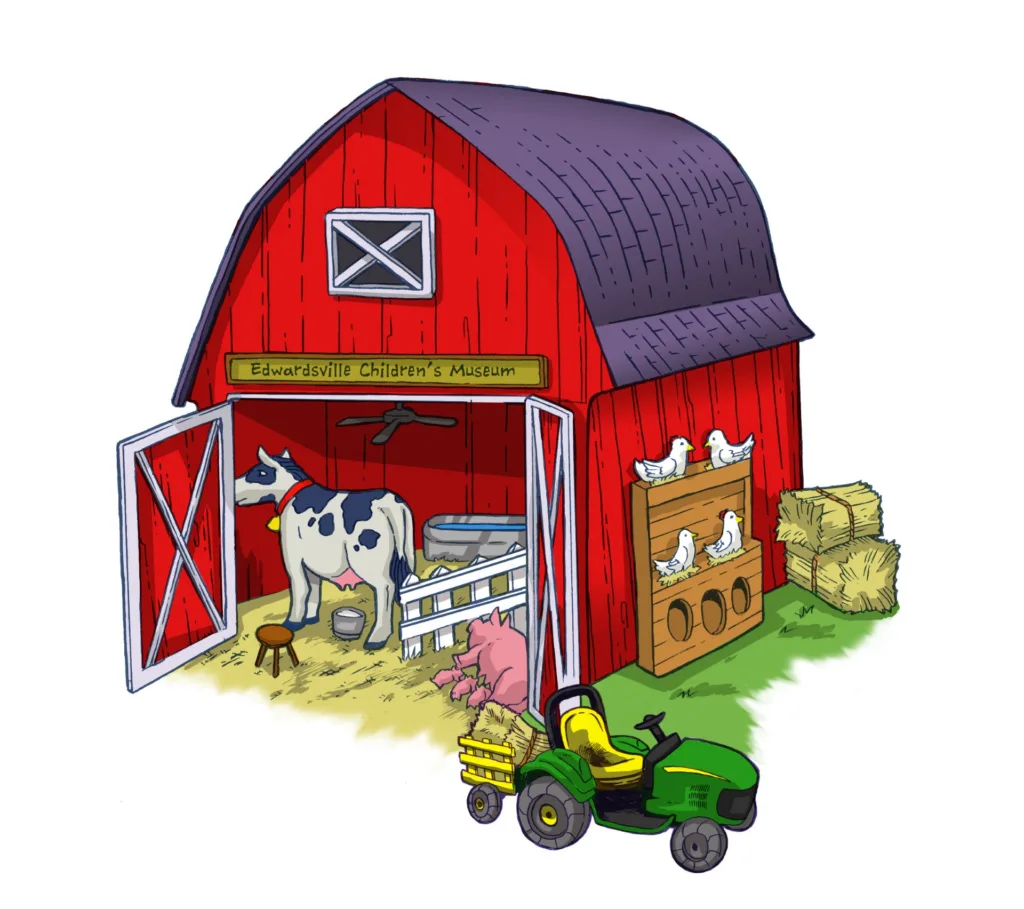
Inside the barn, children will be able to explore different aspects of farm life through pretend play:
- Pig farming: A mother pig and piglets, feeding activities, and information about the animals’ life cycle. Children will also learn about the protective clothing and hygiene procedures used on pig farms.
- Chicken coop: Young visitors can collect pretend eggs, explore photographs of real farm animals, and hear animal sounds.
- Dairy farming: An interactive map will allow children to follow a milk truck’s journey from the farm to processing facilities, schools, grocery stores, and ice cream shops.
Outside, plans include a tractor, pretend hay bales, and an interactive activity involving physical movement, although the exact design is still being developed.
The project is presented by Dieterich Bank, with the Maschhoffs family supporting the pig-farming exhibit, Prairie Farms sponsoring the dairy area, and additional support from agricultural partners.
Fries says the exhibit offers an introduction to an industry that is both familiar and unfamiliar to children across the region. Some young visitors grow up around farms, while others may never have visited one.
“We get a lot of kids coming from kind of more urban areas, and many of them have never been to a farm,” Fries says. “So this gives them that experience.”
Whether it’s a child finding a quieter place to play or discovering farm life for the first time, Fries hopes the changes help more families feel at home at the museum.
“I don’t think this time of growth is over,” Fries says. “We’re going to continue to expand and improve, but we definitely have a great start.”
Learn more about upcoming exhibits and programs at Edwardsville Children’s Museum.