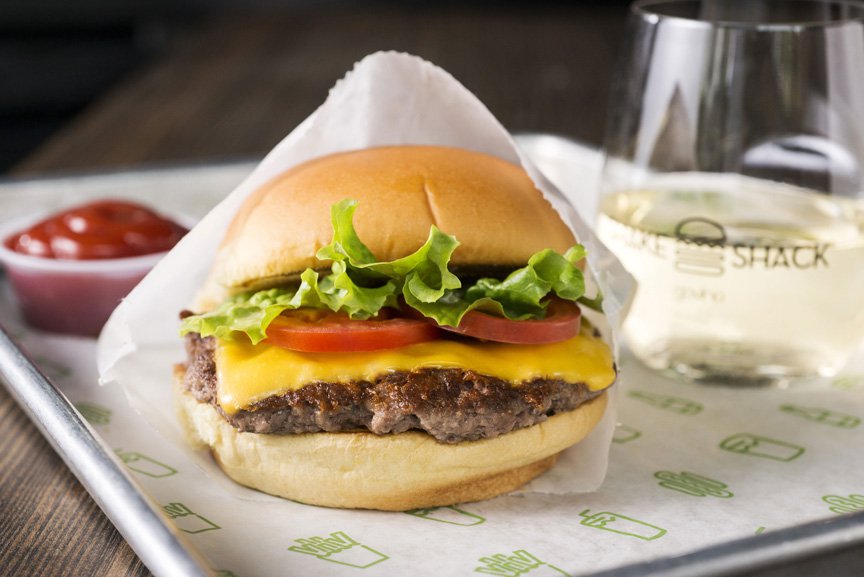
The city that inspired an extremely successful chain of restaurants is finally getting one of its own. After years of hope and speculation, it was announced today that Shake Shack will open its first restaurant in St. Louis sometime next year. The location: 32 N. Euclid, in the Central West End (the southeast corner of West Pine Boulevard and Euclid Avenue). Shake Shack will occupy a portion of the ground floor of the $32 million, five-story, mixed-use building being developed by the Koman Group.
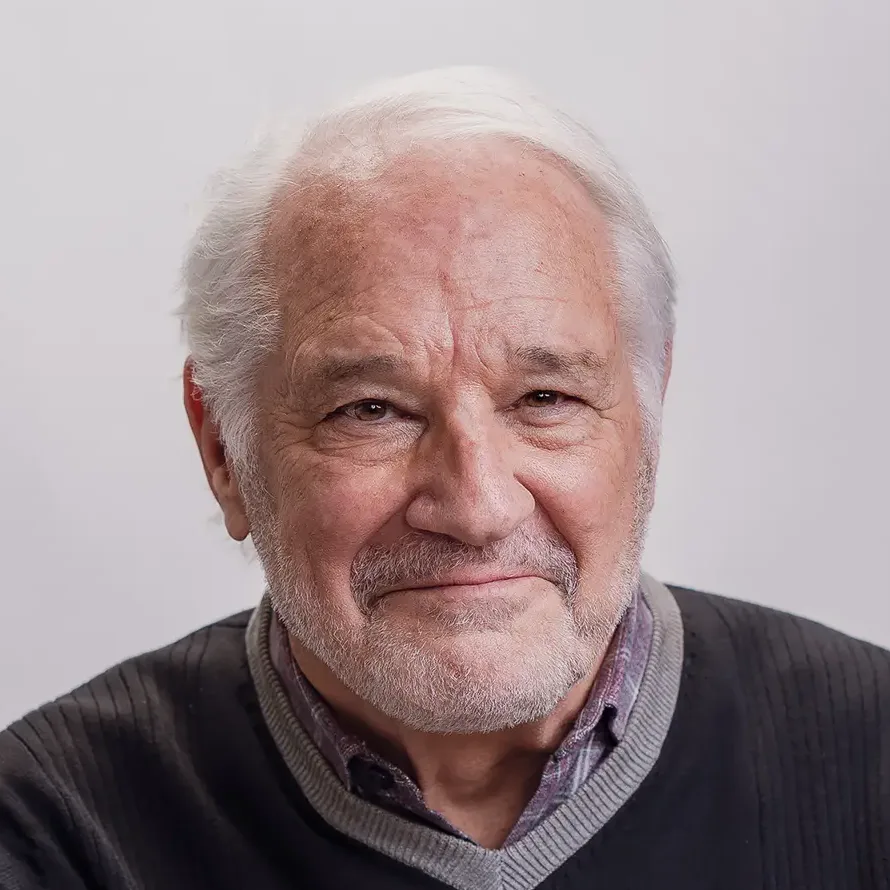
Shake Shack founder Danny Meyer, a former St. Louisan and CEO of Union Square Hospitality Group (USHG), said in a release he was “thrilled that Shake Shack has at last found a home in my hometown.” USHG owns and operates several of New York City’s most acclaimed restaurants, responsible for an unprecedented 25 James Beard Awards.
Find the best food in St. Louis
Subscribe to the St. Louis Dining In and Dining Out newsletters to stay up-to-date on the local restaurant and culinary scene.
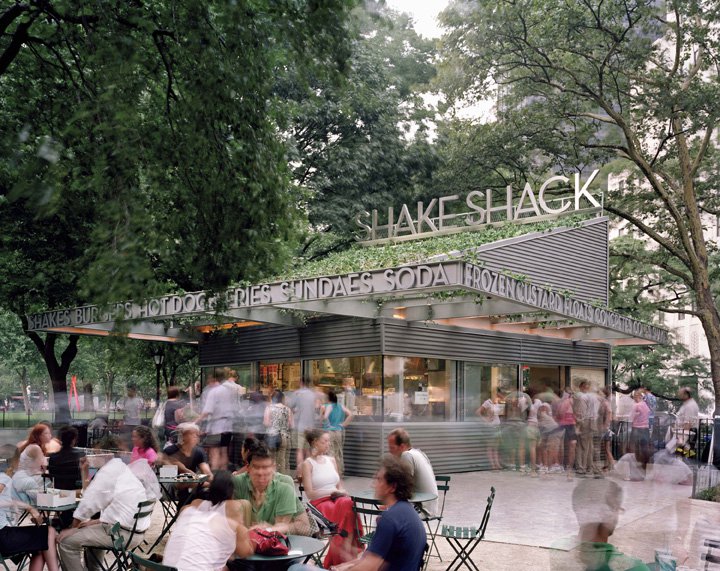
Inspired by the flat-grilled burgers, frozen custard concretes, and crinkle-cut fries of his St. Louis youth, Meyer started Shake Shack in 2004 inside a humble kiosk in New York City’s Madison Square Park. There are currently 49 Shake Shacks in the U.S. and 35 abroad. In 2016, the chain expects to open 14 units in the U.S. and up to eight internationally.
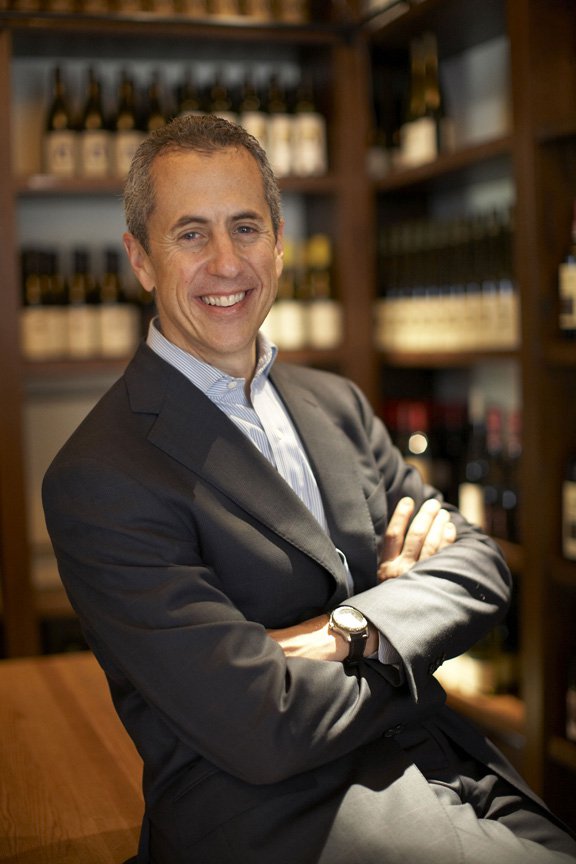
Both Meyer and his restaurants have become synonymous with the word “hospitality,” loosely interpreted as the art of making people feel important, a trait that Meyer believes is at least as crucial as an employee’s job skills. In 2006, he wrote a bestselling book on the subject, Setting the Table: The Transforming Power of Hospitality in Business, which has become a valuable tool for restaurant managers everywhere and required reading for Shake Shack employees. Meyer believes that hospitality is the secret ingredient that has the power to transform “a restaurant into a favorite restaurant.”
St. Louisans can put his theory to the test when Shake Shack opens in the CWE in 2017.
SLM recently caught up with him, just after rumors of a local Shake Shack hit fever pitch.
How long has Shake Shack been considering a location in St. Louis? A long time. The enthusiasm coming from St. Louis has been constant. I’ve heard from friends, relatives, people I went to high school with…and, of course, my mom.
So what took so long? Shake Shack didn’t start growing outside of New York until about five years ago. But then, once it did, every time it was announced that it was coming to another city, I would get swamped with emails, tweets, and phone calls asking me if I had something against my hometown. People don’t realize that it wasn’t until fall 2014 that we opened west of the Eastern time zone, in Chicago. Just over a year later, we’re coming to St. Louis. Chicago was a big test for us, and it did well—it did great. I think my own team got sick of me saying, “Can we go to St. Louis now?” The answer was, “Of course we can, and of course we will,” but we had to have that team in place, so the St. Louis store happened as fast as it could have. Long story short, I could not be happier; I’ve wanted this for a long time.
Many restaurants expand too quickly. Can you share about the expansion process at Shake Shack? We’re thoughtful about how it feels to work there, to dine there, to have the ability to source the right products. We’re very cautious about the process. The second store we opened, in New York, was five years after the first. Then, we weren’t sure if it would play outside of New York, but we went to Miami first, then to Washington D.C. Each time we opened one, we had to have the right management team and distribution process in place. Shake Shack is not something you just stamp out and hand over to someone else.
Why did you select the site in the CWE? When I left St. Louis and would return, the Central West End made me feel the most New York-y. Balaban’s could have been in New York; I just loved hanging out in that area. I’d go to Bissinger’s to get my molasses lollipops, Culpepper’s to get chicken wings, Straub’s to get a milkshake… My favorite restaurant growing up was The Tenderloin Room. It still has an urbane feel, and there’s tremendous density because of the hospital programs, the huge number of people who live there, and two universities nearby. I spent a huge amount of my childhood half a block away. My dad grew up right there in the building where I used to visit my grandparents, so it’s fair to say there’s a little nostalgia involved as well.
Were any other areas considered? We looked at other places, but where we ended up made the most sense. Our hope is that if Shack Shack works in a city, it could support at least two or three more. Shake Shack has an amazing career path built into it. We want employees of the first restaurant in a city to have a runway of growth ahead of them. Almost all of our GMs started off as hourly workers.
Shake Shack also believes in using local vendors. When we enter a new market, 20 percent of the menu involves local artisans. We use our burger and custard almost as a blank canvas for other people’s work. We’ve worked with pastry companies, sausage companies, coffee companies… We want each location to be able to say, that’s my Shake Shack. Developing that takes time. Our slogan at Shake Shake has always been “the bigger we get, the smaller we act.” And that’s worked for us so far.
Have you selected any of the local purveyors for St. Louis, or is it too early? Way too early. But I will tell you that we have an amazing culinary director named Mark Rosati. Since we come from a fine-dining background, he gets to know all of the great chefs in all of the great cities. I joke that if you follow his Instagram posts, you can get a six-week lead on where the next Shake Shack is going to be. Given the friendships with some fantastic people in St. Louis, we’ll definitely have some fun, but we don’t know the particulars just yet.
Will Shake Shack donate 5 percent of a particular concrete’s sales to a local charity, like it does in other cities? There’s a charitable partner in every location. That’s part of our culture. We do that for the community, but also to empower our staff to reach out to the community. It’s up to each general manager to decide which organization is making a difference. Our employees can even volunteer to help the charity, in addition to the dollars we might raise. That helps us attract better employees and become better citizens.
Shack Shack went from a privately held company to a public one just over a year ago. How has your role changed? I’m the chairman and founder, but not the CEO. Shake Shack is no longer part of Union Square Hospitality Group. The CEO of the company, whom I’ve worked with since 1998, now runs with all these balls and makes all these decisions. My job is to be the ultimate culture keeper.
Was the decision to go public difficult, like giving up a child? You asked that question the right way, because there’s a measure of sadness, but also a degree of hope, pride, and excitement. After all, why do we raise kids and start businesses, if not to see them become independent and maybe even to outshine their own parents? The hospitality culture at Shake Shack hasn’t changed. Employees are still given a copy of Setting the Table, so they know from whence they came, but now they operate completely independently of me.
St. Louis’ first Gus’s World Famous Fried Chicken franchise was so overwhelmed when it recently opened, the owners couldn’t even answer the phone for the first month. I’d like the same to be said for us. What you hope for is one thing, but what you get and what you earn is another. Just because I was born in St. Louis and grew up there—I’m still the biggest Cardinal fan that I know—is no reason to get a free pass.
That reminds me: Is it true that you’re buying the Cardinals? In my dreams. Let the DeWitts know that if they ever make that call, I’m picking up on the other end.