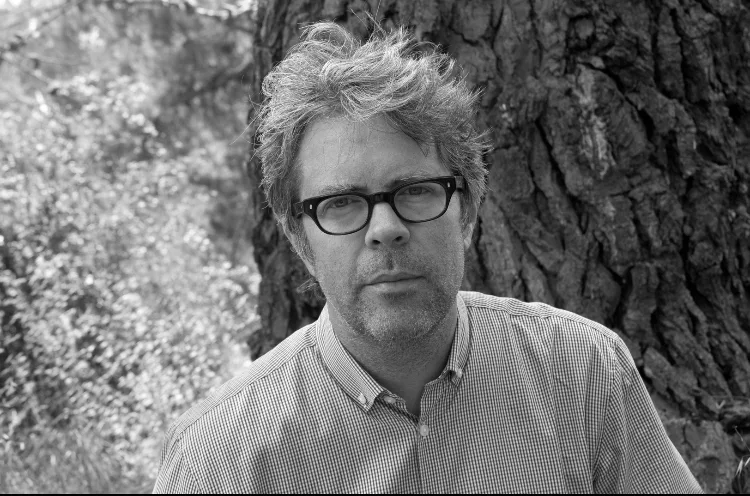
For help navigating the region’s can’t-miss arts experiences, you’d be hard-pressed to find a better guide than Cara Starke, executive director of the Pulitzer Arts Foundation. In surveying the arts scene, she provides a curator’s discernment, a former New Yorker’s eye, and a parent’s practicality.
“There is an outsized nature of the cultural community here relative to the scale of the population,” Starke says.
To get a sampling, Starke suggests heading a bit outside the city limits—and maybe a bit outside what you might consider artwork at all. “To me, it’s essential that people go to Cahokia,” Starke says. “It’s an extraordinary experience. It’s such a rich history and way to understand.”
Remains of a thriving Native American city that existed before European contact can be found at Cahokia Mounds State Historic Site in Collinsville, Illinois. At its height in the 11th and 12th centuries, it was more populated than London. Today visitors can view and climb massive earthwork mounds and visit the site’s website to explore a virtual Back to the City of the Sun tour. The interpretive center, which has exhibits that provide context to the Mississippians who lived here and display their artwork and artifacts, is currently undergoing a major renovation.
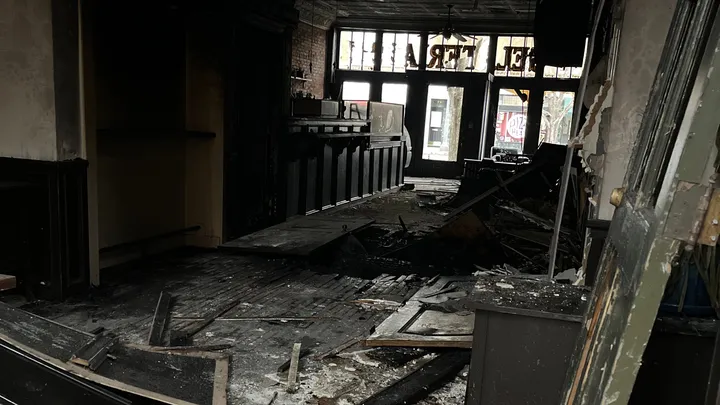
While in the Metro East, make another stop at the National Building Arts Center in Sauget, Illinois. In fall 2023, the Pulitzer hosted Urban Archeology, an exhibition that featured some of the finest examples from the center’s deep collection of salvaged architectural elements from the city and region, from bricks to gargoyles. “There’s an architectural lens through which you can read this city,” Starke says. “It is truly an extraordinarily rich way of understanding both the history and present-day St. Louis through what was built and what has been taken down.”
Starke praises St. Louis’ most famous structure—the Gateway Arch—as an important work of public art. “The physical experience of it is one of the most extraordinary works of public sculpture, and somehow we look past it. Actually experiencing it is truly an example of artwork,” she says. The world’s tallest arch was designed by Finnish-American architect Eero Saarinen in 1947 and completed 20 years later. It has been a gleaming symbol of the city ever since.
Next, head to the nearby, category-defying City Museum, which Starke calls “an artist-designed architectural playground.” In 1997, the late sculptor Bob Cassilly transformed the former International Shoe Factory into a fevered dreamscape of nooks, crannies, giant slides, a rooftop Ferris wheel, and almost innumerable other phantasms. Once you get an eye for them, you’ll spot Cassilly’s sculptures all over the city, including at Rootwad Park and Turtle Playground.
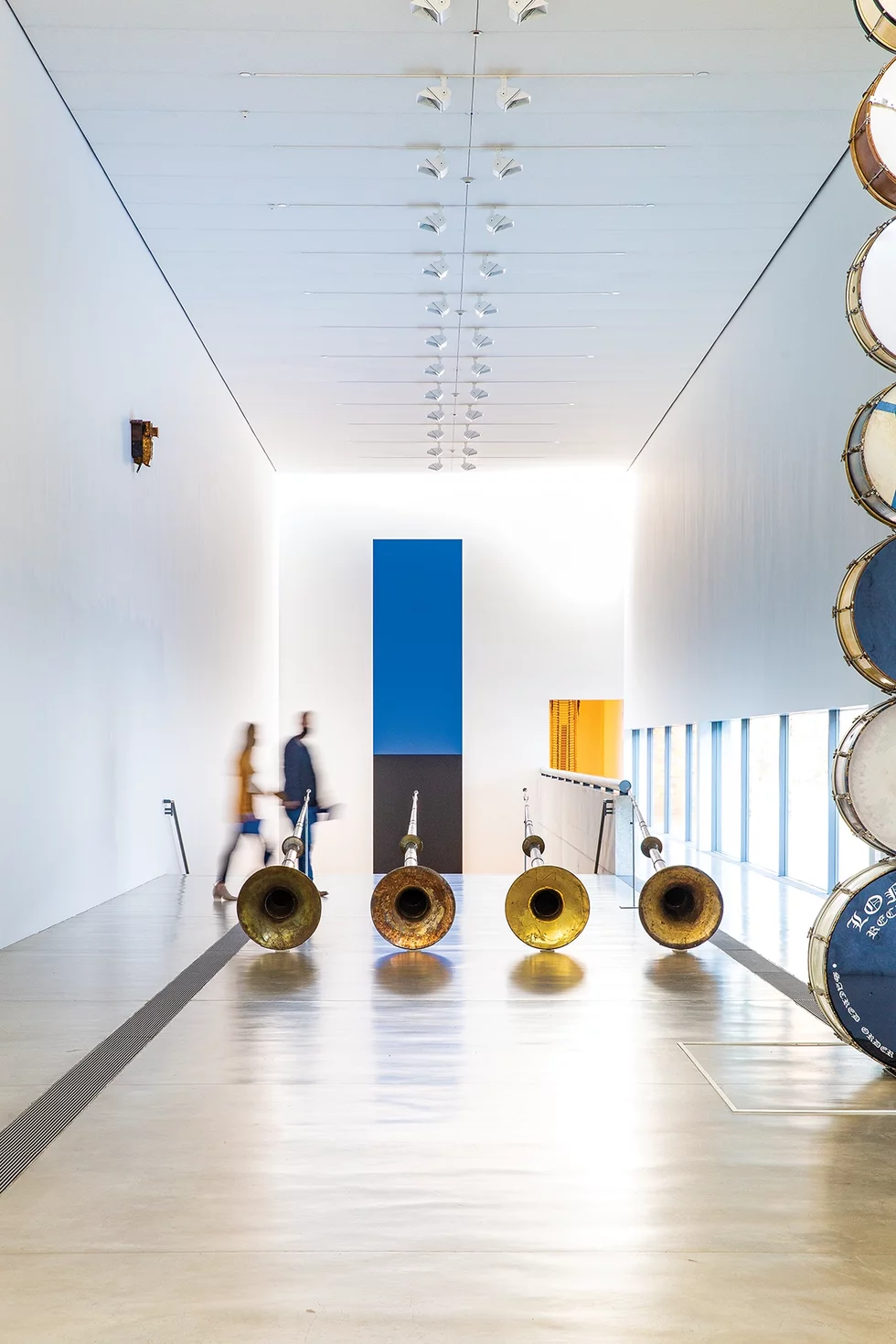
In the heart of the city, a constellation of major art museums provides a vast range of visual arts. “The Pulitzer is there for this interesting space that we try to carve out—we are both contemporary and historic. We’re about art and architecture, and also part of the neighborhood,” Starke says. The museum sits in a striking Tadao Ando–designed building and hosts exhibitions and community events. “Right next door to us is the Contemporary Art Museum, and that’s presenting your emerging artists and the cutting edge,” she says. CAM hosts the Great Rivers Biennial, which showcases work from local artists.
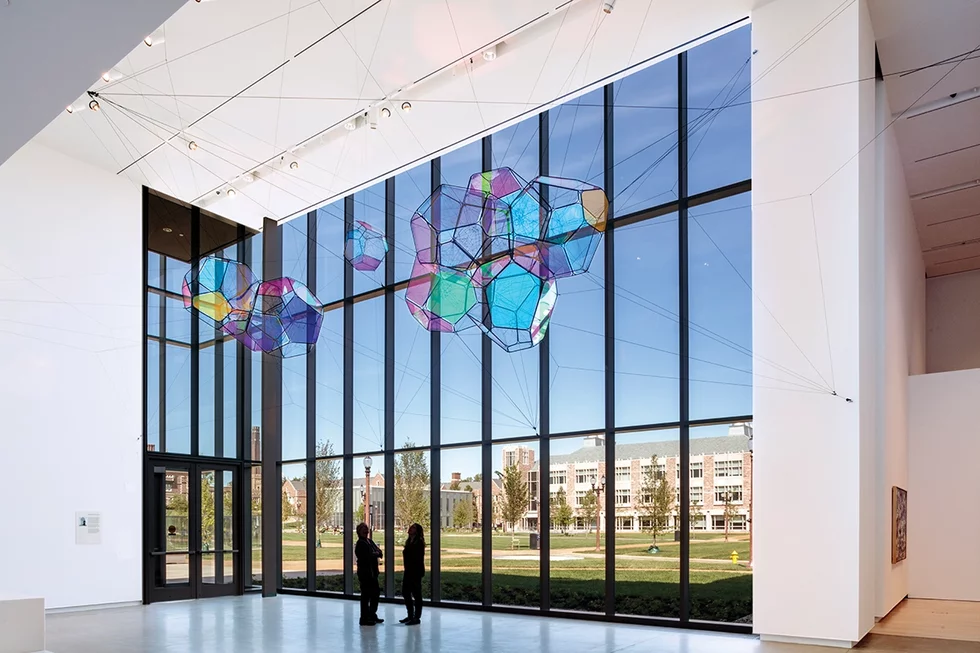
“The Mildred Lane Kemper Art Museum has an interesting mix that’s more of an academic institution and certainly tied to [Washington University in St. Louis],” Starke says. The Kemper’s recently expanded and renovated space on the university’s campus marries scholarship with a world-class collection of modern and contemporary art. And nearby, the city’s largest and perhaps best-known museum sits resplendent on a hilltop in Forest Park, the encyclopedic Saint Louis Art Museum. You’d need days to get even a cursory view of all it has to offer. Happily, all four of the museums are free to visit.
Farther west is Laumeier Sculpture Park, which Starke calls “a real treasure.” The outdoor sculpture garden features more than 60 outdoor works. “It’s got something for everyone. I like to see art, and my kids are happy to run around the sculptures. There’s some really charming places where you can go off the main paths.”
If you’re looking for smaller, more artist-run spaces, Starke has plenty of favorites. Head to Cherokee Street to visit The Luminary, Monaco, and Fifteen Windows Gallery. In Midtown, Dragon Crab and Turtle is worth a visit. That’s not to mention the everyday places where Starke finds beauty, including the metro area’s parks, coffee shops, boutiques, and more.
From Cahokia to Cherokee Street, Starke notes, “the arts have been a major part of this community for many generations.”