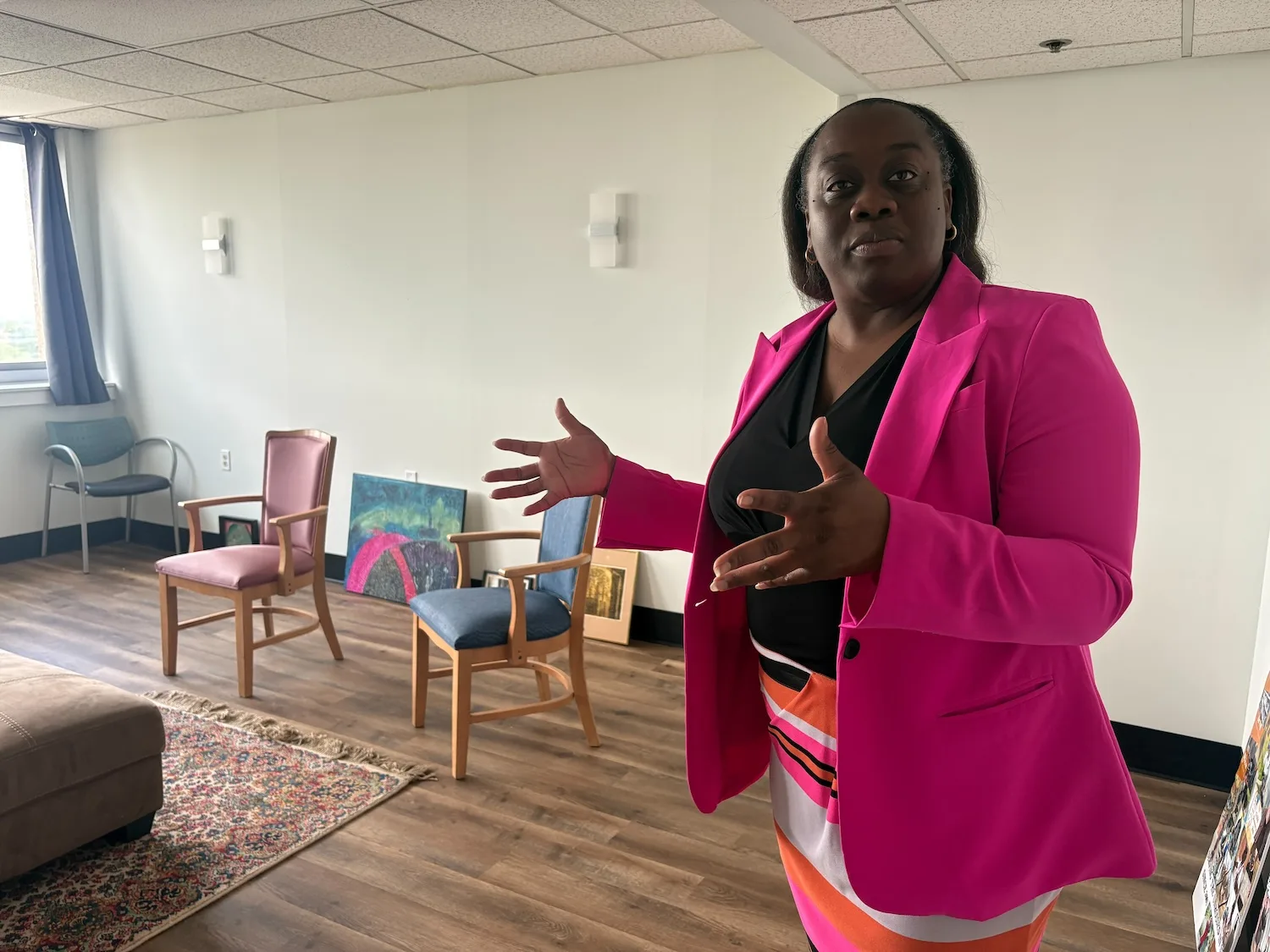
Three Steps Home wants to be an entity that unhoused people can trust. Sitting in a niche somewhere between a hospital and a homeless shelter, the organization aims to help people without stable shelter address their ongoing medical needs—and then maybe get help for other needs as well.
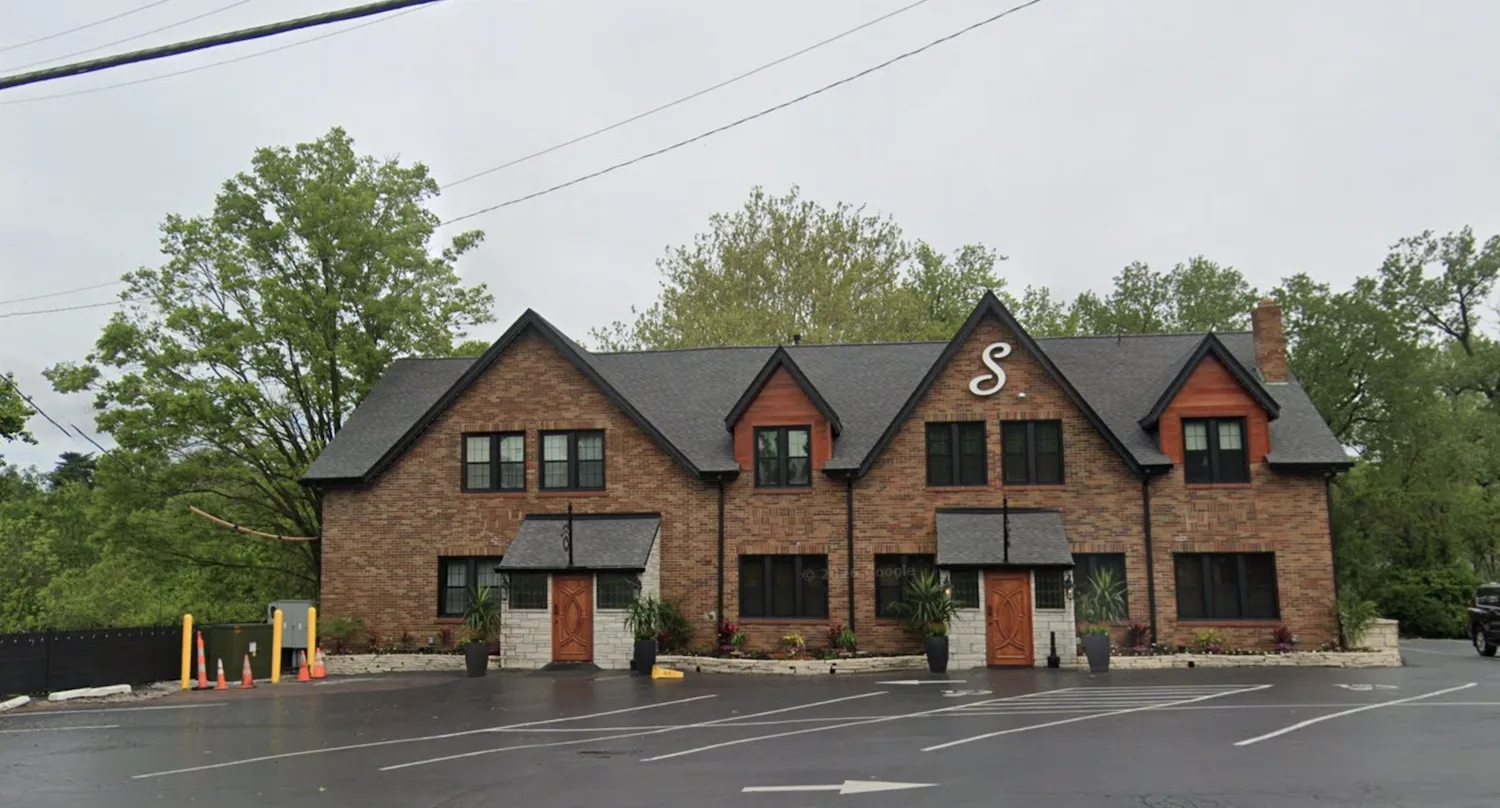
The organization welcomed its first patient last week to the top floor of Peter and Paul Community Services’ Community Campus at 3225 N. Florissant Avenue. The facility offers “medical respite care,” a relatively new concept that allows unhoused people to recuperate from medical treatment that might not warrant a hospital stay, but requires more care than they can get living on the street or in a shelter—for example, wounds that need continued dressing, or post-operation medication.
Get a fresh take on the day’s top news
Subscribe to the St. Louis Daily newsletter for a smart, succinct guide to local news from award-winning journalists Sarah Fenske and Ryan Krull.
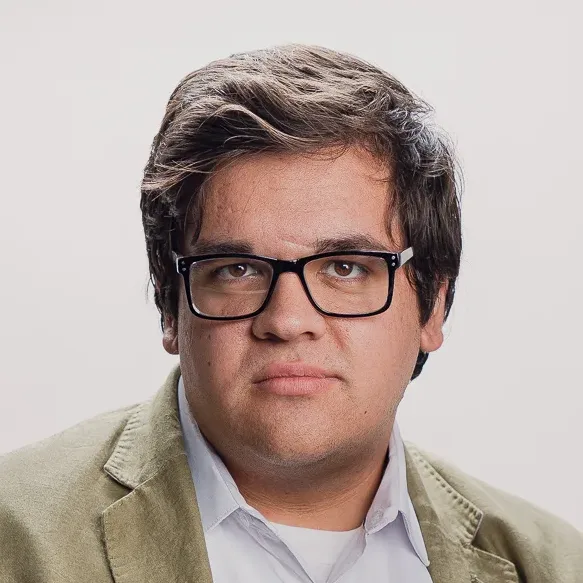
“Every person is not eligible for a nursing home; every shelter, unfortunately, cannot take sick individuals who still need medical care, because they’re not equipped for it,” says Three Steps Home CEO Sonia Deal, a seasoned nurse and former captain with the U.S. Army Reserves. “Our board and our previous [executive director] looked around, could not find an entity such as what we’ve built, and had to look outside of Missouri to find it, because Missouri just did not have it, and found that … this is what people are calling medical respite.”
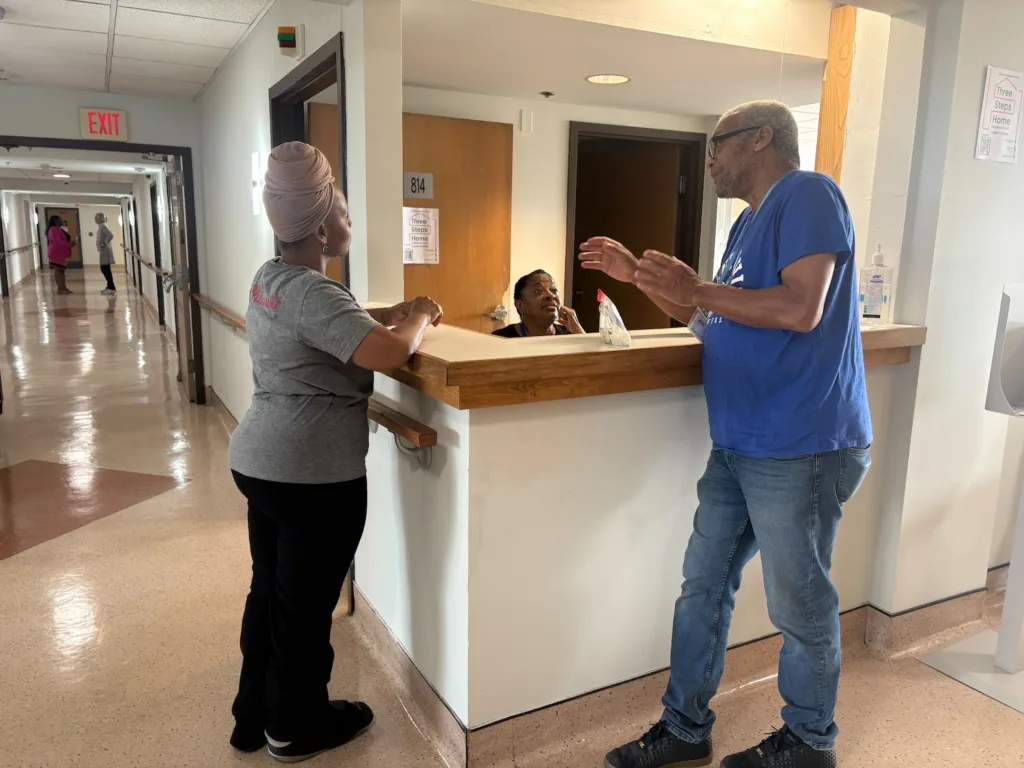
The Three Steps Home facility can take people being directly discharged from the hospital. It’s equipped with 31 beds (including an isolation room for people with transmissible diseases) and aims to put patients on a path towards sustainable, healthy living during stays of 30 to 60 days. It can also take people from local clinics, urgent cares, or insurers. A nurse will be on duty to help people with medical needs 24/7, providing constant access to medical oversight while people heal. The organization is fully staffed as of last week.
Backers say there is definitely a need.
“We can fill to our comfort level immediately, is my sense, based on the feedback we’ve had,” says Pete Woods, a partner at the Haar Woods law firm and the board president for Three Steps Home. Woods says he’s heard from doctors and nurses that improperly treated medical issues can create a “self-perpetuating problem,” sending people back to providers after recently being treated for the same issue. “They’re right back at urgent care or the emergency room because their needs aren’t being met effectively,” he says.
To illustrate the demand, Woods gives the example of a vascular surgeon he met at the grand opening for Three Steps Home, who told him about an unhoused person who had to have their leg amputated. That person was discharged, only to soon return with an infection. “Now they’ve got to cut off more of the leg,” Woods relates.
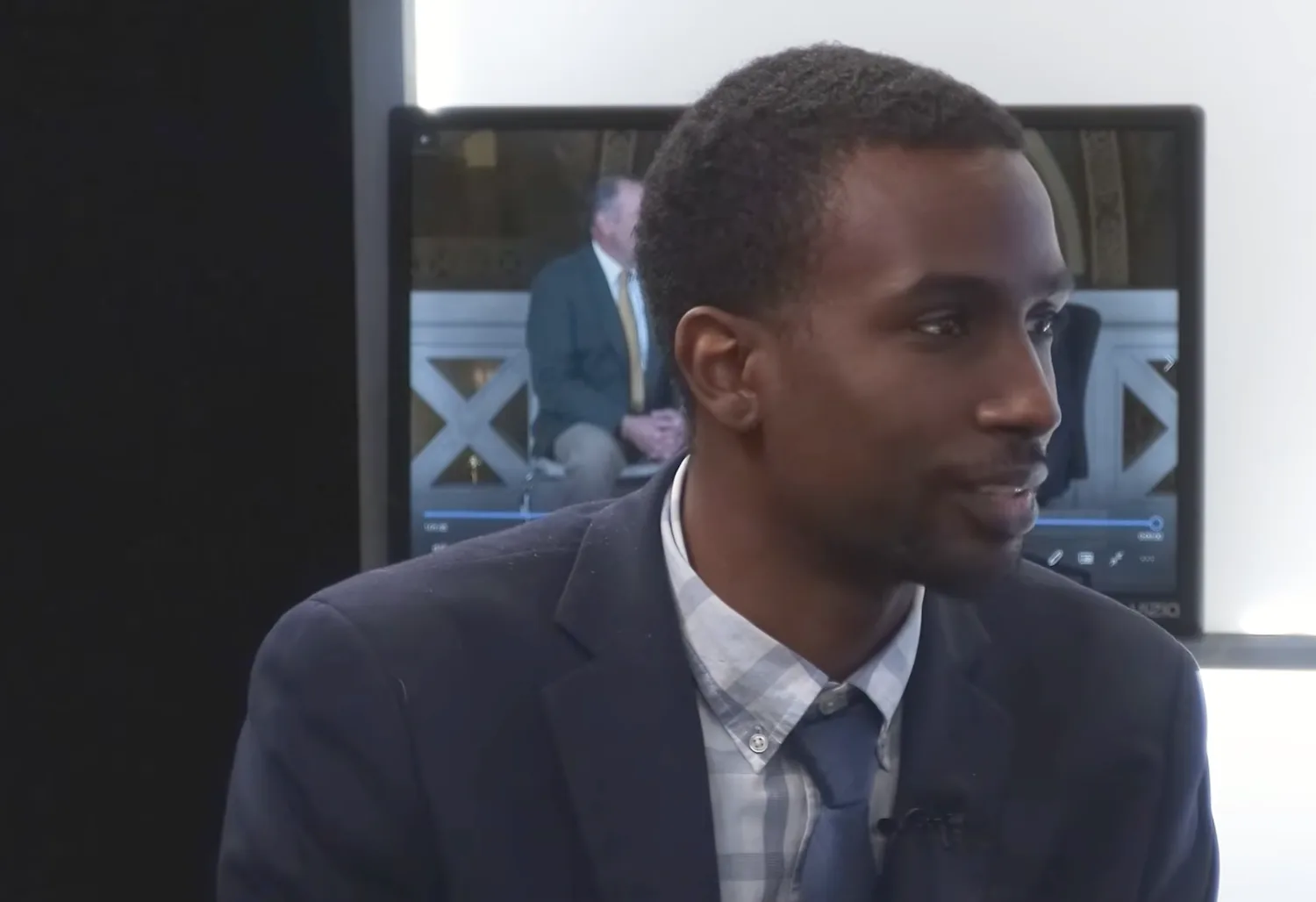
“Just being at the mercy of the elements makes it a lot harder for folks to heal from whatever it is that they are healing from,” says Julia Dobbins, the director of medical respite care for National Health Care for the Homeless Council. “Also not having access to consistent and good nutrition, clean water, and bathrooms, that also just creates more and more challenges.”
But Three Steps Home, and other medical respite facilities Dobbins works with, don’t just provide medical care. Case management is a key component. Teaching people more about how they can understand their medical needs is important, as are other skills. Deal says they’ll roll out programs from financial planning to chronic disease management.
Dobbins says that’s a crucial part of how these facilities should operate.
“If you’re going to be here for 30 days, why don’t we also start working on some of the other social services? Let’s start talking about housing, let’s start talking about mental health, behavioral health resources,” she says. “Let’s start talking about reconnecting, maybe, with some folks that you’ve lost relationships with, and really figuring out how to get folks to discharge to a more stable place once they are out of that medical crisis.”
Dobbins’ organization sets standards for medical respite care facilities nationwide, and the Council also runs a database of accredited organizations that do the work. There are none in Missouri, although Dobbins says they’ve worked with HavenHouse St. Louis, which calls itself a “hospital guest house.”
Go Deeper: Compounding crises are coming for some of the poorest people needing health care. Dobbins is concerned that cuts to Medicaid—and new work requirements for recipients—will send many plunging into debt. That, along with the federal scale-back on grant funding for those programs, could exacerbate an already growing national trend of people being forced into homelessness, she says.
“What’s on our minds is: Health care impacts people’s housing, like a healthcare crisis can lead to somebody becoming homeless,” she says. “So, our concern is that homelessness is just going to increase over the next few years. The cost of living is so expensive, housing is so expensive. If people don’t have consistent access to health care, that can impact their housing status.”
Those factors are also ramping up pressure on hospitals to bear more costs. Unhoused people can require more comprehensive care than sheltered people, per a report from the Nest Community Shelter. They need to visit the hospital five times a year on average, often for longer terms than their counterparts with housing. This can lead to tens of thousands of dollars in annual medical costs, putting a financial burden on unhoused people and hospitals.
“People experiencing homelessness are over four times more likely to end up in an emergency room …and these visits cost the healthcare system 4.7 times more than that for the members of the general population,” WashU reported in 2024.
Three Steps Home springs from a nonprofit previously called Bridge of Hope Ministries, which spun out of a church doing charity work in The Ville. So far, philanthropy and grants have backstopped the launch. However, many medical respite facilities are paid for by hospital partnerships, an acknowledgement that such care can free up hospital beds, and provide a less expensive solution than what it would cost for a hospital to help someone recuperate.
“It is cheaper than keeping somebody in the hospital for additional days,” Dobbins says. “Hospitals and medical respite programs have the same shared goal here, which is getting people out of the hospital who no longer need hospital-level care.”
Woods says Three Steps Home has had a “very promising meeting” with a hospital he declined to name and is in discussions with two others.
What’s Next: Long term, service providers see the health woes of unhoused people, and the unpaid costs, as an argument for long-term and permanent supportive housing options. But places like Three Steps Home can stand in the gap when people have immediate needs.
“Medical respite doesn’t end homelessness in itself, it is a disruptor of the cycle of homelessness,” Dobbins says. “That’s the goal, is for people not to continue to cycle in and out of the hospital, but for folks to sort of find a place to rest, and then get connected to all of these different resources.”