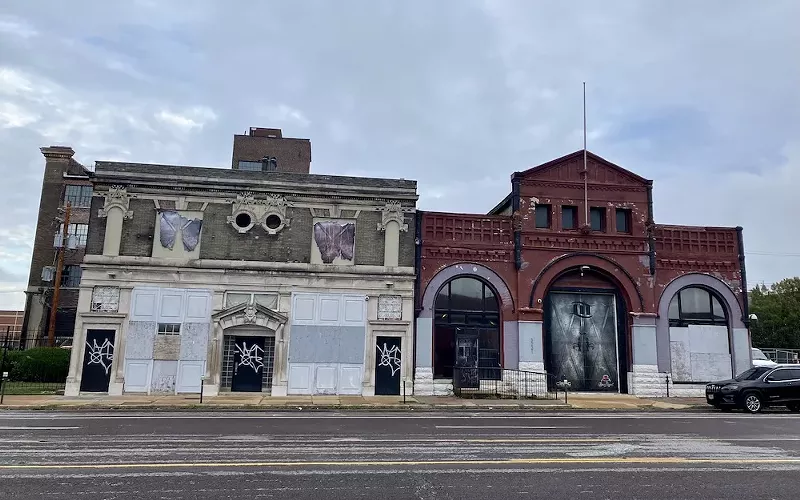
Two Midtown buildings that nearly fell prey to the wrecking ball will see new life as early as this fall—when they’re slated to reopen after years of vacancy as The Key – Burger Bar & Boogie.
The Key will combine a fast-casual restaurant, a sports bar, and an adjacent music venue offering party and dance bands, as well as line and salsa dancing. While it’s still early, possible menu items include smashburgers and specialty toasted ravioli, along with cocktails and craft beer.
Get a fresh take on the day’s top news
Subscribe to the St. Louis Daily newsletter for a smart, succinct guide to local news from award-winning journalists Sarah Fenske and Ryan Krull.
The new concept comes from the Kranzberg Arts Foundation, which has taken the lead in redeveloping much of Grand Center and Midtown. Not surprisingly, in light of its work commissioning two dozen murals nearby in a project it calls The Walls Off Washington, the organization plans to offer a contemporary art and mural program “in and around the building.”
“We are thrilled to have saved these historic buildings from demolition and to bring them to life once again in the form of a neighborhood burger and sports bar with a high-quality fast-casual menu, combined with a venue for local dance bands and multicultural dancing and events,” executive director Chris Hansen says. “The Key is part of KAF’s overall strategic plan for the Grand Center East area and will serve as a gateway into Grand Center through the Wall Off Washington mural program.”
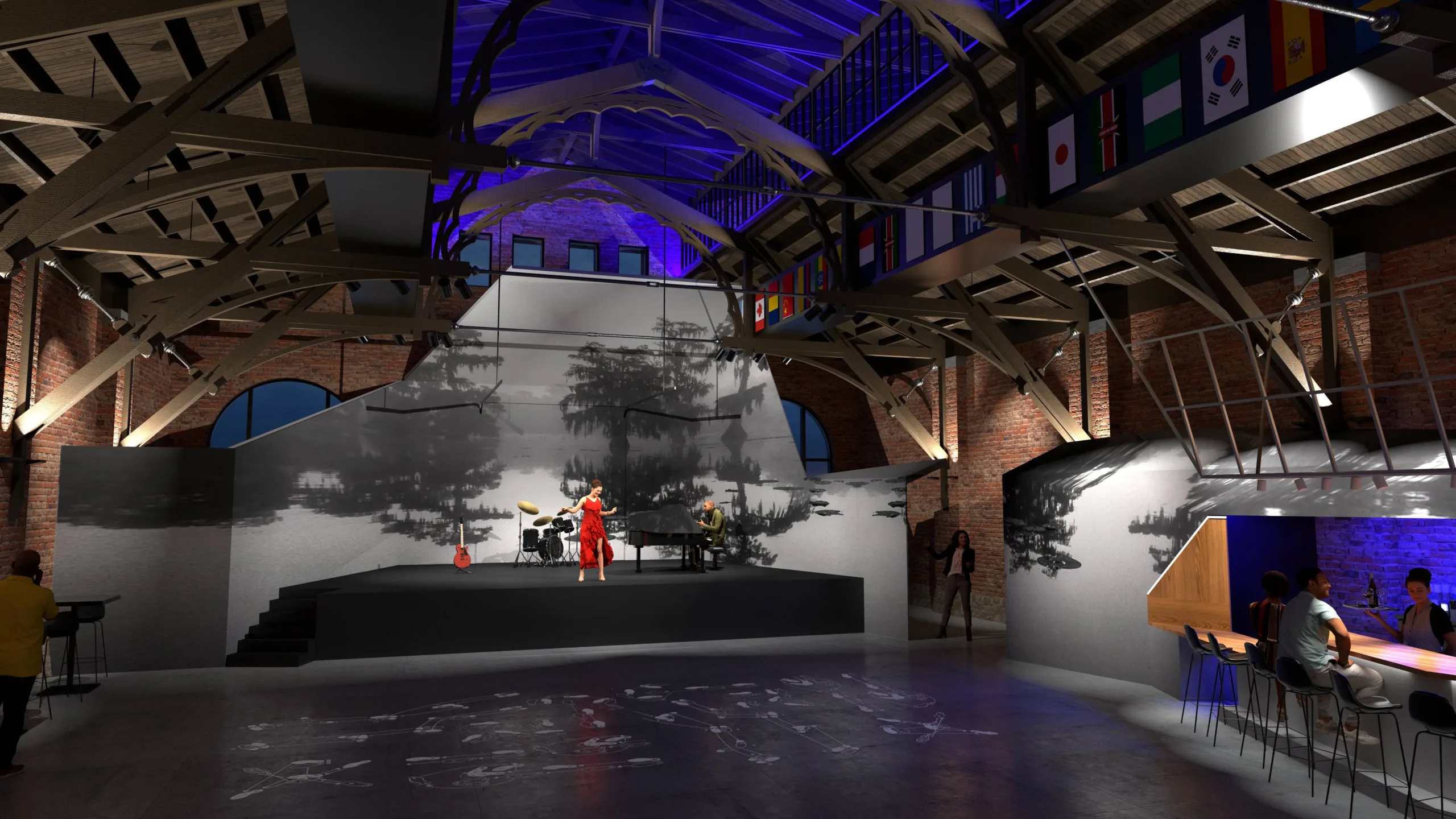
The buildings are at 3221 and 3223 Olive Street, just south of Compton Avenue. Most recently, 3221 was Lit Nightclub, which closed in 2015. Before that, the space held Dante’s, Seven, and The Firehouse.
At some point, they were acquired by Saint Louis University, which sought demolition permits in September 2023. That galvanized historic preservationists, who noted not only the university’s penchant for seeing demolition as “routine hedge-pruning and housekeeping” (in the words of one press release), but also the fact that the buildings were on the edge of Mill Creek Valley, the historically Black community that the city destroyed in the name of urban renewal beginning in 1959. As St. Louis was finally beginning to reckon with what it had destroyed and commemorate the long-buried history, why raze two of the only remnants of that time?
Author Vivian Gibson, whose memoir The Last Children of Mill Creek single-handedly returned the neighborhood to widespread public consciousness, became a prominent voice for the buildings’ preservation. As Gibson told the Riverfront Times that fall, “They missed the footprint by a hair, but it really is Mill Creek. It’s absolutely within the footprint of where Black people lived in St. Louis in the first half of this century, which went all the way over to Franklin.” In February 2024, the Kranzberg Arts Foundation announced that, working with the Landmarks Association of St. Louis, it had forged an agreement to purchase, and save, both buildings.
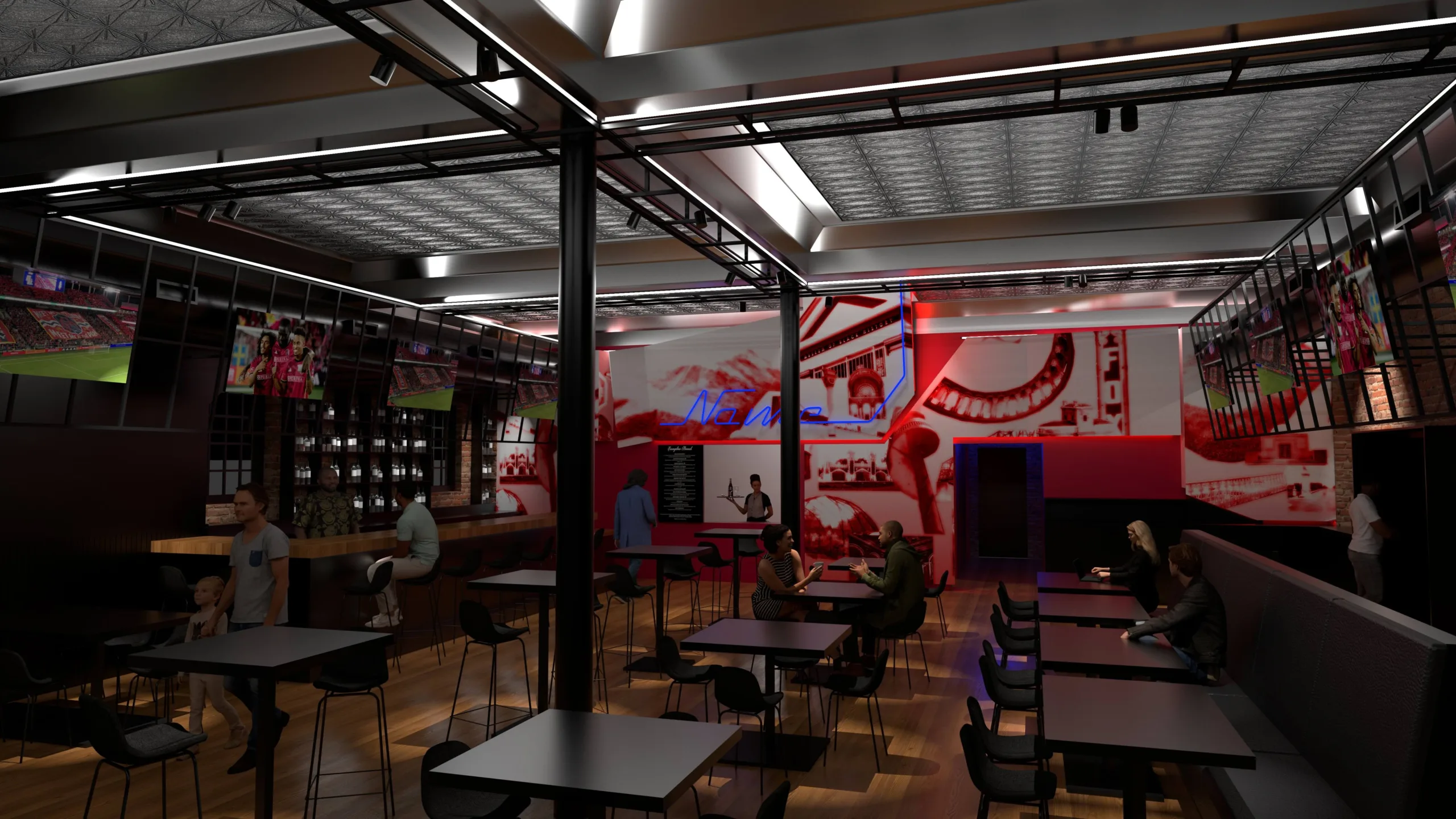
In some ways, the nonprofit organization’s new plans pay tribute to the original space. As the Landmarks Association has stressed, the building at 3219 Olive is one of the last remaining buildings linked to legendary Gilded Age restaurateur Tony Faust. His namesake restaurant and oyster house was a landmark before its demolition in 1933. His building on Olive, Faust’s Fulton Market, opened in 1890 and was part of a two-store chain offering “imported marzipan, spice cookies, ginger bread, goose breasts and livers, sausages, caviar, herring as well as fresh oysters, lobster, fish, and clams,” as the association’s executive director, Andrew Weil, wrote in 2018.