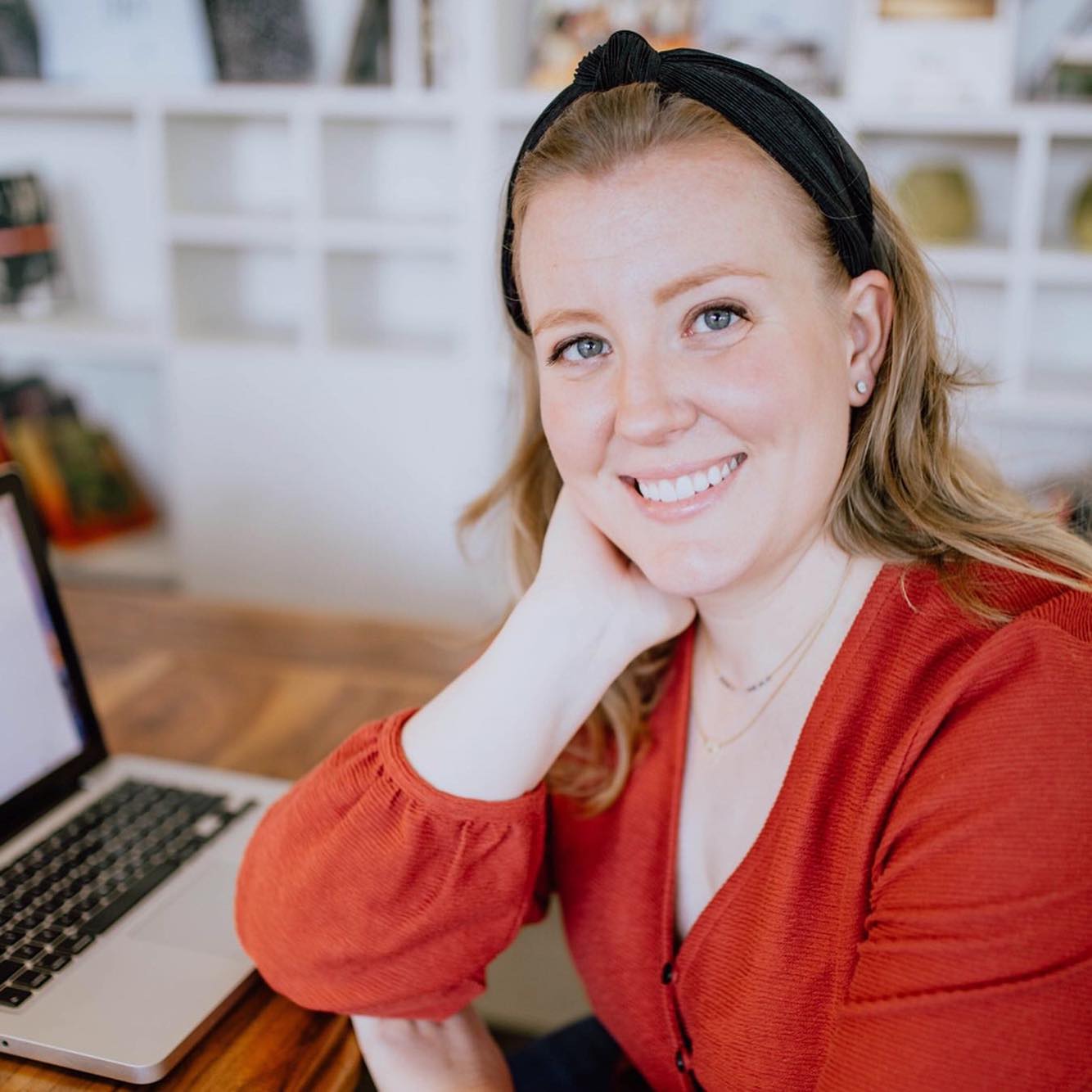
Liliya Joseph thinks about time in two distinct segments: before Russia attacked Ukraine and after. “It’s stressful to wake up every day and see that there’s more bad news,” she says. “I’m horrified. I’m completely disturbed. We—me, my family, and my Russian-speaking community—are against it.” It’s difficult to focus since the war began, Joseph says. She feels like she’s constantly on her phone reading the latest reports.
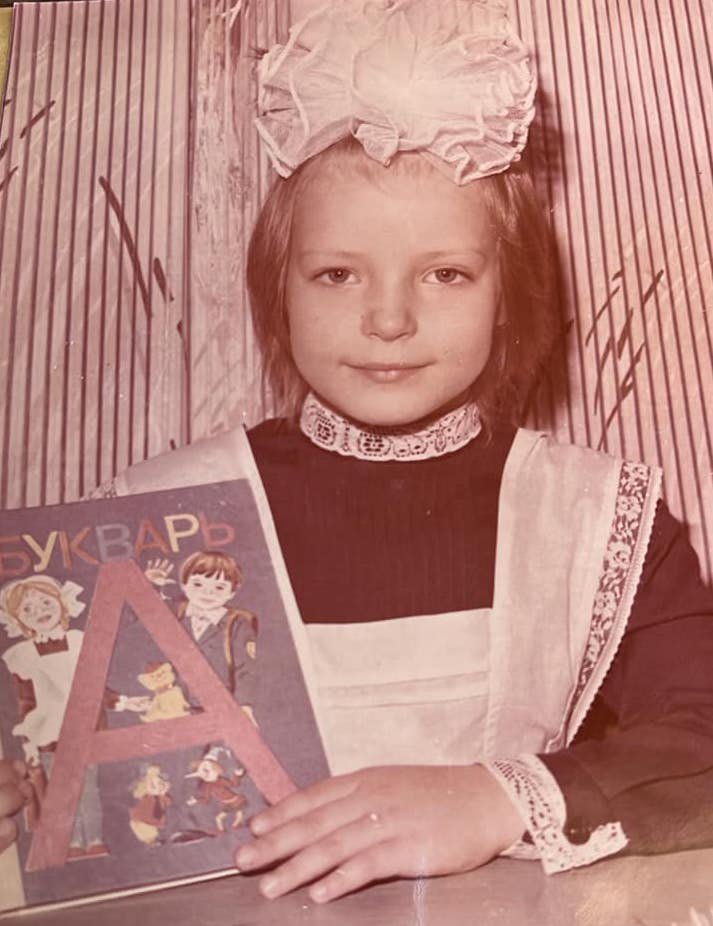
Joseph is from Kaliningrad, an enclave of Russia that is located about 300 miles to the west of the country. Kaliningrad, which is surrounded by Poland, Lithuania, and the Baltic Sea, shares no borders with Russia. Joseph grew up in a military family and moved around—to Kazakhstan, Latvia, and Ukraine—as a child. When the Berlin Wall fell in 1989, her family was living on a military base in Bernau, Germany. She spent 1st grade in Ukraine, where her grandfather is from. Her childhood was happy. The family didn’t have much money, but living abroad ignited a passion for experiencing different places and cultures and meeting new people.
Get a fresh take on the day’s top news
Subscribe to the St. Louis Daily newsletter for a smart, succinct guide to local news from award-winning journalists Sarah Fenske and Ryan Krull.
It was that desire for adventure that motivated Joseph to move to the United States in 2006, at the age of 20, as an exchange student. Her journey started in Branson. She held down two jobs—one at a restaurant and one in housekeeping—earning minimum wage the summer after her arrival, and walked to work because she couldn’t yet drive. She lived in a Super 8 motel room with four other exchange students to save money. Although it was a challenging time, she liked the U.S., which she says felt like a place where she could be herself. Before settling in St. Louis with her husband, Joseph moved to Chicago’s Ukrainian Village neighborhood and made friends there. She spent holidays with them. They were close.
When Russia launched its attack in late February, Joseph was at a work conference, chatting with another attendee. The woman asked her: “Have you heard the news? The Russians invaded Ukraine.” Joseph was shocked. “I said to her, ‘Actually, I’m Russian.’ She looked at me weirdly,” she says. “I don’t think she had any hate, but she realized how awkward this whole situation is. It’s not two Americans chatting about current events. It’s really close to my heart.”
Joseph reached out to her Ukrainian friends to let them know that she supports them and to ask if she can help in any way. What’s hardest for her is watching them worry about their family, safety, and country.
Also difficult is that she doesn’t know the next time she’ll be able to see her mother, who still lives in Russia. Her mom has a visa that would allow her to visit the United States—she traveled here twice last year, staying a month each time—but the logistics are more complicated now.
Because she’s lived in the United States for more than 15 years, Joseph isn’t worried about being bullied. “Even if I got some hate speech from Ukrainians, I would totally understand that,” she says. But she is worried for her two young children. “I want them to be proud, but it’s hard to be proud right now,” she says.
“Growing up, like Americans, we were told that we’re the best nation in the world,” she continues. “We’re the smartest. We won World War II. We freed the world from the Nazis. We have the best literature, music, ballet, theater, architecture. We occupy one-sixth of the world’s landmass. Our territory, our geography, our culture, our language—we’re so proud of it. We’re an empire. But when I moved to the U.S., I realized, everyone is important. It’s not about being the best. It’s recognizing all our differences, respecting them, and learning how to live peacefully with each other.”
Talking to Joseph, one also gets the sense that she’s mourning the country she left. Today’s Russia is not the place she grew up in, she says. Since moving to the United States, starting her career, and raising a family, it’s been hard to find time to travel to Russia as often as she would like, but she did take her older child once. Joseph remembers the warm, fuzzy feeling she got once they arrived.
“I don’t have a family home because we moved a lot, but just drinking tea with your mom, or sharing dinner, or introducing your kid to your culture,” she says before pausing. “You have to share the things you can.”
In that same spirit, Joseph wants to share this message with her Russian-speaking community: “I ask you to be critical of what news sources you get your information from and what is the agenda behind them,” she says. “The information war is real and effective. I strongly urge you to reach out to fellow Ukrainians and their families to get a real sense of events.”