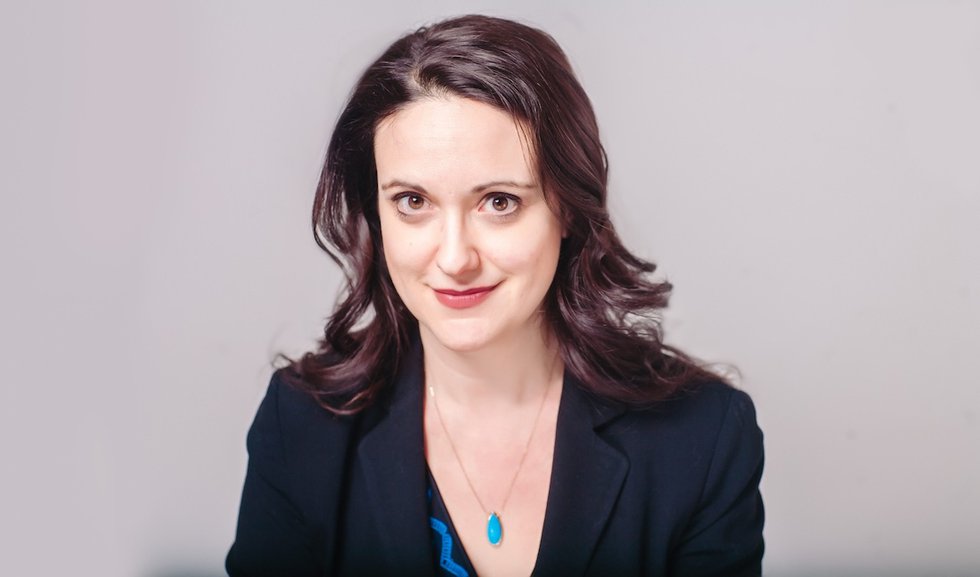
Elizabeth Chiarello started talking to pharmacists about reproductive rights. An associate professor of sociology at Saint Louis University, she wanted to know why some were refusing to dispense emergency contraception—and, in 2009, began conducting interviews exploring that question.
But the pharmacists she spoke with kept bringing up a different issue: opioids. The overprescription of pain medication was wreaking havoc in many communities, but not yet a major national focus. The stories the pharmacists told—about trying to do the right thing in a maelstrom of profit, pain, and substance abuse—led to interviews with two other groups grappling with the problem in different ways: law enforcement and physicians.
Get a fresh take on the day’s top news
Subscribe to the St. Louis Daily newsletter for a smart, succinct guide to local news from award-winning journalists Sarah Fenske and Ryan Krull.
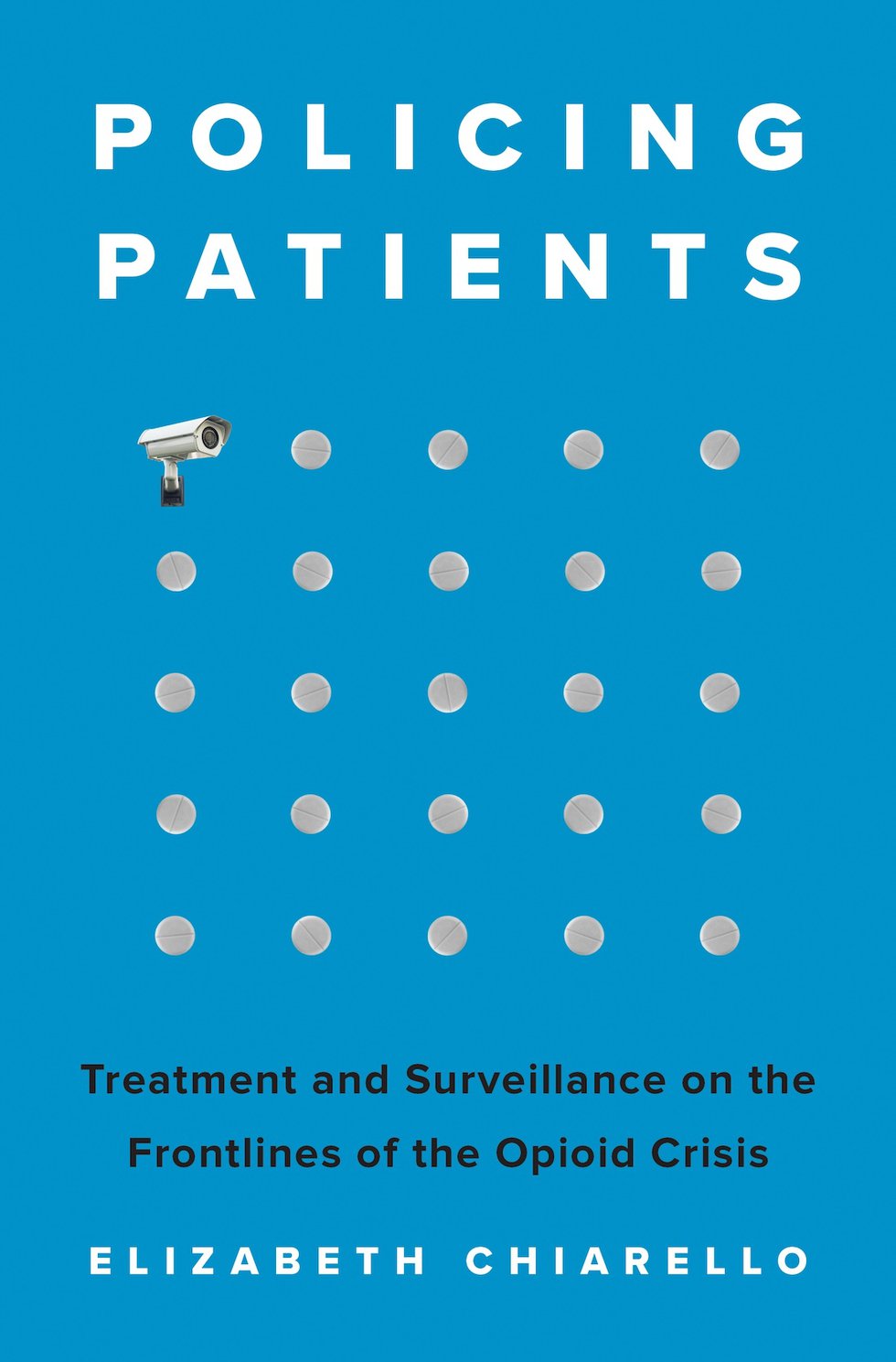
The three groups’ attempts to respond to the situation, chronicled over the course of 337 interviews, form the heart of Chiarello’s gripping new book, Policing Patients: Treatment and Surveillance on the Frontlines of the Opioid Crisis. It explains how the nation fell into crisis (no, it wasn’t just Purdue Pharma and Oxycontin), how the overcorrection that followed harmed vulnerable people, and what must happen next.
As Chiarello puts it, to tell the story of the opioid crisis, you have to begin long before Oxycontin. “If you start the story with Purdue Pharma, what you miss is the whole story of really the last 100 years of drug policy, where the pendulum has swung between the criminalization of addiction and the medicalization of addiction. And you miss the story about patients in pain.”
Asking Why: Hundreds of thousands of people have died from opioid overdoses, and in the years after physicians began cracking down on patients seeking the pills, hundreds of thousands more have died from fentanyl overdoses. Chiarello doesn’t flinch from the complexities of the story she tells. “I never thought it was a manageable subject,” she says of her 15-year research odyssey. “I always thought it was an interesting subject. The best research is really drawn by curiosity about the problem. I want our institutions to work, I want healthcare to treat, and I want prisons to rehabilitate, and when they don’t do those things, I want to know why.”
Tech’s Influence: As medical providers struggled to atone for the mistakes that led to opioids becoming ubiquitous, they increasingly began to rely on a new digital tool to track patients. Electronic prescription drug monitoring programs, or PDMPs, have existed since 1939, but really took off during the early years of Chiarello’s research. Pharmacists love them, because they help provide guidance in a stressful, fast-moving industry. Some physicians love them, too. But Chiarello is skeptical, calling the programs “Trojan horse technologies” that “usher enforcement logics into healthcare.” She says, “My concern is that using a law enforcement surveillance system to cut people off of care leaves them with nowhere to go, and we know where they go. They go to the street.”
A Sociologist’s View: “I’m trained to think about power,” Chiarello explains. “And so I thought, ‘Well, who has the power when these groups are working together? Who’s co-opting whom? And who’s going to get to shape how we ultimately address this problem?’”
But while law enforcement tactics are winning the day, she resists the idea that they’ve won the war. “Nobody is winning in this crisis. And that, to me, is the absolutely devastating part of it all. We have pitted people with substance use disorders against people in pain, these two incredibly vulnerable groups, and prescribing too many opioids hasn’t helped either of those groups. Not prescribing enough opioids has not helped either of those groups, either. Which tells us something very clear, which is that prescribing opioids or not prescribing them is not the issue. This is a much bigger social problem.”
What’s Next: Chiarello and I will discuss her book at Left Bank Books (399 N. Euclid Ave.) tonight from 7 to 8:30 p.m. No purchase is necessary to attend.