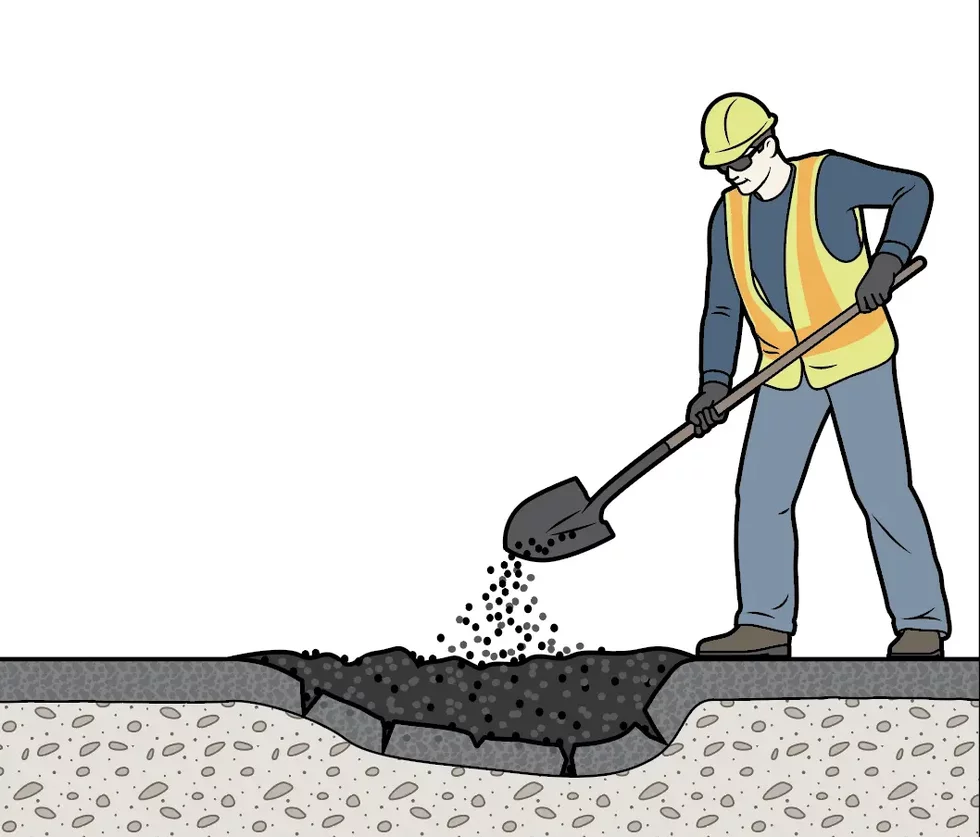
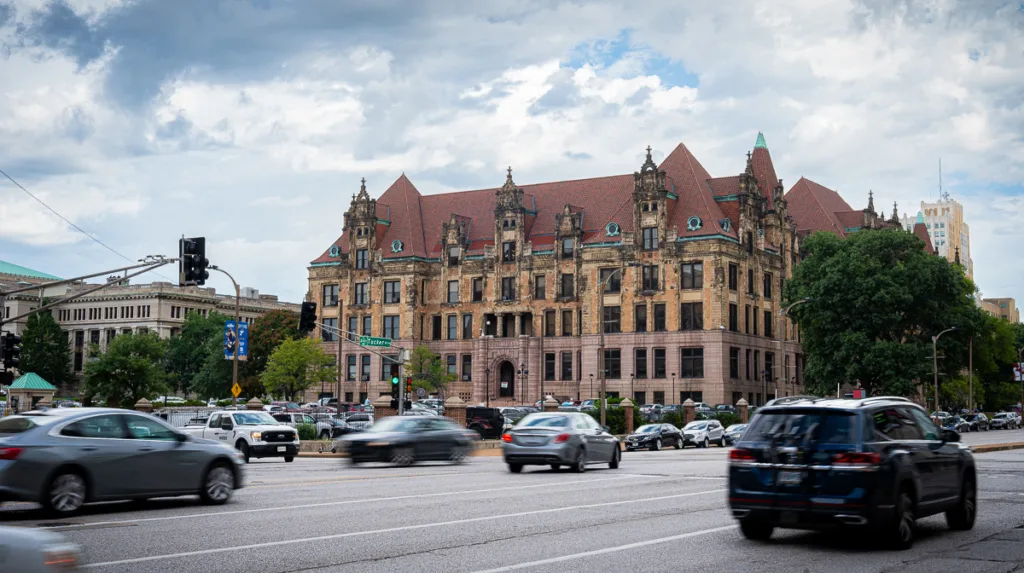
It’s a beautiful spring morning, and you’re doing 25 miles per hour down Kingshighway, like the responsible motorist you are, when you spot it: a pothole the size of Mark Twain Lake right in your path. Is…is that a portal to hell? you wonder as you clench everything and hold your breath. It’s too late to swerve and too late to slow down, and now all you can do is wait for the tell-tale pop! sound of a punctured tire and picture your hard-earned $600—the average cost of car repair after damage from a pothole, according to the American Automobile Association—going out the window.
It might be cold comfort in the moment, but there is actually a network of asphalt scientists working on improving the life of the material on our roadways right here in Missouri. Magdy Abdelrahman is a Missouri Asphalt Pavement Association–endowed professor at Missouri S&T and has been studying asphalt since 1996. He says he and his colleagues are studying how recycled materials, such as plastic or tires, can be added to asphalt, harnessing all those hardy polymers to improve the pavement’s quality. Just imagine: One day, you might pop a tire on a pothole, and that rubber might be used to fill the same offending pothole. But how do potholes form, and why are they so prevalent in the spring? See below for our explainer of the life cycle of St. Louis’ nefarious potholes.
Get a fresh take on the day’s top news
Subscribe to the St. Louis Daily newsletter for a smart, succinct guide to local news from award-winning journalists Sarah Fenske and Ryan Krull.