One Parkway parent says his family is an “early loser” from St. Louis County’s senior tax freeze, saying it has contributed to an increase in the cost of preschool for his two children.
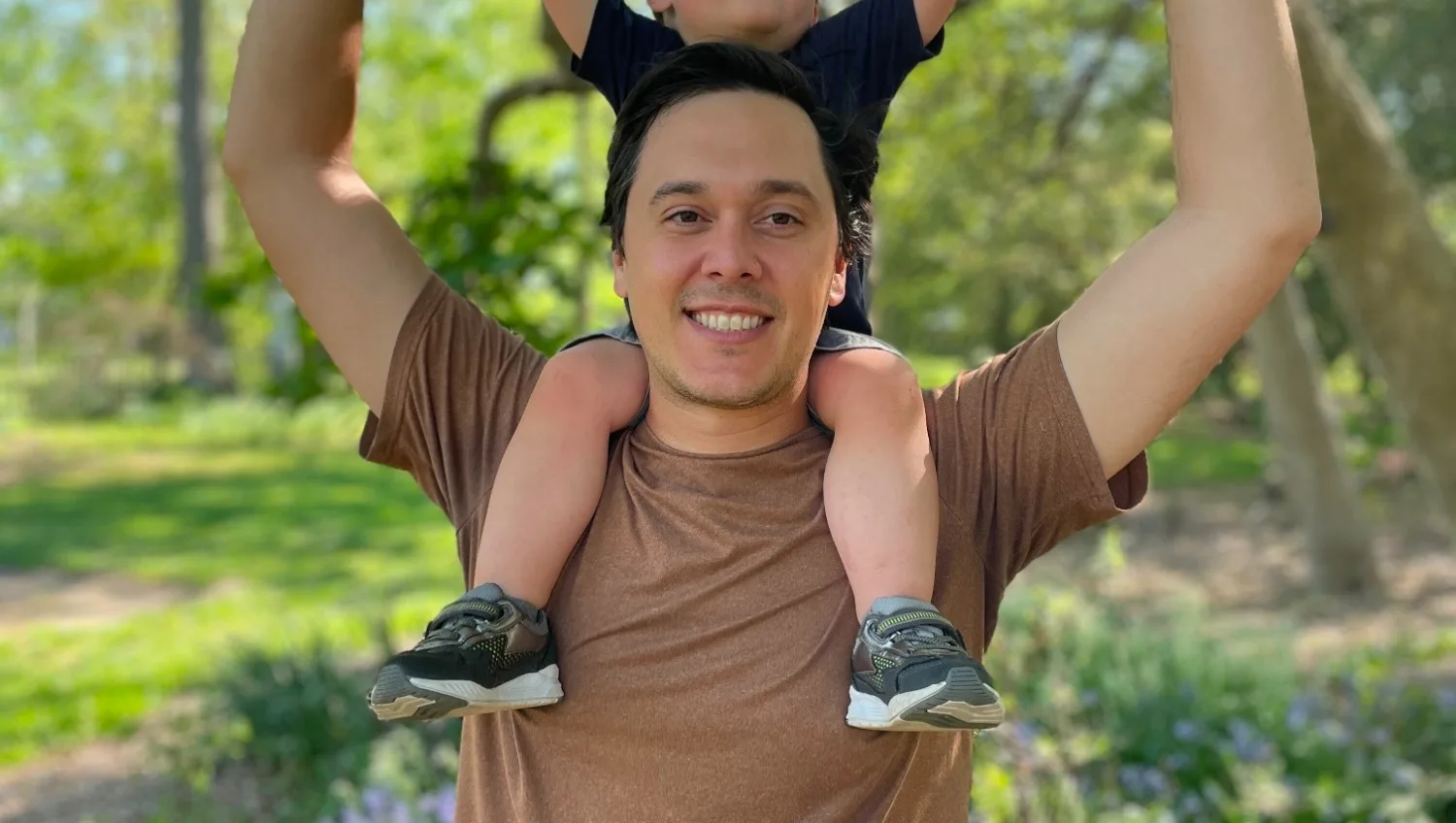
Mark Tornga has two children in the Parkway School preschool pipeline program. He says the district’s financial woes have already led to an increased cost of about $930 for him and his wife. He described that as a “dramatic increase.”
Get a fresh take on the day’s top news
Subscribe to the St. Louis Daily newsletter for a smart, succinct guide to local news from award-winning journalists Sarah Fenske and Ryan Krull.
One of Tornga’s children uses the two-day-a-week Kid’s Morning Out program, and another will enroll for three half-days each week, when increases take effect in the 2026-2027 school year. The fee for the 2-day-a-week program will rise $24 a month, while the three-day program will cost an extra $51 a month, according to a chart sent to parents. If they were full-time with before and aftercare, the increase would be another $212 per child per month, up to $1,622.
Director of early learning Elena Amirault said in an email to parents in November that those rates were a 15 to 20 percent increase for residents and 20 to 25 percent for non-residents, up from prior increases that were only around 3 to 7 percent. “The higher proposed increase for next school year reflects the revenue challenges and rising costs of services, supplies and employee health care the district is currently experiencing,” her email said. She did not mention the tax freeze.
However, another email Amirault sent to parents mentioned “budgetary pressures,” citing two main ones: overall rising costs and “reduced revenue growth from the senior tax freeze.”
The senior tax freeze is a statewide program run at the county level, meant to safeguard seniors from property tax bill increases. Different county programs are more expansive than others: St. Louis County’s tax freeze allows anyone in the county aged 62 or above to apply to freeze their property tax bills annually, with no means testing, and prevent those bills from increasing as property values rise. As SLM previously reported, school districts in the county expect the revenue hit to only increase as seniors lock into current valuation, even as their costs continue to rise.
“In this environment, it is more important than ever for tuition-supported programs like ours to be more self-sustaining, helping us safeguard districtwide funding,” Amirault said in her message.
To SLM, however, the district downplays the impact of the senior freeze. Prices for the preschool program froze at the onset of the COVID-19 pandemic, and haven’t risen until now, a district spokesperson tells SLM. “As part of a broad review, we made a strategic shift to ensure our early childhood programs become self-sustaining and less reliant on district operating money,” Parkway chief financial officer Carrie Nunn said in an email to SLM last week.
“More than a year ago, when we learned that the tax freeze would impact our revenue, we began taking a close look at all our operating expenses,” Nunn continued. “This was happening as Parkway was also experiencing increasing costs for curriculum, utilities, and other supplies, and employee health care. The senior tax freeze was not a primary factor in the decision to increase tuition for early childhood.”
Tornga contends that the cost increase will force parents like him to make serious decisions about where they send their children for their earliest years of education. Early education programs offered by school districts used to be less expensive than private day care, he says. But now that gap is shrinking.
To those claims, Nunn acknowledges that the most recent increase in early education tuition was greater than years past, and said “there was some catch-up needed” after years without an increase. But, she emphasizes, the district is “still within the average price range.”
“Our teachers are all certified with ongoing professional development,” Nunn says. “Parkway provides a high-quality experience for children of all abilities with a large array of support staff and therapists who can meet the individual needs of each learner.”
But Tornga is also concerned about what the loss of property tax revenue could mean over time for his children, who are just at the beginning of their education.
“At best, this is the worst it’s going to get,” Tornga says of the reported $2.7 million value loss for Parkway shown in county records and the cost-cutting measures that could ensue as losses grow. He added that “opportunities are not going to increase” for children under the tax freeze, saying it could mean fewer programs for students in the future.
Tornga’s concerns come amid concerns at county districts like Parkway, Rockwood, and others. County districts are still accounting for how they will adapt to property tax dollars that don’t increase along with costs. Over time, the tax freeze’s hit to schools is expected to increase, creating the potential for cascading effects to school funding absent some kind of new revenue source.
Parkway saw the second-largest hit from the first year of the senior tax freeze, county records show, but the district said in a press release last week that it expects to lose the most in the state over time. The district will “forgo” a minimum of $33.6 million in revenue in the coming decade, it said.
Why It Matters: The senior tax freeze has already led to a total dollar value loss of $30.1 million from St. Louis County schools, including some of the best-ranked districts. Parkway last year boasted of its four high schools’ ranking in the U.S. World and News Report as “among the top 10 percent in the state of Missouri and the top quarter of all high schools across the country.”
Researchers have found that good school districts can be a path to economic mobility for lower-income students who live there. Harvard University’s Opportunity Insights nonprofit highlights how crucial strong schools are to prosperity in adulthood. Among the organization’s key findings is that a strong education system helps children when they’re as young as five.
“Students taught for a single year by a great teacher … instead of an average teacher earn $50,000 more over the course of their careers,” reads a summary of Opportunity Insights findings. “This adds up to an increase in future earnings of $1.4 million for an entire class taught by a high quality teacher.” Keeping great teachers generally means rising, competitive wages and properly-maintained facilities.
What’s Next: Tornga is looking for people organized against the freeze, but says he hasn’t found any. He questions whether county officials took its adoption seriously. He believes the tax freeze could change the identity of St. Louis County from family-friendly suburbs to “a great place to retire.”
Meanwhile, Parkway is evaluating how it will deal with the potential millions in forgone revenue ahead. Nunn said she’s gone through hundreds of budget items to look for inessential costs. The district has cut 10 percent of supply budgets, cut travel costs for professional development, and reduced spending on food for district meetings, but the need for cuts will likely only increase as property tax revenue fails to increase even as costs rise.
“While we understand this provides relief to many of our senior residents, it significantly reduces the resources available to support students at a time when costs are also rapidly increasing,” Nunn told SLM. “For now, we believe we can manage this impact without reducing staff. We are beginning a series of conversations with our community this month because tough decisions are ahead.”
The district will host four “community conversations” about the district’s financial health in the coming weeks—two later in March and two in April—across its four high schools.