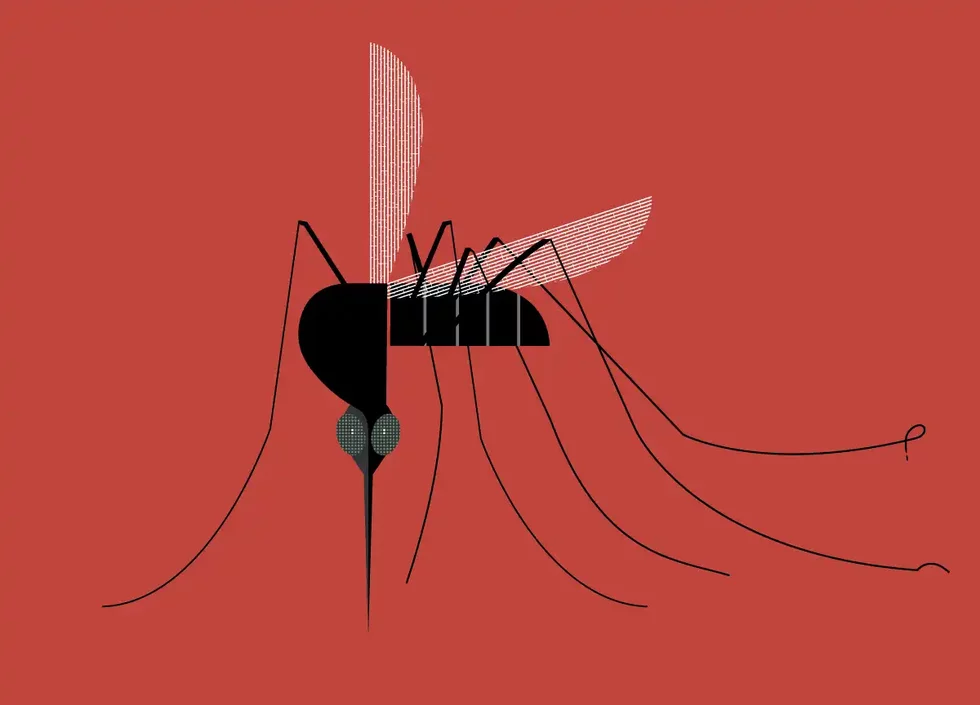
If ever there were a reason to try and lead a more ecofriendly life, it might be this: If winter doesn’t bring persistent freezing temperatures, which hamper mosquito breeding, we could one day be looking at a full 12 months with the little buggers instead of just summers. That’s according to collaborators on an app called Mosquito Alert STL. The app started in Barcelona in response to the outbreak of Zika, the mosquito-borne virus that can cause severe birth defects if an infection occurs during pregnancy. It helped health officials surveil the bugs and tackle breeding sites. Missouri Botanical Garden’s Jean Ponzi learned about the app and thought that it would be a useful way to empower citizen scientists (that’s you, reader) to help public health officials monitor the types of mosquitoes—and the ones that could potentially carry diseases—in the area. It’s important, according to Ponzi’s collaborator Ricardo Wray, a professor in Saint Louis University’s College for Public Health and Social Justice, because there has been some research that indicates that mosquitoes are moving into different areas because of climate change. “There’s potential with some of these species that we could get a disease like malaria that was eradicated from the southern United States many years ago with very serious pesticides, but also other tropical diseases like dengue and chikungunya,” Wray says. “Using an app like this can help both community members and the health departments manage and control mosquito populations.” Below, read about how to use Mosquito Alert STL.
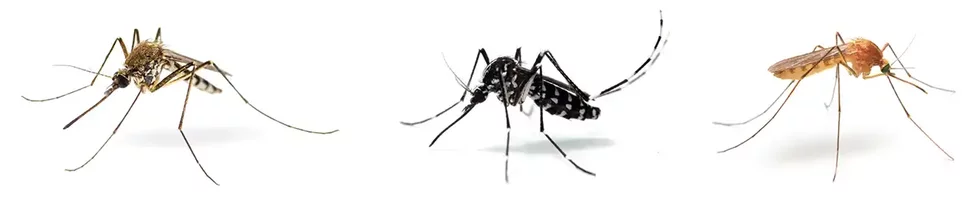
THE THREE TYPES OF MOSQUITOES THAT CAN POTENTIALLY CARRY DISEASE
Get a fresh take on the day’s top news
Subscribe to the St. Louis Daily newsletter for a smart, succinct guide to local news from award-winning journalists Sarah Fenske and Ryan Krull.
FYI: Download Mosquito Alert STL from the app store on your smartphone, and the next time you notice one of the insects on you, snap a photo. Swat the bug away, submit your photo through the app, and a team of entomologists will review the pic and tell you what type of mosquito it was. You’ll add to the mosquito surveillance already done in the city and county, and you can also report mosquito breeding sites (hello, the pool cover collecting water that your neighbors won’t remove). In addition to using the app, Mosquito Alert STL collaborators have some tips (at right) for mitigating the pests in your own back yard.
MORE TO KNOW
NATURAL SELECTIONS
HOW TO REPEL MOSQUITOES—WITHOUT SPRAYING
Why spraying isn’t a good option
1. Mosquito Alert STL’s Spring Schmidt calls chemical spraying one of the least effective things you can do to control mosquitos. The bugs are adaptable, and they develop immunities to chemical sprays quickly. Try instead to focus on larvicidal treatment and prevention.
2. Mosquitoes only need a tiny amount of water—as little as a bottle cap full—to lay their eggs. “You could have a fogging truck go up your street on a Thursday evening, and on Friday morning, you have a whole new generation of mosquitoes hatching because the chemical application is an aerial spray,” Jean Ponzi says. “It only impacts the flying insects. It doesn’t do anything to interrupt mosquito breeding.”
3. “If you hire a private pest control company to keep your yard free from pests for 30 days, there’s going to be a barrier chemical added to that that will literally make every plant in your yard lethal to every bug that lands on it,” Ponzi says.
What you can do instead
1. Ponzi calls mosquitoes “wimpy fliers.” If you’re outside, plugging in a fan or even using a folding handheld fan can be enough to keep them away.
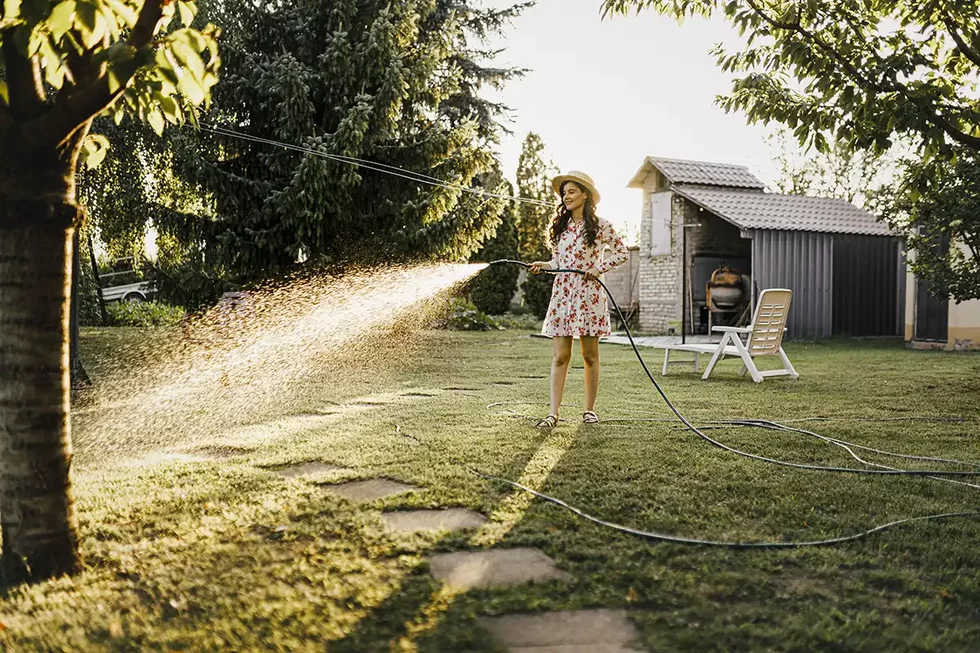
2. Keeping your yard tidy can help repel mosquitoes, too. Schmidt advises trimming back overgrowth and managing piles of outdoor toys and other lawn items, which can collect water.
3. One of the best ways to ward off mosquitoes is to attract beneficial insects, birds, and bats, which are natural mosquito predators, to your yard. Native plants attract these animals and help drain your yard of excess water. Invasive species like English ivy and bush honeysuckle, on the other hand, are heaven for mosquitoes.
4. If you notice a ton of mosquitoes around your veggie garden, try planting basil—it will repel them naturally, and you’ll be on your way to making pesto.