This year’s efforts in the City of St. Louis to keep unhoused people sheltered during the coldest nights of the year was “night and day” compared to last year, Peter and Paul Community Services CEO Anthony D’Agostino says. Officials say that they offered more beds, helped more discrete unhoused people, and witnessed fewer cold-related injuries than any winter in recent memory.
This time, D’Agostino and others say, the city brought providers into meetings about its efforts and brought money to support their work. “That’s never happened before. Usually the service providers are not in the meetings and conversations around it,” he says. “Most people who I know in the homeless services world would say those two alone were just massive changes.”
Get a fresh take on the day’s top news
Subscribe to the St. Louis Daily newsletter for a smart, succinct guide to local news from award-winning journalists Sarah Fenske and Ryan Krull.
A spokesman for the city’s Human Services department, Ryan Sheehan, calls the season’s outreach work “nothing short of the most organized and coordinated winter response in the history of St. Louis” in an email to SLM, thanking a host of government workers, charity workers and private citizens for their efforts.
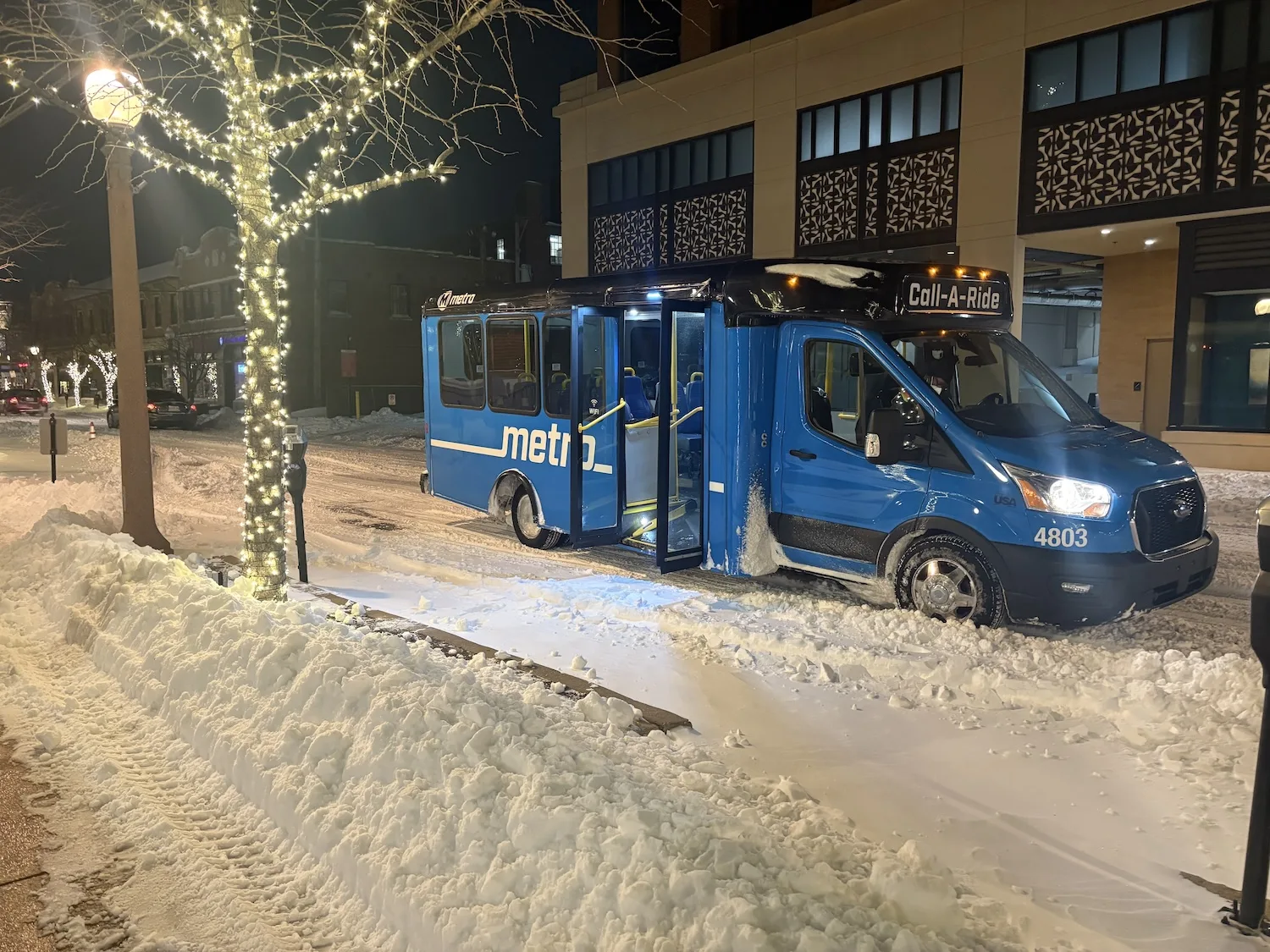
The city says more than 1,000 people were helped by the Code Blue activation program that Mayor Cara Spencer launched ahead of this winter. The program expanded shelter bed capacity and created a shuttle system staffed by city workers that roamed the streets on cold nights to look for people in need of shelter. It scaled up shelter capacity based on temperature, tapping shelter providers to set up at least 600—and in some cases as many as 791—additional beds on the coldest nights of the season. That led to a total of 20,000 bed nights this season (the metric nonprofits use to measure services rendered). “We’ve never had that many bed nights,” D’Agostino says. “In fact, we’ve never had half that.”
As a result, multiple sources involved in the initiative said that there were fewer instances of frostbite cases at local emergency rooms, although not zero.
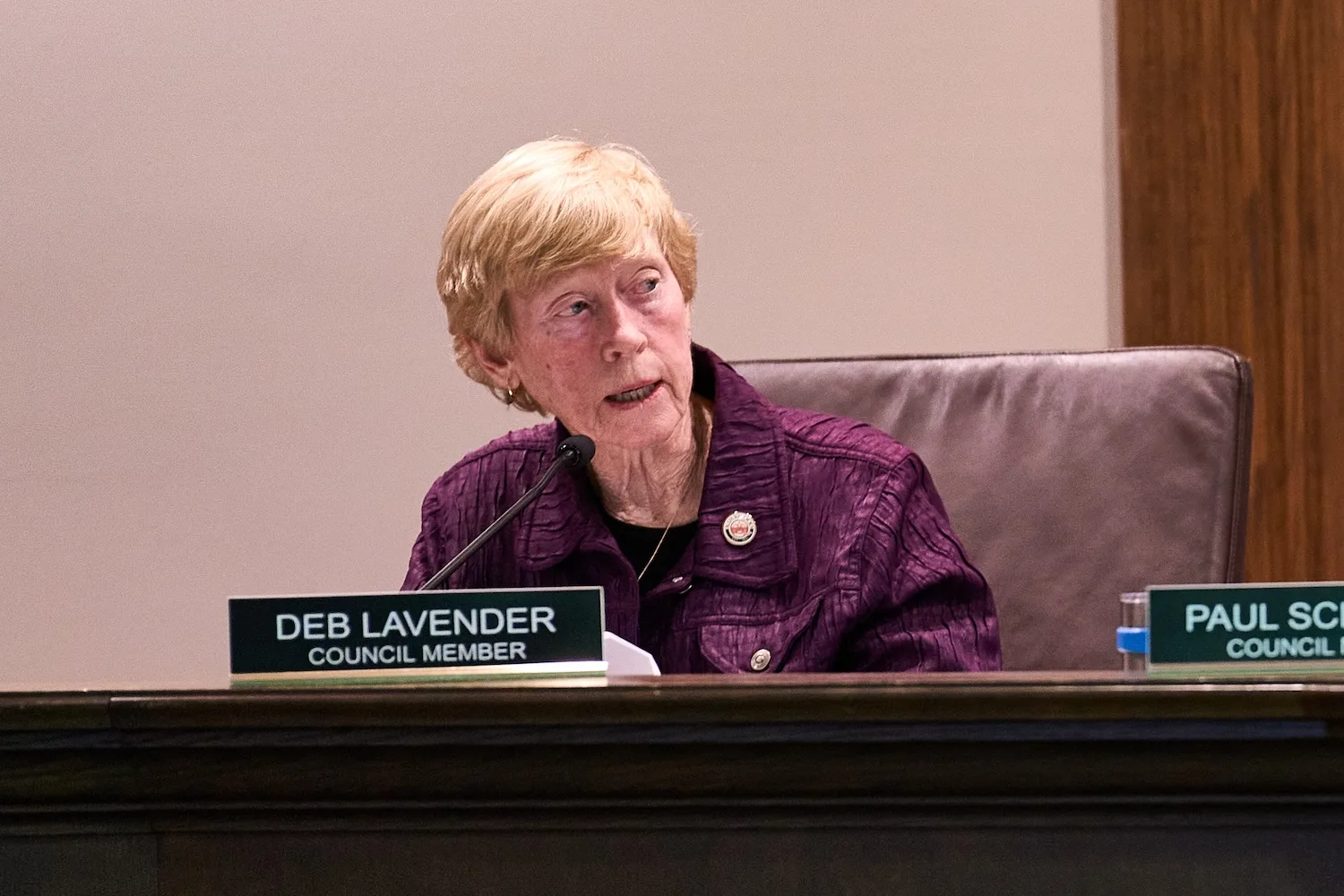
Alderwoman Alisha Sonnier—who shepherded the bill through the Board of Aldermen last year that supplied $3 million for providers to scale up shelter beds using interest from the city’s Rams settlement funds—echoes D’Agostino’s sentiments that the efforts were successful due to good funding and a provider-led response. “That’s really the big difference that happened this winter, is that these organizations have proper funding, and so they were able to properly work, as opposed to a lot of times they’re trying to make $1 out of 15 cents,” she says.
A secure funding source is still needed for the efforts to continue, and grow. The answer for where that money will come from differs. Some suggest a recurring revenue stream from the city and others suggest private donations, but all agree that the program needs a steady funding source. One major complication, Sonnier says, is the potential for the state-controlled police board to successfully claim that major pots of money are “general revenue” and allow police to claim far more of the city’s budget than years prior, which could leave little for other new programs, however promising.
Aldermanic president Megan Green told SLM through a spokesperson last week that she sees funding Code Blue—and other programs like the tenants’ right-to-counsel initiative and a workforce compliance office—as a “priority.” She also supports raising the 25 degree threshold for high levels of activation, calling it too low.
As for Spencer, she says that finding funding for Code Blue in the future would be a “challenge” and called for a “regional partnership,” seeming to put some onus on St. Louis County to come up with funds.
“Many members of the unhoused community—some of them are city residents, but many of them come from the surrounding community,” she says. “This is an enormously expensive challenge ahead of us, but we are committed to doing the best we can to make sure that anybody experiencing homelessness has a safe place, particularly during those really dangerously cold nights.”
Why It Matters: Code Blue appears to have gone so well this past winter that Mike Gilbert, a health department employee and a key on-the-ground leader for the Code Blue Shuttle program, says St. Louis has heard from other cities looking for guidance on how to shape their own efforts. The season passed without any homeless people dying in the city from exposure. But there isn’t a clear plan in place for funding the work next year.
What’s Next: Some officials and service providers have floated the idea of a similar outreach program for hot days in the summer, or a “Code Red” program, although plans aren’t concrete.
In the meantime, Sonnier wants to see the city make the program a permanent one. “We absolutely can’t keep reinventing the wheel every winter with ad hoc plans every time there’s extreme weather,” she says. “Since we know that the winter comes every season, and we know that summer comes… I think it is just really crucial and really important that we establish a reliable framework with clear operational procedure, best practice, expectations, and just a clear plan that can be activated.”