After years of letting derelict cars dally, the City of St. Louis is once again turning them into cash.
What began as a COVID-era pause on booting and towing wound up lasting about three times longer than the pandemic. But the city has again started towing vehicles that were either abandoned on public streets or carry significant unpaid parking fines. And, over the past three months, those tow jobs have brought $222,000 into city coffers.
Get a fresh take on the day’s top news
Subscribe to the St. Louis Daily newsletter for a smart, succinct guide to local news from award-winning journalists Sarah Fenske and Ryan Krull.
That money all comes through the city’s Streets Department, and comes mostly in addition to the $780,515 that the city’s Treasurer’s Office has brought in via outstanding parking fines and boot fees since the office again resumed booting vehicles, which KMOV’s Shoshana Stahl reported on last week.
The roughly $1 million in revenue for the city is a direct result of resident outrage over cars sitting abandoned, in particular in downtown, in some cases for months. SLM reported in March that during the extended pandemic hiatus, parking scofflaws racked up $10.7 million in unpaid fines. Treasurer Adam Layne, whose office handles parking in the city, told KSDK’s Mark Maxwell that his office had a list of hundreds of cars eligible to be booted but only 30 boots.
And without vehicles getting booted by the Treasurer’s Office’s Parking Division, it was virtually impossible for the city’s Streets Department to tow them. It didn’t help matters that Street’s Department answers to Mayor Cara Spencer, who despite being the city’s chief executive has virtually no authority over the treasurer, who is elected by the general public. Layne previously blamed the lack of towing on the fact that his office did not have an MOU with the Streets Department on how they will work together to boot and tow cars. But while that MOU still hasn’t been signed, it appears that at least some of the booting work has been outsourced by the Treasurer’s Office to its contractor Hudson and Associates.
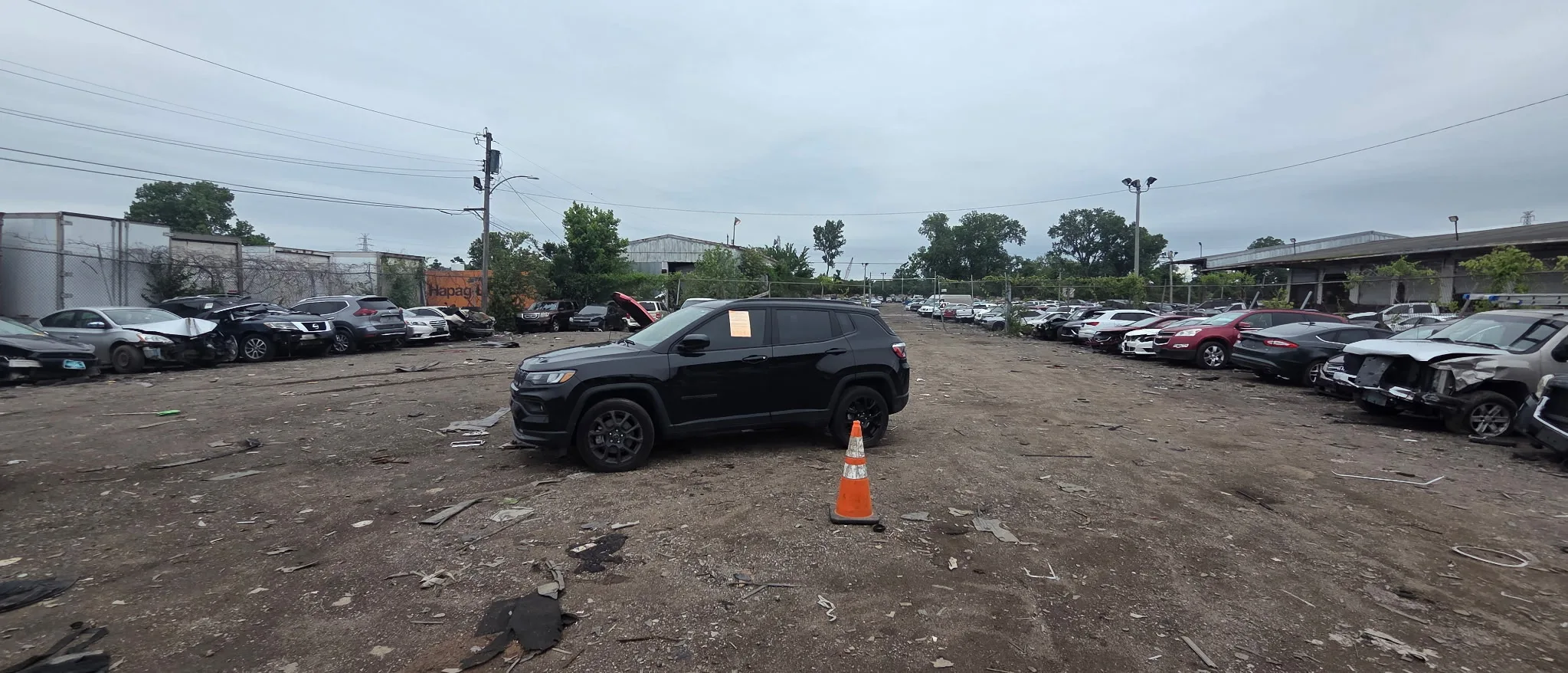
In the months of March, April and May, 278 booted cars were hauled to the city’s tow lot. When a car arrives at the lot, the city sends a letter to its owner and, if applicable, its lien holder. After 30 days, it is eligible for auction.
Of the 278 cars towed to the lot, 133 were picked up and the owners paid the fines of $125 plus $25 for every day at the lot, records show. This brought in $35,040 to city coffers. Another 81 vehicles have been auctioned to the tune of $187,325. A number of the vehicles towed in May and the early days of June are not yet eligible to be auctioned.
One recent example of a car that brought in a nice sum for the city was a black Jeep that was booted and towed after accruing $4,300 in unpaid parking tickets. It sold at auction for around $14,500.
All the money generated from the sales goes into the city’s general revenue. The same can’t be said of the $780,515 in outstanding parking fines and boot fees brought in by the Treasurer’s Office over roughly the same time. The Treasurer’s Office didn’t respond to an email from SLM asking whether that sum included the $35,040 the city says they’ve collected from people getting their towed cars out of the tow lot.
However, an emailed statement did suggest that the massive sum the office has brought in recently is the result of increased enforcement—and that the attention paid to the issue by the media and the threat of towing may have encouraged people to pay up the hundreds and even thousands of dollars they owed. “The office is proud to get back on track with vehicle safety and enforcement,” a spokesperson for the Treasurer’s Office said in an email. By state law, 60 percent of the treasurer’s revenue stays in the office to fund its operations. The remaining 40 percent goes into city coffers.
The city tow trucks have become something of a common sight, particularly downtown, which was the focus of the city’s initial booting and towing efforts starting in March.
Yesterday afternoon, I came upon a black Dodge Charger being towed from downtown. The dealer plates on the Charger had racked up $1,560 in fines and fees over the course of the last five years, while frequently parking illegally in the vicinity of the old Republic National Bank building. (A popular area for cars with dealer plates to not pay the meter, apparently.) The tow driver said that people regularly ask him where their cars went—both the cars he’s towed and the cars towed by other tow trucks.
The driver asked me why I was interested in the matter. I replied that for a long time, no cars were getting booted and towed, then some journalists reported on it and things changed.
The driver replied, “You got a lot of people mad.”