This month, St. Louis will once again play host to recognizing some of the most important conservation efforts in the state and beyond during the 2026 National Lewis & Clark Conservation Awards, hosted by the Missouri Conservation Heritage Foundation.
The foundation, a nonprofit that financially assists conservation and outdoor recreation priorities of the Missouri Department of Conservation, organizes the Lewis & Clark Conservation Awards every year to recognize the efforts of individuals, businesses, and nonprofits contributing to the mission of state and national conservation.
Discover your next outdoor adventure
Subscribe to the St. Louis Outdoors newsletter to get smarter about hiking, biking, paddling, climbing, and camping within the St. Louis region and beyond.
Scheduled for September 24, this year’s event is the MCHF’s 11th overall and second to be held at Grant’s Farm. “The awards are not only a way of amplifying our mission but also recognizing folks who are blazing the trails in conservation,” says MCHF executive director Tricia Burkhardt.
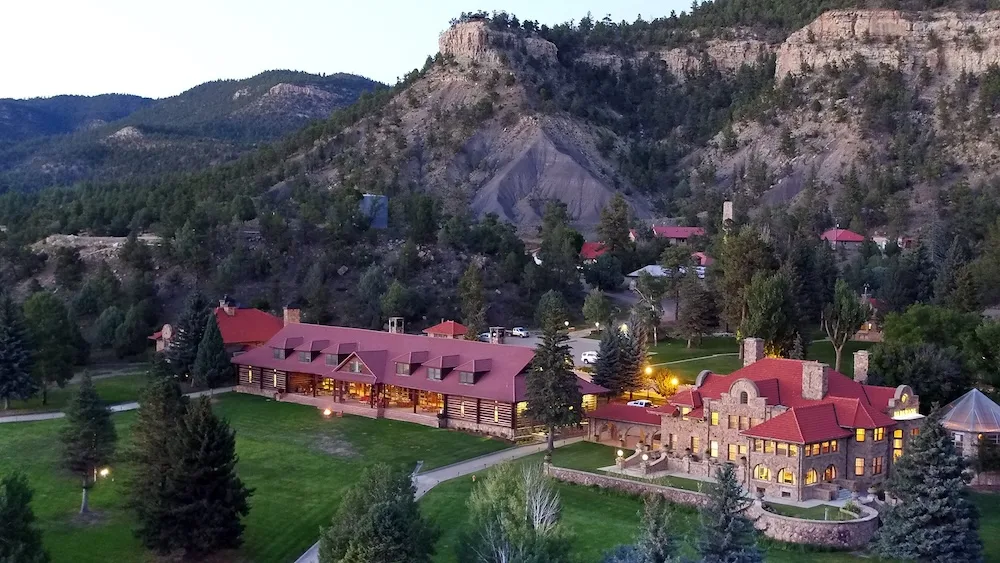
The Corps of Discover National Conservation Award is the foundation’s highest award for conservation leadership. Ted Turner Reserves earned the 2026 nod for environmental sustainability efforts at its four sprawling wilderness properties in the American Southwest. The group’s mine reclamation and pastureland revitalization efforts have restored habitats and native wildlife. According to Burkhardt, the work showcases its dedication to environmental stewardship and connecting visitors with nature.
“They’re doing this work on a very, very large scale,” she says. “But people can take these ideas and do them on a smaller scale in their own backyard. Even if it’s pollinator plots in the city, that still makes an impact on conservation.”
Former Missouri Gov. Mike Parson will be awarded the Pat Jones/York Spirit of the Wilderness Conservation Award. Burkhardt notes Parson’s support for conservation and the Rock Island Trail during his term as the state’s 57th governor. “Missouri Farmers Care was a big push for sustainability in farming, which also helps with soil erosion, cover crops, and habitat,” she says.
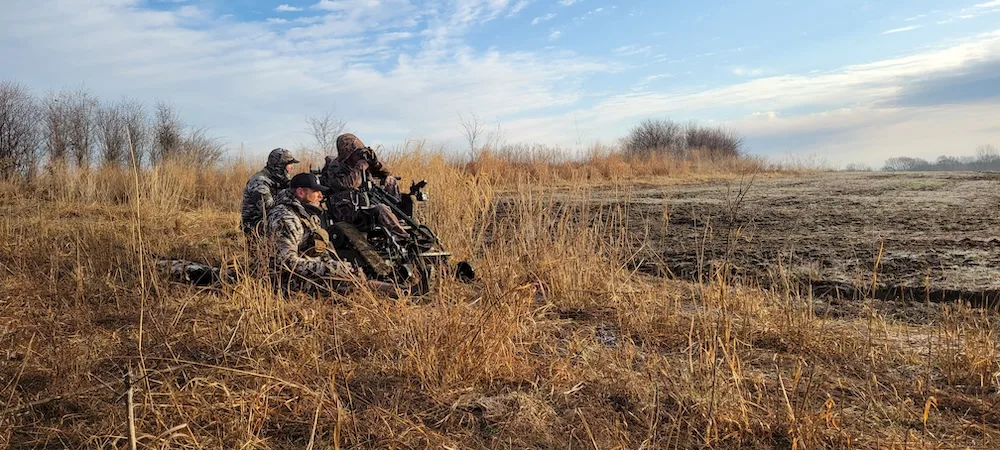
For the Governor’s State of Missouri Conservation Award recipient, current Gov. Mike Kehoe selected Mark and Terry Drury of Drury Outdoors, whose focus on fair, ethical hunting practices and family enjoyment of the outdoors aligns with another award winner, Missouri Disabled Sportsmen. The volunteer-led nonprofit helps mobility-impaired and youth hunters with access to hunting and fishing and is the recipient of the Sacagawea Community and Partnership Conservation Award.
Rounding out the honorees is Steve Martiz, former CEO and current executive chairman of Martiz and a consistent supporter of wetlands and conservation in Missouri. For this work, coupled with his own conservation management practices on his Franklin County property, Martiz will be recognized with the Missouri Legacy Conservation Award.
“Wetlands conservation is about more than duck hunting; it’s also about clean water and habitat preservation,” Burkhardt says. “It fits in perfectly with what we’ve been working toward with the Johnny Morris Institute of Fisheries, Wetlands and Aquatic Systems,” part of the University of Missouri’s College of Agriculture, Food and Natural Resources. Creating the institute has been a massive project for MCHF over the better part of the past decade. The institute’s mission is to train the next generation of conservationists and improve watershed quality. A $10 million fundraising campaign officially established the institute in 2023, with the hiring of Dr. Rick Relyea as director and the first three student internships awarded in 2025. Burkhardt says the institute’s goal is to open 25 internships in 2027 and eventually reach a $30 million endowment goal.
“The more opportunities we create for students to get into the field, the more opportunities we have to hire professors to train them and do some really great research,” Burkhardt says. “The vision of this is to be national and international: ‘How can we work together to do applicable research and solve our most challenging problems in conservation?’”
Just as the foundation’s goal with the institute is long-term and long-reaching, so too is its work creating conservation easements with other partners in the Show-Me State. Burkhardt says MCHF received accreditation last year through the Land Trust Accreditation Commission. This year, the foundation doubled its easement acreage to just over 5,800 acres with its ongoing partnership with the Tumbling Creek Cave Foundation in southwestern Missouri.
As MCHF celebrates a year of successes, Burkhardt says the organization and its partners have more work ahead.