Stories involving school and social anxiety are all too familiar: looking for a spot to sit in the cafeteria, waiting to be picked up by parents after practice, trying to cover up a patch of acne before the big dance. But for students who experience an especially difficult time interacting with peers or making close friends, a local organization is here to help.
“Making sure your child develops good social skills is so imperative,” says Melissa Bozesky, owner of Learning Consultants, an organization that provides services that assist in social development. “No matter how smart you are, if you can’t connect socially, you’ll struggle.”
Discover fun things to do with the family
Subscribe to the St. Louis Family newsletter for family-friendly things to do and news for local parents, sent every Monday.
When parents first call Learning Consultants, Bozesky listens to how they describe their children in both social and academic settings. She then works with them to develop a goal. “The most common goal is for the child to learn the give-and-take of friendship,” she says. “Usually children don’t have a hard time making friends, but those who haven’t developed age-appropriate social skills may have difficulty maintaining friendships. We’ll see that they have a ton of acquaintances but no close friends.”
Parents might notice that their children aren’t getting invited to peers’ houses, says Bozesky. Another expert—a teacher, counselor, or pediatrician—might also alert parents about concerns. Though it can be difficult for parents to acknowledge their children need assistance, hearing how others have managed such situations can help.
“A parent will come to us and say something like ‘My 15-year-old seems depressed, and he’s failing his classes, but I’m not sure what’s going on,’” Bozesky says. “I’ll run a comprehensive test to get to the source of the problem.” A psychoeducational evaluation can sometimes help in detecting a learning disability, depression, anxiety, or ADHD.
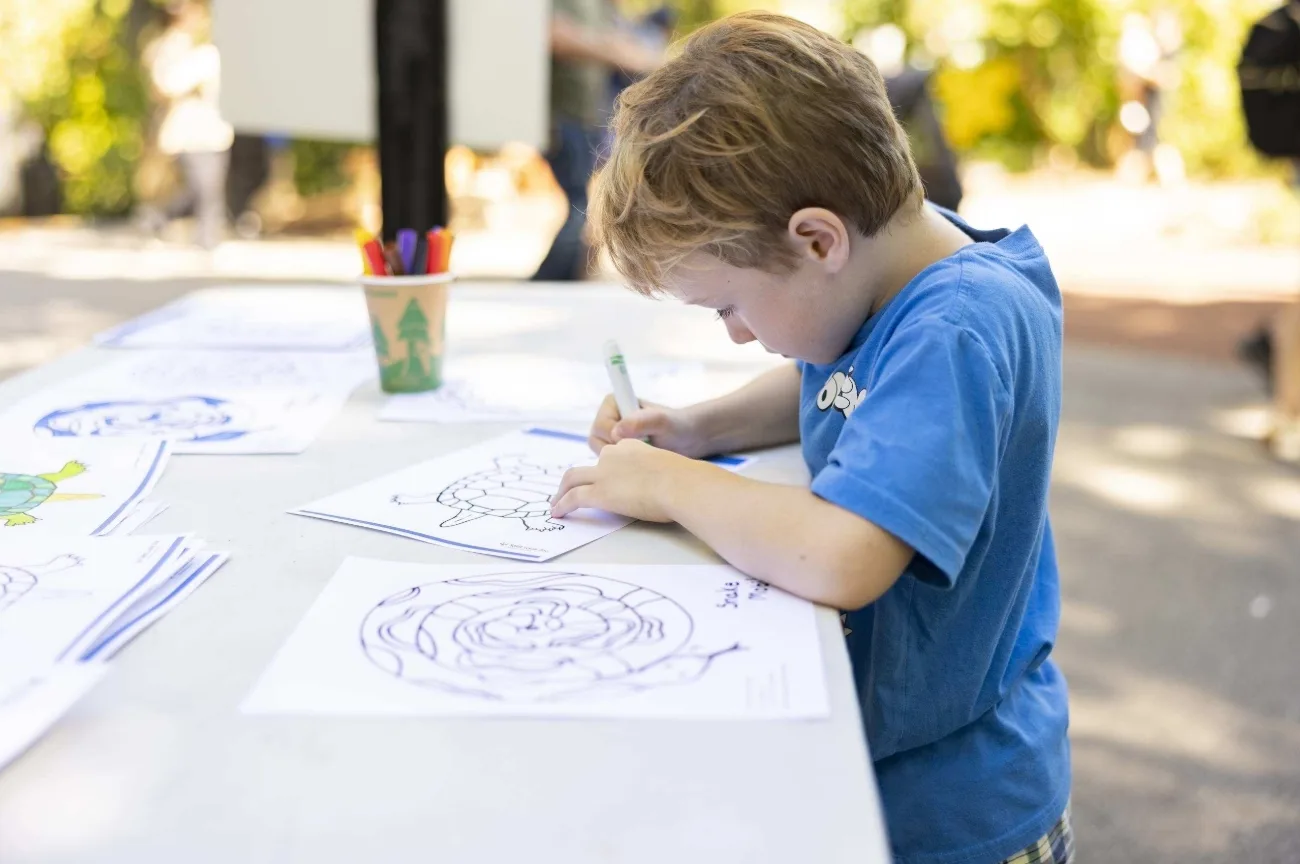
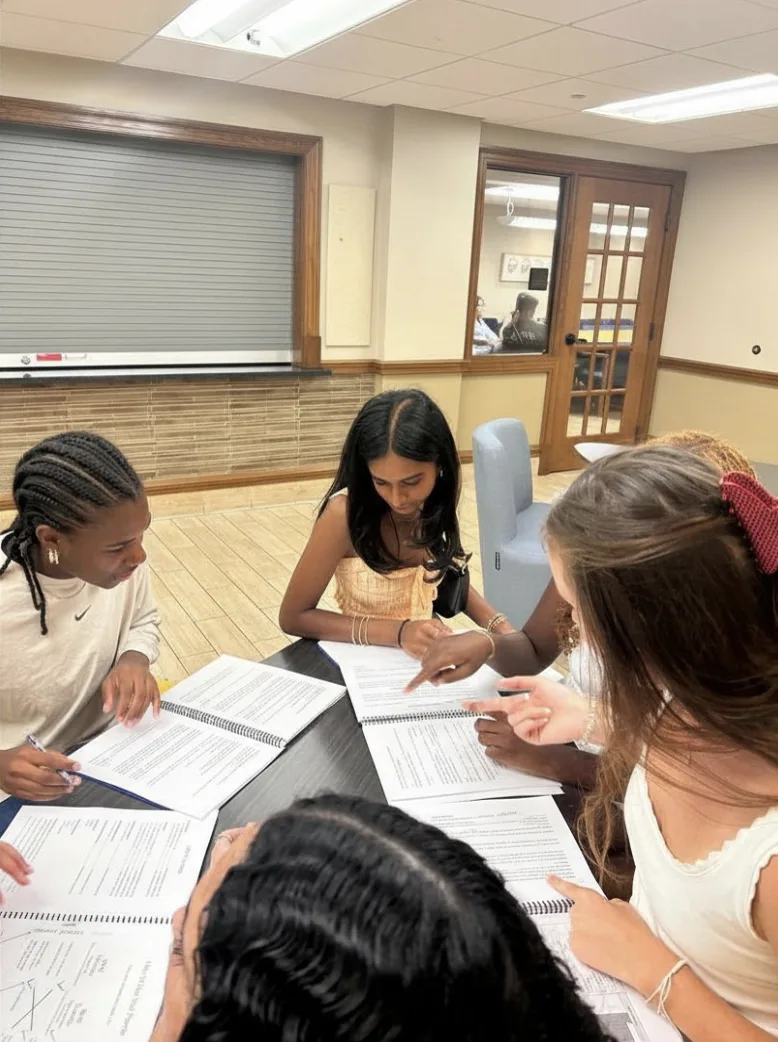
Even if the problem is just plain old shyness or awkward social skills, Bozesky works with both student and parents to develop an action plan. Sometimes that means a small group—four to six students of the same age and sex, along with two licensed counselors. In creating these groups, counselors consider each child’s temperament and hobbies so those with similar personalities and interests end up together. In weekly meetings, younger children might play board games or age-appropriate card games such as Uno.
“The games help children learn how to initiate conversation with others,” says Nelson Taylor III, a counselor at Learning Consultants. “They can learn to be a leader or to follow someone else’s lead. We’ll work on sharing, winning and losing, and the give-and-take of friendship.”
Some younger children have difficulty learning how to manage emotions—how to express that they’re sad, angry, or happy with a response that matches the situation at hand. The groups provide kids with an opportunity to play and have fun while practicing appropriate responses to different situations. “The idea is for the social skills they gain in the groups to transfer to many of the unstructured areas of their lives,” Bozesky says.
Older students might work on developing conversation skills and understanding nonverbal social cues. High school students might be uncomfortable meeting new people or introducing themselves to others. The program includes trips to a bowling alley, an ideal environment for teenagers to socialize with their peers.
Along the way, the child’s school is looped into the conversation, so progress can be tracked in the classroom. Sara Ringe, director of college counseling at Whitfield School, says, “I think it’s a combination of students recognizing that they’re having challenges in school, as well as parents and teachers realizing that they might need some additional knowledge about the way that a child learns and socializes.”
Counselors at Learning Consultants often suggest that parents invite another member of their child’s social motivational group to their home for a play date between group meetings. It not only keeps parents involved, but also provides a less structured environment in which the students can practice.
A woman whose autistic son has been enrolled in a social group for the past three years says, “I think he’s become much less impulsive about the things he says. He’s learning to carry a conversation and talk about things outside of his key interests and himself.”
Once a child has fulfilled the initial goal, those involved in the process gather for a pizza party. “I think the biggest benefit for the children is knowing themselves better,” Ringe says. “It boosts their confidence by reinforcing that the way they learn and interact isn’t bad. It just might be different than some of their peers.”