Roughly 3,150 lunches. That’s what three kids, six years of elementary school, and 175 school days a year adds up to—”and that’s not even counting summer camp or snow days,” Jennifer McDaniel says.
The owner of St. Louis-based McDaniel Nutrition Therapy started teaching her kids to pack their own lunches out of a desire to reclaim her family’s mornings, but she soon discovered that teaching her kids to pack their own lunch was also a method to “empower them with real-life skills, foster food confidence, and make one small part of the day feel more manageable for everyone.”
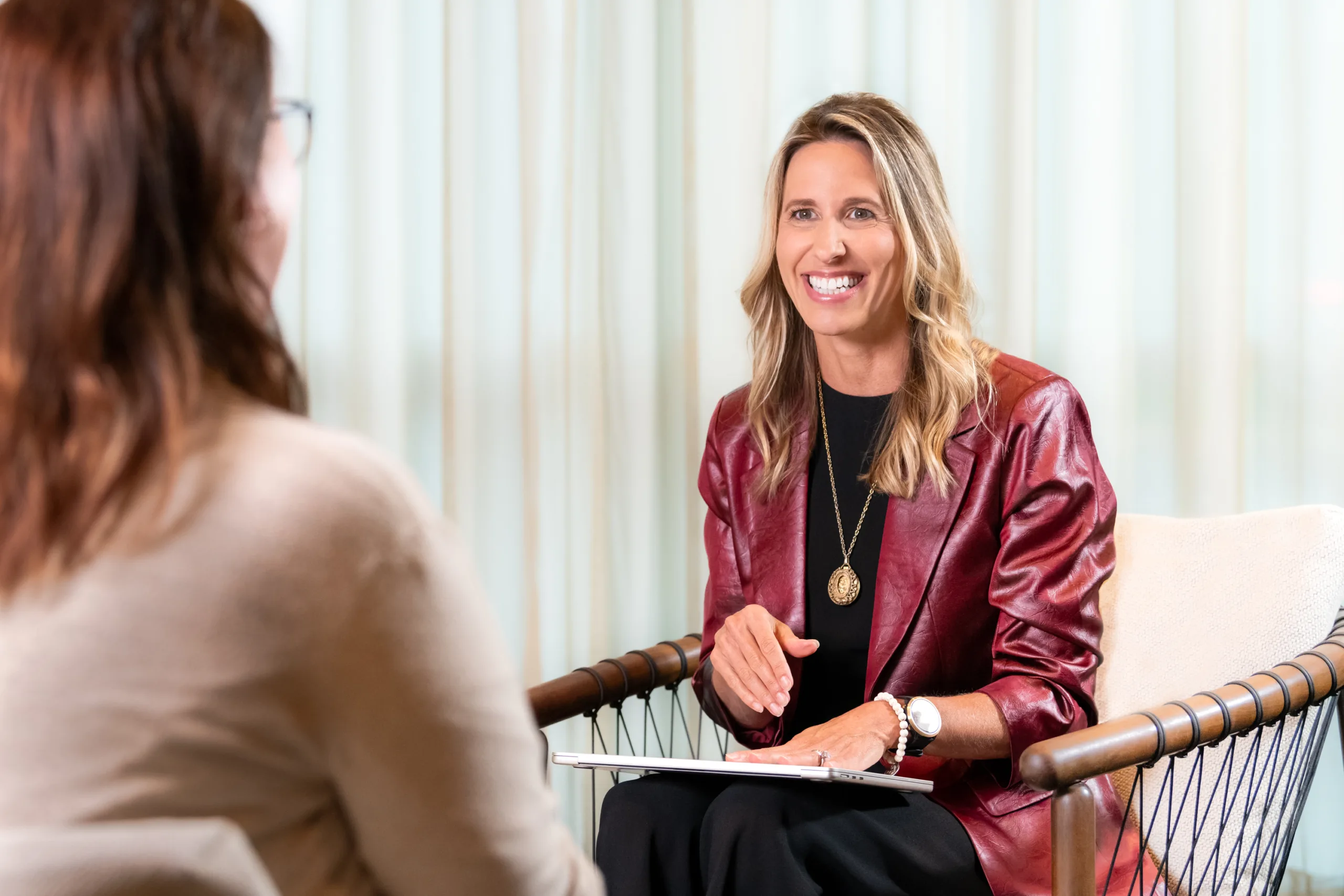
As a corporate wellness dietitian, speaker, and author, McDaniel recently shared with SLM recommendations for making the transition to lunchbox liberation.
1. Start with a plan (and a pep talk). Every family is different, McDaniel notes, but for hers, fourth grade was when teaching lunch-packing independence skills began. “By fifth grade, we expected full ownership,” she adds. As for how to get buy-in from her kids, she says, “We framed it as a win for the kids—not a chore.” McDaniel emphasized to her kids that they would get more say in what goes into their lunchboxes—as well as avoid unintended parental mistakes like jelly on the sandwich or apple slices versus a GoGo SqueeZ. “Best of all, packing a lunch can actually give your child more time to eat,” McDaniel says. “With an average school lunch period lasting just 20 minutes, skipping the cafeteria line means they can spend more of that time actually enjoying their food.”
Get a fresh take on the day’s top news
Subscribe to the St. Louis Daily newsletter for a smart, succinct guide to local news from award-winning journalists Sarah Fenske and Ryan Krull.
2. Nutrition education starts in the kitchen. “Learning to cook—even in small ways—is some of the best nutrition education there is,” McDaniel says. “Packing lunch isn’t just about filling the slots of a Bento box. It’s an opportunity to practice real-life food decisions: choosing what goes in the lunchbox, noticing how those foods make them feel—energized, full, focused, or not.” In the McDaniel house, she adds, they call food by its name and do their best to avoid labels like “healthy,” “junk,” or “good/bad.” McDaniel recommends using food groups to guide lunch decisions:
- One fruit
- One vegetable
- A main food (like a sandwich or pasta)
- And space for foods like cookies or chips—or both
“Each lunch they pack helps build food confidence—and slowly, over time, the skills they’ll need to prepare meals for themselves. This approach encourages variety and balance and makes it less likely your child will want to trade their lunch for something else,” McDaniel says.
3. Make it easy to succeed. McDaniel recommends prepping favorite items over the weekend—such as carrot sticks, grapes, or mini sandwiches. She’s also a fan of using sectioned lunch containers like Bento-style lunch boxes to naturally guide variety without pressure. She explains that pre-peeling oranges or pre-slicing apples will make eating faster at school. “Pro tip: Stock your kitchen with the foods you want your kids to enjoy,” McDaniel adds. “They can’t pack what isn’t there, and having options like pre-cut produce on-hand makes decisions easier.”
4. Build responsibility, one grade at a time. McDaniel says the key to success is to start small and build up, using these age-appropriate guidelines:
- Kindergarten–first grade: Choose one item, like fruit or crackers.
- Second–third grade: Help assemble the full lunch with guidance.
- Fourth–fifth grade: Independent packing with some oversight.
- Middle school and beyond: Full ownership (with your help keeping the fridge stocked!)
“The goal isn’t perfection—it’s progress and participation,” McDaniel adds.
5. Trust the process. It’s tempting to critique an uneaten veggie or comment on a cookie-heavy lunch, McDaniel says, “but this is where trust comes in.” She advises following expert pediatric dietitian, Ellyn Satter’s, Division of Responsibility:
- Parents decide what, when, and where food is offered.
- Kids decide how much and whether to eat it.
“Teaching kids to pack their own lunch isn’t just about saving time—it’s about building lifelong skills in independence, self-awareness, and fostering a healthy relationship with food and self,” McDaniel says.