A bold new chapter is taking shape at the National Museum of Transportation—one that invites families to experience aviation history together.
Long known for its expansive collection of historic railcars and classic automobiles, the museum is expanding into aviation in a way that encourages hands-on exploration and curiosity across generations.
Discover fun things to do with the family
Subscribe to the St. Louis Family newsletter for family-friendly things to do and news for local parents, sent every Monday.
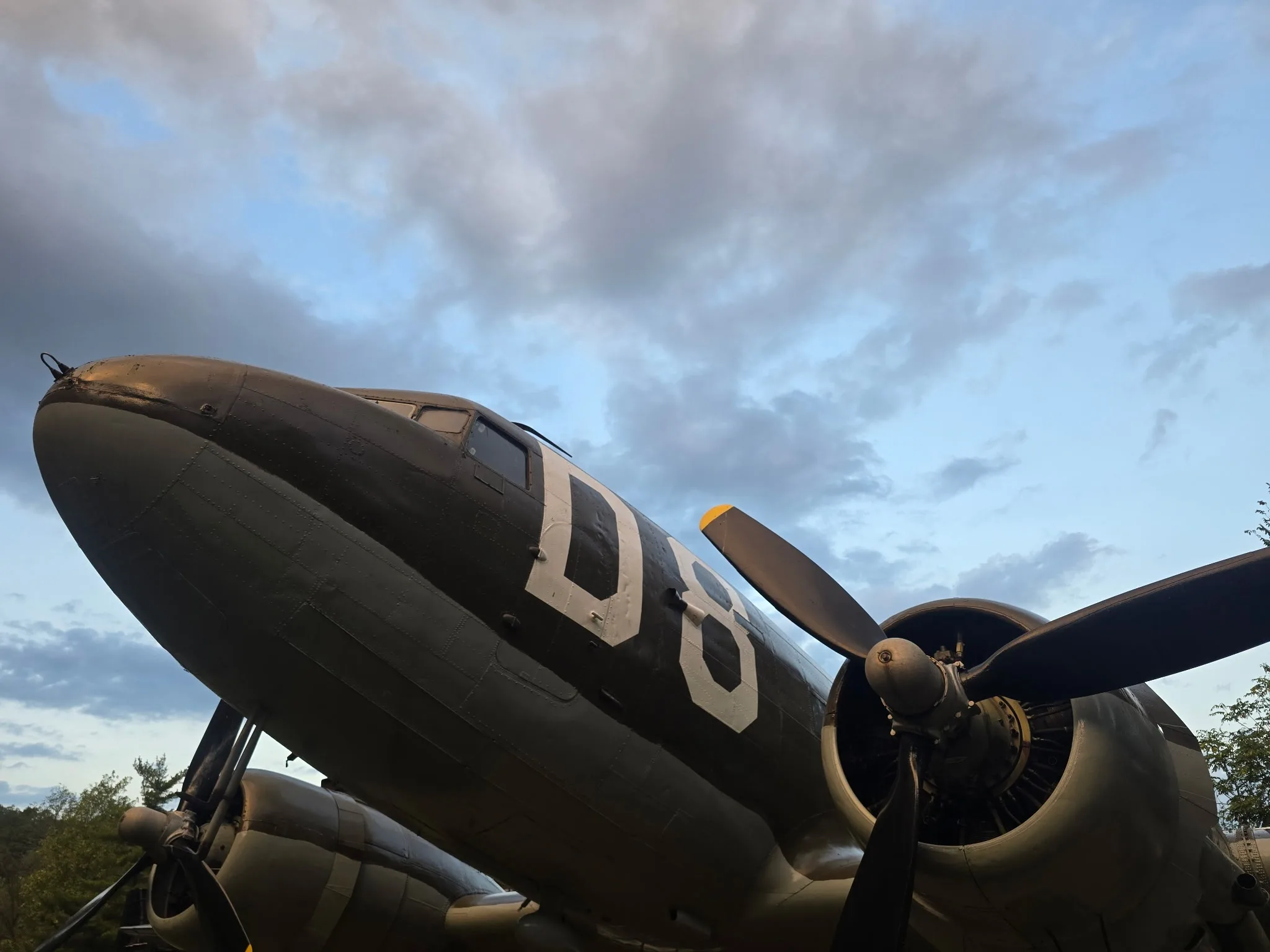
The growing collection already includes a C-47 transport plane from World War II, believed to have been used by the U.S. Army Air Forces to resupply troops after the Normandy invasion in 1944. Nearby, visitors can see the F/A-18 E-1—the first Super Hornet ever built—alongside a classic T-33 jet trainer.
For families, the appeal is immediate: these aren’t distant artifacts behind glass, but massive, real-world machines that spark questions and imagination.
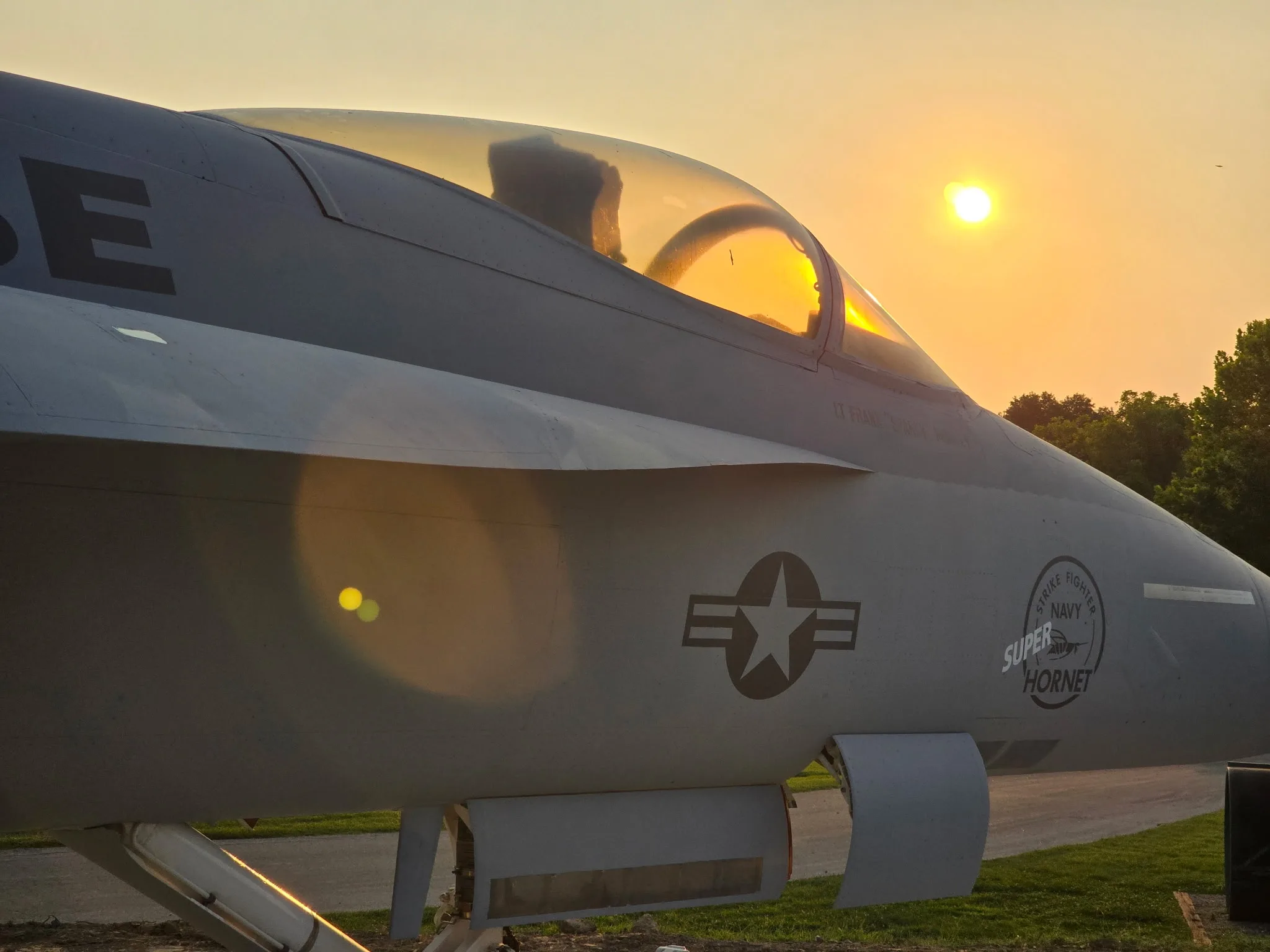
The arrival of the F/A-18 helped launch the museum’s renewed focus on aviation.
“We developed curatorial teams to guide each department,” says Ace Eaton, the museum’s maintenance manager.
The latest addition—a Harrier jump jet—adds another layer of excitement. Known for its vertical and short takeoff and landing capabilities, the Harrier represents one of the most innovative aircraft ever designed. Its ability to operate without traditional runways transformed military aviation and makes it a fascinating sight for visitors of all ages.
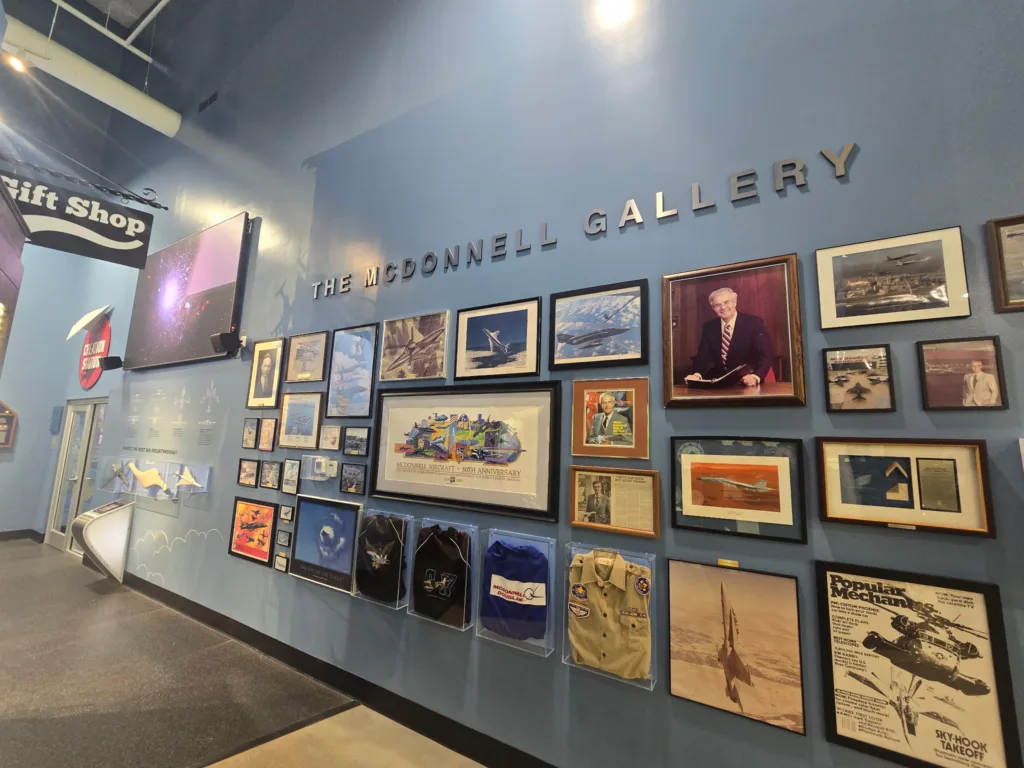
“When we were asked if we were interested, we immediately said yes,” Eaton says. “The Harrier already has a strong fan base, and it’s another McDonnell Douglas aircraft built here in St. Louis.”
That local connection is part of what makes the exhibit especially meaningful for families. The expanding collection highlights St. Louis’ deep roots in aerospace, from McDonnell Douglas to Boeing, and honors the engineers and workers who helped shape aviation history.
To bring that story to life, the museum is currently developing a dedicated aviation plaza, where families will be able to walk among the aircraft and experience them up close. Eaton hopes the space will continue to grow, with the potential addition of larger transport planes in the future.
He also sees the exhibit offering something increasingly rare: time and access.
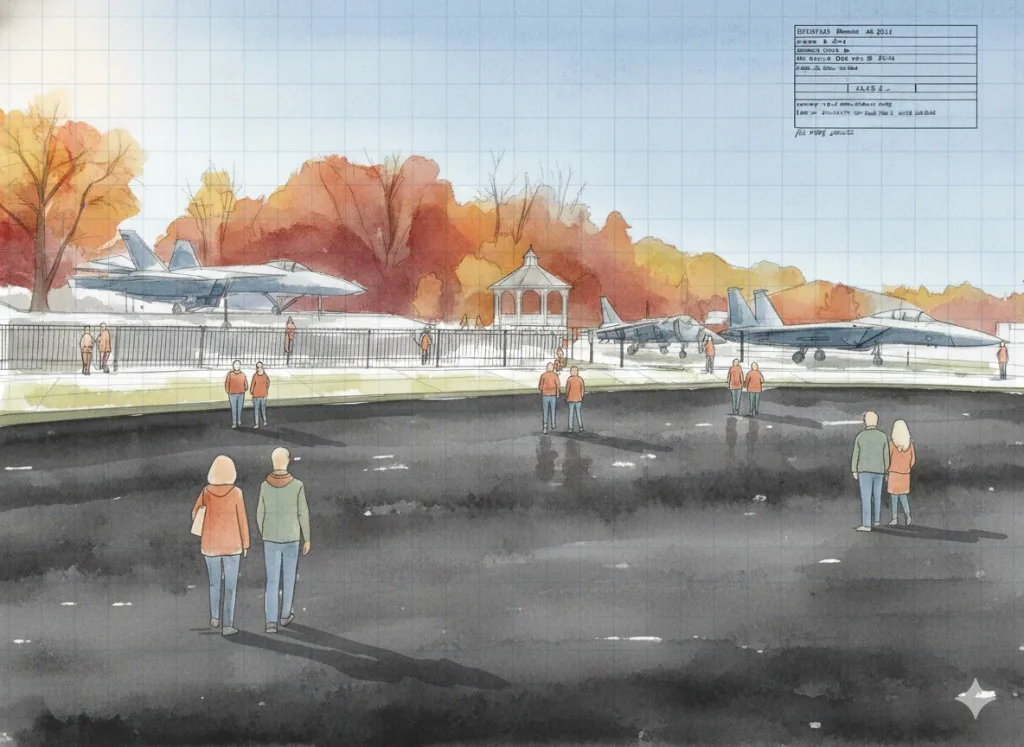
“At air shows, you can only see these planes for a limited time,” he says.
At the museum, families can linger—walking around the aircraft, asking questions, and taking in details at their own pace. The goal is to create the same sense of wonder that has long drawn train enthusiasts, now extended to aviation. Ultimately, Eaton says, the mission is to “preserve the past and inspire the future.”
For younger visitors, that inspiration can begin with a single moment—standing beneath a jet, imagining flight, or learning how something built in St. Louis changed the world.
Community support will play a key role in bringing that vision to life. The museum has established multiple giving levels, and contributions can be made online to help expand the aviation program.