Like most schools, Miriam Learning Center had to adjust its approach when the pandemic hit. Until last March, the center’s tutors, counselors, and therapists had worked exclusively in person with students with special needs. “Even kids in [Friends of] Kids with Cancer we were able to see in person,” says Sue Theodore, the center’s testing supervisor.
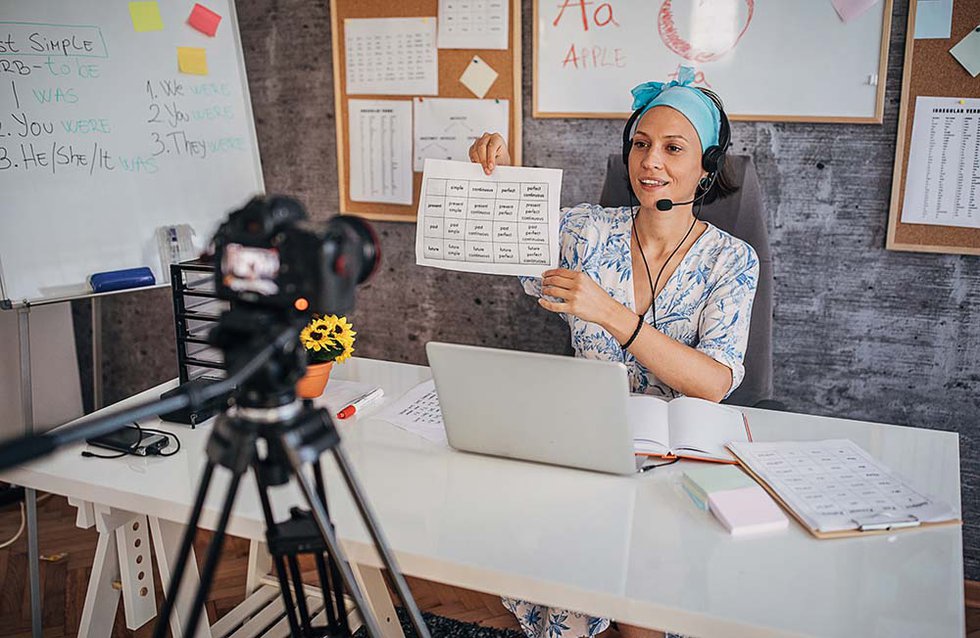
Today there are still a few in-person tutoring options, but services are mostly provided virtually. Remote learning has provided some advantages, particularly during one-on-one sessions, when it’s easier to engage than in group sessions. Not only were students nearly always on time, but the tutors also had greater flexibility to reschedule sessions as necessary. Tutors have also found it easier to be on the same page—literally—about assignments. Students take photos of their assignments and text them to tutors or share their screens to show what they’re working on. The technology has been especially helpful for students who are visually impaired and can magnify content on the screen. To counter boredom, particularly for the students with ADHD, tutors use “brain breaks,” short breaks that include physical activity after 20 minutes of learning. Virtual tutoring also allows tutors to easily incorporate games, visuals, and other aids into lessons.
Discover fun things to do with the family
Subscribe to the St. Louis Family newsletter for family-friendly things to do and news for local parents, sent every Monday.
At the same time, there are significant drawbacks to remote learning, especially for students with individualized education programs. “I have talked to parents who have essentially had to quit their jobs so they can sit with their kids while they’re doing school,” says Rebecca Linz O’Laughlin, the mother of two boys, 13-year-old Avery and 10-year-old Caleb. Avery has an IEP and attends public school. “When he’s in school, he gets a lot of support from teachers,” says Linz O’Laughlin. The support isn’t the same online as in person for general education classes, she notes, though his smaller special education classes are more accommodating. At the same time, she believes that remote learning has spurred Avery to grow in some ways: “He is definitely more independent than he’s ever been before, and he’s made some progress in terms of study skills.”
Caleb (who does not have an individualized learning plan) has embraced online learning, which doesn’t permit as many potential interruptions as in-person classes. “We had our parent-teacher conference for him recently,” she says, “and it was the best one we’ve ever had.”
Theodore believes that the option of in-person learning would be beneficial, though remote tutoring could aid kids who need immediate help. “You don’t need the piece of paper in front of you; you don’t need the textbook,” she says. “We need human connection, but we can make virtual learning work.”