
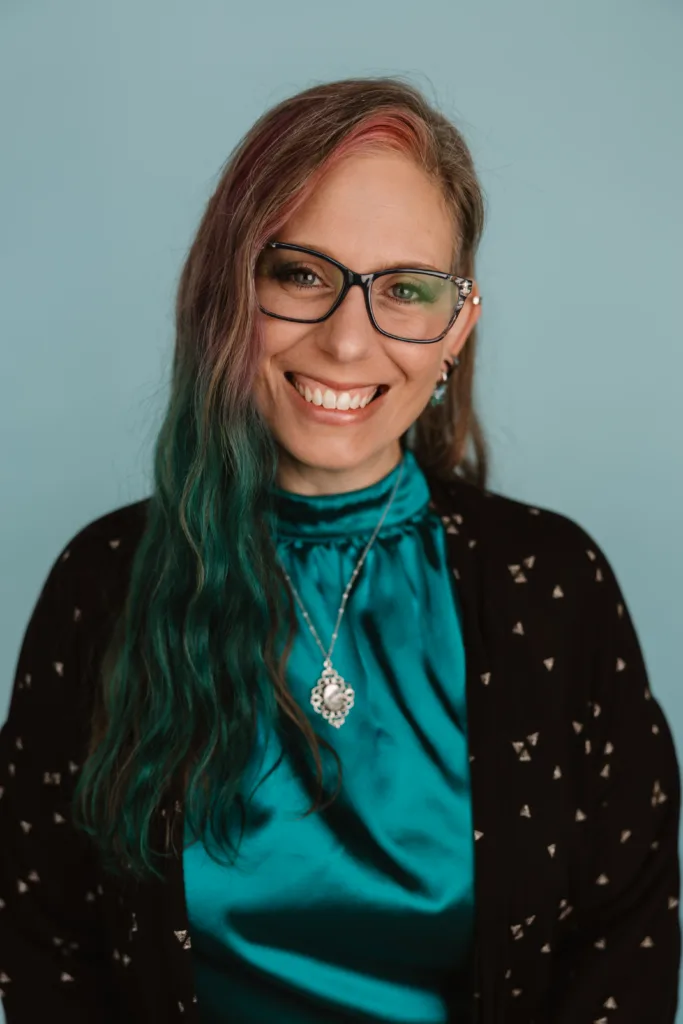
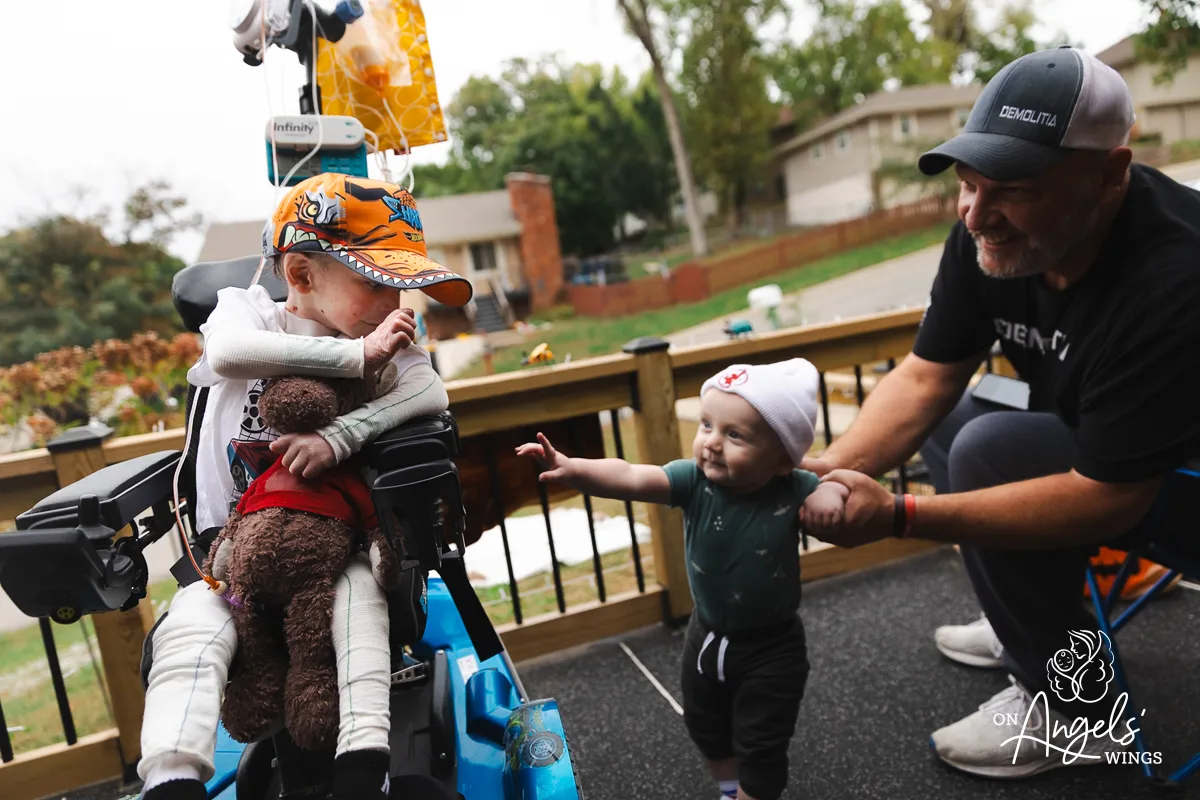
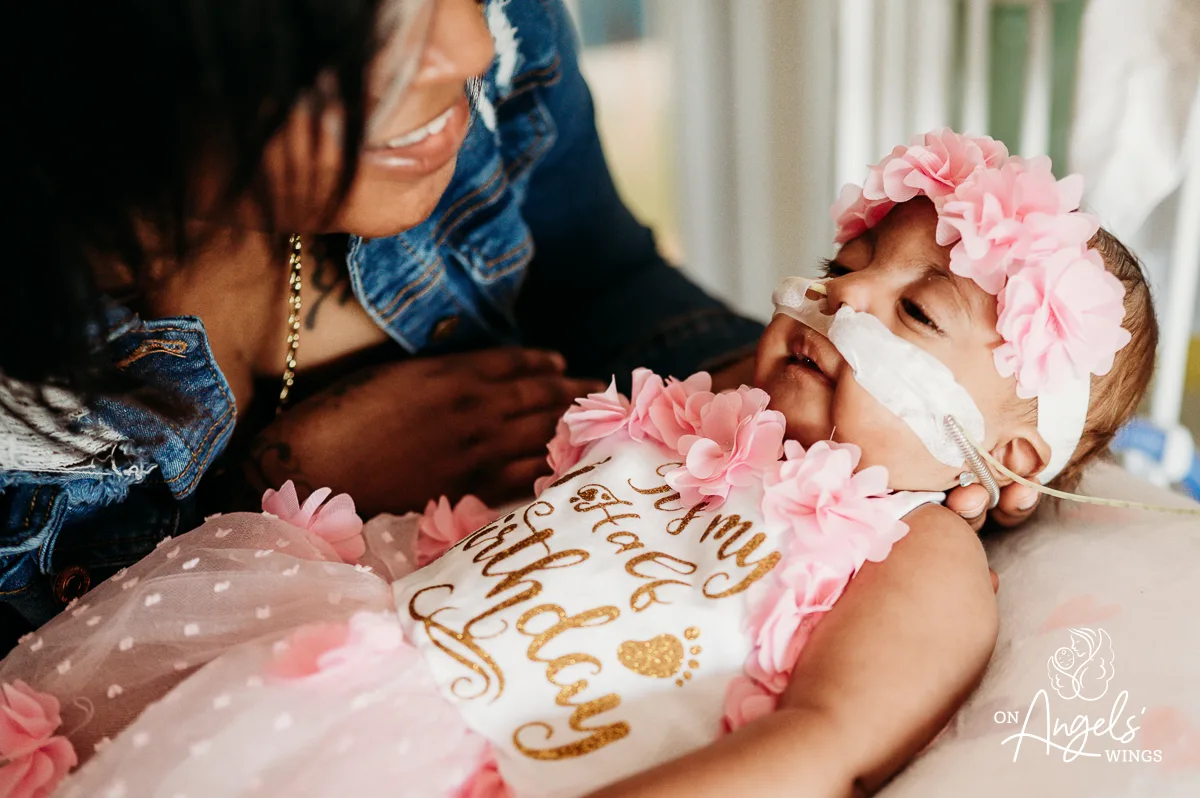
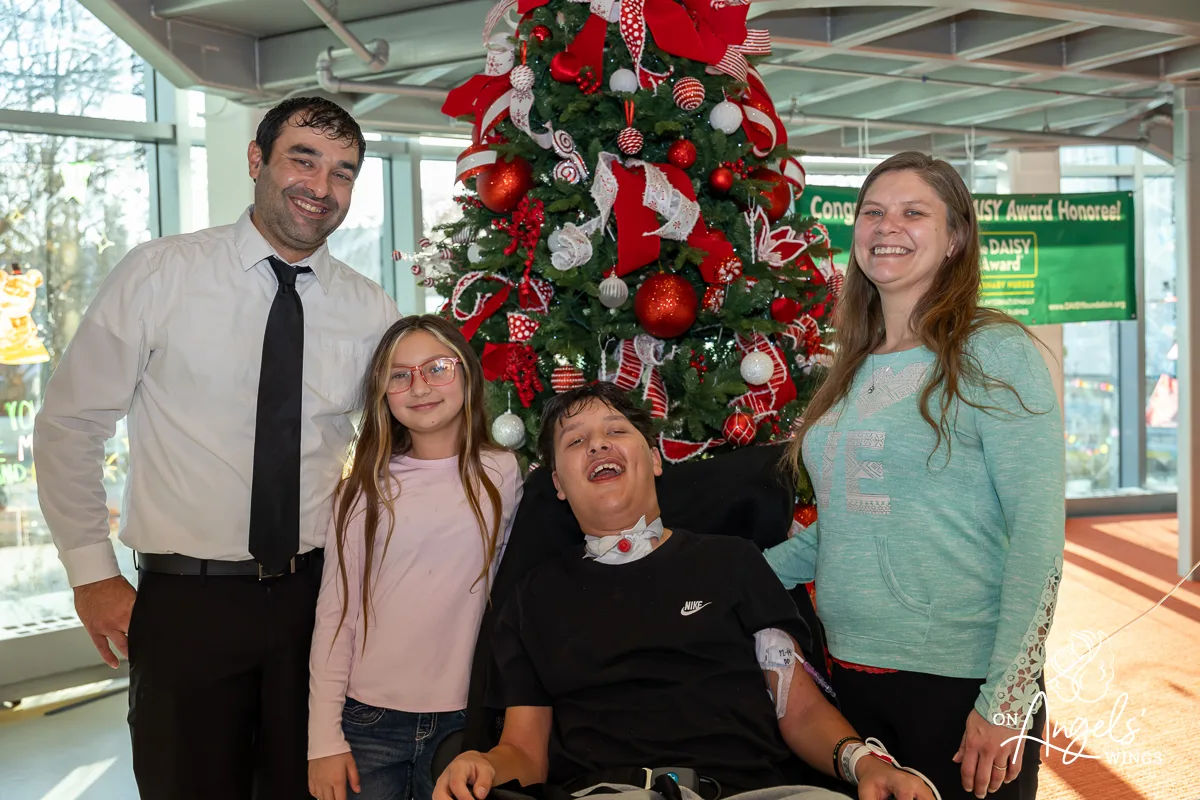
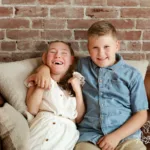
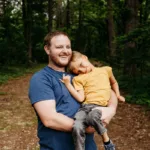
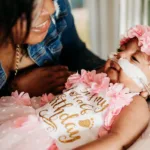
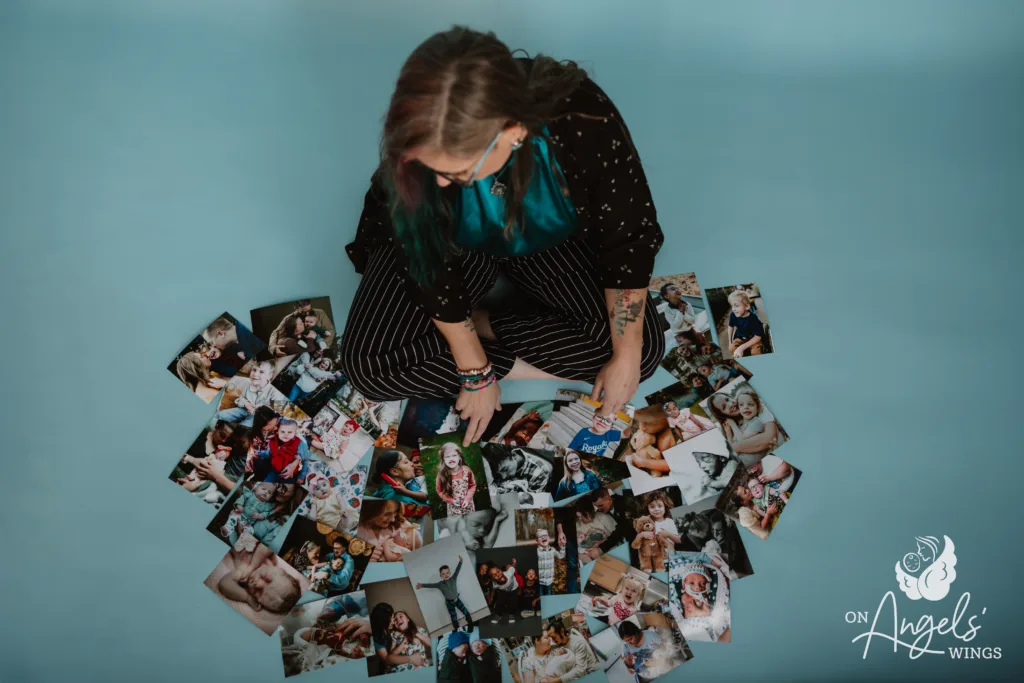
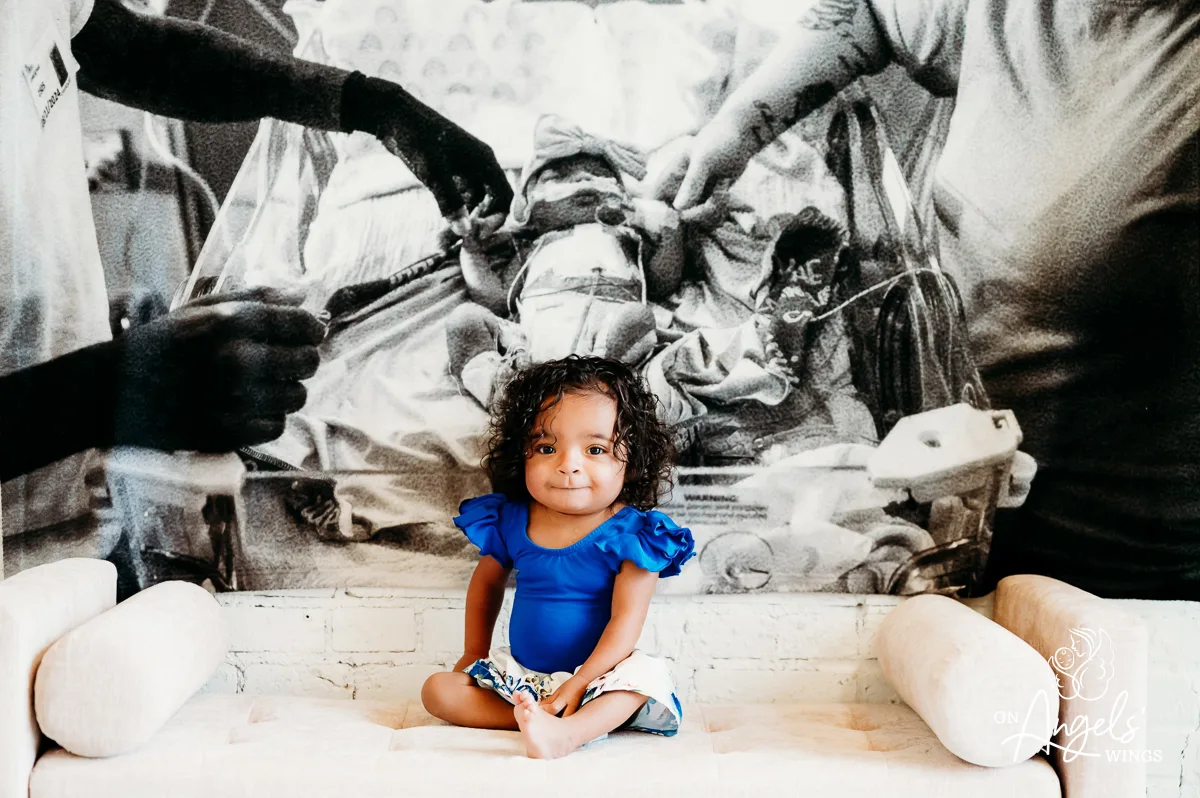
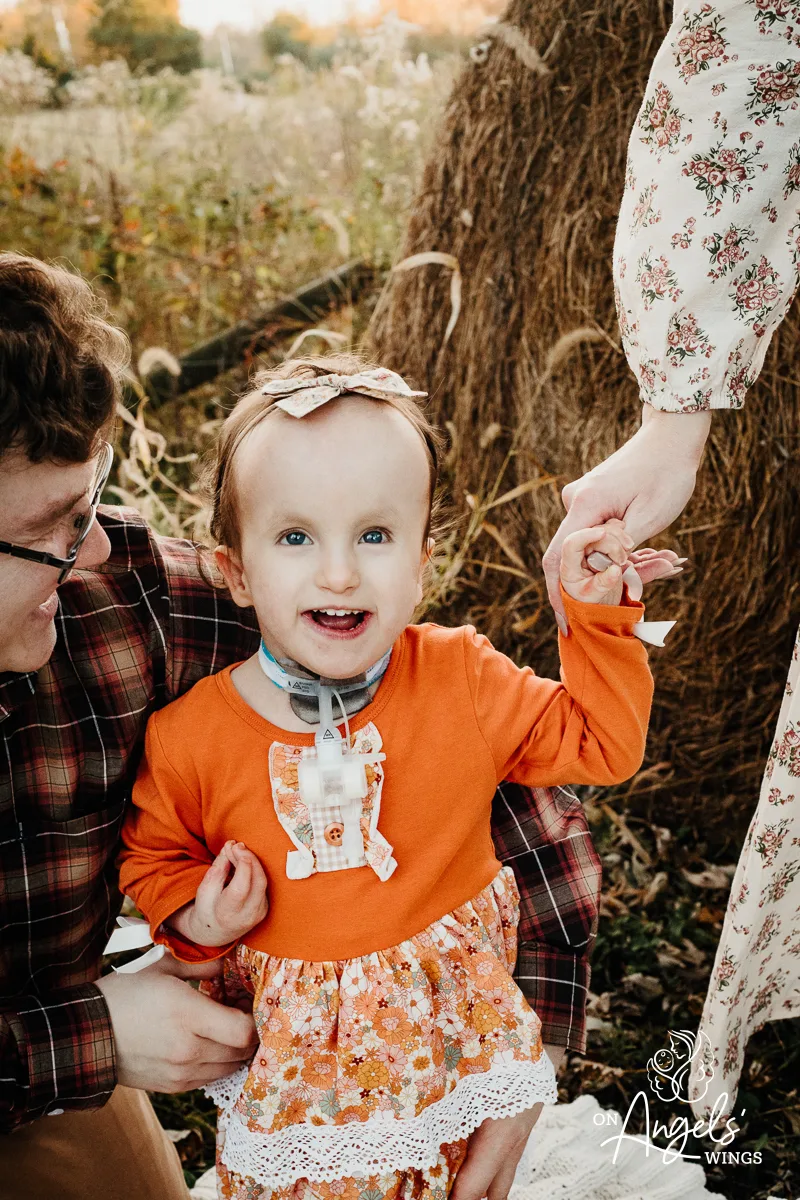
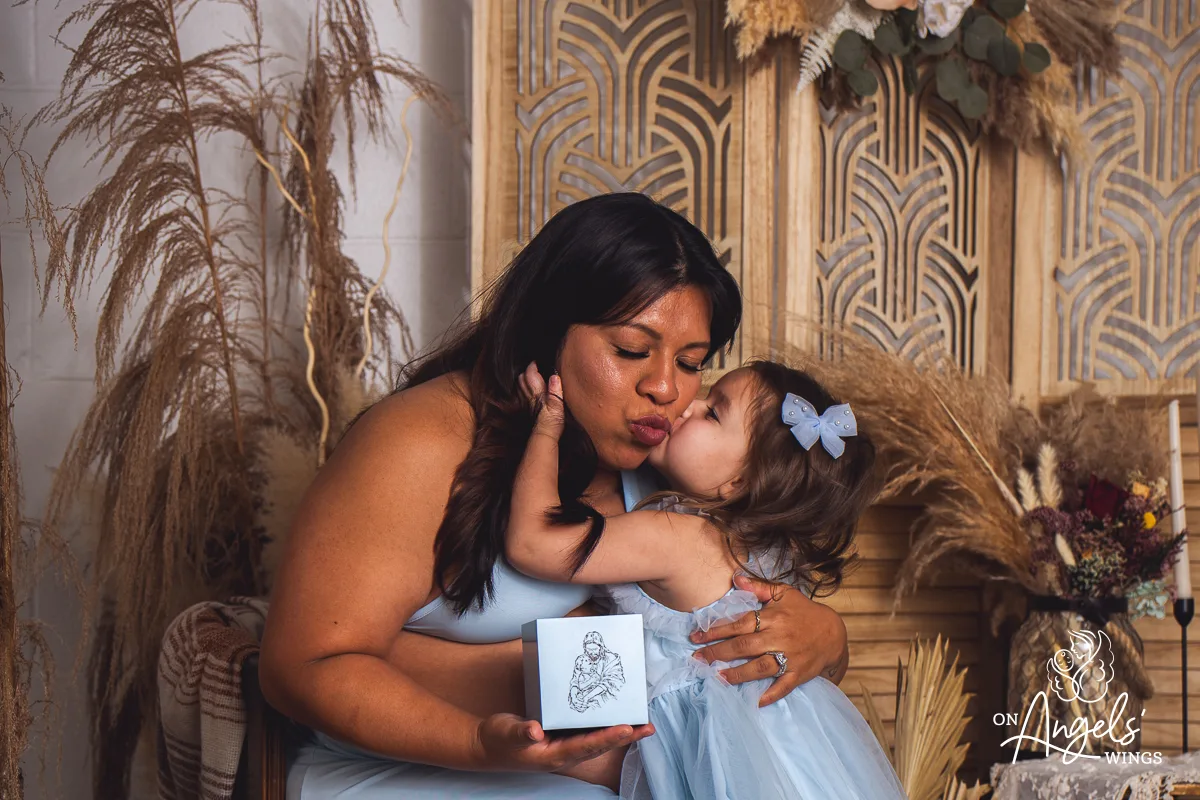
On Angels’ Wings often meets families during some of life’s most unimaginably difficult moments, offering the chance to capture time that might otherwise feel fleeting. A volunteer photographer arrives quietly, giving families of medically fragile children or who lose a child at birth the chance simply to be together in the moment. While photography is often how families are introduced to the organization, it’s only one part of what the nonprofit provides.
“We’re not just a photography nonprofit,” says founder and executive director Michelle Cramer. “Photography is how families first connect with us, but what we’re really providing is ongoing support and community.”
For Michelle Cramer, the mission reflects her own work as a photographer and her experience as a mother. After having her son and becoming aware of how often stillbirth and life-limiting diagnoses occur, she was determined to fill a gap in support for families facing those realities.
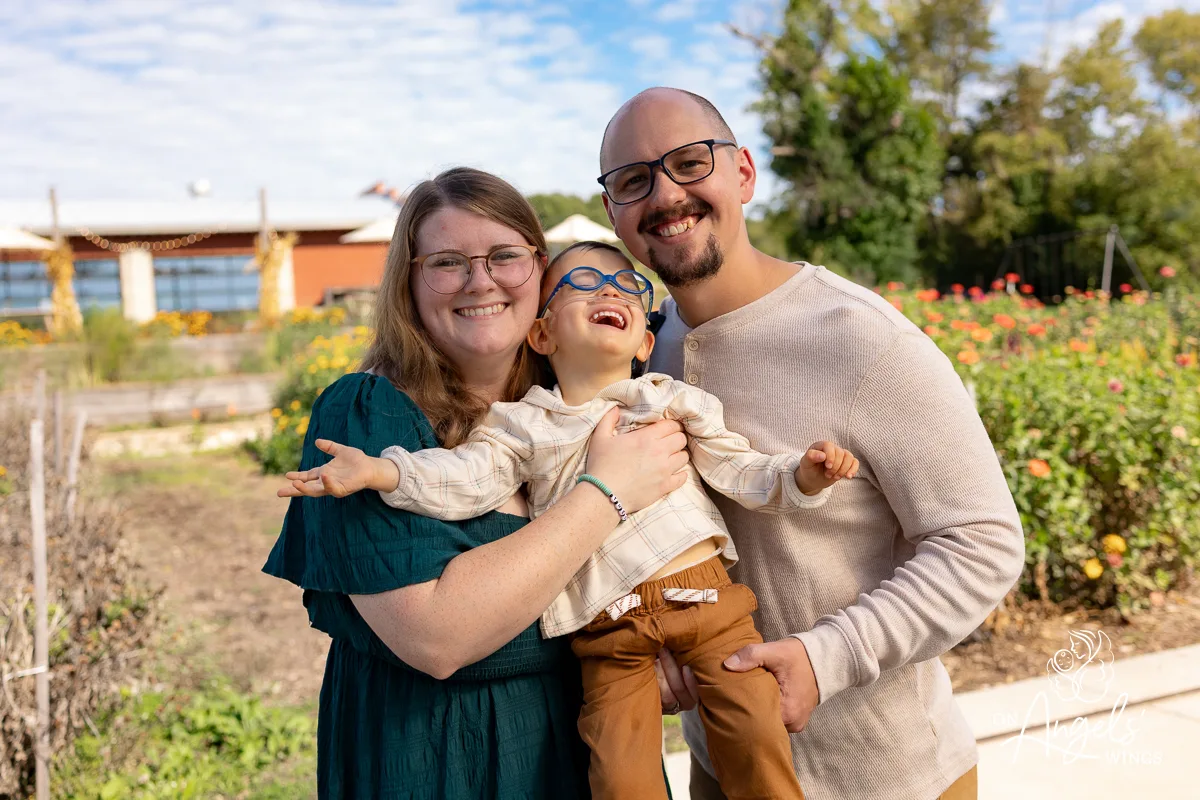
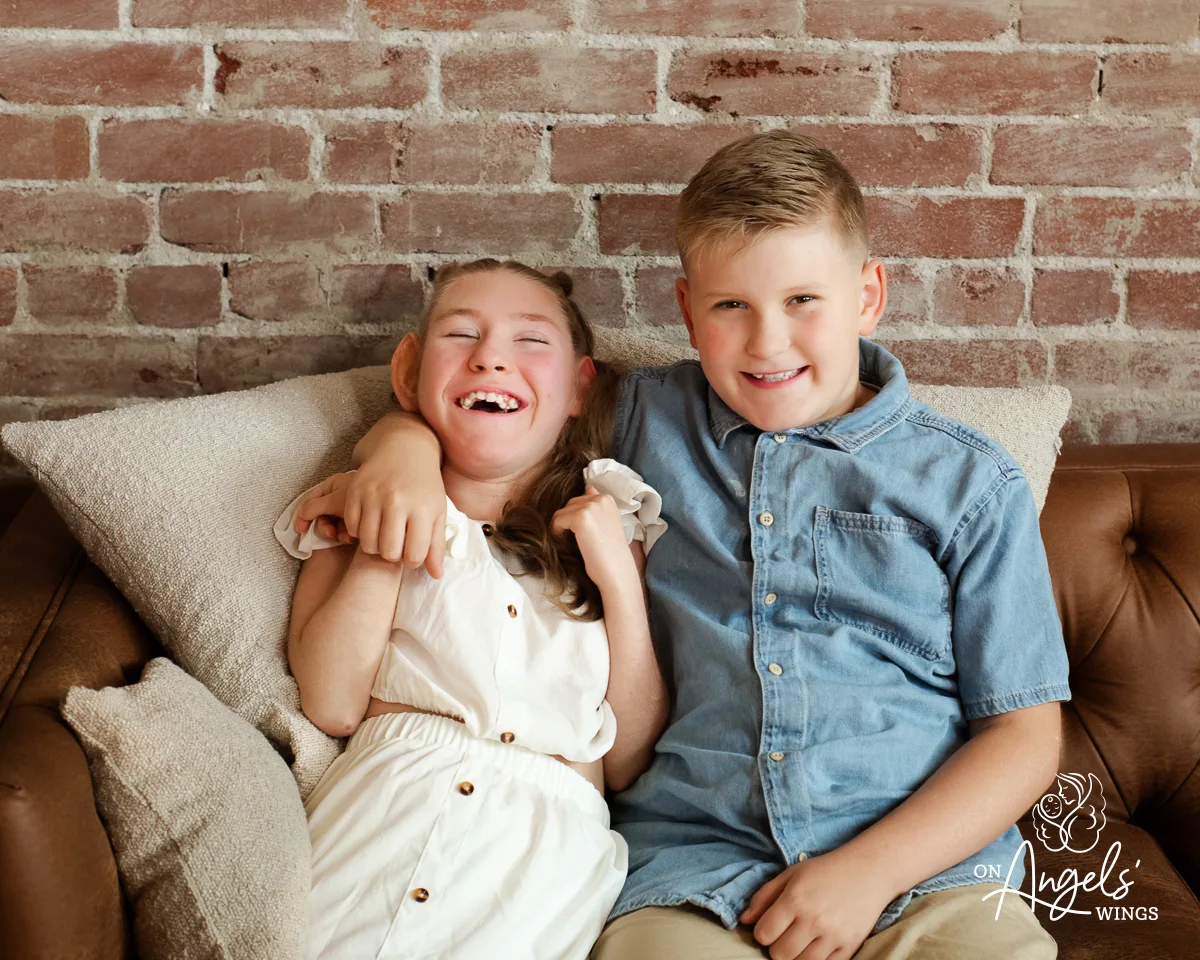
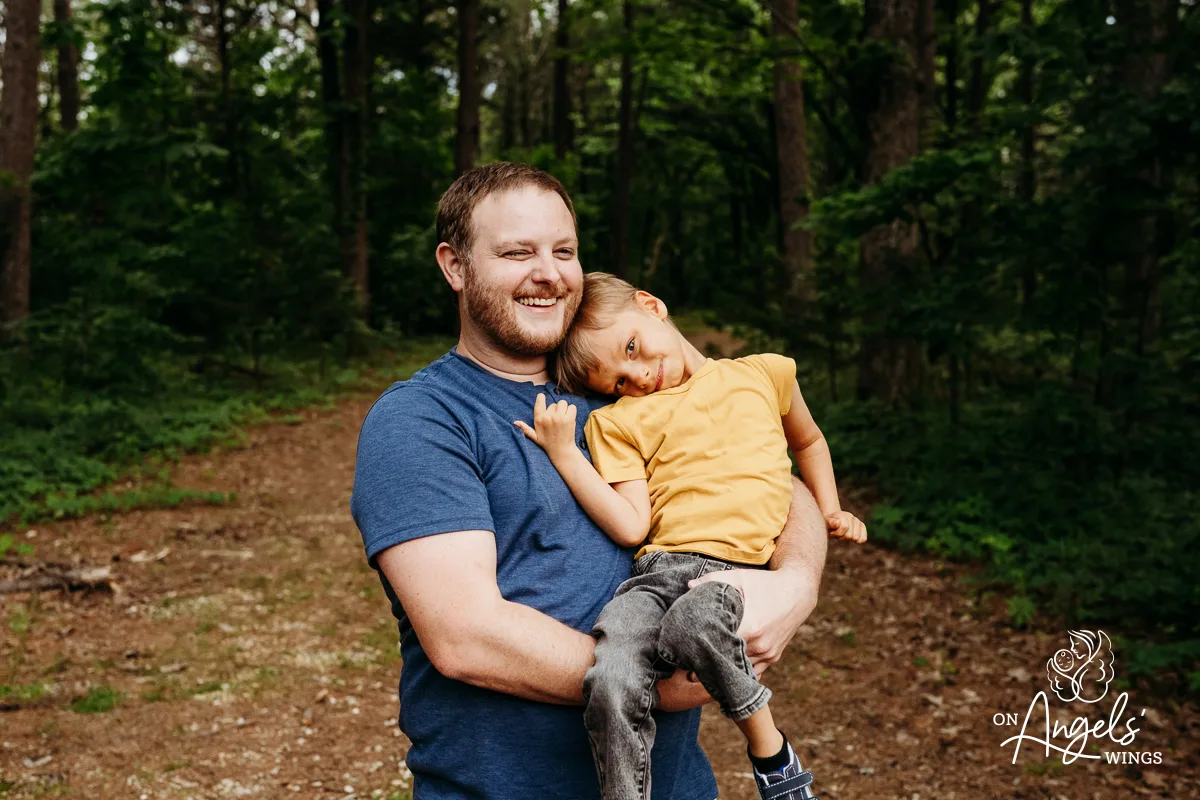
What Happens After the First Photo
Many people assume the organization’s work begins and ends with photography. In reality, that first interaction opens the door to something much larger.
In the greater St Louis region, On Angels’ Wings serves approximately 150 families per year. Over time, that reach has grown into a network of more than 1,000 families who remain connected long after their initial experience. Most connections with qualifying families occur through referral partnerships with six hospitals across the St. Louis metro area.
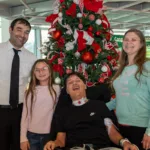
The difference is in how the organization continues to show up. Families are not left to face grief or uncertainty alone once they leave the hospital. Support continues through grief recovery programs, community events, memory building activities such as pictures with Santa, memorial gifts, and ongoing check-ins that remind families they are still seen. Over time, those connections help ease the isolation that often follows loss or a life-limiting diagnosis.
“It’s a very lonely space,” Cramer says. “We want families to know they’re not alone.”
The Power of a Photograph
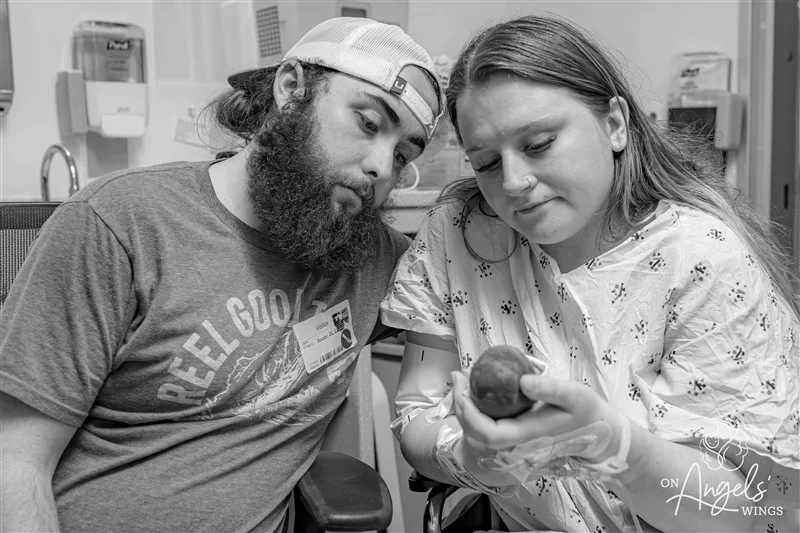
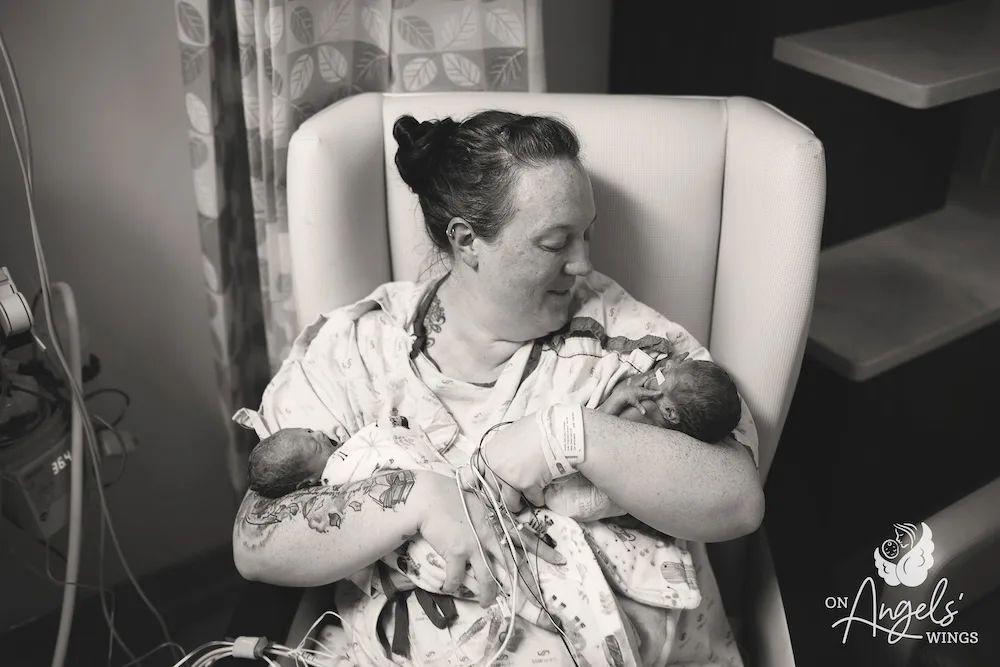
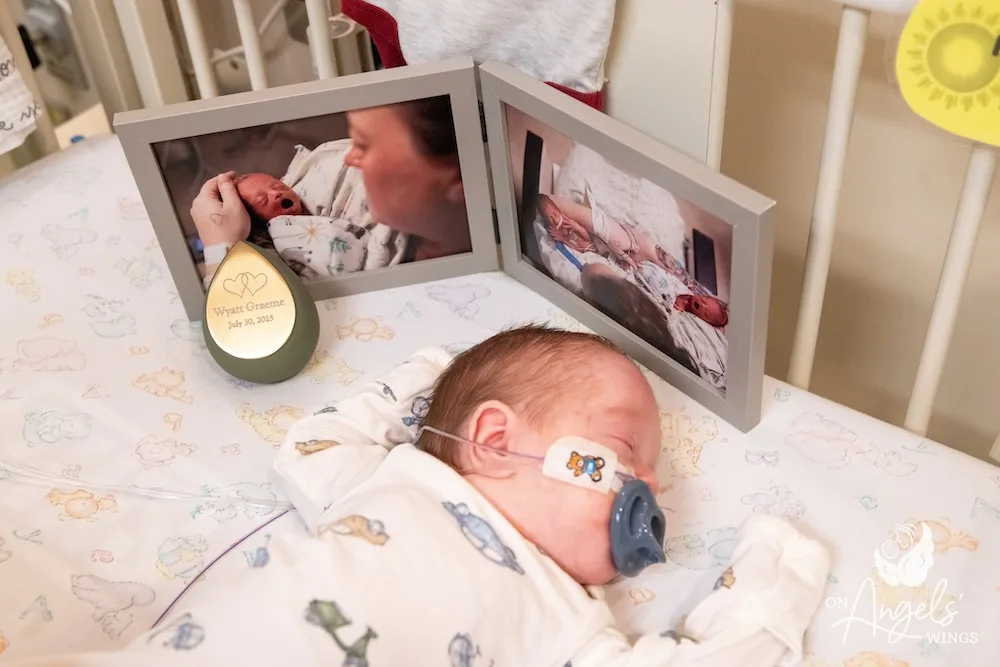
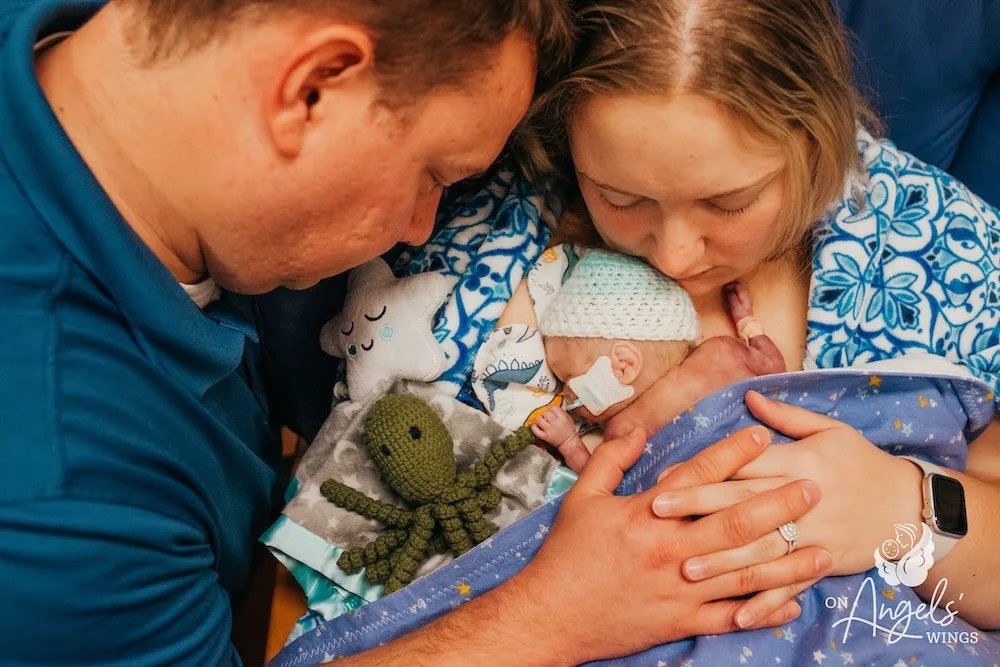
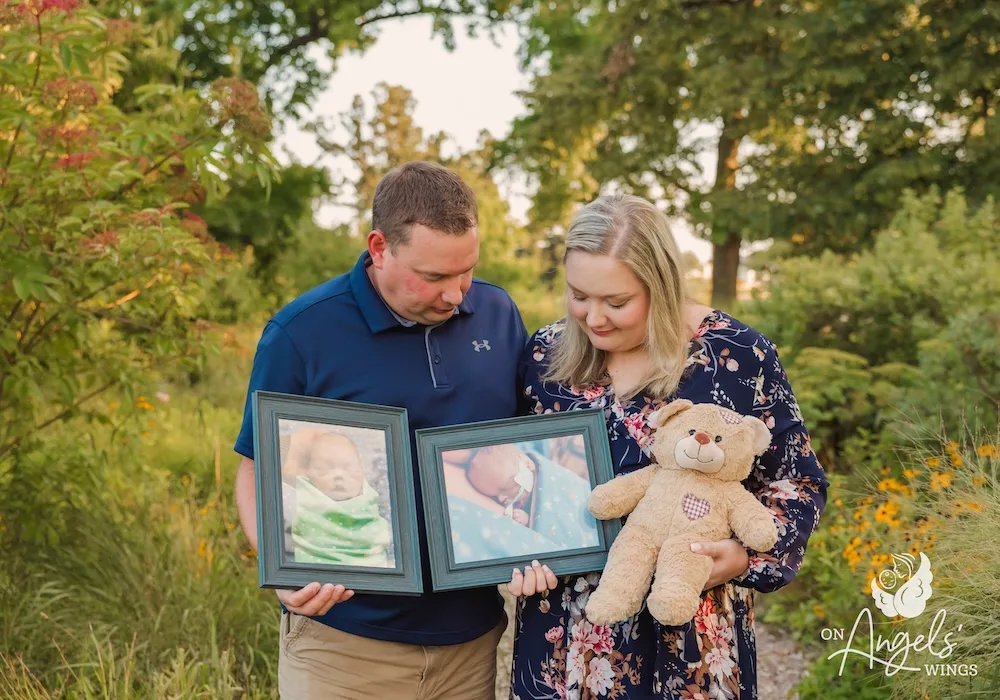
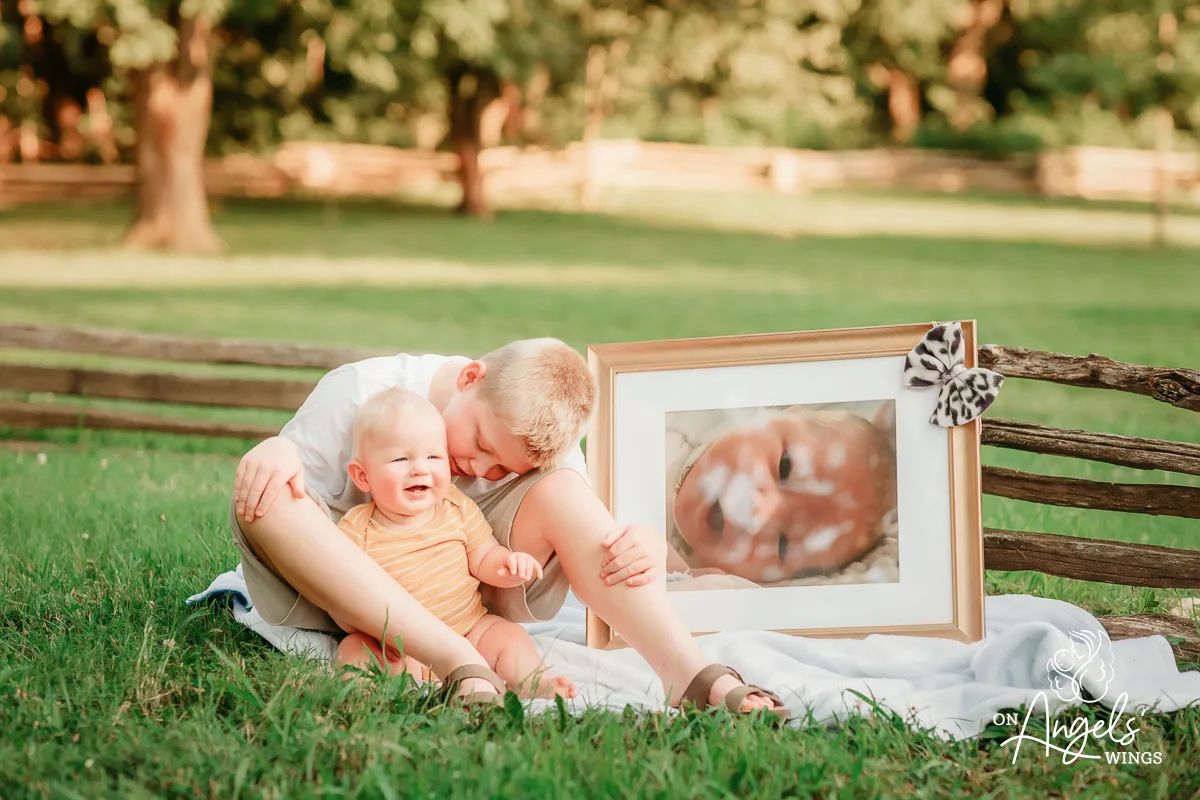
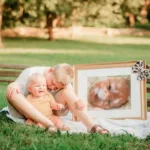
Amanda Loucks remembers exactly when everything changed. At 29 weeks gestation with twin boys, she was told that one son, Wyatt, had no heartbeat. Her second son, Ean, had to be delivered by emergency C-section 12 hours later and spent 11 weeks in the NICU. Right after the boys’ birth, she was given the chance to have photos taken by an On Angels’ Wings volunteer photographer, which she describes as “the only time I would be able to have all three of us together.” In a moment marked by both overwhelming grief and quiet connection, the experience offered a way to pause, allowing her to be fully present with both of her sons in a way that would not be possible again. That moment became something she now holds onto every day, both beautiful and heartbreaking, a memory that carries equal weight of loss and love.
“Seeing my boys together, holding them at the same time—that moment is forever captured,” she says.
Those images became more than photographs, preserving something that might have otherwise felt intangible. They created a connection, turning a fleeting moment into a memory that can be returned to again and again.
“They gave me tangible memories of my son,” she says. “Wyatt is always part of our lives because of those photos.”
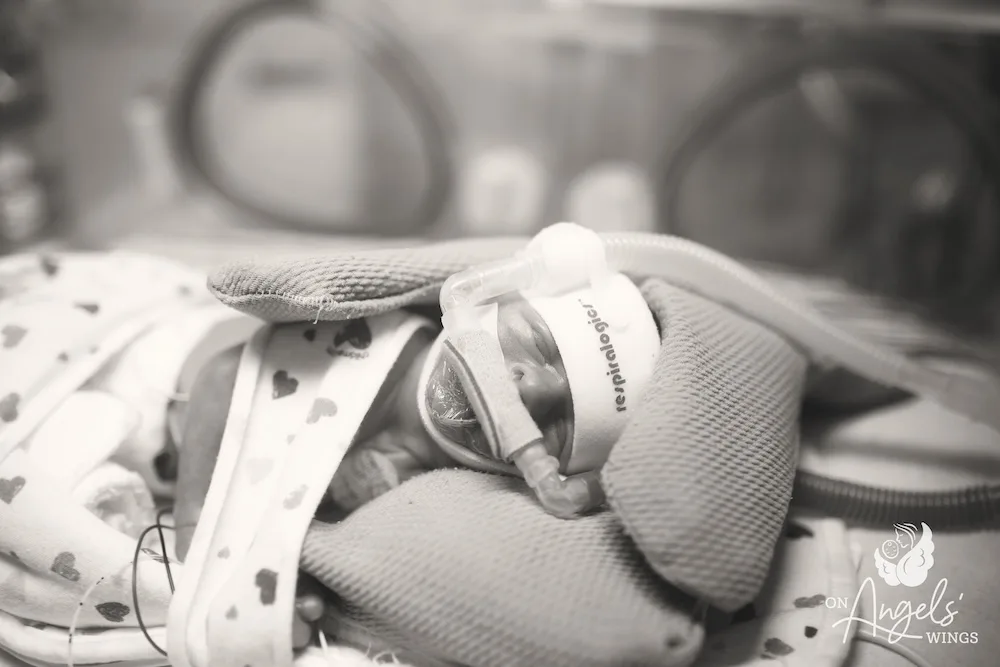
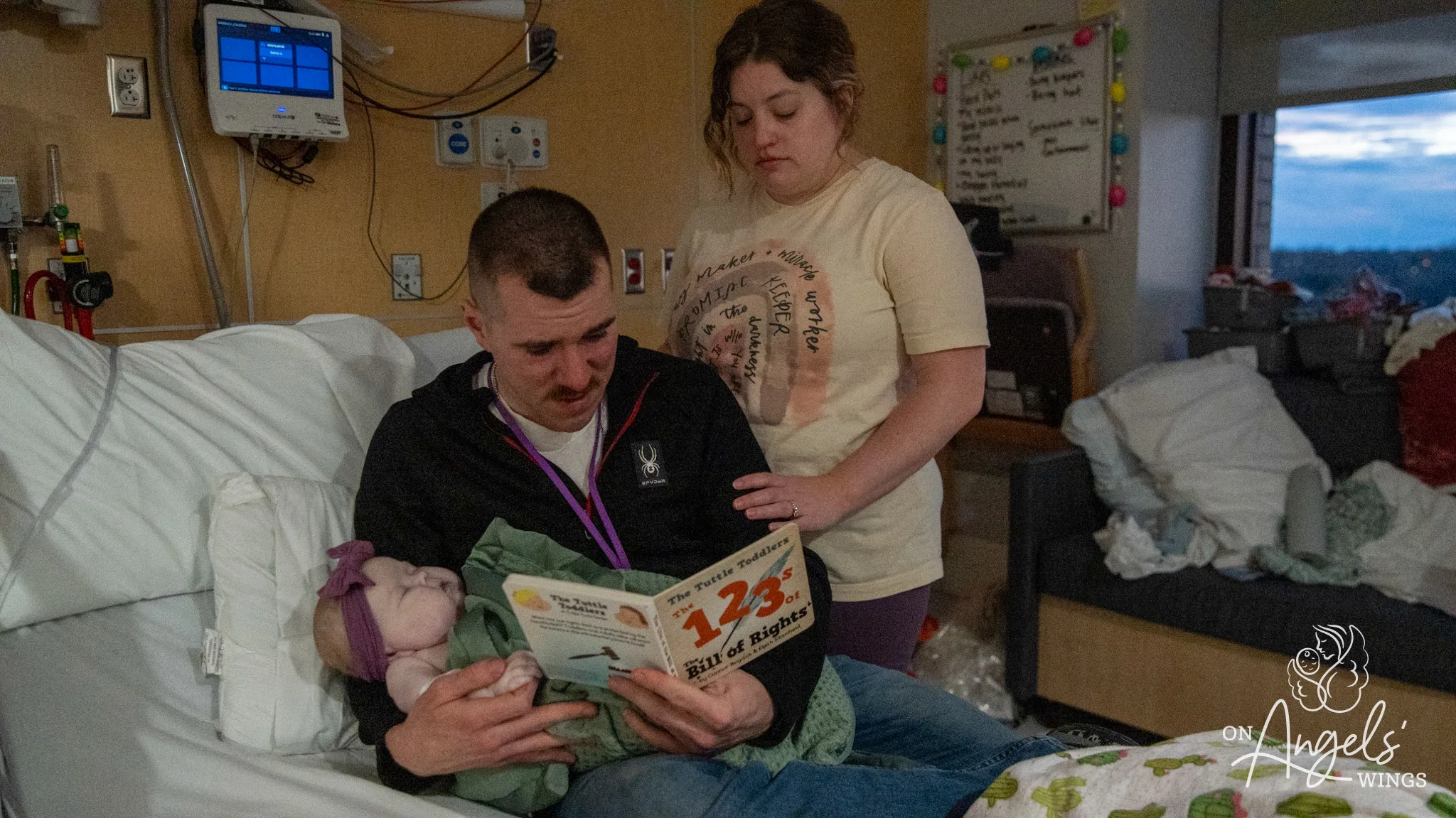
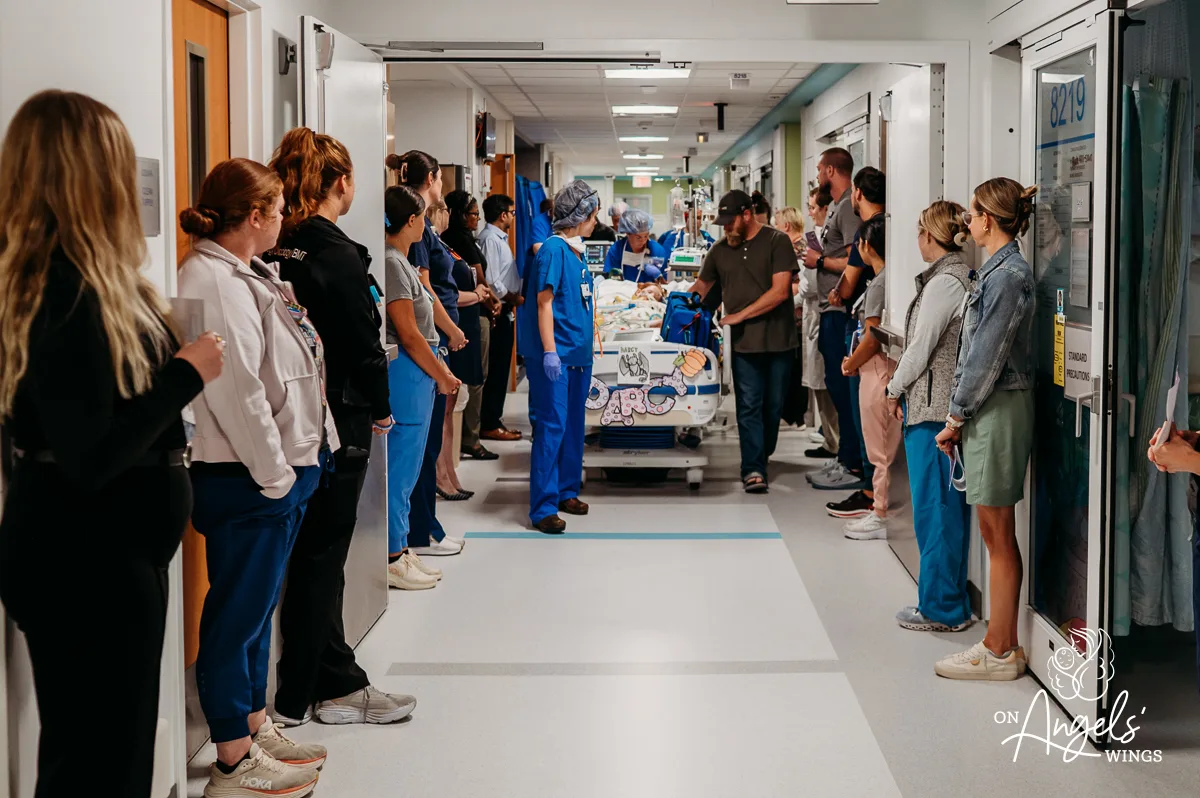
Katie and Carl Schwarz were introduced to On Angels’ Wings in their son Hudson’s final moments, after a sudden shift in his condition following a premature birth at 26 weeks. After weeks in the NICU, where he had been progressing, they were told that he would not survive. “We truly believe he needed time with us as much as we needed it with him,” Katie says.
Although they initially hesitated, a volunteer photographer came into the room and gently documented those last moments together as a family. “The photographer was so loving, kind, and patient with us,” she says. “Those images mean everything to our family.”
The Moment That Meant More
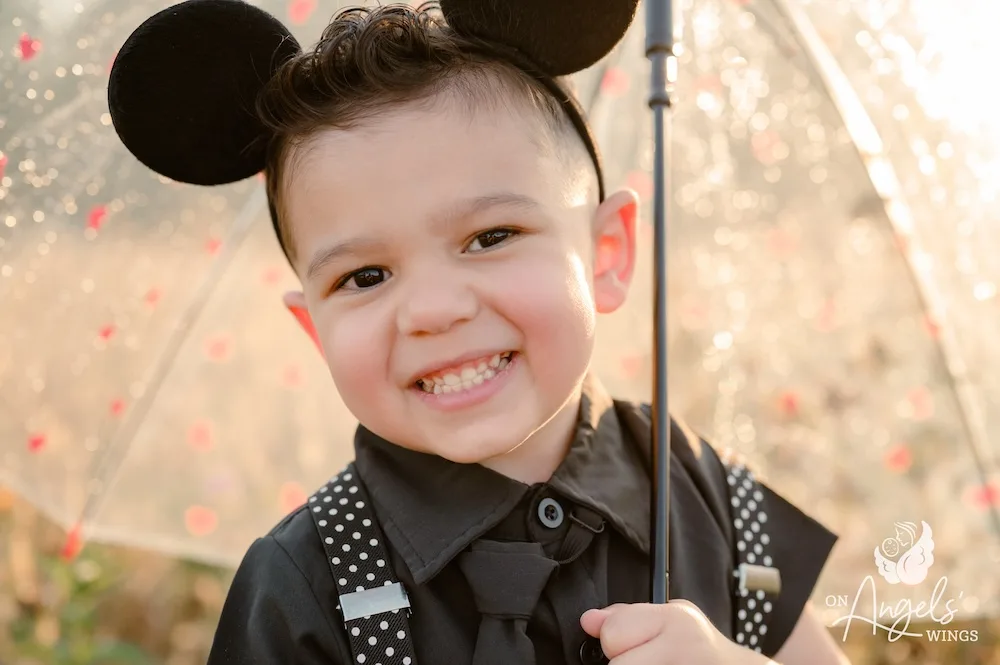
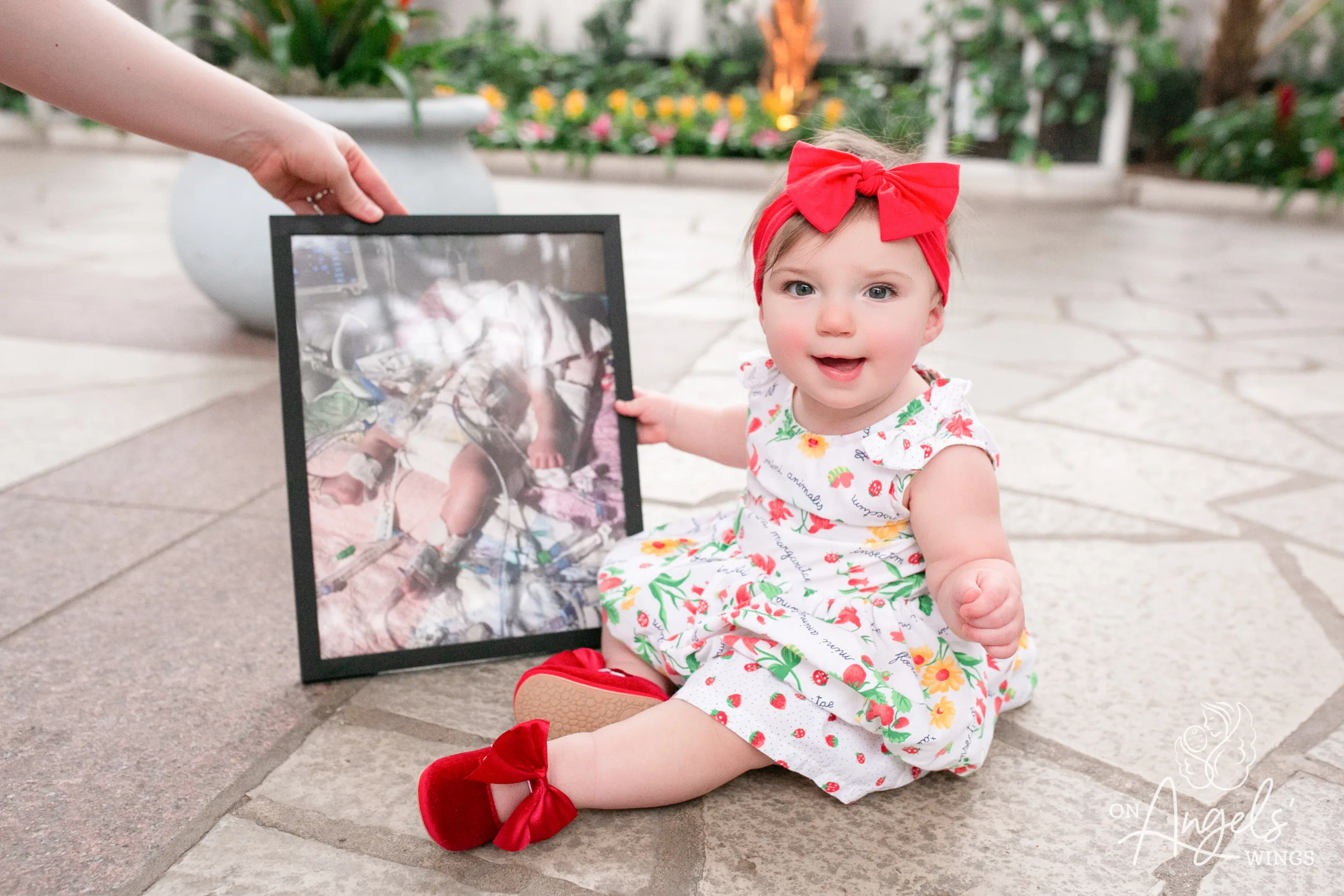
Stephanie Weidknecht first connected with On Angels’ Wings while searching for a way to celebrate her son’s first birthday after a difficult medical journey, wanting to mark a milestone that once felt unsure. After months in and out of the hospital and navigating the financial strain that came with it, she turned to her community for help finding a way to document the moment. “I just wanted to document his first birthday because of everything he had endured,” she says.
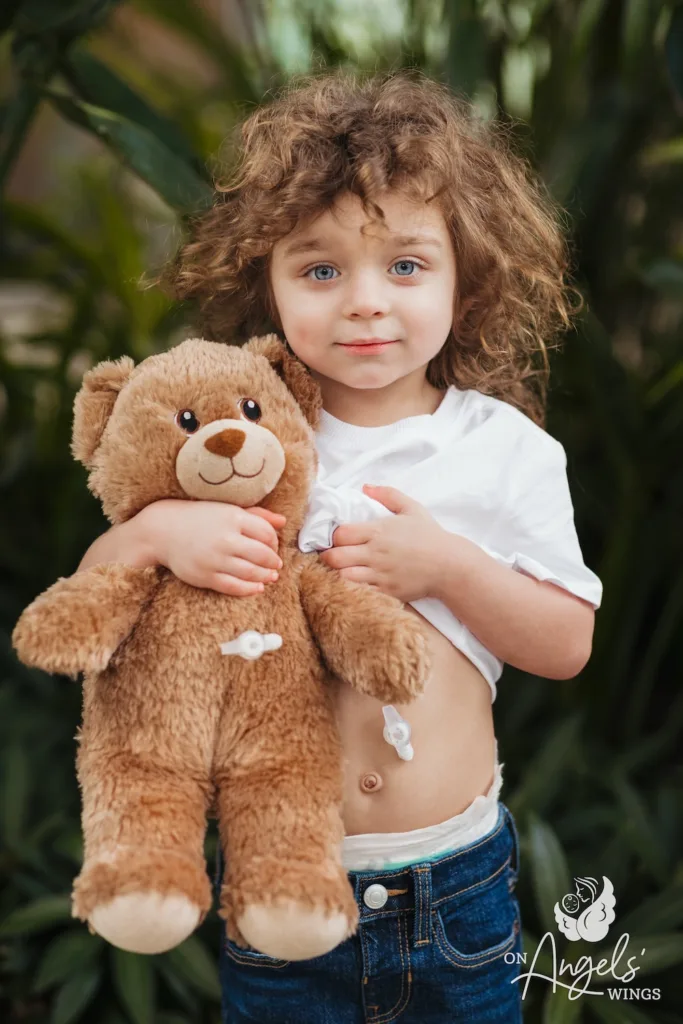
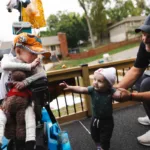
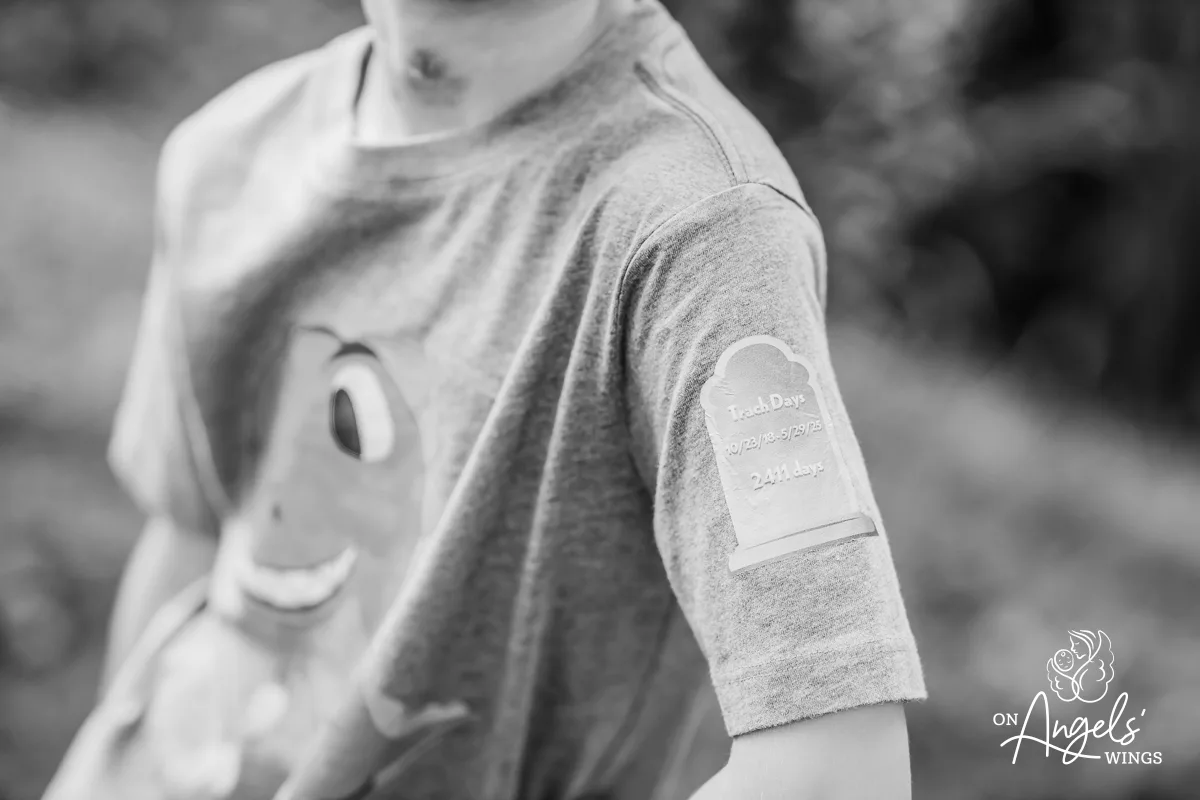
That’s when she was introduced to On Angels’ Wings and her son became what the organization calls a “journey recipient”—an affectionate term for medically fragile children who are still fighting and the journey that the organization documents and supports. In the midst of medical challenges, the opportunity to mark his big milestone carried deeper meaning.
A single session quickly grew into something more. The organization continues to show up through ongoing photo sessions, emotional support, and repeated check-ins. Over time, that support extended into moments that she hadn’t expected, from helping provide essentials during difficult financial strain to connecting her with additional resources when she needed them most.
Reflecting on these repeated connections, Cramer says On Angels’ Wings is “engaging with families in as many ways as we can and letting them know we’re here for them.”
As time goes on, the connection becomes more personal. Journey recipient parent Micah Smiley says she remembers filling out the form more than three years ago to request a simple photo session. “I didn’t realize at the time that it would become so much more than that,” she says.
After being matched with a photographer, her family’s first session set the tone for everything that followed. “It was incredibly positive from the very beginning,” she says, adding that the consistency stands out most. “Communication has always been supportive, and we’ve felt understood and cared for throughout the entire process.”
Today, her family remains connected through events and relationships with others who share similar experiences. “OAW has truly become like family to us,” she says.
Rising Need and a Conversation Few Are Having
Demand for these services has grown significantly in recent years, with hundreds of families seeking support each year as the organization continues to expand across Missouri and nearby communities. In fact, demand has increased by more than 70 percent in recent years, with nearly 500 photo sessions and new family connections taking place annually across service areas.
Awareness continues to fall short of the need, though. Conversations about child loss and life-limiting diagnoses are often avoided, even though many families are living through them every day. “People don’t want to talk about it,” Cramer says. “But that’s exactly why this work is so important.”
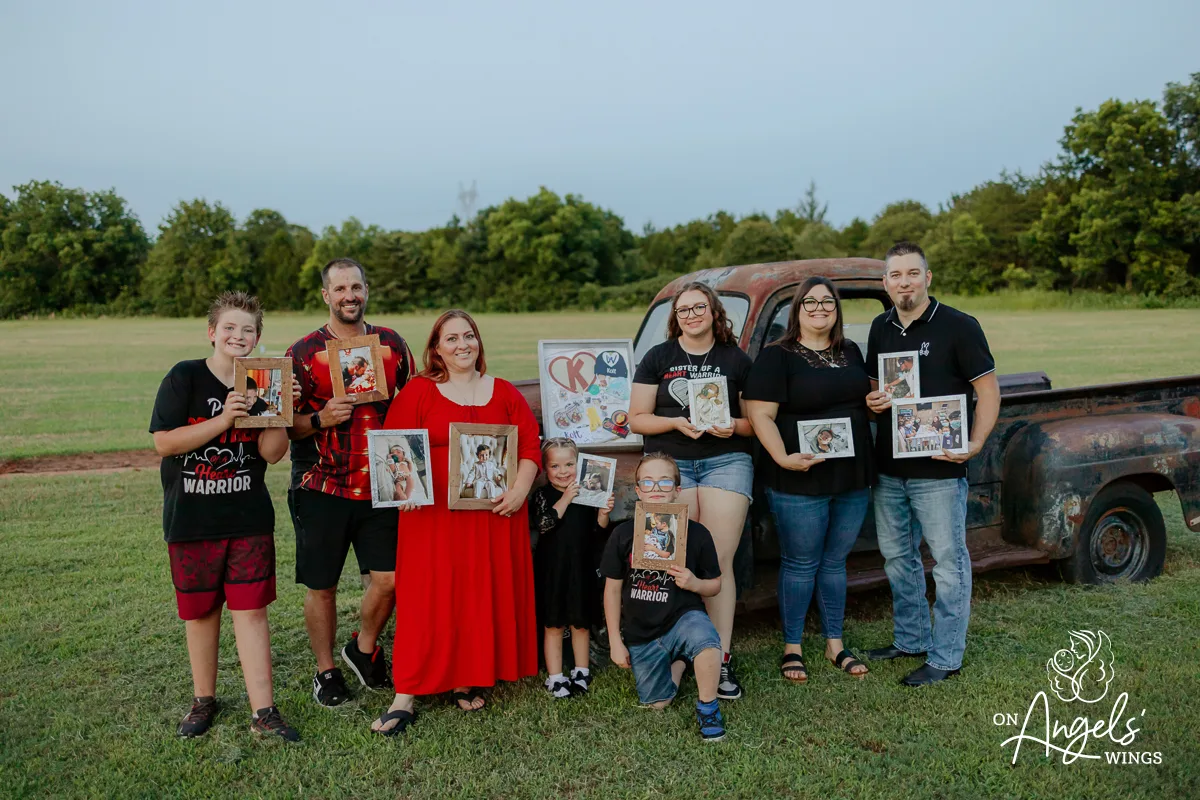
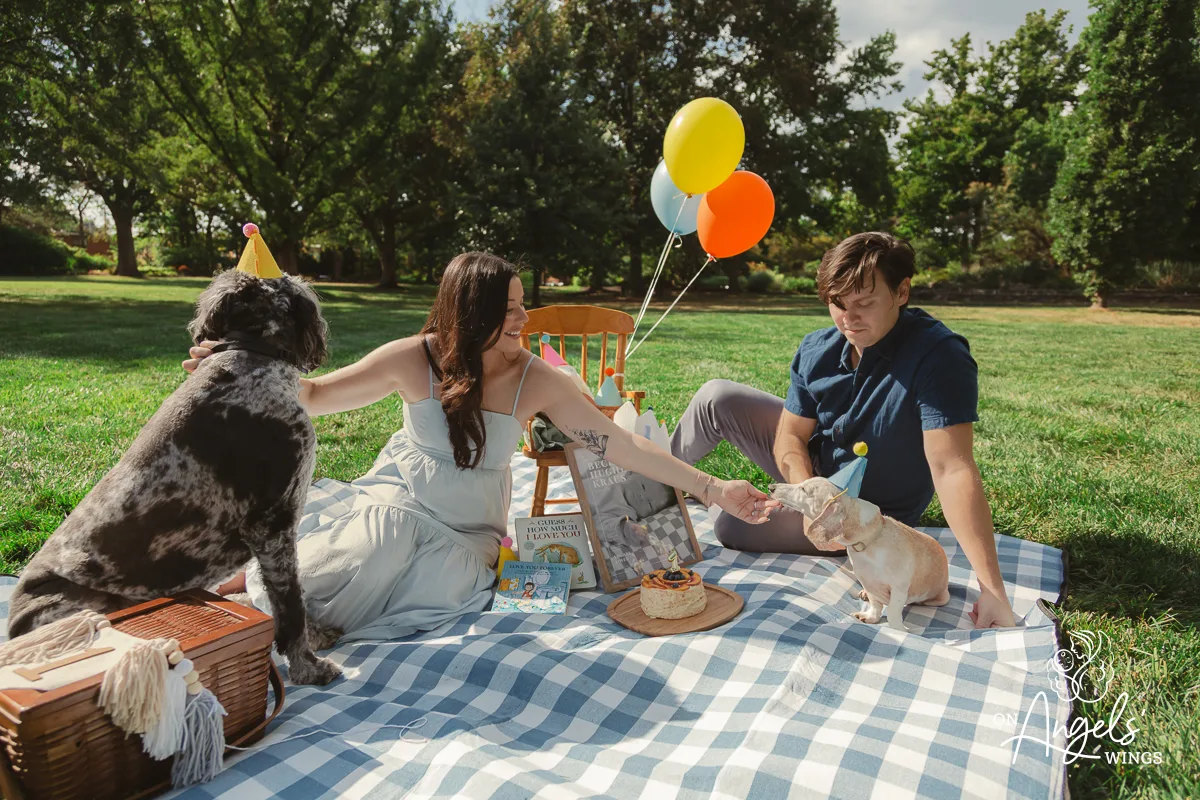

The reality is more common than many realize: About 1 in 175 pregnancies ends in stillbirth at 20 weeks gestation or later, and roughly 25 percent of children born with a heart condition will require life-saving surgery, sometimes multiple times. These are just two examples of the families On Angels’ Wings serves. They are not rare experiences, yet they often remain unspoken.
“When I first learned that stillbirth still happens at that rate, I was shocked,” Cramer says. “There’s this misconception that once you get past a certain point in pregnancy, everything is fine, and that’s just not the case. These families are living through something incredibly real and often incredibly isolating, and the world around them doesn’t know how to respond.
“These families are living through it every day, and it’s incredibly isolating,” she continues. “People don’t know how to show up for them, or they avoid it altogether. That’s why we do what we do. It’s not just about taking photos; it’s about making sure they’re supported, that they’re not alone in it.”
Accessing Support and Making It Possible
On Angels’ Wings operates through volunteers and community support, with services provided at no cost to families.
Families facing a life-limiting diagnosis or the loss of a child often begin with a single step. Those interested in requesting services or learning more about eligibility can visit the organization’s Qualifications and Processes page to better understand how and when support is offered.
Behind the scenes, donations help make that support possible. They fund coordination, grief recovery programs, and the continued outreach that keeps families connected long after their first interaction. “Photography is how families first connect with us, but what we’re really providing is ongoing support and community,” Cramer says.
“People do not want to talk about kids dying. It is hard, it is heartbreaking,” she adds. “We don’t want to address it if we’re not facing it head on ourselves. That’s why On Angels’ Wings exists. Families facing the unimaginable—the loss or potential loss of their child—don’t have to go through it alone.”
This post was created by SLM Partner Studio on behalf of On Angels’ Wings. To learn more about On Angels’ Wings or to support families in the St Louis community, visit oawphoto.org.


