Midtown is about to get greener.
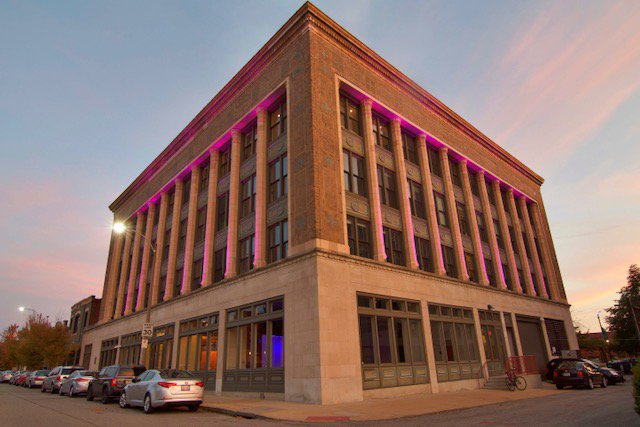
This spring, Urban Harvest STL will team up with the the Kranzberg Arts Foundation to plant a rooftop garden atop .ZACK, the four-story arts incubator located in the former Cadillac building, at 3224 Locust.
Find the best food in St. Louis
Subscribe to the St. Louis Dining In and Dining Out newsletters to stay up-to-date on the local restaurant and culinary scene.
“Urban Harvest STL is excited to expand our urban farm network to the .ZACK rooftop this spring,” Urban Harvest executive director Mary Ostafi said in a statement, “and to collaborate with the Kranzberg Arts Foundation to further our food-giving program and education in the community.”
The garden will include a “wide diversity of crops,” including tomatoes, peppers, cucumbers, greens, kale, and root vegetables. Fruit and vegetables will be used in the Kranzberg Arts Foundation’s food and drink programs. The produce will also benefit Urban Harvest’s area partners, including St. Louis MetroMarket, which delivers much-needed fresh, healthy options to local food deserts.
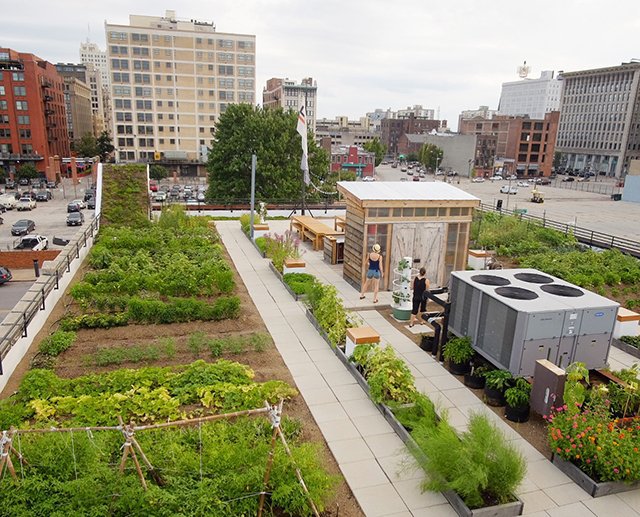
Urban Harvest STL—which planted the city’s first rooftop farm (pictured above) atop a downtown building in 2015—will also host educational programs and community events inside the .ZACK space. For example, the nonprofit would like to engage nearby schools to teach students about growing food in an urban environment.
And the Kranzberg Arts Foundation is looking for other opportunities to encourage sustainability. “Now, whenever we see land or rooftops, we’re thinking of what we could do with the space,” says executive director Chris Hansen, who plans to work alongside Ostafi to identify future opportunities.
“Integrating gardens and green spaces into Kranzberg’s buildings makes sense,” says Ostafi. “As they grow, we hope to bring more of these spaces to their properties.”
See Also: Urban farmers are trying to bring more green to St. Louis