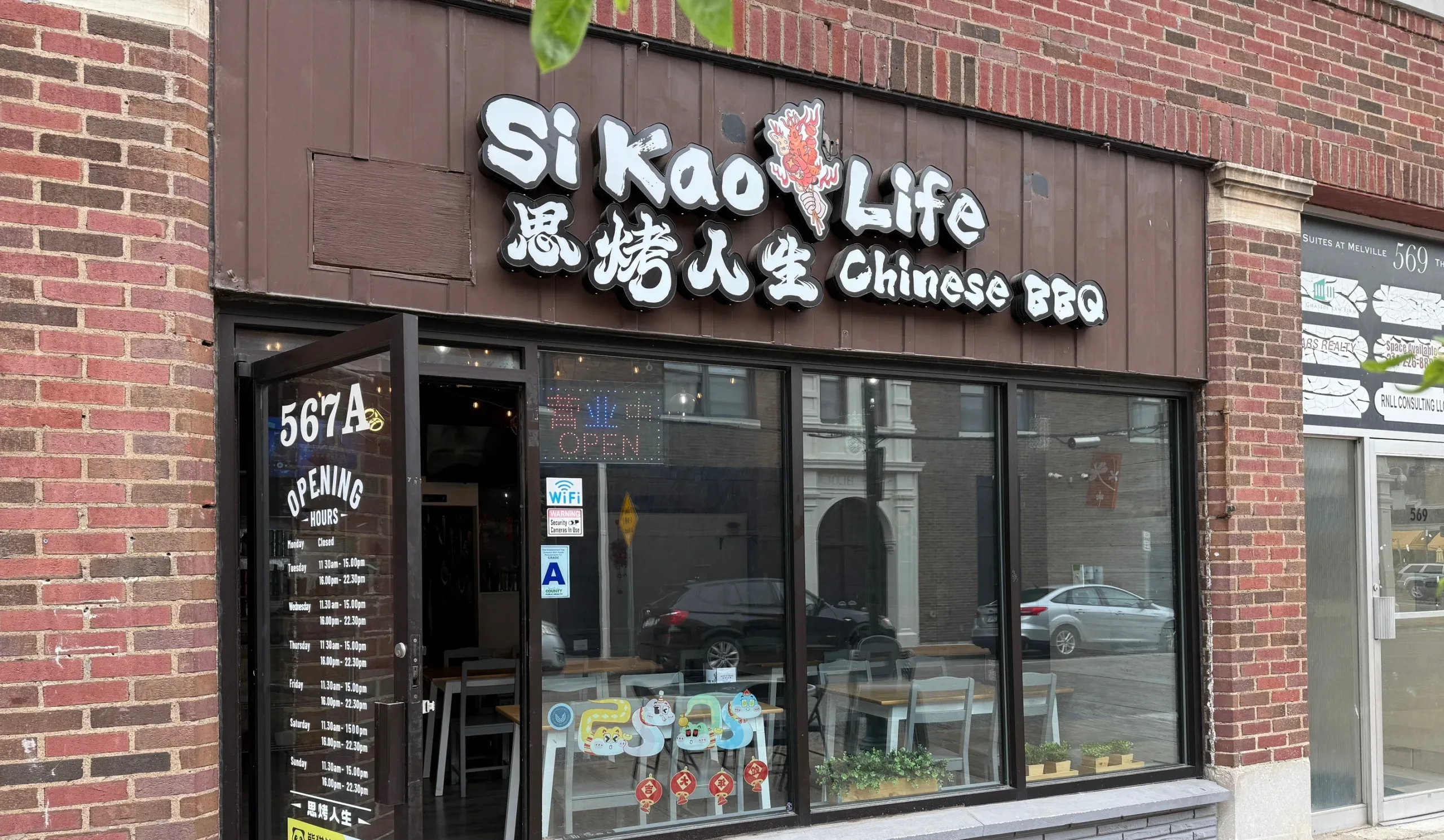
Crab Rangoon is not on the menu at Si Kao Life Chinese BBQ (567-A Melville), which recently opened in the Delmar Loop. It’s the latest in a proliferation of St. Louis restaurants offering authentic Chinese food that’s several time zones away from beef and broccoli, egg rolls, and fortune cookies.
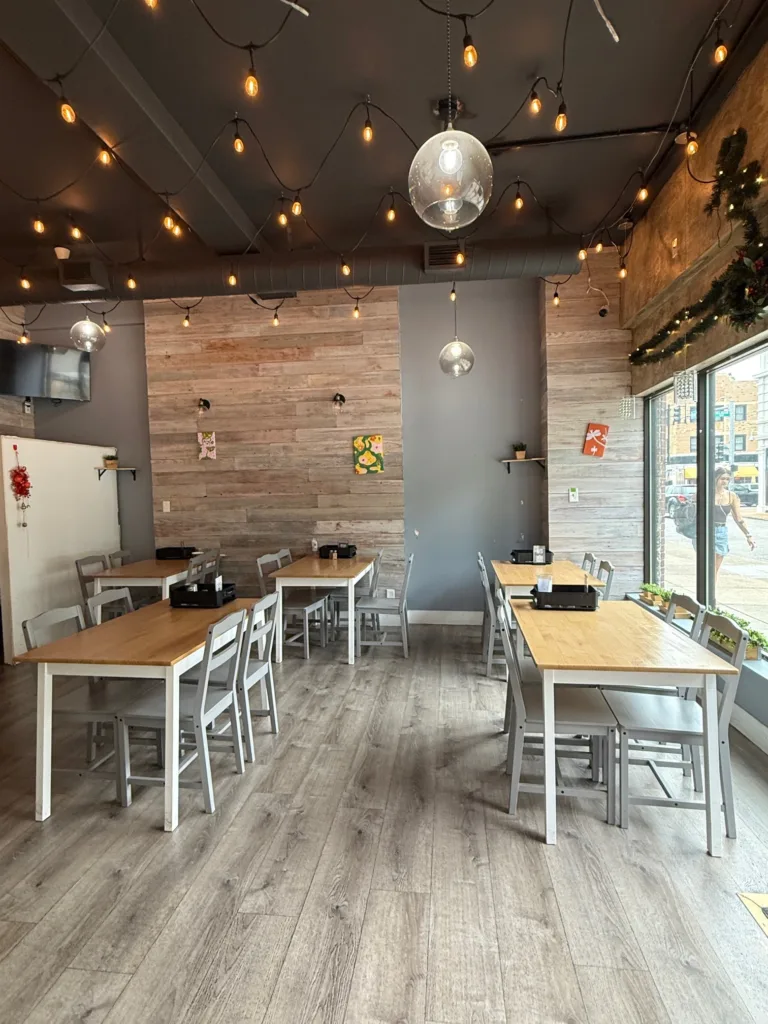
The 50-seat interior is plain, as small as the menu is large. There are about a dozen tables with only one large enough to seat more than four diners, though when crowds from nearby WashU start arriving, some of those tables are quickly shoved together. It’s those students who have already made this restaurant a gathering spot that’s bustling nightly. And while Chinese is the dominant language here among staff and many customers, the restaurant welcomes anyone who takes a seat.
Find the best food in St. Louis
Subscribe to the St. Louis Dining In and Dining Out newsletters to stay up-to-date on the local restaurant and culinary scene.
Of late, authentic Chinese restaurants in St. Louis have names that don’t always immediately make sense: Corner 17, Kitchen 95, Cate Zone… Si Kao Life is no exception. It depends on a deliberate misreading of one character, resulting in a pun that just doesn’t translate. The best rendering is to call it a “place where one ought to have a life spent thinking about roasting food.”
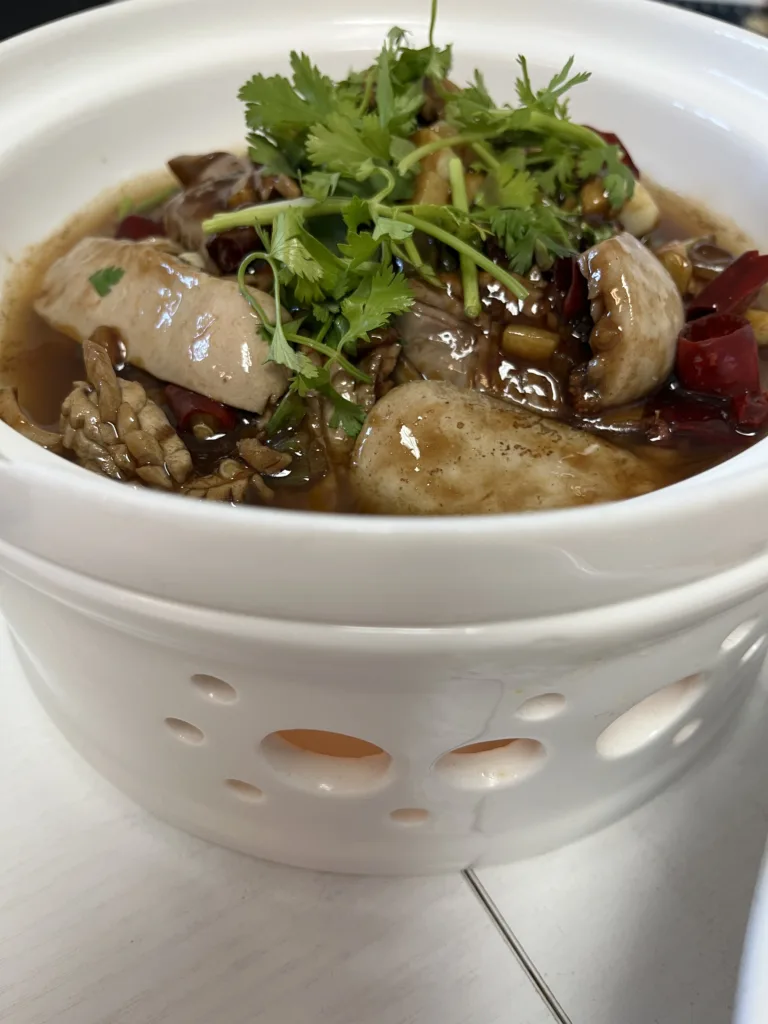
The menu also includes some memorable monikers: Blood in Chili Sauce, Fiery Pig Kidney, Beef Scalded Aorta… To be sure, these are the sorts of offerings that may have some diners electing to head elsewhere for dinner. But in that case, they’d be missing out on Salt & Pepper Pork Ribs and a superb version of Mapo Tofu that is a tongue tingler. In short, even if your idea of “exotic” dining isn’t much further out than sampling the Taco Bell Fire sauce, Si Kao Life is a jewel of complex tastes and ingredients that say a lot about the region’s current dining scene.
The slight, tantalizing whiff of cumin is the first clue as to the region where the chef comes from and what he likes; the second is in the particular selections of Szechuan dishes, which are heavy on meats and seafood. Similar to Cate Zone, the flavors and many of the dishes here are from Dongbei, in northern China. Think of it as kind of like Chicago, with lots of cold and food that does not skimp on calories.
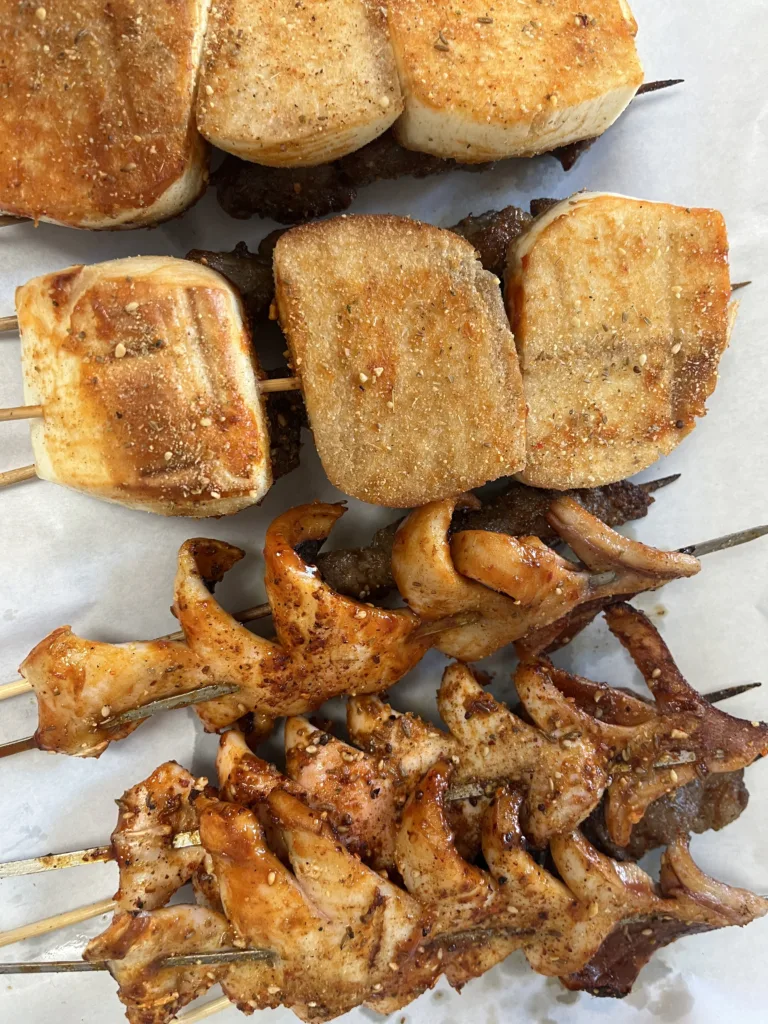
The restaurant’s specialty are skewers. It seems like anything that can be pierced finds its way onto a bamboo spindle hits the fire and arrives on a tabletop brazier to keep things warm. Chunks of pork spare ribs, beef short ribs, and pork belly are all threaded and roasted, dusted with a combination of cumin, white pepper, and seasoned salt. The star among these skewers are the lamb kabobs and, yes, you might be nonplussed about lamb because of the distinctive after taste, but trust us: These are spectacular. They’re carefully stacked on the skewer, alternating cubes of fatty and lean. Sikao also uses vinegar to marinade the meat, neutralizing any gaminess.
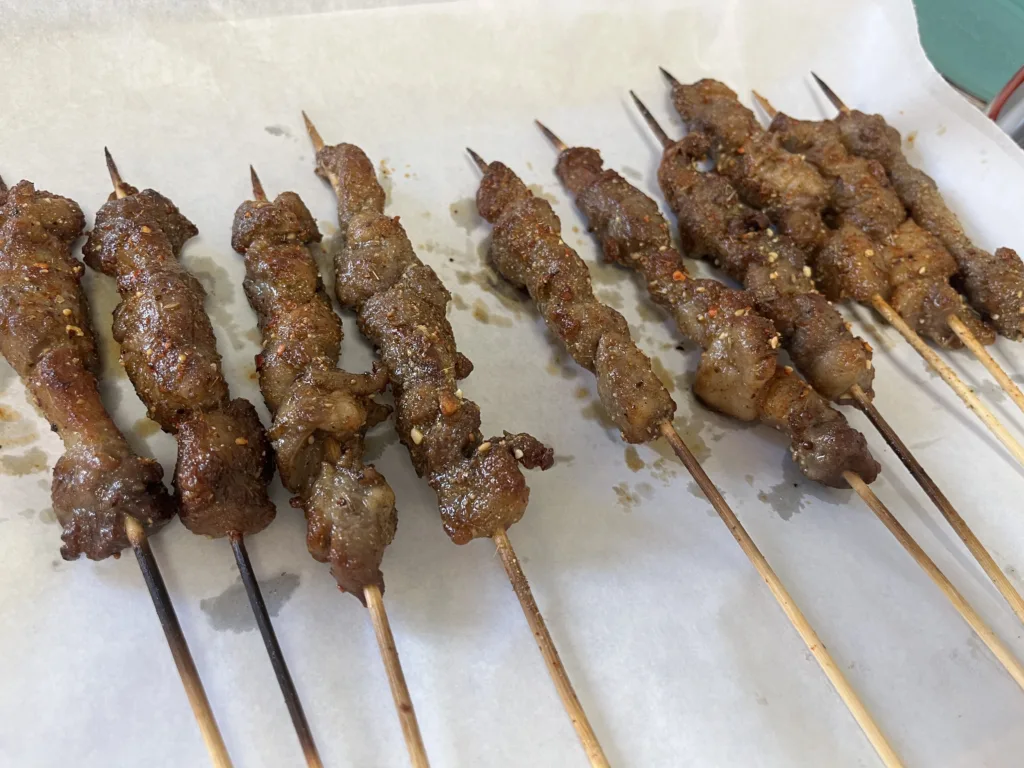
The smack of cumin on the lamb and many other dishes here isn’t what we might think of as Chinese flavoring. It’s not often that you taste so much history in a meal. That pungent, peppery cumin on your tongue has a past that’s nearly 2,000 years old. Cumin entered Chinese cuisine in the Xinjiang region, in the West, bordering Kazakhstan and Mongolia, as a result of the Silk Road. Uyghurs there worked it into their food, and it spread all across far northern China.
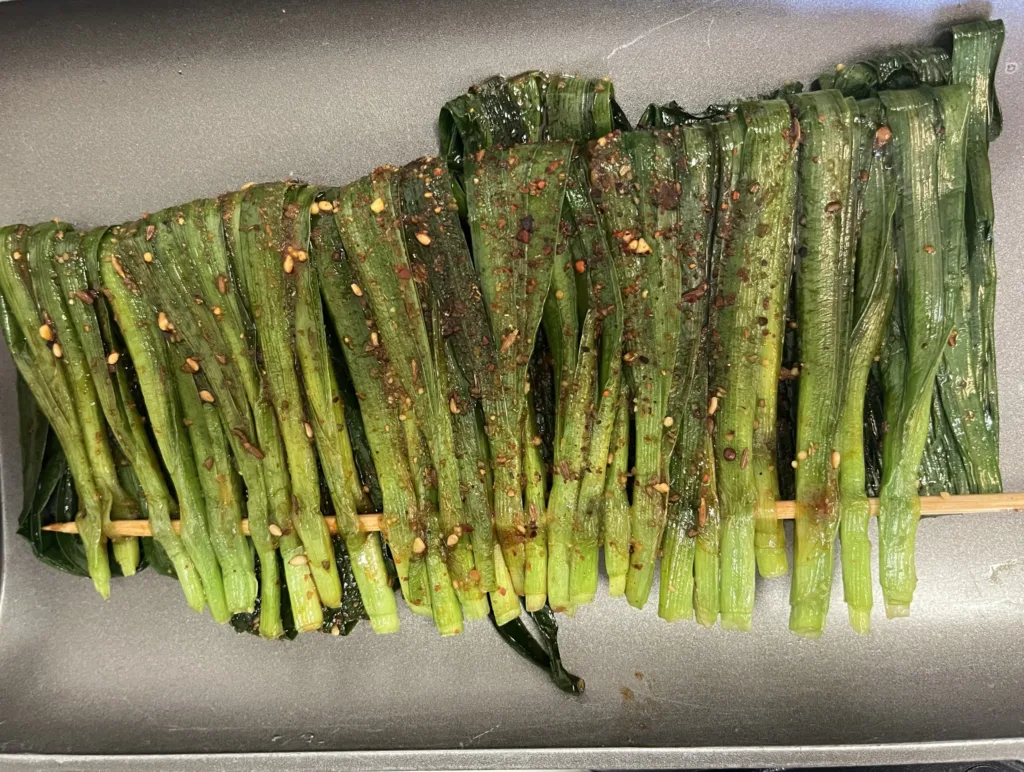
A-choy is a leafy Chinese green that’s also seasoned here and skewered; it has a crunchy, tangy bite. Chinese chives, also roasted, have a bright crispiness and a skewer of them will allow you to say you had some vegetables. A fillet of skewered big squid from the grill has that rubbery chewiness that you either like or hate; the problem here is that the fillet is nearly a foot long and nearly impossible to pull apart for sharing. You’re better off with the baby octopus skewers, which make a delightful mouthful.
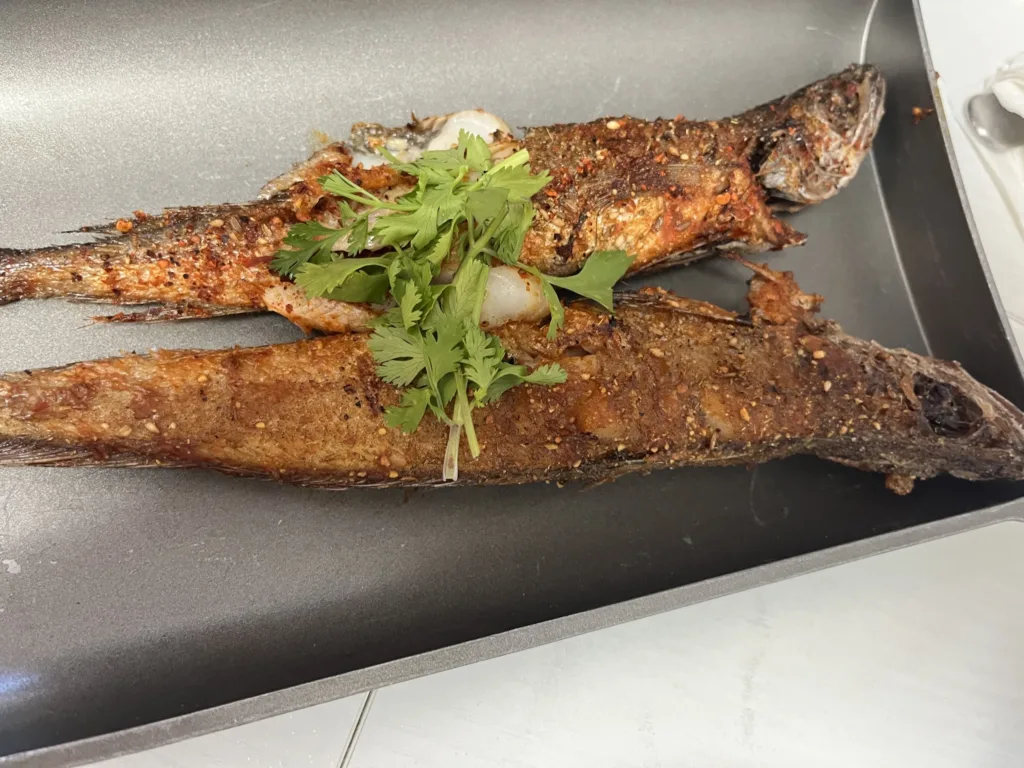
A couple of other seafood dishes are interesting. Whole whiting are grilled and arrive with their teeny-tiny sharp teeth smiling at you; the meat falls off the bone—it’s delicious, mild, and sweet. Scallops and “vermicelli” is a madly popular dish in China. Guandong takes credit for it, but the Szechuan version, like the one served at Si Kao, is a souped-up take, using caramelized garlic and a soy sauce reduction to top glass noodles and a steamed scallop. They’re great, and the power of the garlic nicely offsets the flavor of the scallops.
Trust us, too, when we recommend you order “BBQ buns.” We’re not normally fans, but here they are mandatory. The buns are steamed, with a thick, almost gooey texture. The warm buns are perfect for sopping up the spicy oils that flavor several Szechuan casseroles and stews. These arrive in platters and big bowls, creating the equivalent of a full, multi-course meal in a single serving.
Chunks of white fish swim in a thick slurry of bean sprouts, green onions, and tofu skin. As with every Szechuan dish here, they do not skimp on the chilies. The broth is volcanic, the rice on the side is mandatory for cooling your palate, and, like all good Szechuan cuisine, there is that exquisite line between pain and pleasure that may be among the most addictive of all foods.
Pork belly is far less explosive; cubes of the cut have an opulent layer of fat that melts away in your mouth. Squares of eggplant are steamed in a foil packet with nibbles of green and red peppers and soy beans; the presentation alone, with the foil intricately cut into flower petals, is worth it.
Don’t be confused by the “air fryer Chinese cauliflower.” It’s a wok technique in which the cauliflower is stir-fried without any oil, cooking in its own moisture. It’s another nice vegetable side to help control the flames of the Szechuan fireworks.
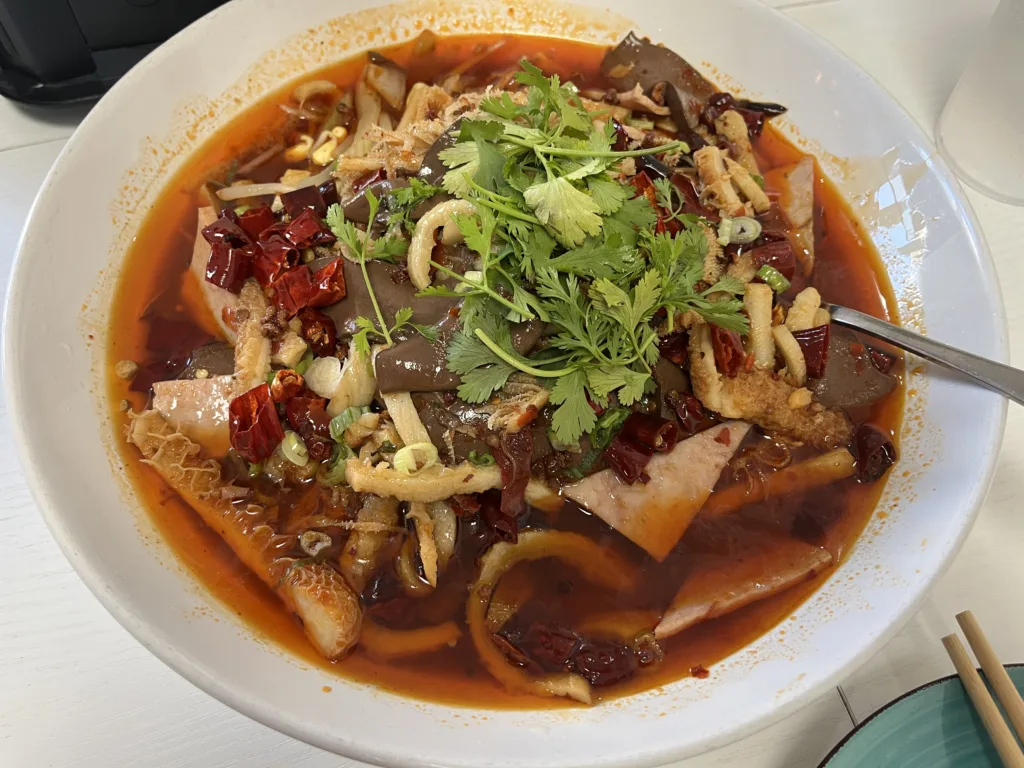
And if you’re still wondering about that Blood in Chili Sauce, the blood is pork blood. It’s thickened into what looks and feels like soft tofu—in fact, the Chinese kitchen slang for it is la tofui or “red tofu.” The taste is not the mineral sharpness that you might imagine. It’s cream, adding more texture than taste. And at Si Kao, it’s in the stew along with slivers of pork chitterlings, dried tofu ribbons, and fresh coriander leaves in the chili-spiced oil. The whole thing is far less bizarre than you might think if you haven’t tried it. You’re very likely to be using those buns we told you to order to xiao xiezi or scarpetta, the last smears on the plate.
Again, General Tso isn’t making an appearance, and there aren’t any fortune cookies. But Si Kao Life adds an extraordinary dimension to St. Louis dining scene.
📍567-A Melville
📞 314-818-2681
⏰ Daily, 11:30 a.m.–10:30 p.m.