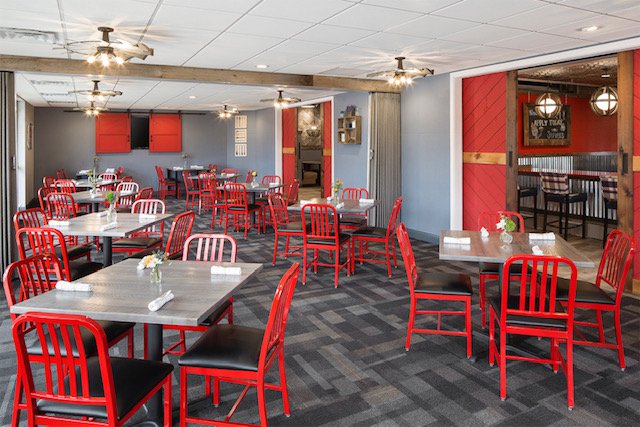
Just six months ago, Craig Uttendorf moved his St. Charles mainstay, Gingham’s Homestyle Restaurant, less than a mile down the road from its home of 30 years. The new location on Country Club Plaza Drive held much promise. A larger dining room and bigger parking lot let him accommodate more diners than at the former spot, and a banquet room provided the opportunity to host large gatherings of people eager to mix and mingle over Gingham’s beloved comfort fare.
In other words, Gingham’s is the antithesis of what it means to dine out in the time of COVID-19.
Find the best food in St. Louis
Subscribe to the St. Louis Dining In and Dining Out newsletters to stay up-to-date on the local restaurant and culinary scene.
“It’s been tough for sure,” Uttendorf says. “We did close for about a week, then went to curbside. It was OK, but you can only do it for so long. We just moved to this new space, and you can’t replace those 215 seats with three phone lines—though some nights, it sure felt like we were.”
A veteran restaurateur, leader in the community, and the Missouri Restaurant Association’s 2019 Restaurateur of the Year, Uttendorf has seen just about all you could see in the business and has found a way to thrive in this difficult industry over the years. The COVID-19 pandemic has proven to be a special kind of difficulty, though. With dining rooms shuttered, significant reductions in revenue, and a staff uneasy at the thought of balancing the tradeoffs between their health and livelihoods, Uttendorf and his fellow restaurant owners have been fighting to save their businesses while acting responsibly.
Uttendorf has had no choice but to figure things out in real time. With St. Charles County Executive Steve Ehlmann’s decision to remove the county’s stay-in-place orders and restrictions on restaurants on May 4, Uttendorf’s had to quickly adapt and learn how to operate in the current climate. His experiences offer a glimpse of what St. Louis City and County restaurants might expect when they reopen for business, and it serves as a possible roadmap for industry colleagues as they acclimate to the new normal.
As Uttendorf sees it, he has no choice but to come up with a way to move forward. With Uttendorf still paying on Gingham’s old location as well as the new one, opening was not a matter of lining his pocketbook; it was about whether he could keep the doors open.
“If you’re an independent restaurant like us, there’s no question you have to open, because we are fighting for our survival,” Uttendorf says. “As an owner, I was on the fence a little. I want to be busy, but the current situation makes it hard. You’re torn in two different directions: You want to do anything you can to help reduce the virus, but at the same time, you have to take care of your business.”
Since reopening his dining room on May 6, Uttendorf has been trying to balance those priorities. He reconfigured his dining room to create more space between tables. He instituted a separate entrance and exit, so diners enter the building through the front door and leave through the side one. Instead of having his guests wait for tables in the front entryway, Uttendorf is taking down phone numbers and asking diners to wait outside or in their cars, so long as they observe social-distancing protocols. The hours (subject to change) are 7 a.m.–2 a.m. seven days a week.
As for service, Uttendorf is requiring all employees to wear masks and gloves, and he has separated his staff into two groups: the servers, who take orders and deliver food, and the bussers, who remove items from the tables and clean the area as soon as the guests leave. This prevents servers from touching anything after a guest has touched it, and his decision to remove everything from the table (i.e., salt and pepper shakers and sugar caddies) helps avoid cross contamination between guests. Payment is handled by dedicated staffers, not the servers.
“We’ve had so many comments from people coming in, seeing the things we are doing, and saying, ‘Oh wow, we’ve been to a couple of different places, and no one is going to the extreme that you are,’” Uttendorf says. “I don’t know if that is good or bad, but we are doing everything that we’ve been advised plus more. We’re sanitizing all of our areas constantly.”
According to Uttendorf, any of his employees who were apprehensive about coming back to work are beginning to feel more comfortable, now that they have seen the measures that he has implemented. As he explains, they too feel the pressure to balance safety concerns with their need to work.
“We have so many employees that have been with us for so long now, and this is how they support their families,” Uttendorf explains. “They know that we had to close for a while, but this is their livelihood. We’ve been working together for some time now, and when this is all said and done, every single one of us wants to come back to work.”
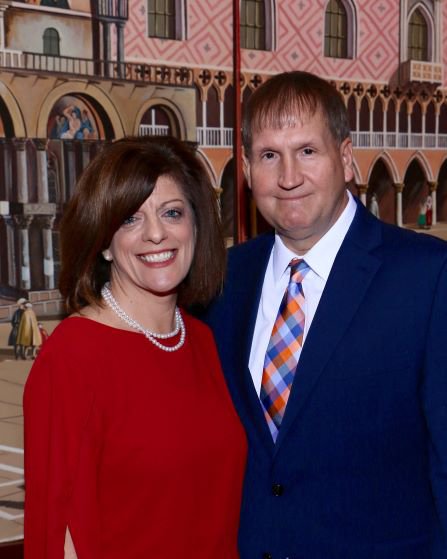
If Uttendorf has any advice for his industry peers, it’s to follow any and all guidance that they can find. He emphasizes that there is a great deal of information available from such resources as the Missouri Restaurant Association, the National Restaurant Association, and the Centers for Disease Control and Prevention that can help restaurants reopen the right way. It might add an extra layer of difficulty in an already difficult business, but the effort pays off in reassuring employees and guests who are themselves trying to figure out this new normal.
“We’re in this for the long haul—it’s going to be a long time before we are back to where we were,” Uttendorf says. “But we have to do this right and figure out how we can reassure our guests that it’s safe to come out and eat.”