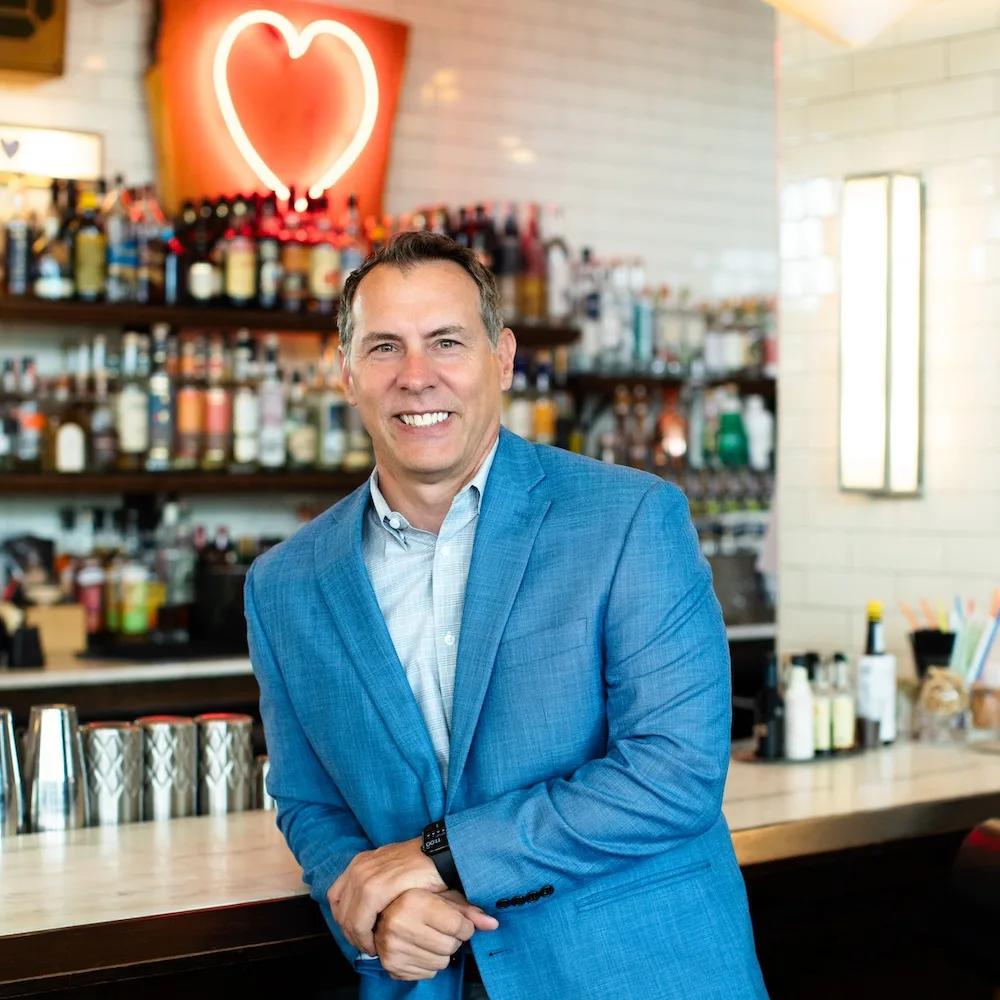
When Joel Bittle began writing a book about St. Louis craft beer, he thought he knew when the story started.
“I thought the book would hinge on the sale of Anheuser-Busch to InBev,” Bittle says. “It felt like collective trauma, and St. Louisans didn’t know how to deal with that. Some of them said, ‘I’m never drinking a Budweiser again.’ Others directed it toward this craft beer explosion that happened after it, and I really feel like St. Louis benefited from the culture that came out of that.”
Find the best food in St. Louis
Subscribe to the St. Louis Dining In and Dining Out newsletters to stay up-to-date on the local restaurant and culinary scene.
At first, that appeared to be the story: a city long synonymous with one enormous brewery begins finding a new beer identity following the AB InBev deal in November 2008. Then Bittle started interviewing the people who had lived it.
“This story is not a 2010 story,” Bittle says. “This is a 1990 story.”
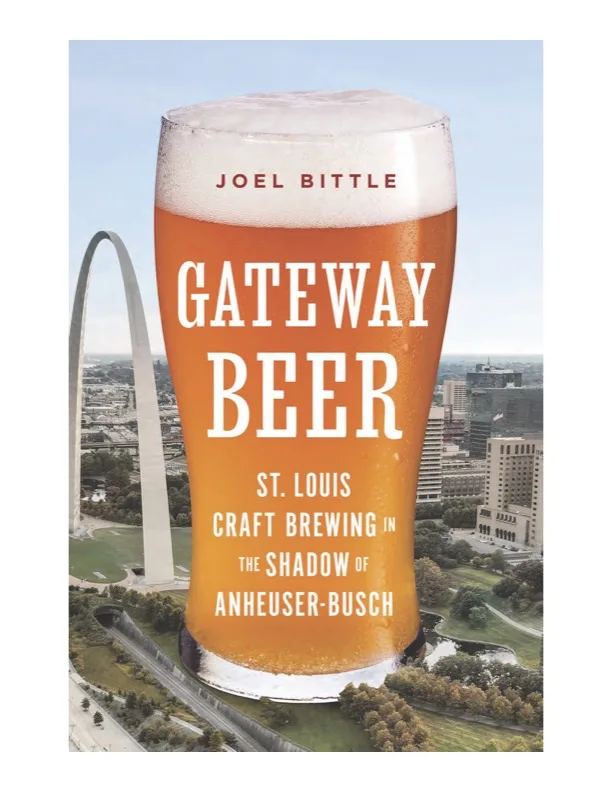
That realization sent him further back, to Schlafly Beer, Morgan Street Brewery, and Trailhead Brewing Co., three breweries that began challenging St. Louis beer conventions years before the craft boom arrived. The result of Bittle’s research: Gateway Beer: St. Louis Craft Brewing in the Shadow of Anheuser-Busch, a 304-page history set for publication October 20 by the University of Illinois Press.
Bittle will preview that history during an author talk at Schlafly Tap Room (2100 Locust) on October 5. He will be joined by Schlafly cofounder Tom Schlafly and 4 Hands Brewing founder Kevin Lemp. Bittle will also make an appearance on October 10 at Brew in the Lou, where he is scheduled to join the St. Louis Beer Heritage Foundation booth.
Early beginnings
St. Louis was never a city that needed to be introduced to beer. Over the years, dozens of breweries, including Lemp, Griesedieck, Falstaff, Hyde Park, and Julius Winkelmeyer operated across the region. Consolidation and closures gradually narrowed that sprawling industry until Anheuser-Busch towered over nearly everything that remained.
When Schlafly opened the Tap Room in 1991, the idea of a local microbrewery remained unfamiliar to many St. Louis drinkers. Morgan Street and Trailhead followed later that decade, helping introduce craft beer in parts of the region where Anheuser-Busch products were firmly entrenched.
Morgan Street offers one of the clearest examples of how craft beer began fitting into an Anheuser-Busch city. According to Bittle, the Laclede’s Landing brewpub was the largest seller of Anheuser-Busch products outside the stadiums, even receiving its own specially labeled bottle from the company. Yet Morgan Street’s own brewery operated on the first floor, producing award-winning craft beer, while much of the remaining space functioned as a nightclub.
“It felt like a St. Louis thing,” Bittle says. “Anheuser-Busch obviously has its place that’s never going to go away, but the craft part of the building existed and won so many awards. It felt like a little microcosm of the city as a whole.”
Trailhead played a similar role in St. Charles County. “They would start with Anheuser-Busch,” Bittle says. “They came so often that they eventually tried [craft beers], and by the end, they’re drinking the hoppiest, craziest IPAs. They became craft beer fans.”
The early brewpubs did not require St. Louis drinkers to reject Budweiser before trying something different. They gave them a gateway to craft beer.
Building the scene
Bittle’s research also showed how much the industry’s growth depended on cooperation among its brewers. “There were times when there weren’t enough brewers in town, so they had to share brewers,” Bittle says. “The brewers would come over and help each other.”
John Witte, Trailhead Brewing’s longtime brewmaster, became one of the clearest examples. Bittle says Witte would visit new breweries, answer questions, help with the brewing, and even help them find assistant brewers.
That cooperation stood in contrast to the combative beer wars of previous decades. Rather than treating every new brewery as another competitor, St. Louis craft brewers helped one another build the market.
No individual brewery could transform St. Louis into a craft beer destination. Collectively, breweries gave drinkers a reason to explore different neighborhoods, taprooms and beer styles.
Then came what has become known as St. Louis craft beer’s “Class of 2011.” Urban Chestnut Brewing Co., The Civil Life Brewing Co., Perennial Artisan Ales, and 4 Hands Brewing Co. all launched that year, dramatically expanding the range and visibility of the local scene.
Bittle follows those breweries and the connections among them while also documenting businesses that helped build the scene but closed before its history was written.
An evolving ending
The ending continued to change while Bittle was working. The rapid expansion of the 2010s slowed. The pandemic disrupted taproom business, consumer habits shifted, and rising costs put additional pressure on breweries. A series of closures made the industry’s future appear less certain than it had during the boom. Am I writing a eulogy? Bittle remembers wondering.
The contraction ultimately gave the book a wider purpose. Rather than documenting St. Louis craft beer at the height of its growth, Bittle could examine its accomplishments, setbacks, and miscalculations at a moment when the industry was being forced to adapt.
The book also considers what local breweries created beyond the beer itself. Taprooms became gathering places rooted in individual neighborhoods. “This is a community space,” Bittle says. “This is a third space. This is a place for us all to come.”