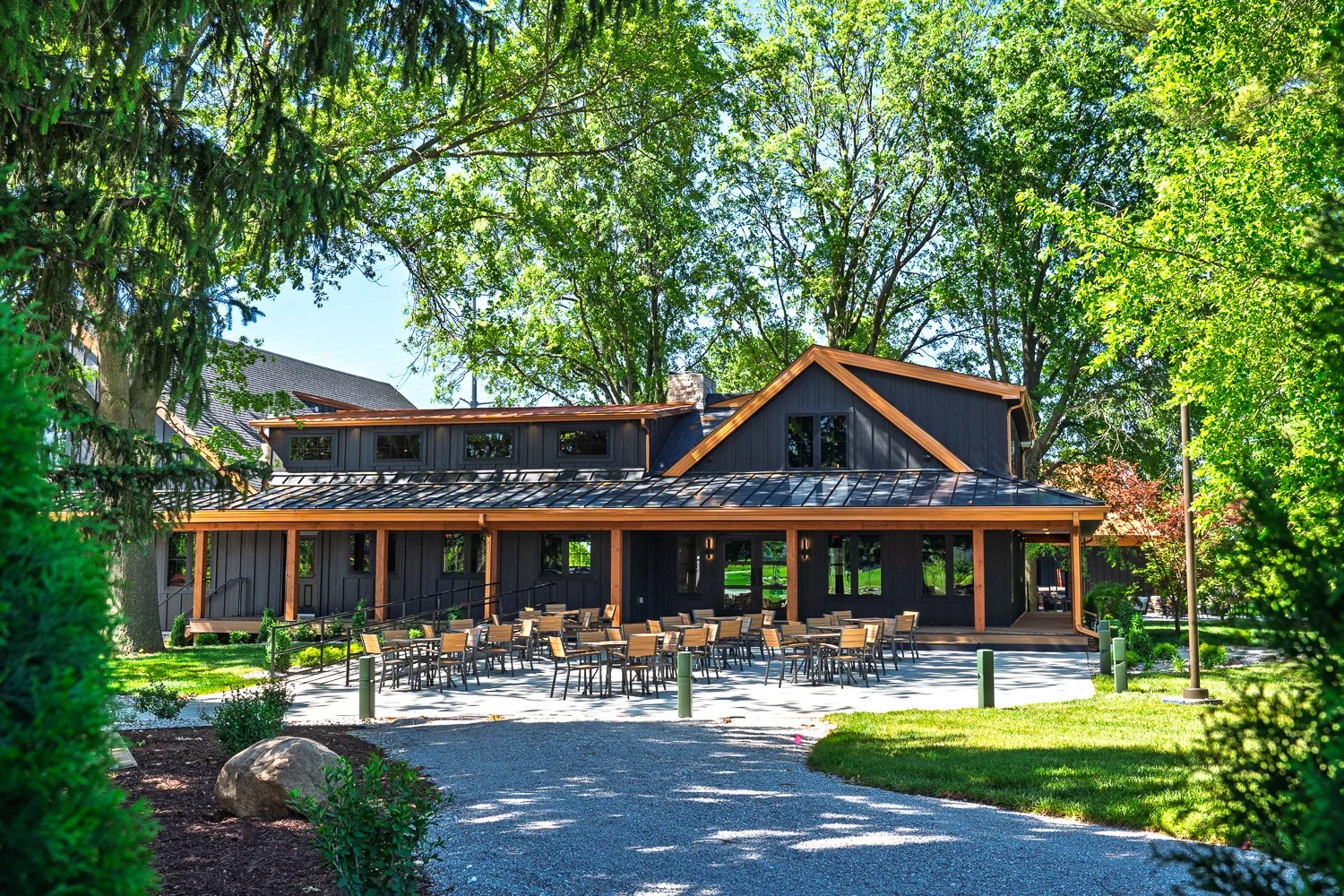
A massive new multi-use complex has opened on the outskirts of Cottleville. It includes a full-service restaurant and bar, a whiskey distillery and tasting room, and a sprawling outdoor space with casual walk-up dining and a covered stage for live music.
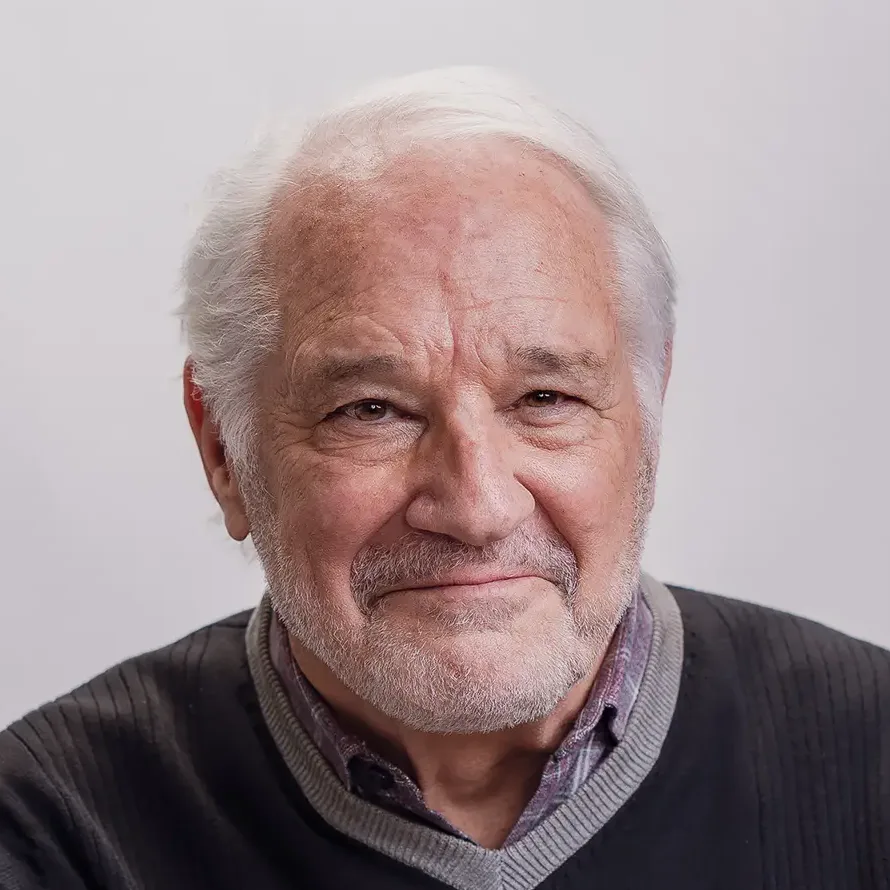
Stephen Savage—best known for his former partnership in three downtown businesses, Wheelhouse, Midwestern, and the erstwhile Start Bar—created the project with his wife, Emily. The couple, who now live in Cottleville, wanted to pay homage to the area while creating an atmosphere reminiscent of Kentucky’s Bourbon Country.
After a series of soft openings, Cottle Village Farmstead + Distillery , a concept the couple describes as ‘family-friendly but adult-driven,’ officially opens to the public on June 5. Here’s what to know before you go.
The Concept
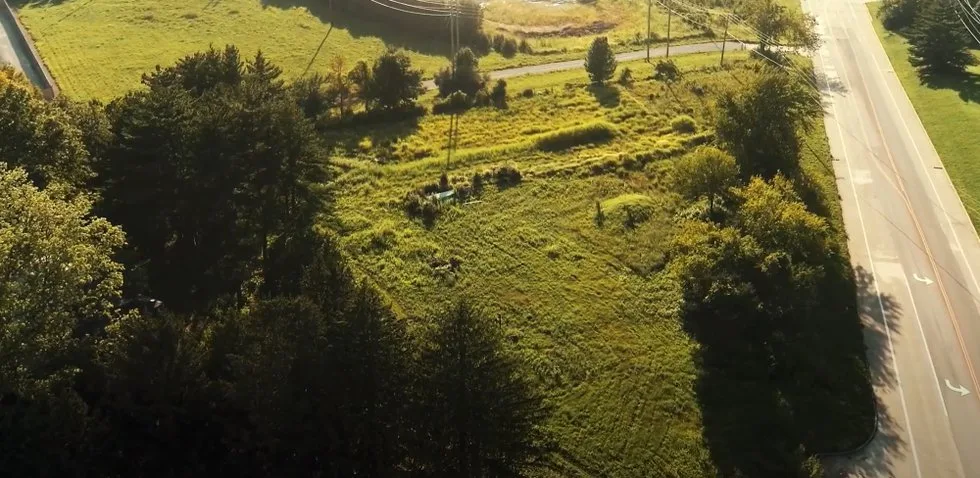
The 4.5-acre complex is located at 6470 Highway N, “the last piece of property before entering O’Fallon,” Savage says. “[It’s] in Cottleville—but just barely.” The triangular plot of land had several existing buildings on the property, including a farmhouse, barn, and shed. All three became part of the “Village.”
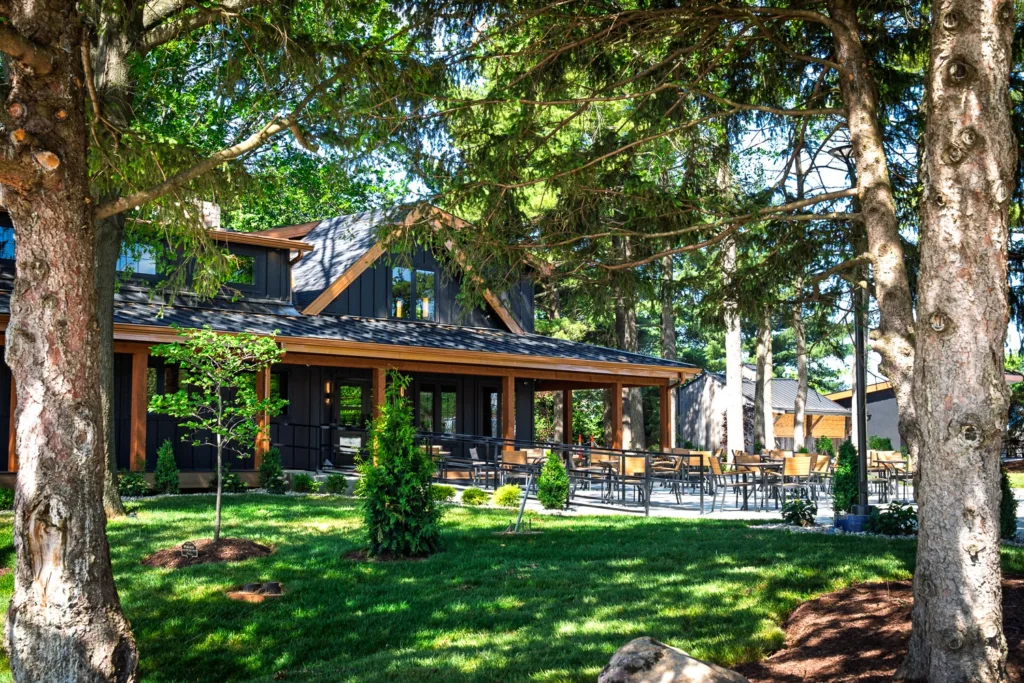
The former farmhouse was converted into a restaurant and bar called The Tavern. The barn’s foundation became The Distillery, a bone fide distillery that includes a tasting room. The tool shed was transformed into The Tiny Tavern, an outdoor, fast-casual shack designed for made ahead, grab-and-go food. And there’s The Field, which includes a stage for hosting live music events.
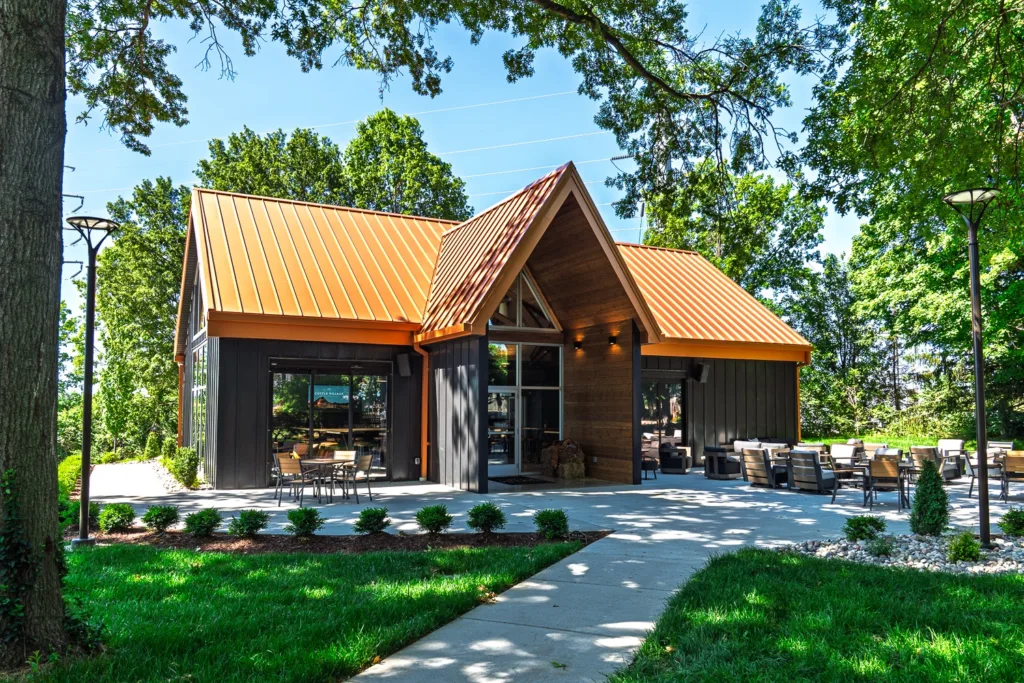
The buildings were finished in different shades and textures of black, with copper accents or roofs, a nod to the colors of Kentucky’s stills and distilleries. The Tavern is clad in black, board-and-batten siding; The Distillery, The Tiny Tavern, and The Field are made of black metal. The interiors include dark woods and deeper natural colors, including dark greens, rich blues, and golden brasses.
Little Hills Architecture and studioDVLP drew the structures and designed the interiors. Emily Savage was also involved in the interior design. Atomicdust was responsible for the branding. DSS Building Group is the general contractor.
The Tavern
The farmhouse on the property, formerly Kurtz Nursery, has been expanded into an 8,000-square-foot space that includes a porch and seats close to 250.
A stone fireplace occupies a space where a wood-burning stove once stood. It separates the bar from the two dining rooms—the primary dining room and a family dining room outfitted with some larger tables. Both rooms feature 18-foot vaulted ceilings with wood beam accents.
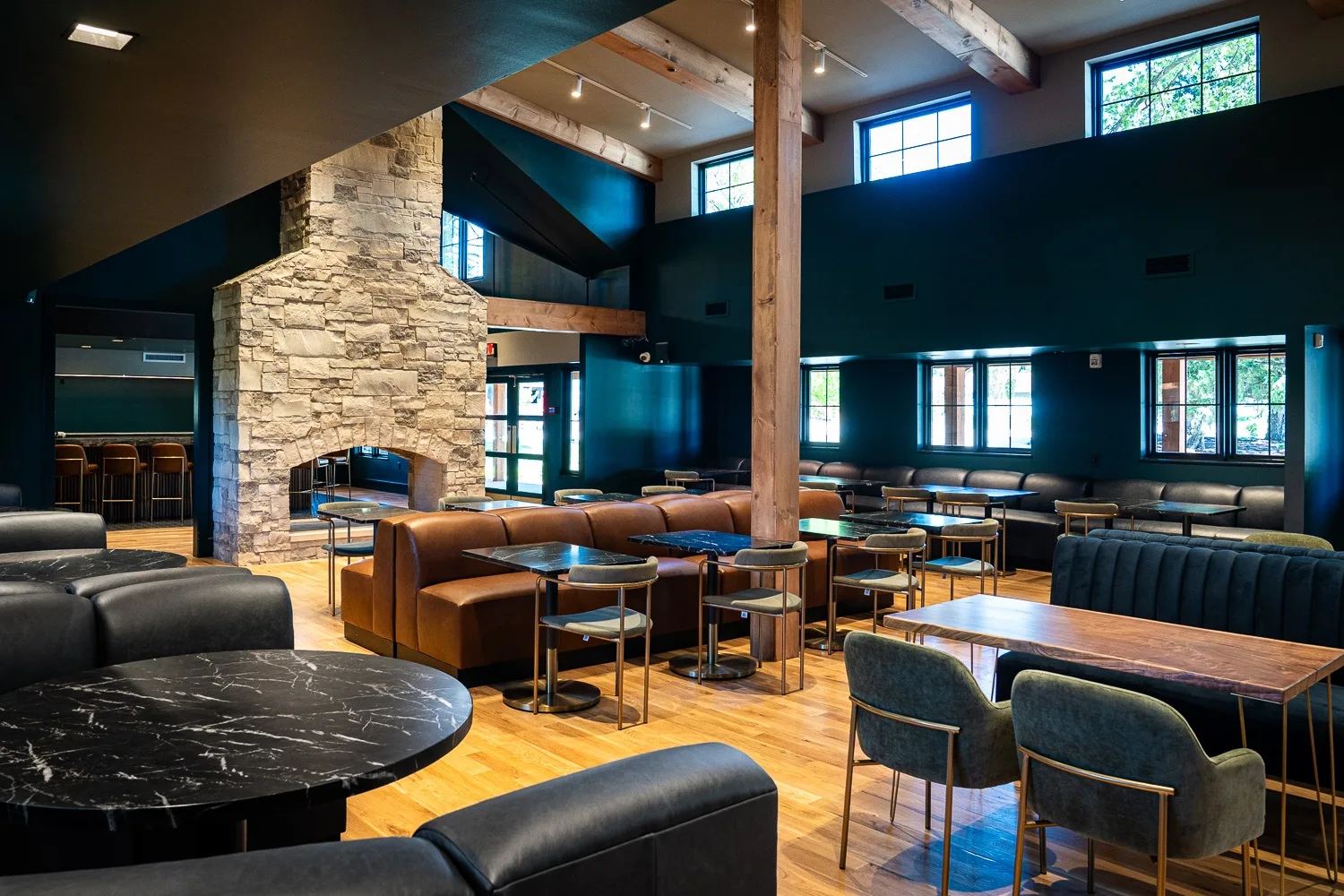
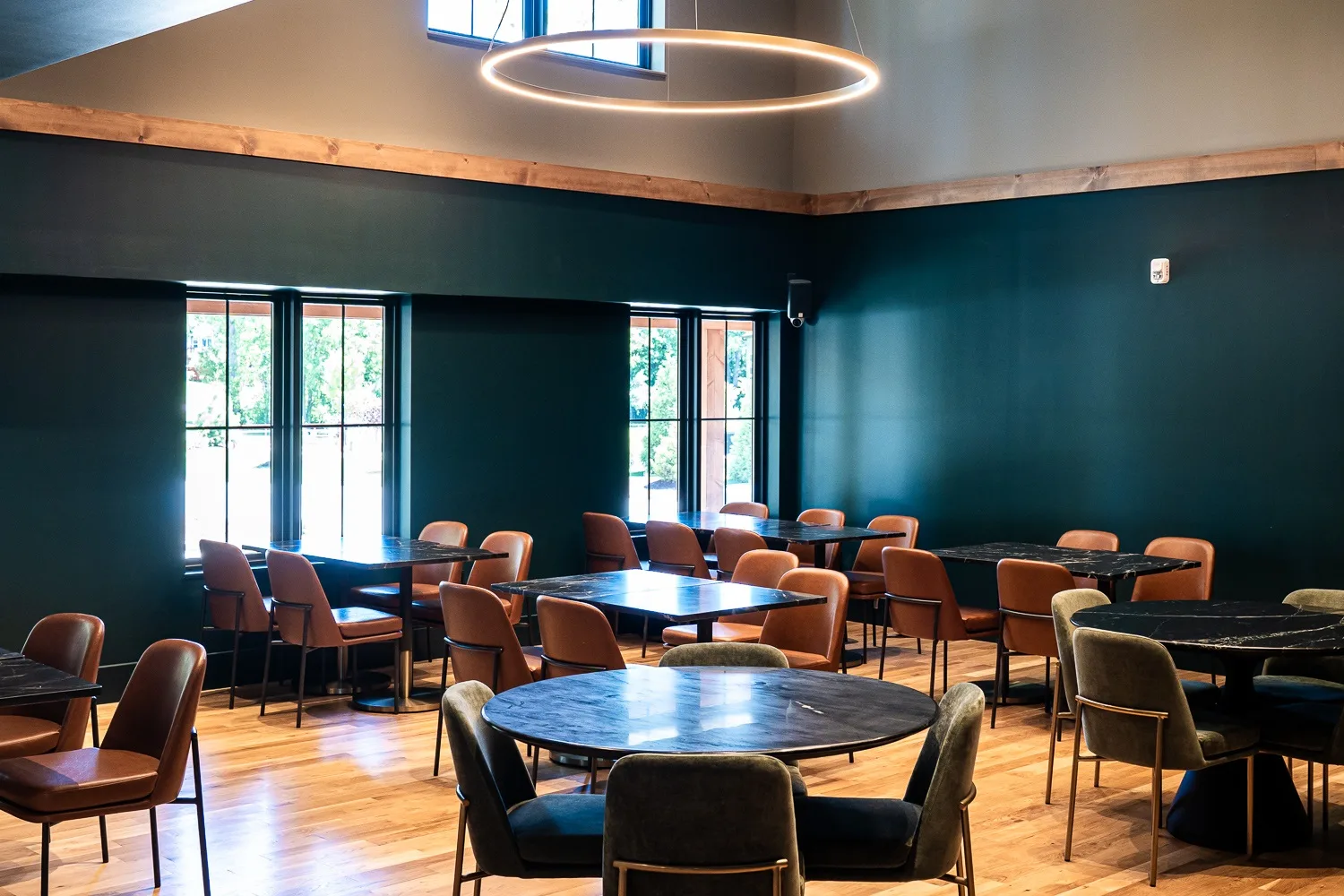
Above the bar is the 35-seat tavern lounge, which can stay open after hours and is reservable for private events. Above the restaurant is a 60-seat private party room, with its own bar, bathroom, and a back stairway that leads to The Distillery and The Stage. Abundant windows offer views of more than 2 acres of green space.
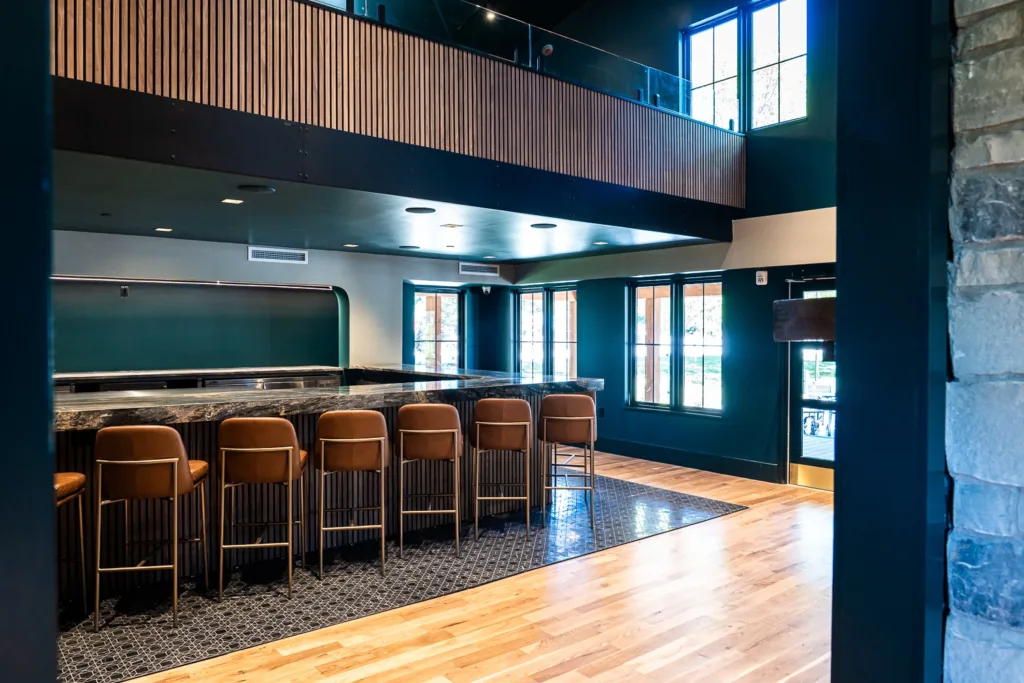
“We designed the building with a handful of options, all of them homey and cozy in their own way,” says Stephen, who notes that the wall décor is a work in progress and will be curated over time.
“We’re looking to work with local artists as much as possible,” Emily adds. “I have my eye on a few.”
The restaurant will have an upscale-casual focus—“higher-end but affordable,” Stephen says. “I didn’t want to open just another bar and grill.”
To that end, he hopes to eventually incorporate a small butcher shop and process whole animals, which, along with the distillery, will help keep menu prices down. “And like that famous St. Louis car dealer,” he says, “we already own our building and lot.”
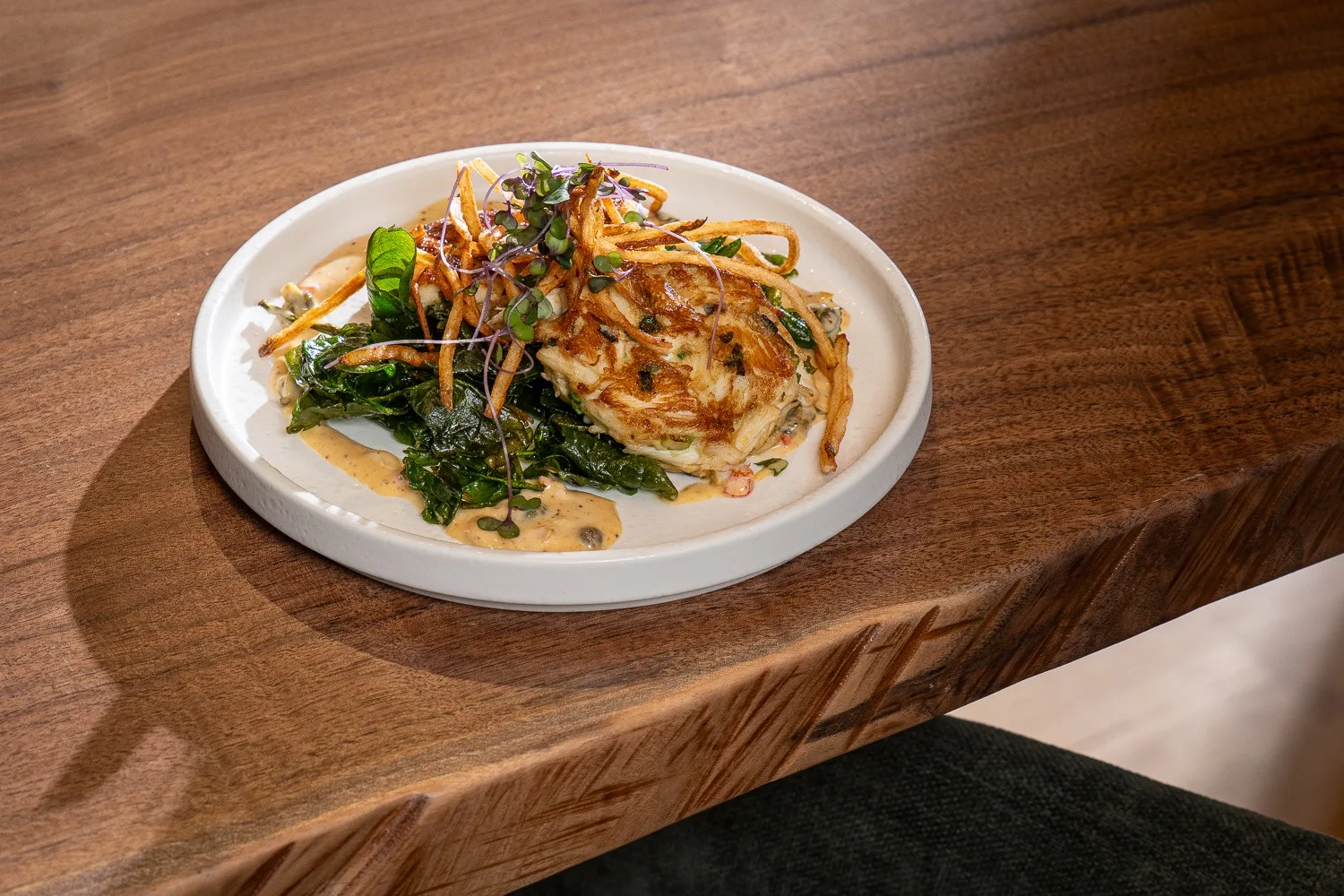
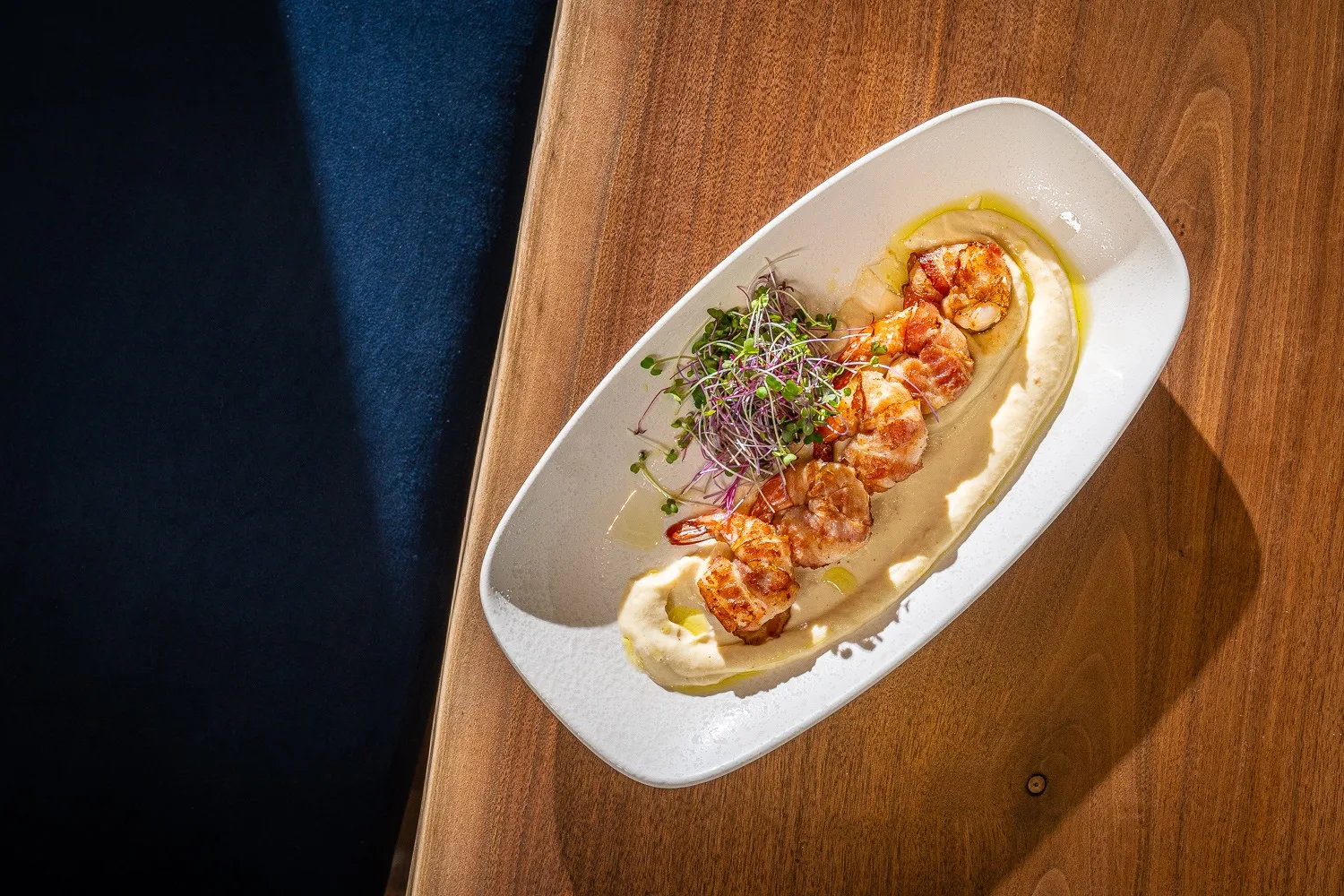
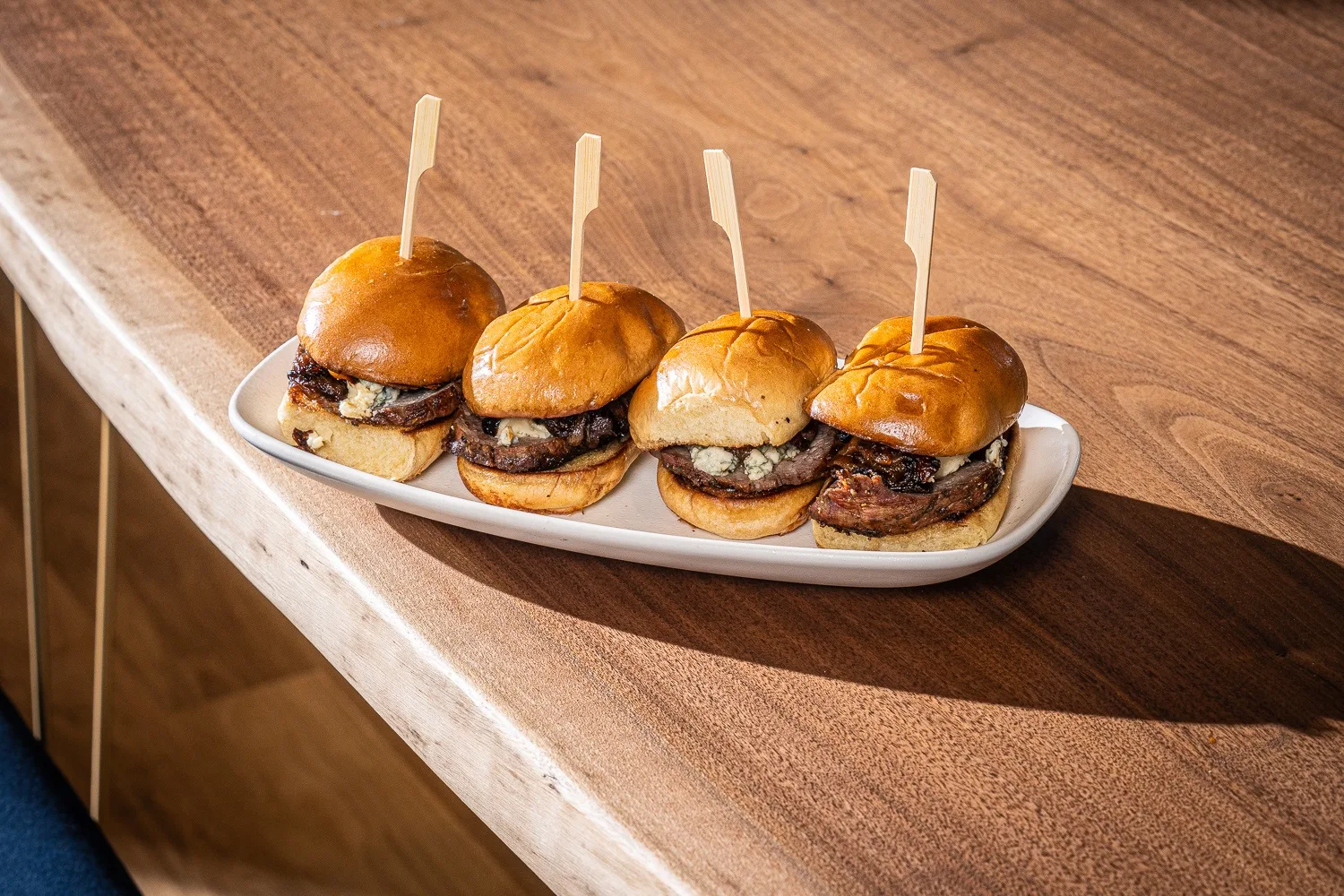
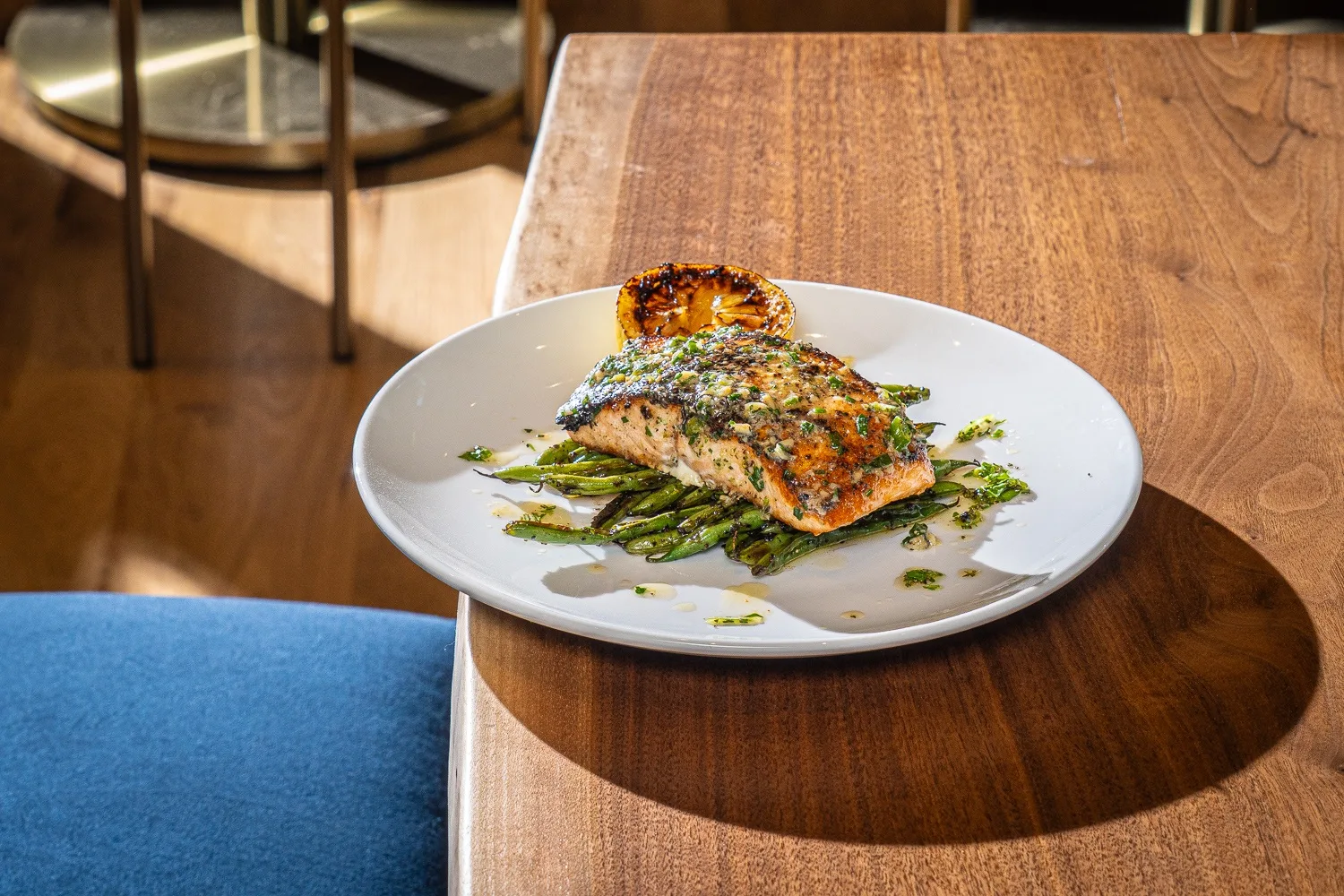
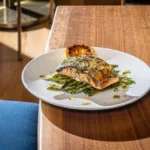
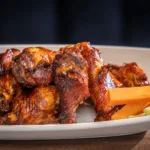
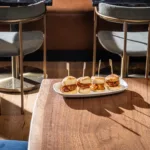
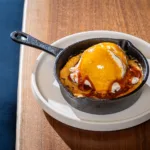
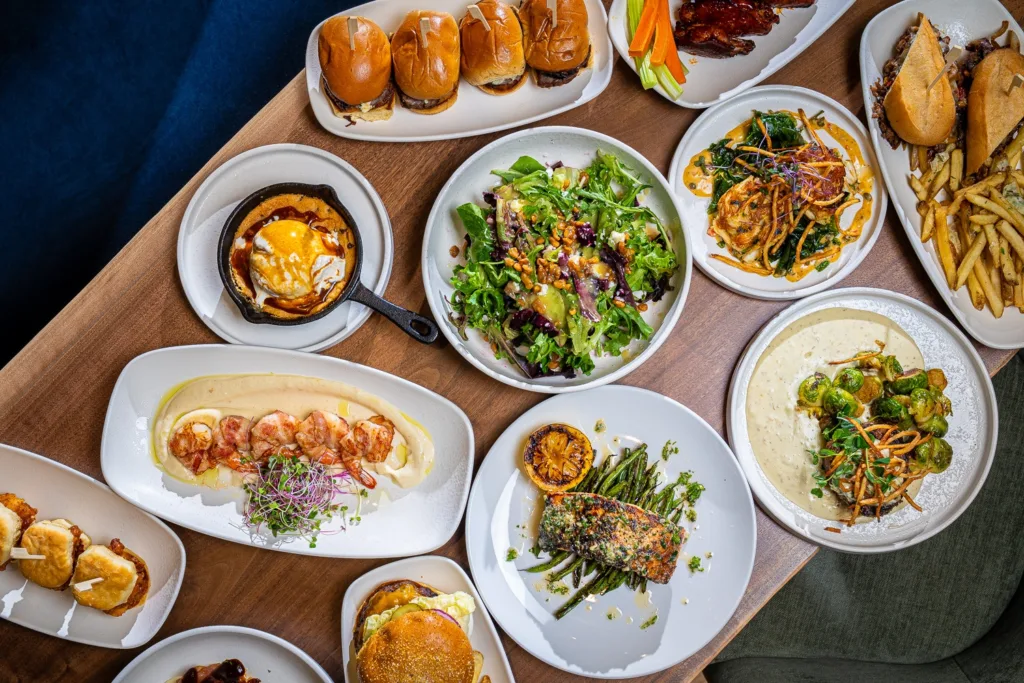
The Tavern menu includes a handful of appetizers, salads, two soups, small entrées (served with one side), plus steaks and larger entrées (each served with two sides). The USDA Prime steaks, served with compound butter, come from Ruth Farm and are $42– $54 for a 16-ounce ribeye. Side dishes include a five-cheese mac and cheese, crispy fried cauliflower, haricot verts, cauliflower purée, sautéed spinach, and roasted garlic mash.
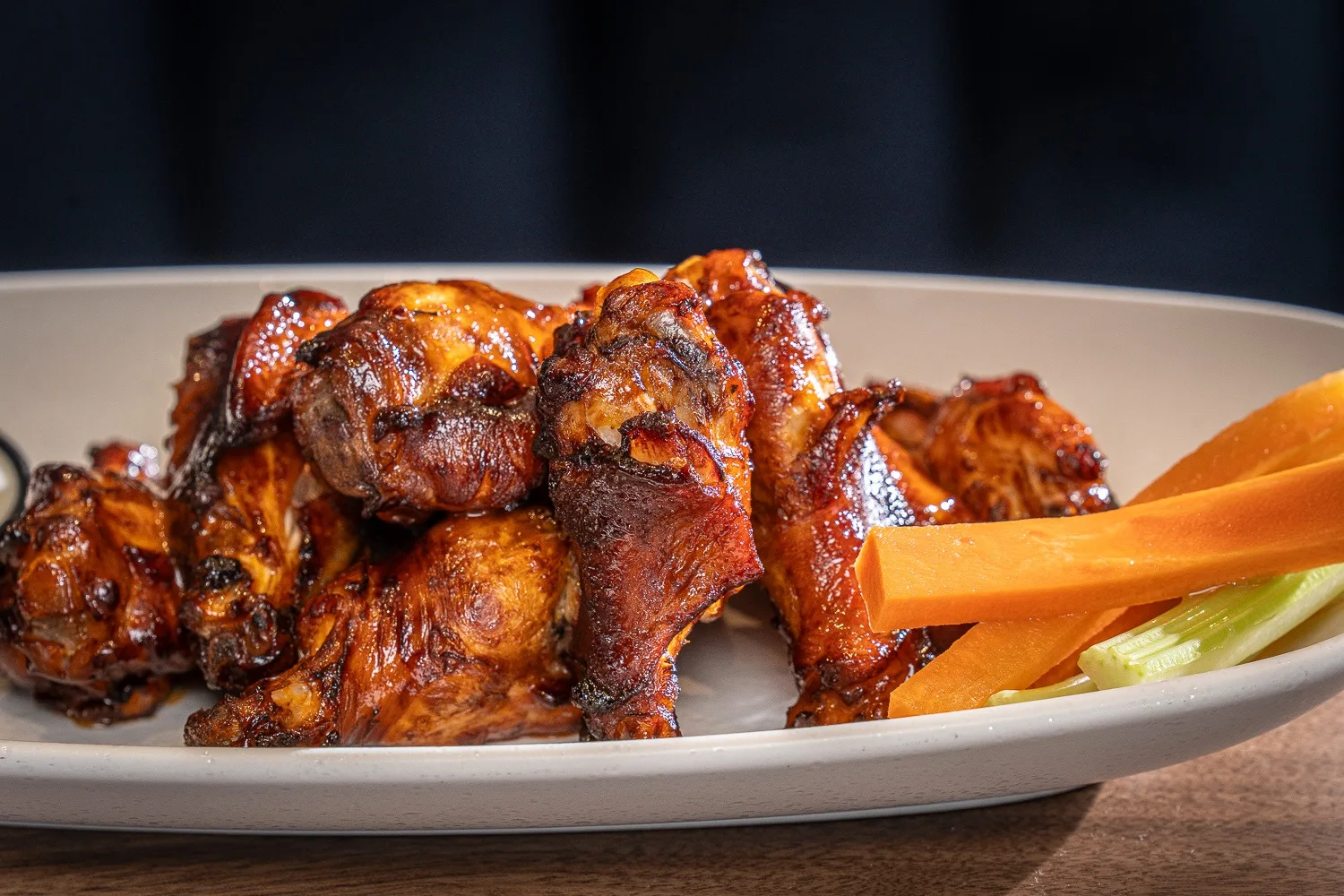
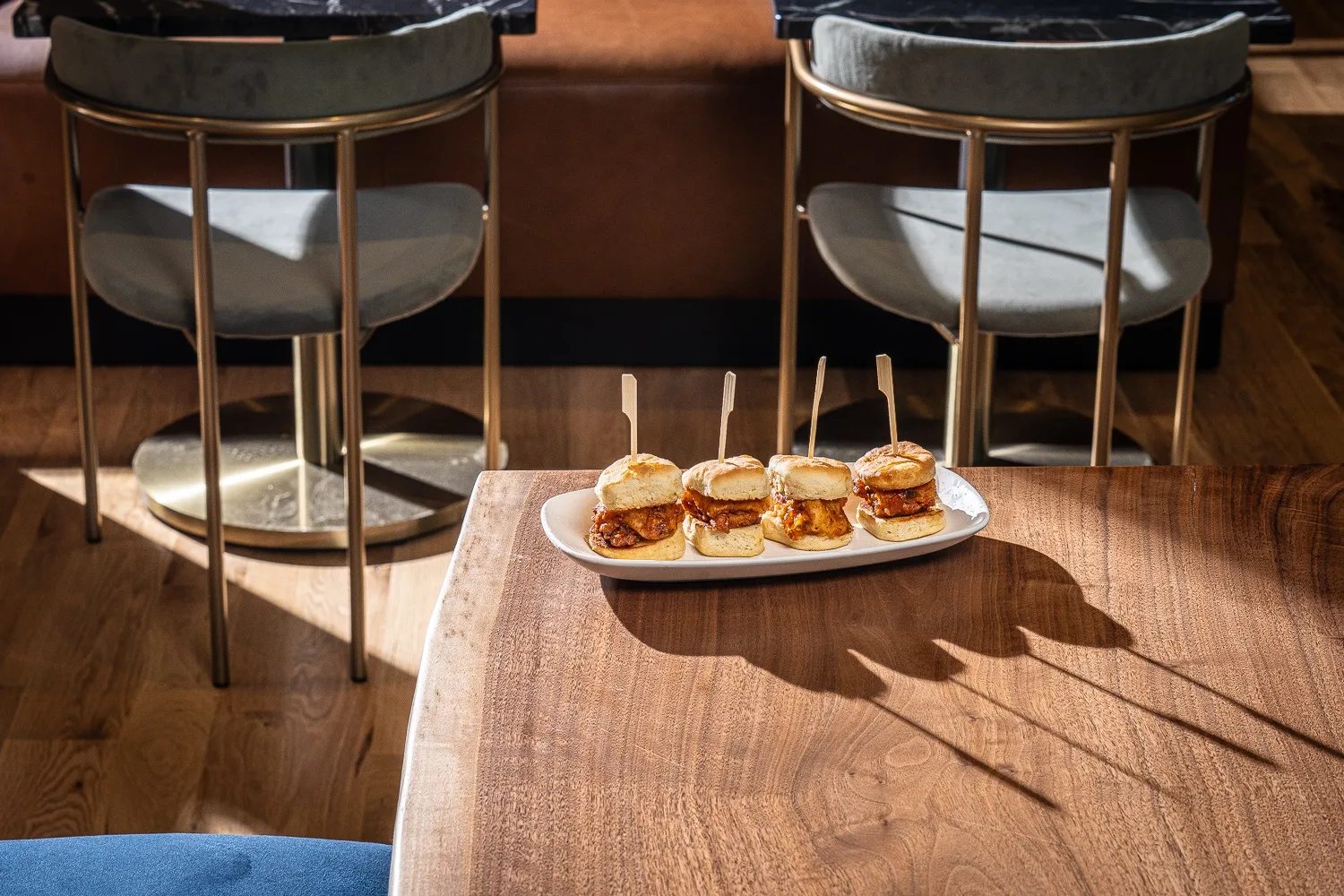
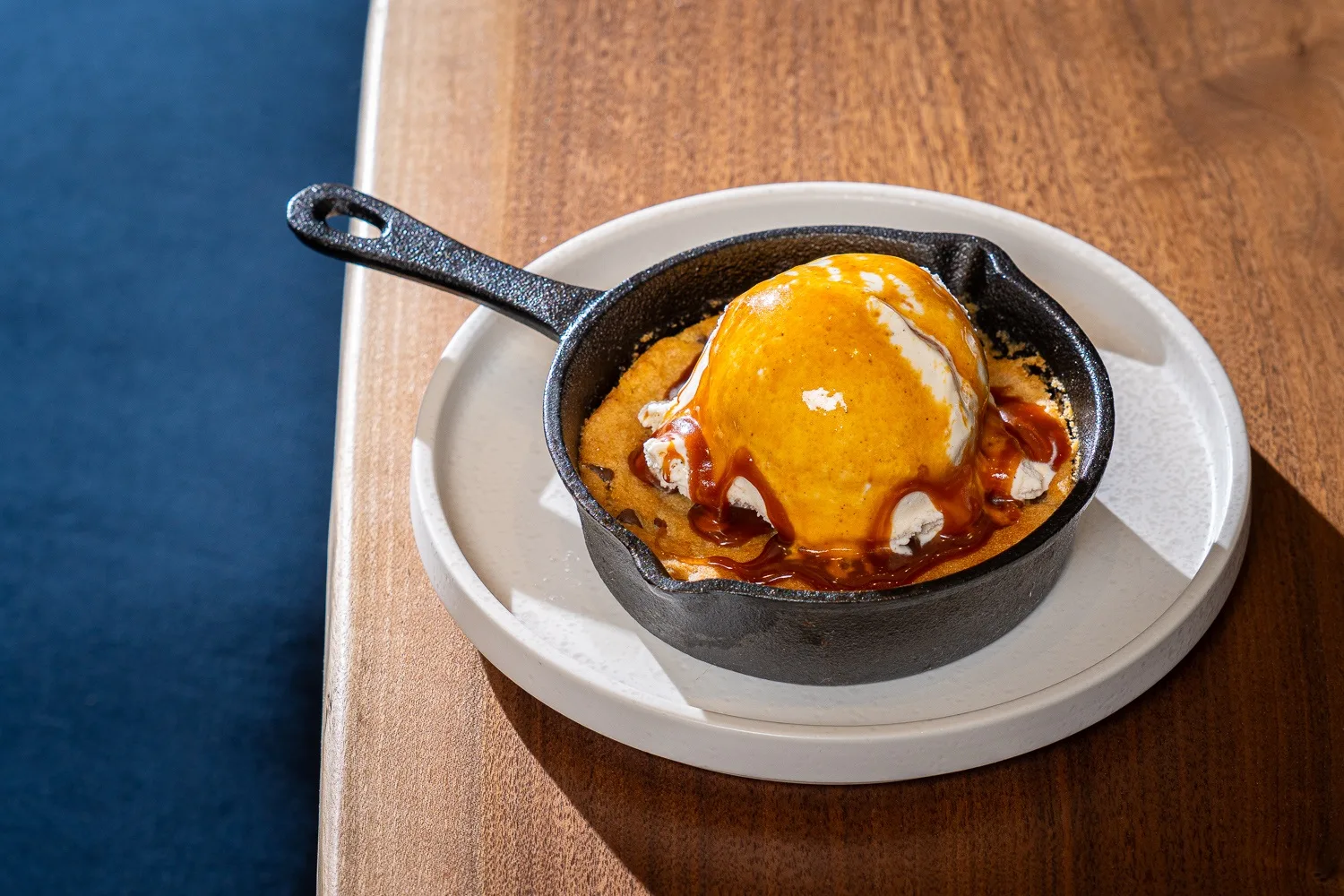
The bar will focus on house-branded spirits and cocktails, but it will also include some canned and draft beer, as well as Cottle Village-branded wines.
Jess Kahrhoff, formerly of Blackshire Distillery in Hermann, is spearheading the beverage program. Josh French, a sommelier who was formerly with The Rack House in St. Charles, is general manager at The Tavern. Jonathan Quint and Albert Santos, both alums of LHM, are executive chef and sous chef, respectively. Chloe Gretak, assistant general manager at The Midwestern, is general manager of The Field. Her former boss at The Midwestern, John Pizzitola, is the managing partner and director of operations.
The Farmstead Distillery
The 2,500-square-foot distillery building includes a tasting lounge, a small production space and bottling line, and the distillery room. Demetrius Cain, owner of Union, Missouri–based Nobletons Distilling House, is the distilling partner.
Cain and Stephen are longtime friends who had commiserated about the distilling business for years. “One day, Steve asked me if I wanted to help build his brand,” Cain says, “which is exactly what Nobleton’s does. From there, the idea expanded into a fully operational, small-batch, grain-to-glass craft distillery.”
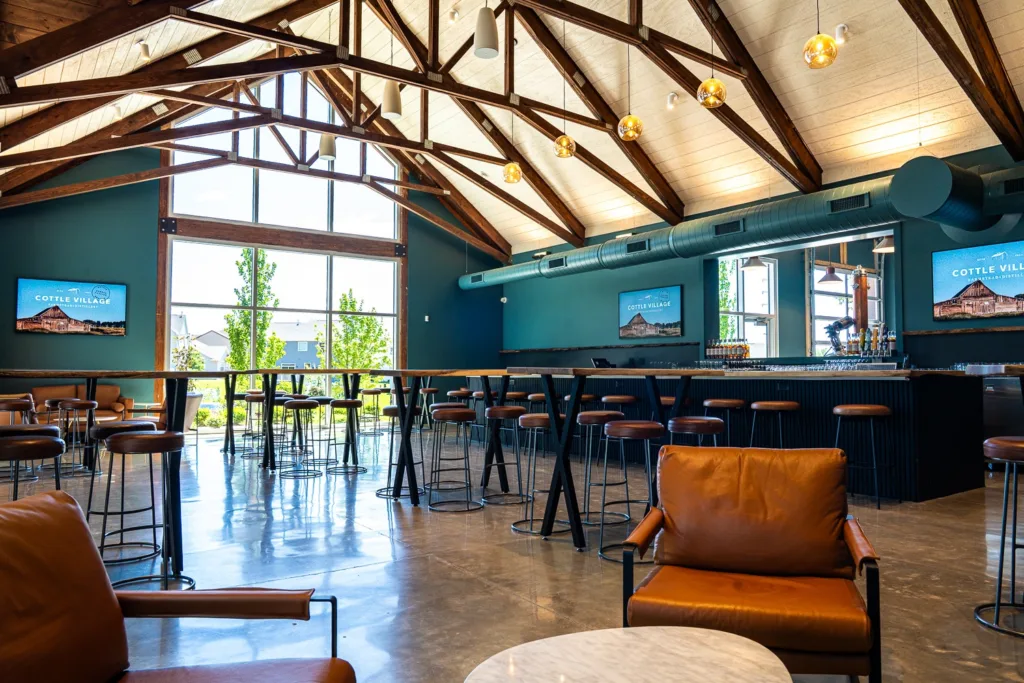
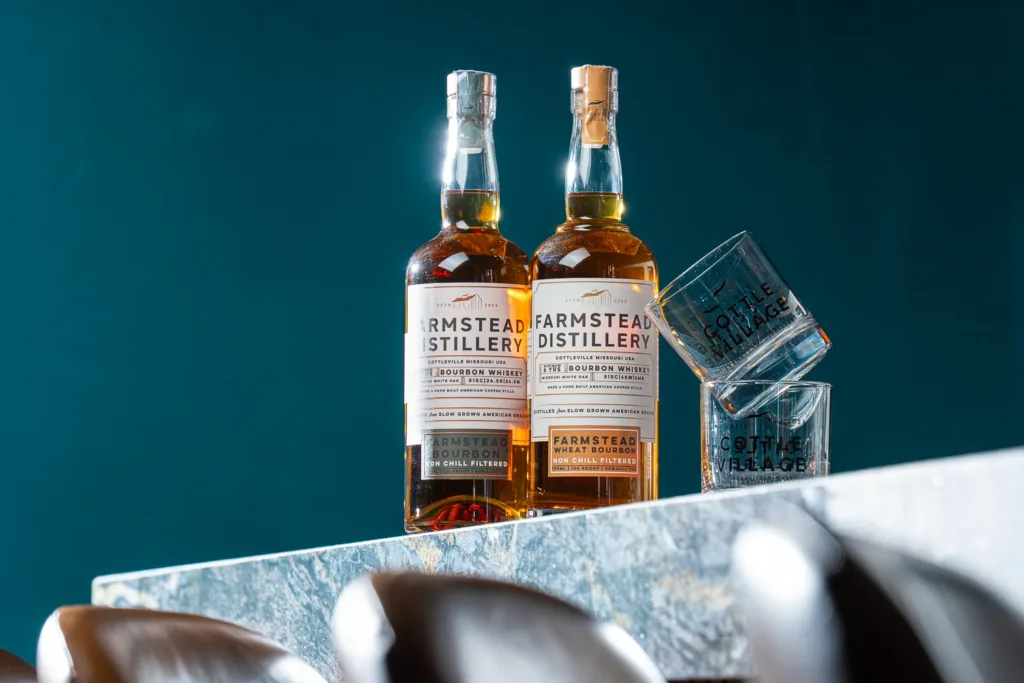
A ninth-generation distiller, Cain uses a combination of high-quality water, family-controlled yeast strains, and single- or small-origin grains (grown or commissioned by the family) to produce spirits with delicate, rich, buttery, finishes. The 48-day fermentation process produces long-chain fatty acids, which contributes to the buttery notes and “almost makes other whiskeys seem harsh, even though they’re not,” he says. The two super-smooth 100-proof, non-chill-filtered Farmstead Distillery bourbons, aged in Missouri white oak for a minimum of six years, are testament to Cain’s expertise.
Cain will also oversee the production of the clear spirits used at Cottle Village, with the intent being to eventually produce an entire line of Farmstead Distillery-branded spirits, including whiskey, bourbon, vodka, gin, and rum.
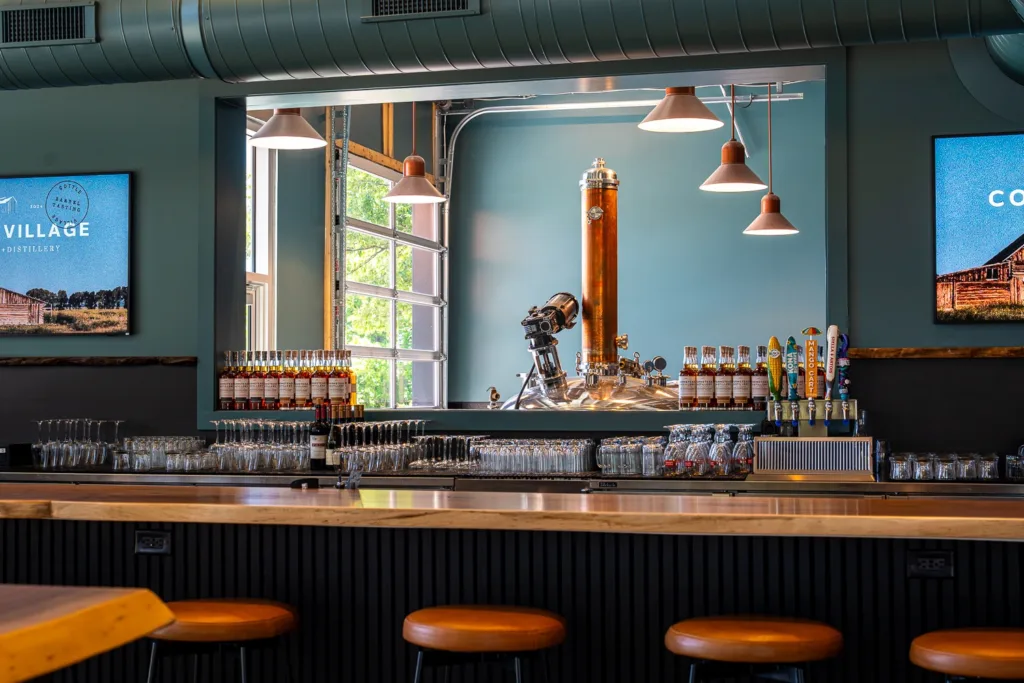
Stephen notes that while the distillery is officially open, its products will not be produced on site for several months, pending proper licensing. “I can’t wait until we can fire it up,” he says of the “Armagnac continuous still,” which was hand-built by Cain and his team; its kettle is made from stainless-steel, and its columns are forged from Missouri copper.
At present, Stephen sees The Farmstead Distillery as “a pre- or post-dinner stop, a place to explore. We want people to get up and move around the property.”
There is no food service in the distillery at present, but that will likely change in the winter months, Stephen says.
Cain hopes eventually to incorporate an outdoor grill into the green space surrounding the distillery. “Food is the great unifier,” he says. “At Nobleton’s, we have guests grilling cuts of meat from cows that I raised. At Cottle Village, I can see grilling steaks and sipping whiskey becoming an event opportunity.”
Cain and Stephen agree that the overarching vision for Cottle Village is to provide a handful of transportive, farm-to-table experiences “that aren’t too far from the city.”
The Tiny Tavern and The Field
Further into the property is The Tiny Tavern, an outdoor, walk-up shack designed for grab-and-go food, such as pretzels, locally made sausage, charcuterie, and sandwiches. Canned and draft beer, wine, as well as N/A offerings are also available.
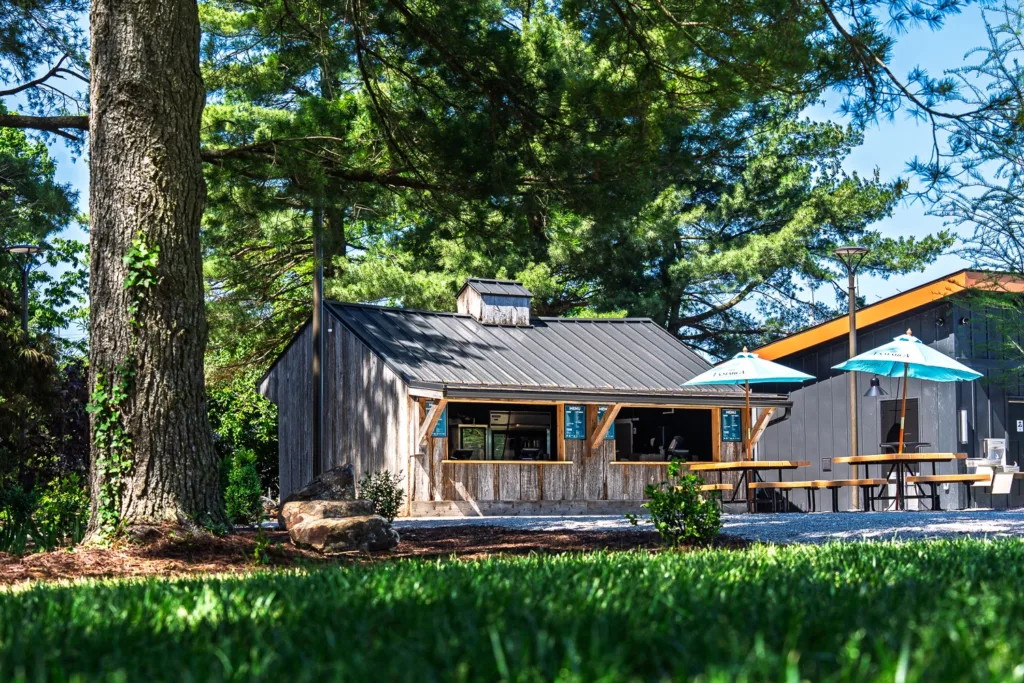
The outdoor space surrounding The Tiny Tavern incorporates different seating areas, table groupings, and a scatter of fire pits—“everything a guest might need,” according to Stephen. To that end and to maintain a cohesive look, Cottle Village will adhere to a policy of “no coolers, no wagons, no chairs.”
The stage at The Field, the last puzzle piece to be added, has a sound system specifically engineered by TSI Global. Known for its larger-venue sound systems, the company is “the best in the region at what it does,” Stephen says. The Field building houses an additional bar on one side and space for additional food on the other, which initially may be supplied by alternate vendors and possibly food trucks.
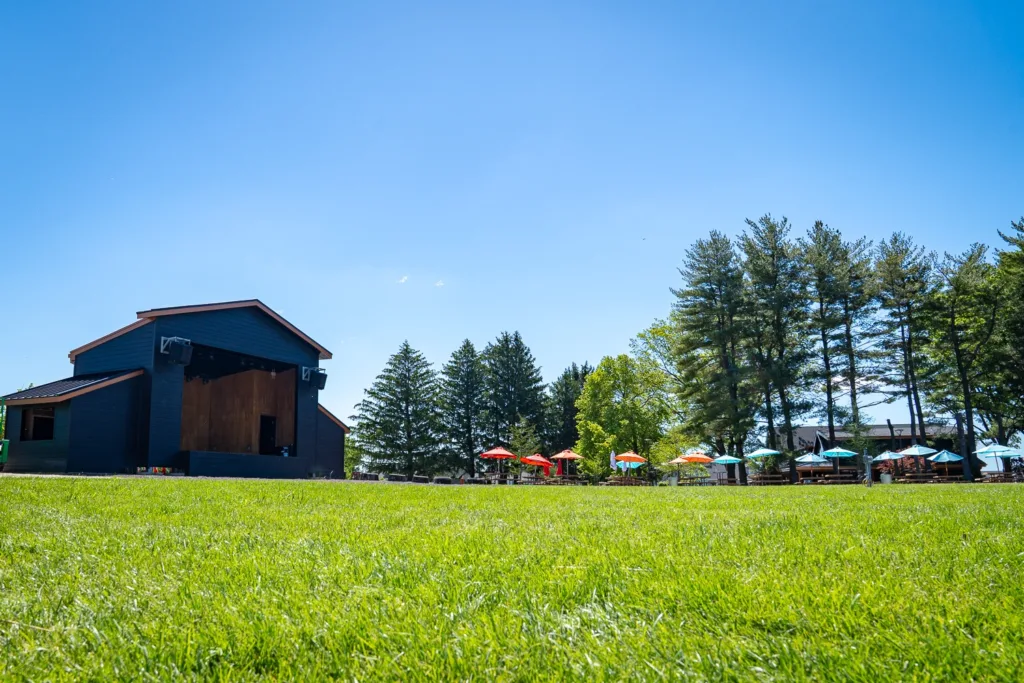
To maintain the green space in front of the stage, chairs are distributed before each performance and gathered and stacked at the end of the evening. Keeping with the “family-friendly but adult-driven” theme, a kid’s play area is in the planning stages.
Initially full bands will perform on Friday and Saturday nights while acoustic acts will perform on weekend days.
The plan is to open the outdoor spaces in the spring and close them in late December.
The Community
Emily Savage, who already runs 12 Bars of Charity, will be in charge of Cottle Village’s events schedule and charitable participation. Already in the works are events with local schools, barrel picks for Cottleville and O’Fallon first responders, private events with local athletic clubs, and more.
With all of the development happening in and around Cottleville today, the Savages thought the history of the area needed to be honored and remembered.
“The property we acquired could have become apartments, a storage facility—anything,” Stephen says. “By building Cottle Village, I feel we’re doing our best to preserve the land and its roots.”
The Backstory
The idea for Cottle Village Farmstead + Distillery came about in 2019, when Stephen would travel to Kentucky’s Bourbon Country, taste whiskeys from different barrels, and return with barrel picks.
“I liked every part about it,” he says of relaxing with a group of friends or co-workers, disconnecting in a slower-paced, farm-like environment, and tasting whiskeys in a rickhouse or fancy tasting room. Every experience was different, every one was good, and he thought, Why not recreate this back home? “At the time, I thought I’d just source the whiskey, not distill it,” he says.
In 2020, he started looking for land and found the Kurtz Nursery property. It was wintertime, however, and a power substation was visible, so he wasn’t convinced. In the meantime, Stephen and his family moved to Cottleville.
“I’d been driving by that property for three years,” he recalls, “when the realtor called me and asked if I wanted to look at it again. It was late April, everything was in bloom, the power station was blocked by leafed-out trees, and then it hit me: to create an oasis in a populated area that’s away from the city but close enough to attract city dwellers. I sketched it out, dreamed about the year-round potential, and bought the property.”
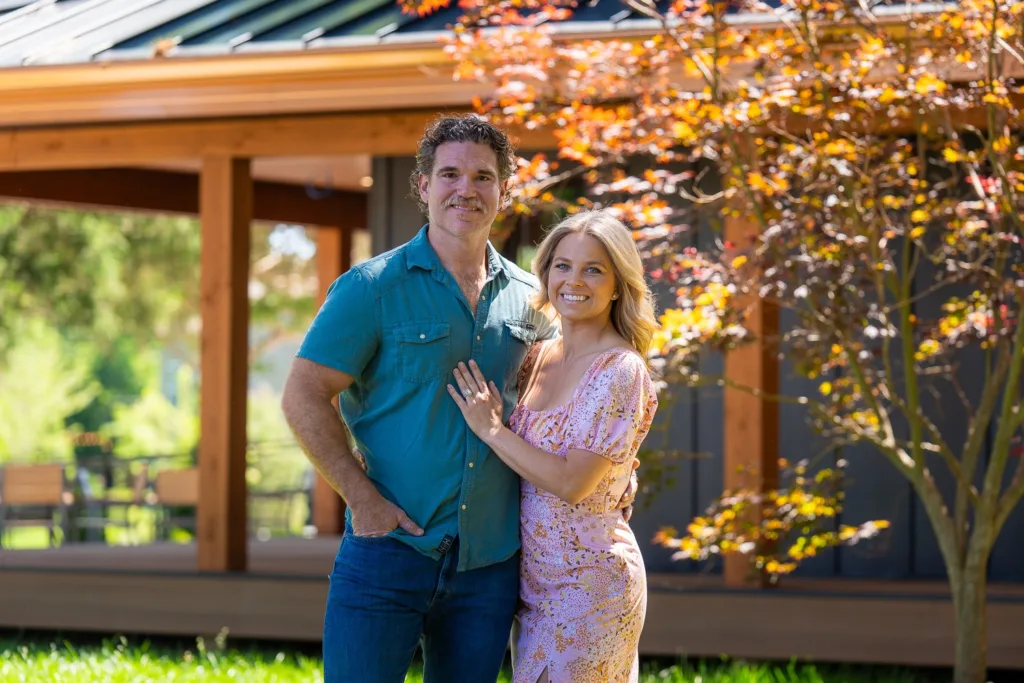
Stephen discovered that the former nursery had downsized from a full-service endeavor to one that focused only on oriental grasses, a tradition that he and Emily have continued by preserving (and redistributing) some of the grasses that remain. The Savages have also planted more than 100 trees, not including a robust number of shrubs and plants.
Longevity and sustainability is part of the concept, Stephen says, and it checks all of the boxes for where he wants to be and what he wants to do at this stage of his life. “I say this is my last one,” he says with a laugh. “But I’ve said that before.”
Comparing Cottle Village to his other restaurant interests, he says the goal behind those endeavors was to provide a high-quality hospitality experience for customers and an income for employees. With the new project, he feels he can provide the same things to an underserved area closer to his home.
“It’s not that different from downtown,” he says, “but instead of a street, it’s a village.”
To keep up with the progress at Cottle Village, follow its Facebook and Instagram pages.
Cottle Village Farmstead + Distillery
📍6470 Highway N, Cottleville
📞 636-268-2123
⏰ The Tavern
4–9 p.m. Thu–Sat, 10 a.m.–2 p.m. Sun (brunch)
⏰Farmstead Distillery
4 p.m.–midnight Thu & Fri, 11 a.m.–midnight Sat & Sun
⏰ The Field
4 p.m.–10 p.m. Thu, 4–11 p.m. Fri,11 a.m.–11 p.m. Sat, 11 a.m.–9 p.m. Sun
Find the best food in St. Louis
Subscribe to the St. Louis Dining In and Dining Out newsletters to stay up-to-date on the local restaurant and culinary scene.