Charlie Gitto Jr. began his restaurant career at age 8, foil-wrapping russet potatoes at Angelo’s every day after school. He remembers saying back then that he’d like to own the restaurant or one like it someday. At age 25, he did exactly that: He bought Angelo’s and promptly changed the name. Charlie Gitto’s on The Hill became the first of four namesake restaurants in St. Louis.
The flagship is on The Hill, not downtown?
Find the best food in St. Louis
Subscribe to the St. Louis Dining In and Dining Out newsletters to stay up-to-date on the local restaurant and culinary scene.
Correct. In the ’70s, my father [Charlie Gitto Sr.] worked for The Pasta House Company, eventually acquiring the store on North Sixth and calling it simply The Pasta House. After [Charlie Gitto’s] had been open for a while on The Hill, my father changed the name of his restaurant.
So when did your career begin?
It began on The Hill when I was 8. After school, I’d go to Angelo’s, where my dad was maitre d’. I’d clean behind the bar and wrap potatoes—I’d wash [the potatoes], rub shortening on them, pierce them with a fork, and wrap them in foil. I still make them that way.
Did you stay at Angelo’s after grade school?
I remember saying way back then that I’d love to have a restaurant like this—or this. In 1980, I was working at a four-star restaurant in Texas when I got a call telling me Angelo’s was for sale. I bee-lined back to St. Louis, borrowed some money, bought the restaurant, and changed the name. I was 25 at the time.
Was it an easy transition?
Angelo’s clientele was either dead, dying, or not accepting change. After the snowstorm in ’82, we did zero business for two weeks. There was double-digit inflation. I couldn’t afford to hire anybody, so I worked that much harder myself. We had a big patio that helped in summer, but when the weather gets iffy, those people need somewhere to go. So you end up gambling a lot. There was one wedding reception that caught us by surprise. A thunderstorm blew in, the tent was leaking, the Dom Perignon fountain was full of water, and I’ll never forget the wedding cake that was slowly, slowly, melting. It never rained so hard. Ever. [Laughing.] I believe that was the day I had my first heart attack.
It obviously got better.
Yeah, but restaurant people tend to remember the crazy times. For the longest time, there was no A/C in our kitchen—130 degrees and no moving air. I remember going down to the ice house on Vandeventer, picking up blocks of ice, and putting them in the kitchen with fans blowing across them. Never did much good, but at least I tried.
What else do you remember from the early days?
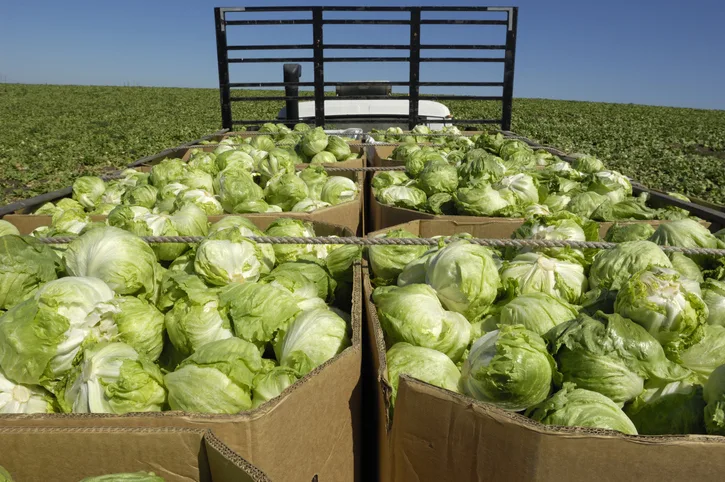
When I bought the place in the ’80s, there were fruit trees and a tomato garden where part of the building is now. Customers could hand-pick a tomato and we’d make their salad table-side, cutting, cleaning, and dressing the tomato right in front of them. That’s how we got to be known for that item. Today, we have a guy who hand-selects all our tomatoes for us. We’re still known for that salad.
What happens in the winter?
We get them from Holland, but I’m not going to lie to you: They’re not as good as Missouri tomatoes. People who are really into tomatoes don’t eat them in the winter.
The Hill restaurant has expanded over the years.
And expanding wasn’t easy. There was a lot of resistance at first from what I call the CAVE people: Citizens Against Virtually Everything. Fortunately, a guy I didn’t know from City Hall helped me overcome the opposition. Again, it was divine intervention. Since then, The Hill has made great strides to encourage more business and more expansion.
And you’ve expanded even more over time.
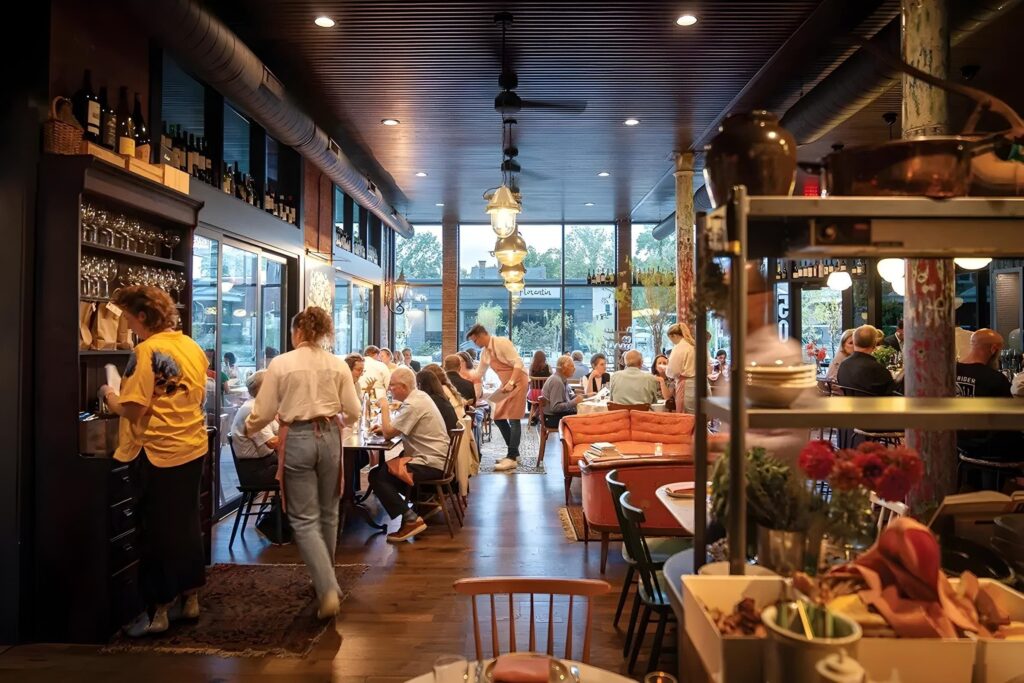
We added three rooms divided by pocket doors, so it looks natural regardless of how much is being used. We did another major interior remodel a few years ago. People appreciate when you put money into your restaurant. You have to invest in the future—your kids’ future.
Celebrities frequent your restaurants. Which one impressed you the most?
Howard Cosell was always gracious. During the World Series in 1982, he was dining with a tall, beautiful—and young—woman. After the meal he said, “Charlie, that was absolutely the best steak I’ve ever eaten… And oh, say hello to my niece.” I loved when Don King would stop by. He always paid with $20 bills that look like they were printed in the ’60s. Now that was some old money.
Tommy Lasorda has to rank high on the list.
He was clearly our spokesman and the guy who did the most for promoting the Gitto’s brand. Tommy would shake hands with neighbors and when he came back in town he’d do it again—and remember them all by name.
Any celebs who were less than congenial?
Merv Griffin. A local TV anchor showed up and stuck a camera in Merv’s face while he was eating. He was pissed, and there was no way I was ever going to make it better.
When did you decide to open more locations?
Twelve years ago, an executive from Harrah’s confessed they were having problems with their Italian restaurant at Westport and asked if I’d be interested in taking it over. I told them Gitto’s was debt-free and that I finally had the time and money to travel, so I passed. A week later, in a meeting with six executives, I was told I could name my price, but to be reasonable. Call it divine intervention or experience, but numbers—apparently reasonable ones— came flowing out of my mouth, and it was the beginning of a great relationship. When Hollywood took over the casino, that relationship continued.
How does the affiliation with gambling affect the location at Hollywood Casino?
We have a separate entrance, so customers who don’t gamble never have to deal with the casino, but our restaurant is also a draw for those who do. We had to adapt, though. We started out with a dress code, for example, and that lasted about two weeks.
How did the Chesterfield store come about?
Once again, it was divine intervention. I had told my wife that if the Uno’s space ever became available, we should jump on it. And one day, out of the blue six years ago, I got the call. We took it down to the studs and put $2 million into it, but I still think it was meant to be.
How can you make money selling pasta with a $2 million investment?
It’s already paid for. When we opened, we were serving 600 people every day. We had to rent a refrigerated truck as a backup cooler. It’s not as busy these days, of course, but it’s never stopped. It’s a very successful restaurant. My daughter Suzanne, who runs the place, is one of the reasons why.
Why did you open a commissary?
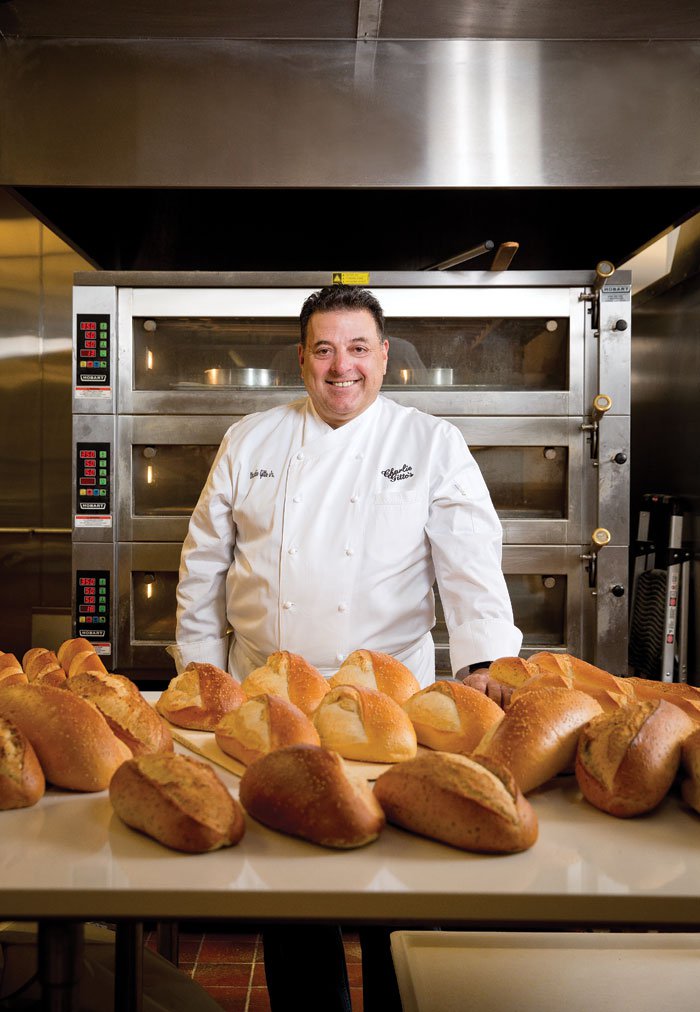
There was never anything special about our bread, and then it became inconsistent, so we built a mini bakery out back. We make several kinds of bread, pasta, desserts, pizza shells, plus the sauces and condiments that we sell in all of the restaurants. My kids may choose to sell our CG brand products wholesale—the demand is there—but for me, the focus was on our quality and keeping all that money in house.
What’s the ideal number of restaurants for Charlie Gitto, Jr.?
Three’s the right number for me. I’ve got ideas and concepts, sure, but that’s another question for my kids.
Why should people go to Gitto’s versus the competition?
The more products a restaurant makes in house, the better the control and higher the quality. And like I said, we make a lot of things in house.
How has Gitto’s adapted to changing dietary needs??
Gluten-free items have gone from a convenience to a necessity. When the Rams lost the Super Bowl, our governor lost a bet. and I was asked to make 500 toasted ravioli to make good on it. I sent them to Jane Swift, the governor of Massachusetts, who was gracious but said she couldn’t eat them because of the gluten, so I made her 500 gluten-free ravioli. I didn’t know how to make gluten-free ravioli. She thanked me up and down; they wrote a half-page story in a New England paper, and my phone started ringing off the hook for gluten-free ravioli.
Do you still make it?
I wasn’t that happy with the product. It was just something I felt I had to do. But we do have several gluten-free items, including a pizza crust.
What’s your favorite dish? The bestselling dish?
I like the veal Parmesan because it’s unusual—we serve it with the bone in. The bestseller has fresh tagliatelle, five types of fresh seafood, and a spicy three-pepper cream sauce. Pasta Suzanne, we call it.
Do you sell a lot of seafood?
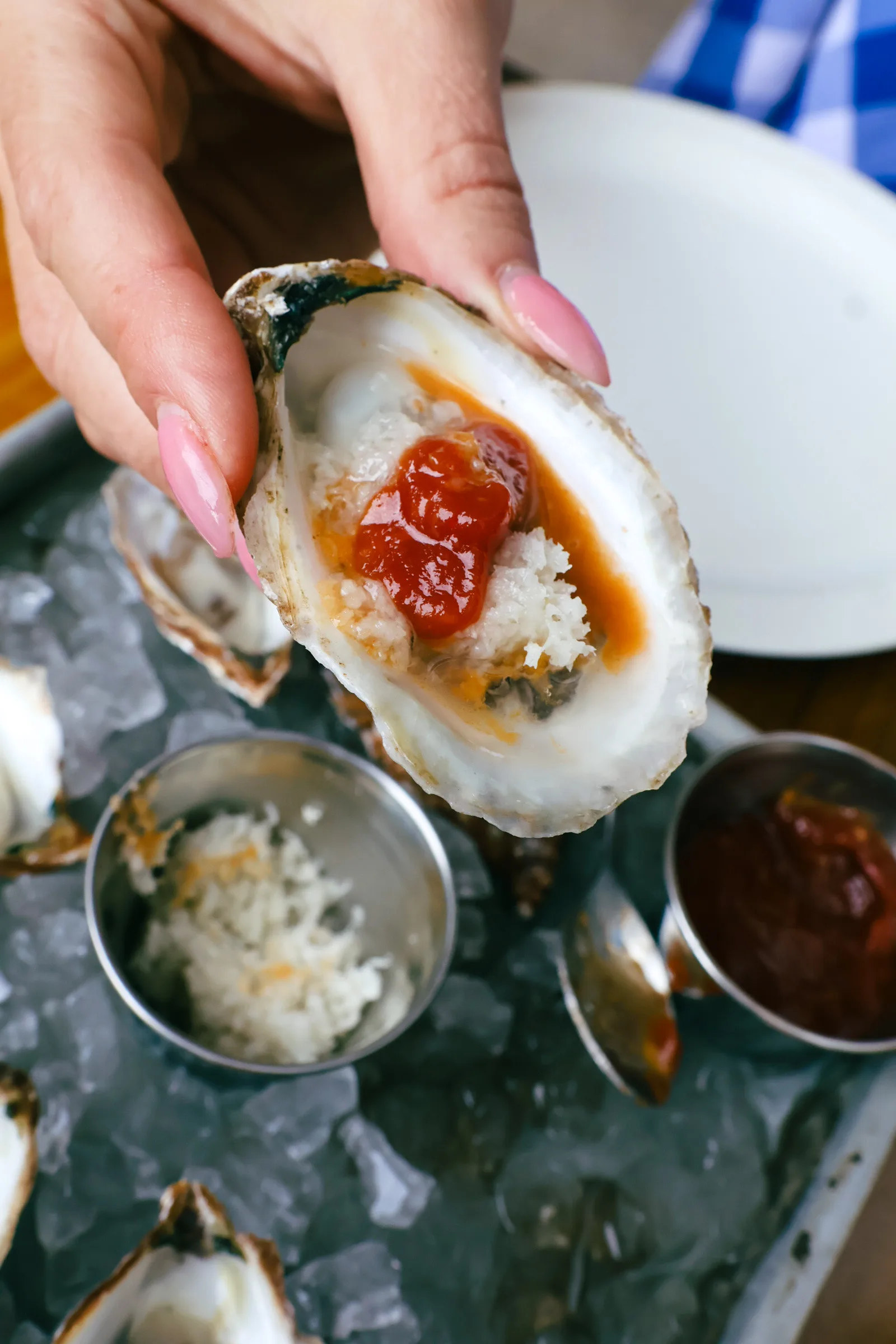
More and more. We have a direct connection for fresh seafood, bringing in whole fish. My son Anthony just broke down a 200-pound swordfish.
Has Gitto’s beverage program changed over the years?
When I first opened, we were open for lunch. Angelo had created a drink called the Gibtini, which was a king martini—as in a big one—garnished with a cocktail onion and an olive. We’d pre-make bottles of gin and vodka martinis, manhattans, and Gibtinis; keep them in ice, along with martini glasses. We’d sell 30, 40, 50 of those drinks every day at lunch. In the late ’80s, all of a sudden, everybody switched to iced tea. It was no longer cool to go back to the office blasted.
How have wine tastes changed?
When we opened, I remember we served Blue Nun, Lancers, Mateus, sweet wines like Lambrusco and Rosatello, a few French wines and a few Chiantis, and that was it. No California wines at all. Today’s customer is educated, and wine lists must reflect that.
Any advice for the novice restaurant owner?
For the kitchen staff, you have to take the time to train people correctly. That said, if it takes more than a week, you got the wrong guy. That, and establish systems so that if some cost gets out of line, you know about it in a week—as opposed to a month or not at all.
Talk a little about fine dining. Should both white tablecloths and tuxedos be retired?
The market for formal, tableside service is getting smaller and smaller, especially in a city the size of St. Louis. That’s all I know for sure. We no longer use charger plates or have fancy candles on the tables, but we’ll continue to use tablecloths.
Is the business easier or harder now that you’re older and wiser?
It’s not easier, even though our systems are more sophisticated. Recently, one guy said he found a piece of glass in his salad, called the bartender over, raises a big stink, orders $200 worth of to-go food, and wants it all comped, which we did. We had a hard time believing it all and caught the guy on camera, clear as day, taking the glass out of his pocket and burying it in his salad. Our only recourse is to remember who this idiot is—and you never remember who these people are.
Would you do it all again or choose a different career?
I’d do some things a little differently, but I’d definitely do it again. Time goes by so fast, you know. Every time I turn around, it’s New Year’s Eve.