Bernie Lee is hesitant to label his latest restaurant, Akar (pronounced “ah-kar”), with a certain type of cuisine. Modern Asian? Yes, in a way. Asian Fusion? Not really. Asian with a twist? We’re all tired of that phrase.
“It’s simply the foods I like to eat,” he says, “comfort-based dishes from my travels and from my childhood in Malaysia.”
Find the best food in St. Louis
Subscribe to the St. Louis Dining In and Dining Out newsletters to stay up-to-date on the local restaurant and culinary scene.
Three weeks ago, SLM reported the after-the-fact closure of Hiro Asian Kitchen, Lee’s six-year-old restaurant in Downtown West. He said he “preferred a measured, focused closure rather than a long, protracted one.” At the time, he gave no indication that another restaurant was in the works. “I didn’t want to announce a new place and an opening date, then have to revise it due to various circumstances,” he says. “I was able to open Akar much quicker this way, working without interruption.”
Akar means “roots” in Malay, and the restaurant represents Lee’s culinary journey, from his childhood to present day. He fondly remembers observing from his grandma’s lap, then cooking with his mother, anticipating what was later “to be enjoyed, devoured, and feasted upon.” Lee says Akar is a thank-you note to the family members and chefs who inspired him, those who encouraged him to be different, explore, and push boundaries.
There will be “less holdback” at Akar, he says, which is a departure from his other restaurants. Spicing will be bolder and authentic, elevating tradition without compromising it, with simple ingredients and uncomplicated dishes from his heart and home.
Service at Akar will be flex-casual, a somewhat new model that means counter service at lunch and full service at dinner. (Plans call for weekend brunch and breakfast to be added later.)
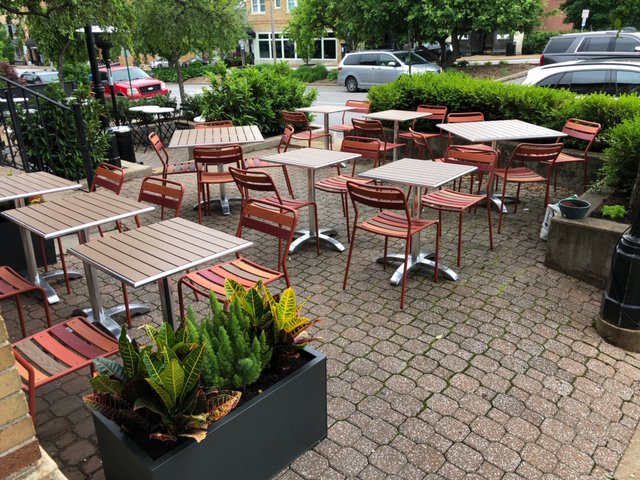
With only 12 seats inside and a 30-seat dog-friendly patio, the majority of Akar’s business will be carryout and “all easily caterable,” he says, so it was crucial that the menu items travel well and can be reheated well. Most items are vegan and/or gluten free and low in carbs. “That’s a lot of boxes that had to be checked,” Lee admits. “It’s a small menu, but it took a long time to create.”
The eight-item lunch menu includes items that are all time-tested, “things that people like,” according to Lee. Look for a soup, several salads (one with Lee’s signature citrus vinaigrette), Banh Mi sandwiches, and several bowls (grain, bibimbap, and coconut curry), plus a pick-two-for-$12 option.
For the intermezzo period between lunch and dinner (2–5:30 p.m.), Lee created a snack menu, including an Asian riff on chicken nuggets. One unfamiliar snack item is dried anchovies and peanuts. “People don’t eat potato chips in Malaysia like they do here,” Lee explains. “But they eat a lot of this.” There’s also beet hummus, shiitake crouquettes, and tsukemono (pickled Japanese vegetables).
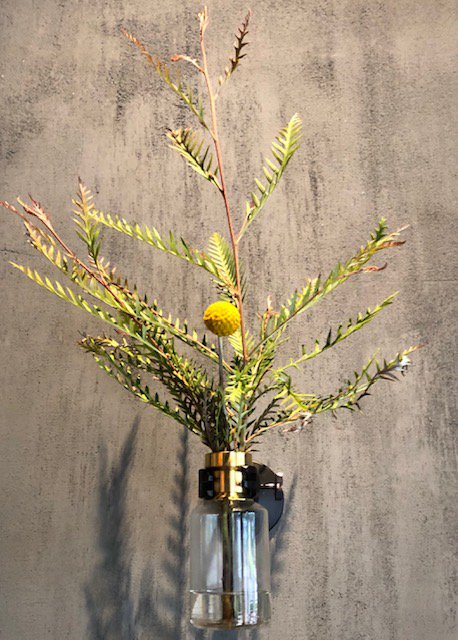
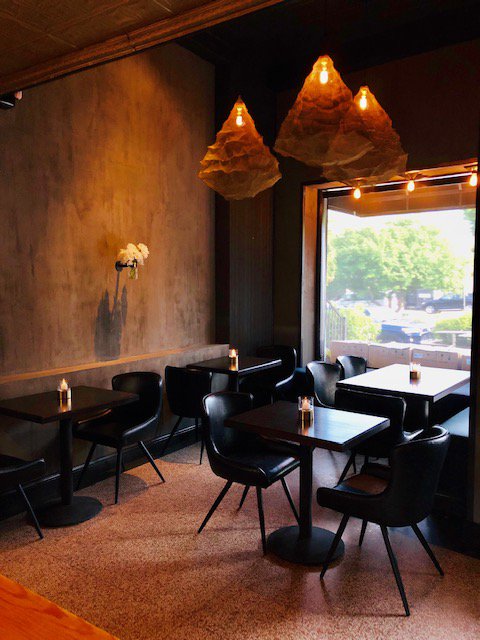
The interior at the space’s former restaurant, Anthony’s Italian Eats, was casual and well-appointed. The same holds true at Akar, but with Asian touches. One holdover—a gray, Y-axis-lined wallpaper— is reinforced by a glaze of textured, earth-toned gray clay with minimalist sconce that will change on a whim. “Who knows?” Lee says. “When we run a broccoli special, you might see a crown of broccoli up there.”
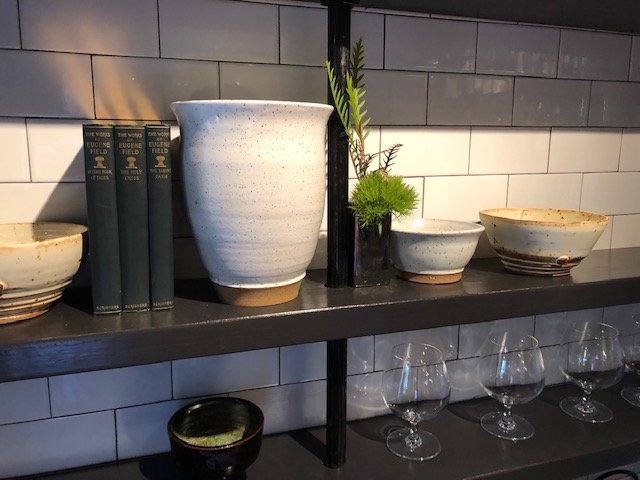
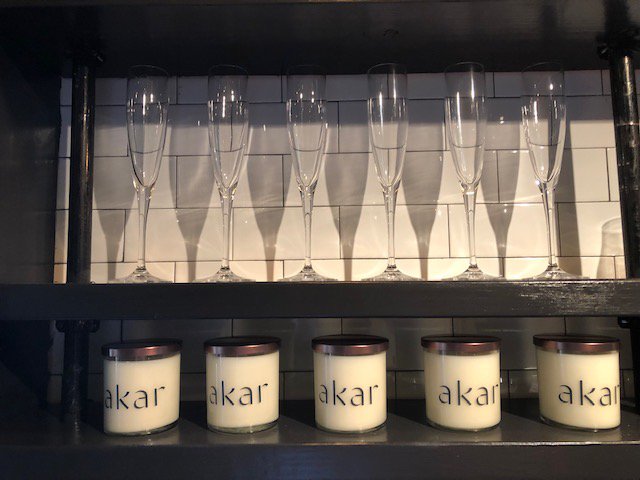
Another area, with subway tile-backed wood shelving, now holds locally made pottery and small gifts (such as soy candles) instead of specialty Italian foods. Also worth a mention are the aprons (“linen for summer”) with batik trim, made locally by Nina Ganci of SKIF International. And the service ware (look for Akar’s signature hibiscus leaf) from local musician and pottery artist Jeremy Segel-Moss.
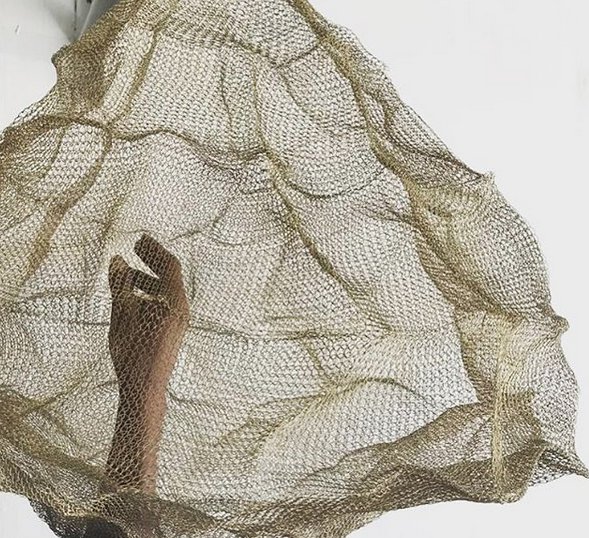
Akar’s polestar is the three, large metal-netting chandeliers that Lee had handwoven in Bali. “The ones I saw there were less than a foot tall,” he says. “When I spread my arms into a 3-foot circle and said I wanted them this big, the guy’s eyes got really big. He thought I was kidding.”
A small collection of spirits (including soju and Japanese whiskies) are clearly visible on the de facto back bar behind the counter, the basis for limited cocktail menu. A 30-bottle wine list, including a handful of half (375 ml) bottles, is an unexpected surprise.
Summing up his latest venture, Lee says, “I wanted to give people an opportunity to experience my culture through my eyes. I thought a small neighborhood eatery with a wine focus would be the best way to do that.”
After a series of soft openings, Akar will open for lunch and dinner on Tuesday, June 11. Reservations will be taken after that date, at 6 and 8 p.m. (“With so few seats, I have to maximize the space,” admits Lee).
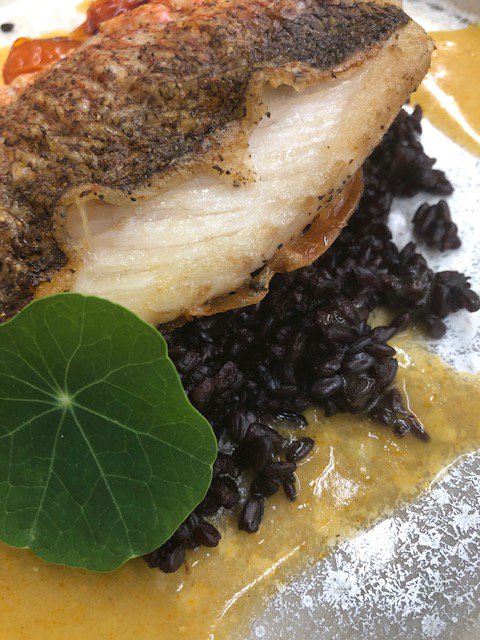
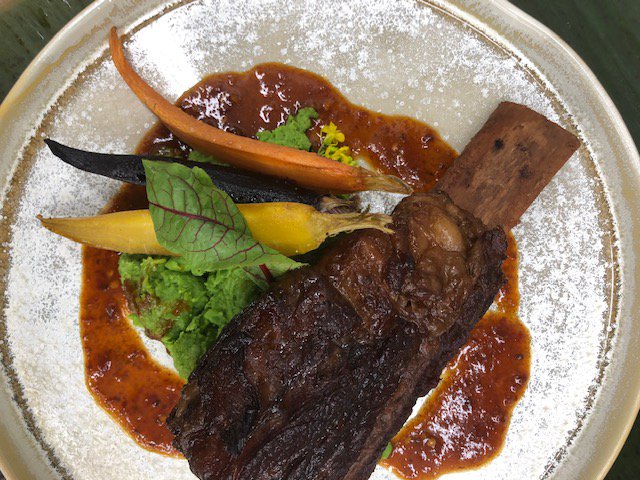
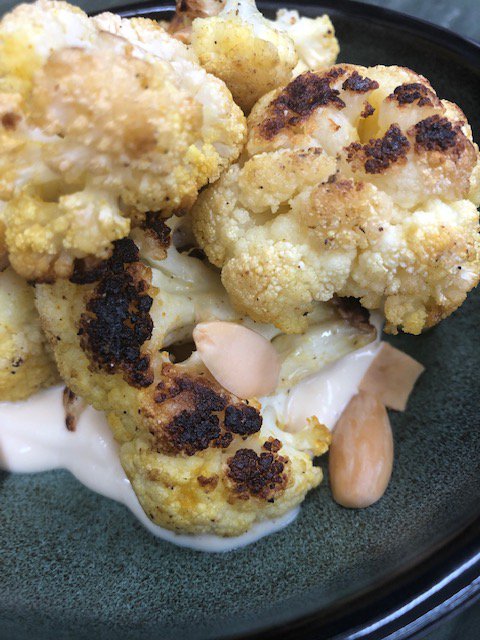
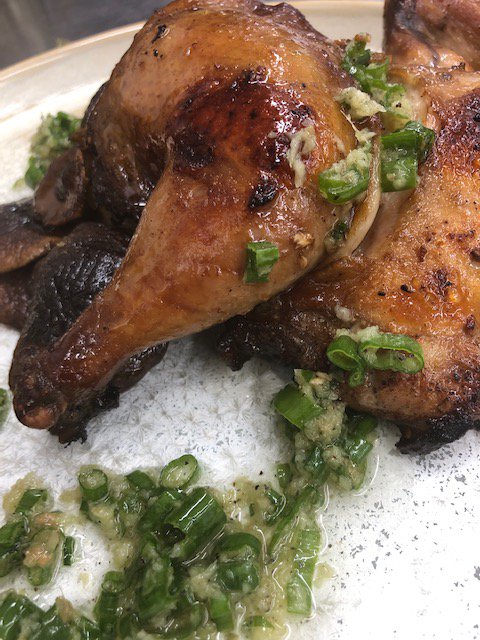
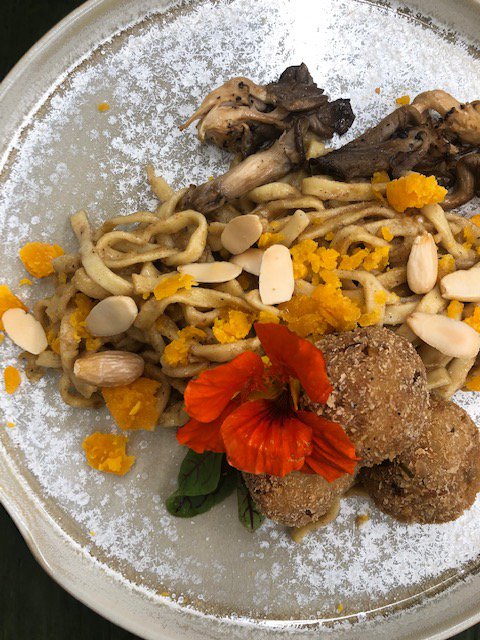
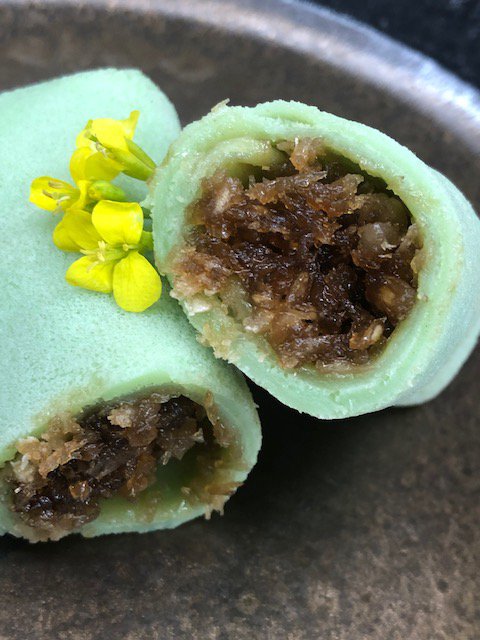
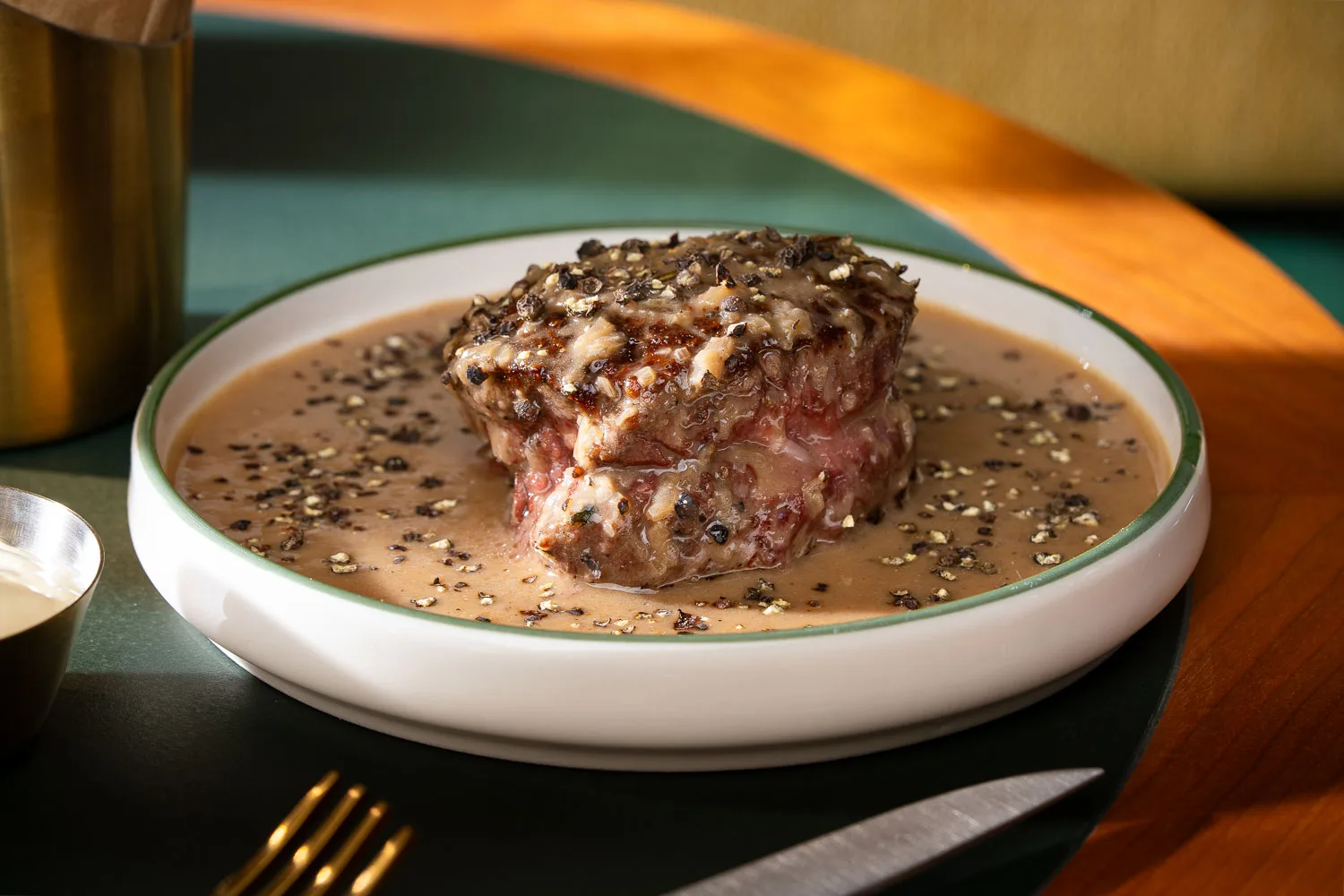
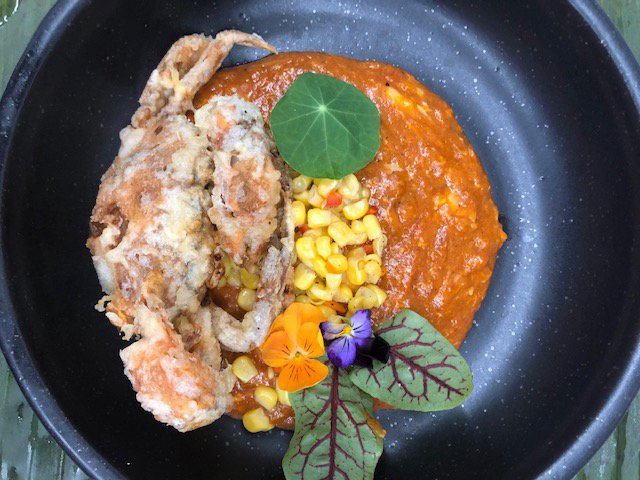
Scroll down for a sampling from Akar’s dinner menu.