Ever watched a robin dig up a worm? Or a bluebird build a nest? Or a falcon soar majestically overhead? You don’t have to be ready for a Big Year—in which birders try to spot as many species as possible in a single annum—to get a kick out of watching birds. The St. Louis Audubon Society, which celebrates its centennial this year, will host a free beginner bird walk on June 6 at Forest Park. Study up with this quiz, designed with help from society president Linda Tossing, and you’ll be at the head of the class. Correct answers are included at the bottom of the quiz.
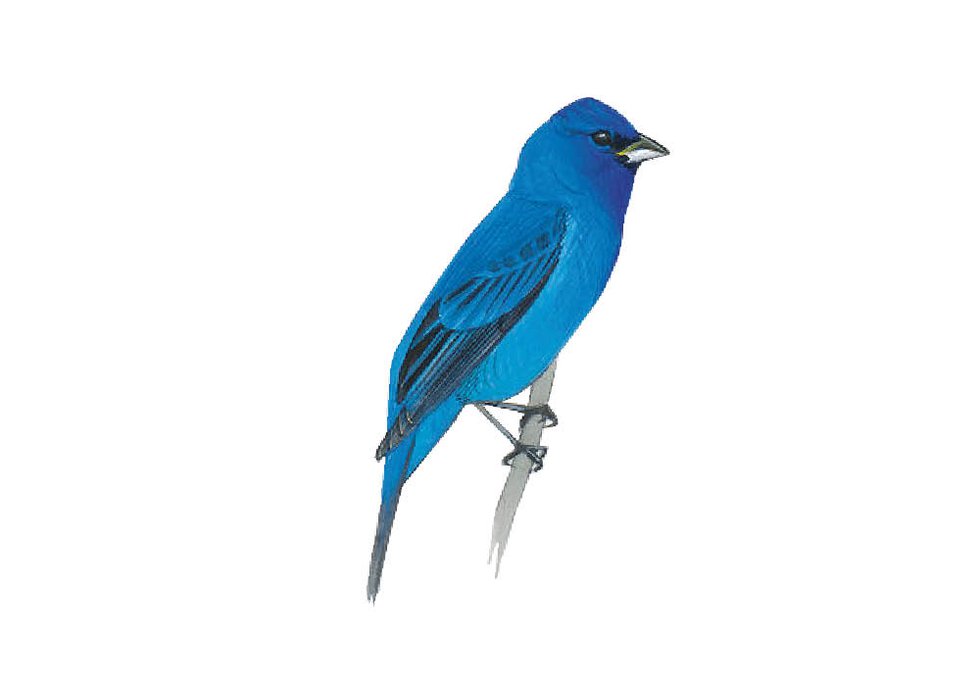
1. The illustration above depicts a(n):
Get a weekly dose of home and style inspiration
Subscribe to the St. Louis Design+Home newsletter to explore the latest stories from the local interior design, fashion, and retail scene.
A. Blue jay
B. Indigo bunting
C. Eastern bluebird
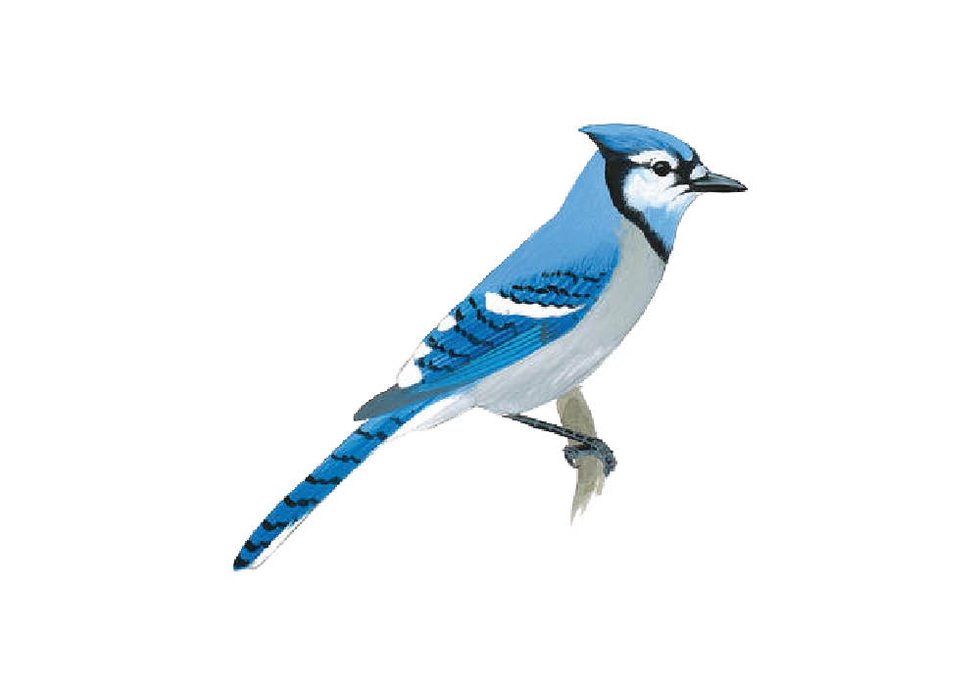
2. The illustration above depicts a(n):
A. Blue jay
B. Indigo bunting
C. Eastern bluebird
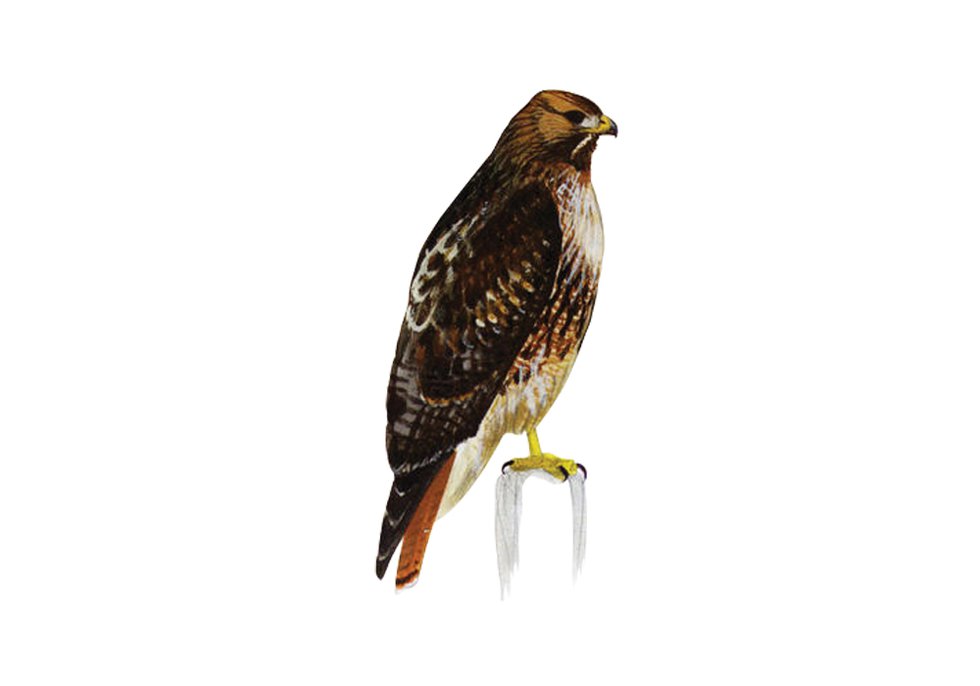
3. The illustration above depicts a(n):
A. Red-tailed hawk
B. House finch
C. Carolina wren
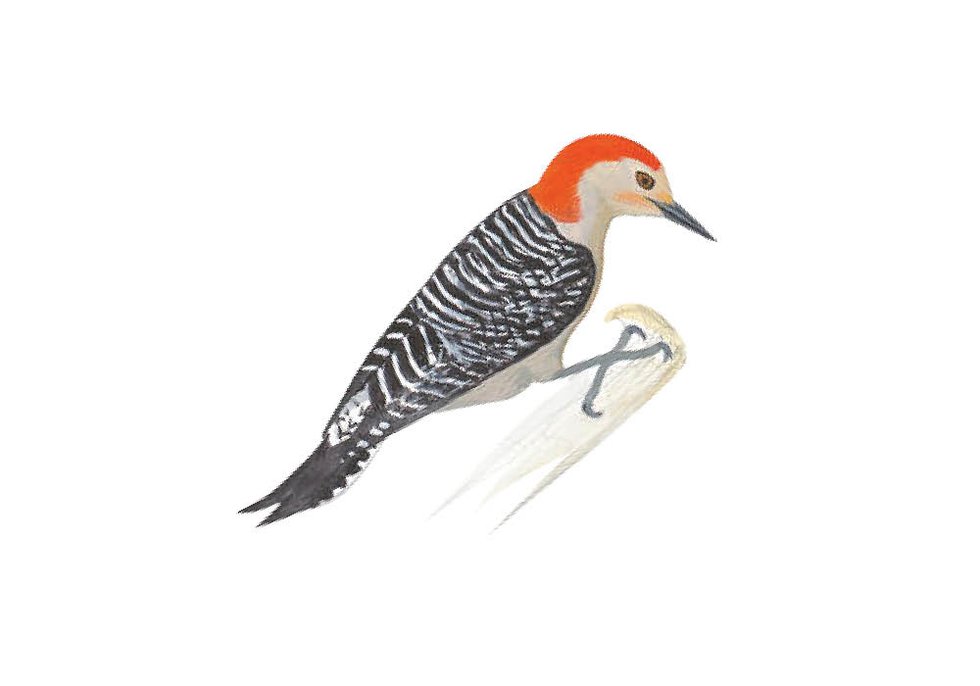
4. The illustration above depicts a(n):
A. Eurasian tree sparrow
B. House finch
C. Red-bellied woodpecker
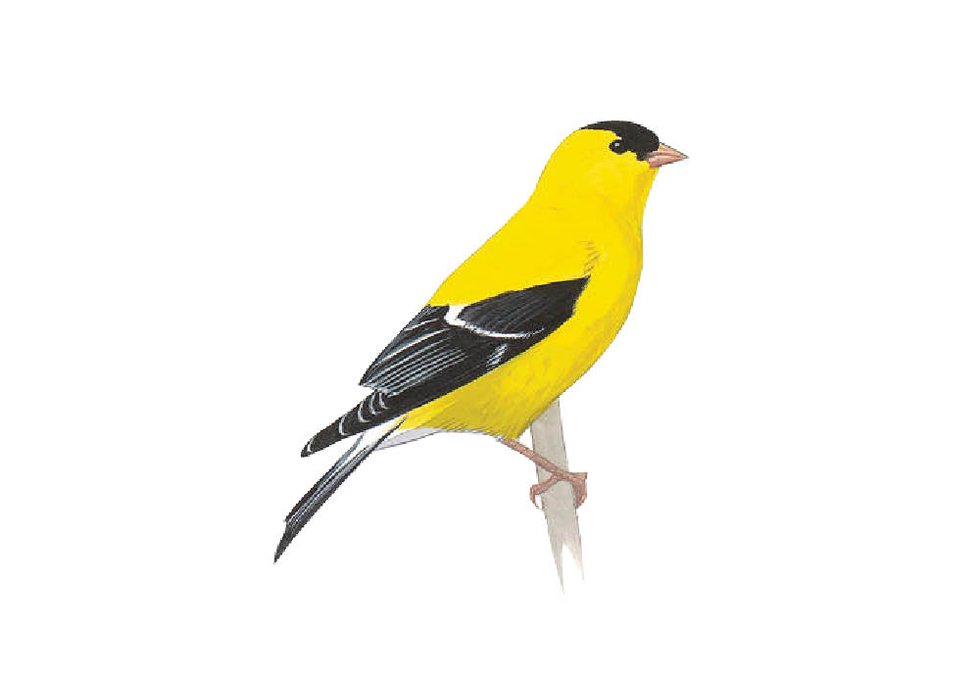
5. The illustration above depicts a(n):
A. American goldfinch
B. Peregrine falcon
C. Yellow-rumped warbler
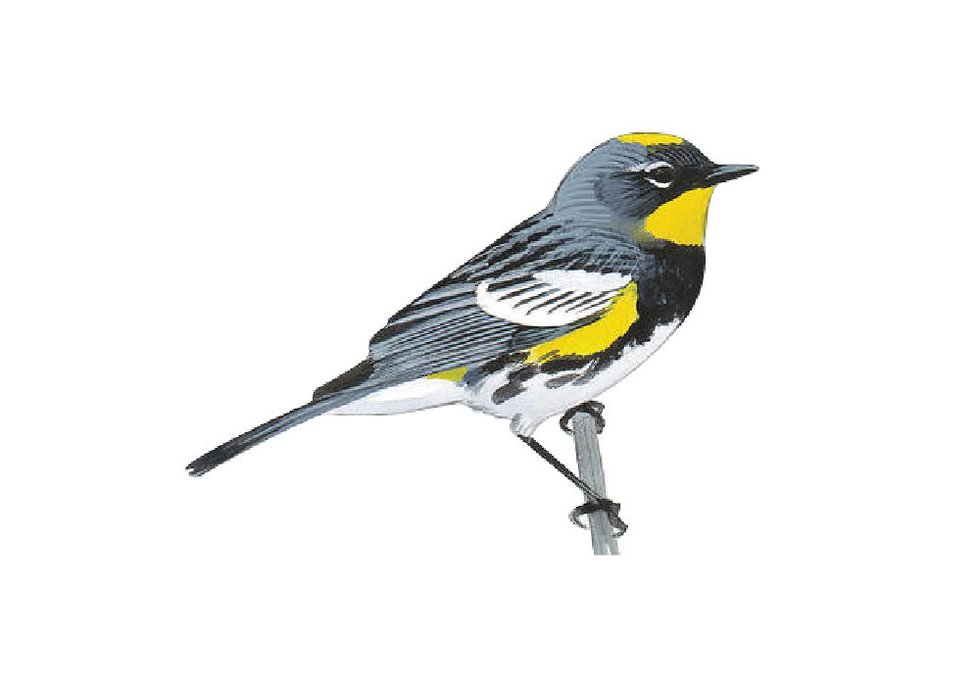
6. The illustration above depicts a(n):
A. Yellow-rumped warbler
B. American goldfinch
C. Peregrine falcon
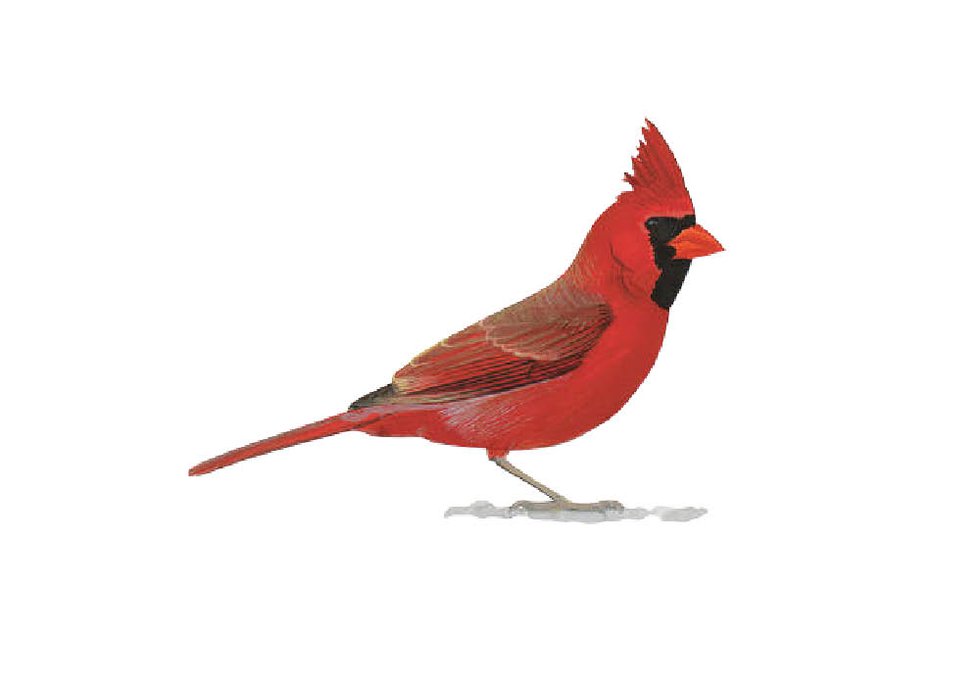
7. The illustration above depicts a(n):
A. House finch
B. American robin
C. Cardinal
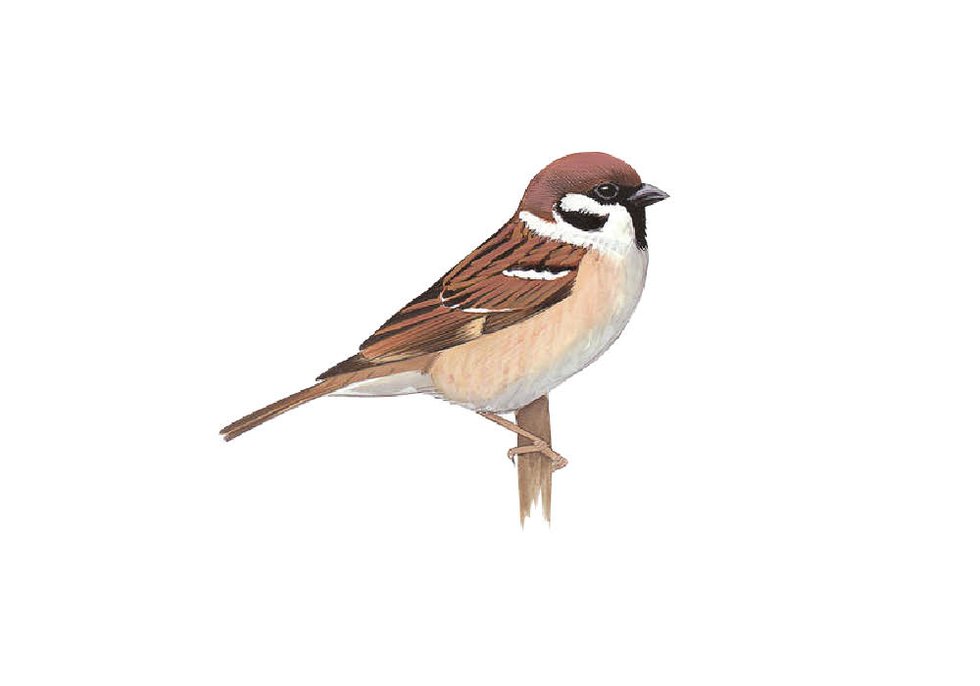
8. The illustration above depicts a(n):
A. Peregrine falcon
B. Carolina wren
C. Eurasian tree sparrow
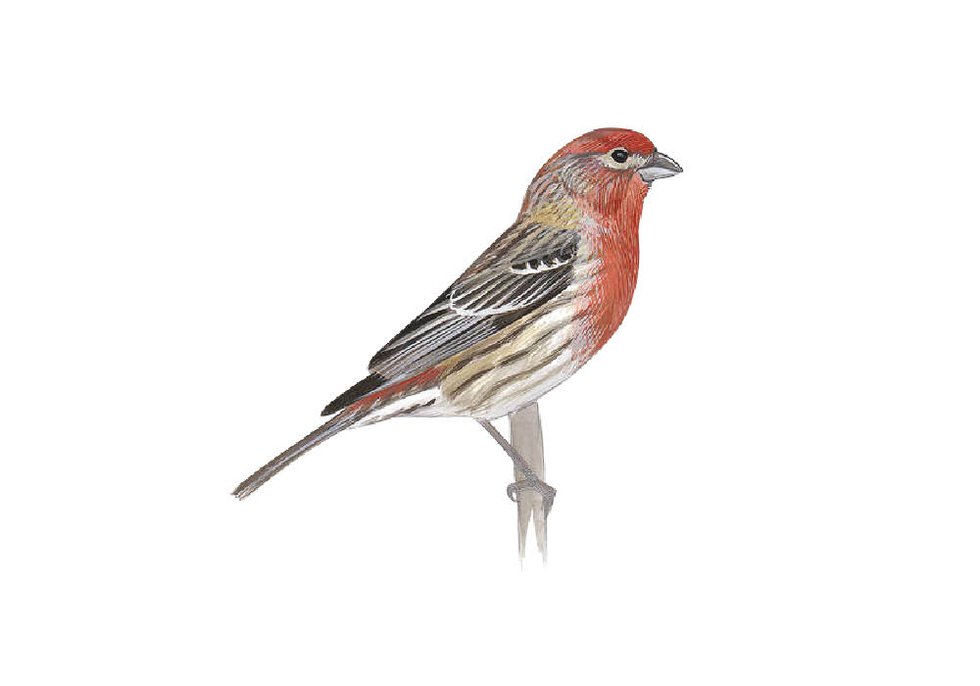
9. The illustration above depicts a(n):
A. House finch
B. Red-bellied woodpecker
C. Indigo bunting
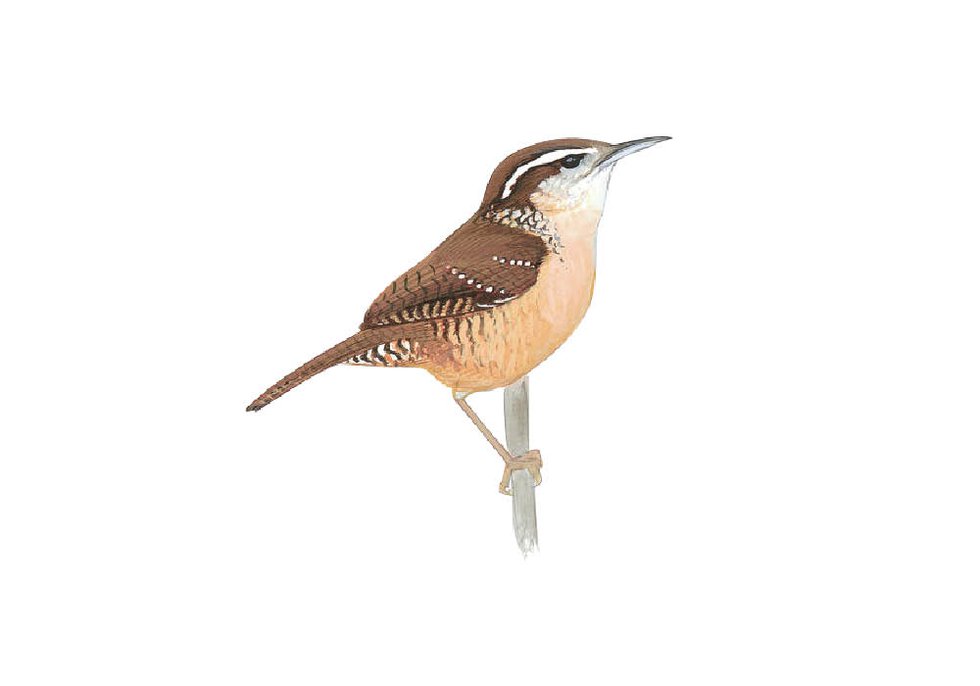
10. The illustration above depicts a(n):
A. Eurasian tree sparrow
B. American goldfinch
C. Carolina wren
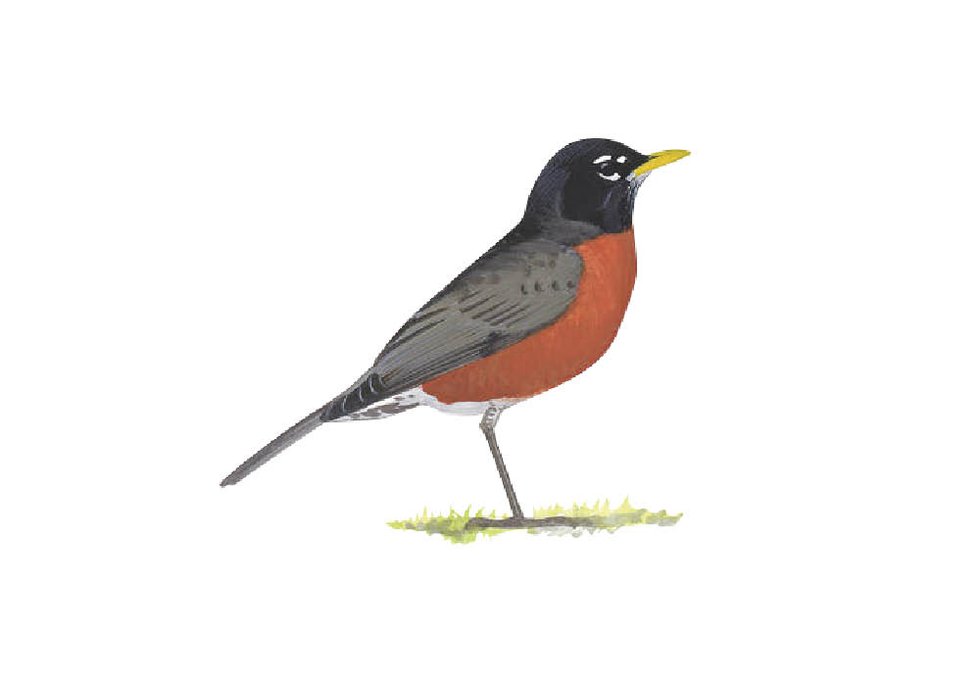
11. The illustration above depicts a(n):
A. Carolina wren
B. American robin
C. Indigo bunting
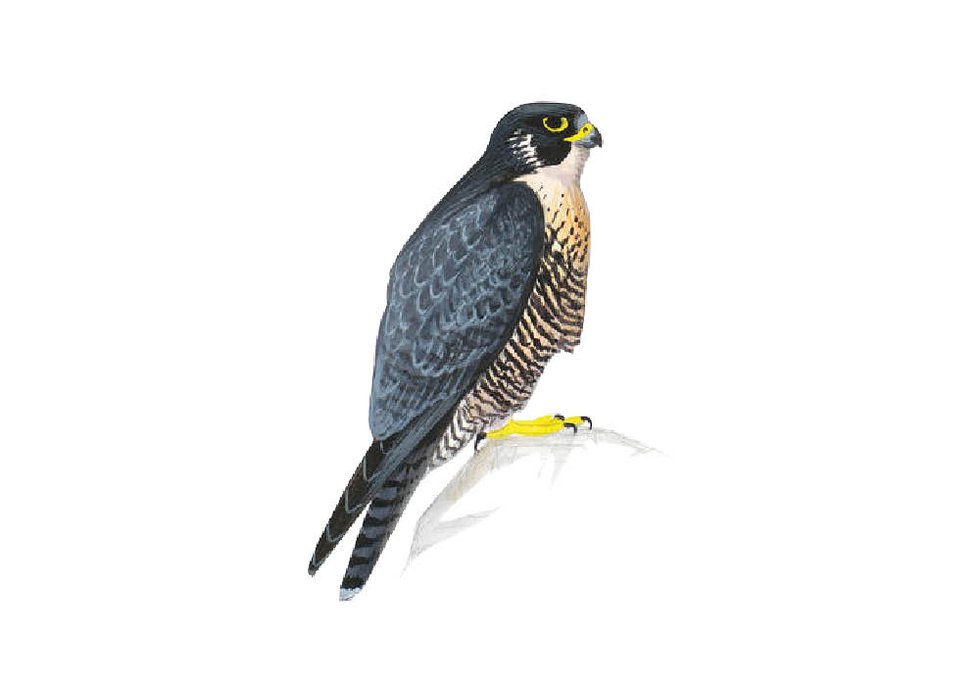
12. The illustration above depicts a(n):
A. Yellow-rumped warbler
B. Carolina wren
C. Peregrine falcon
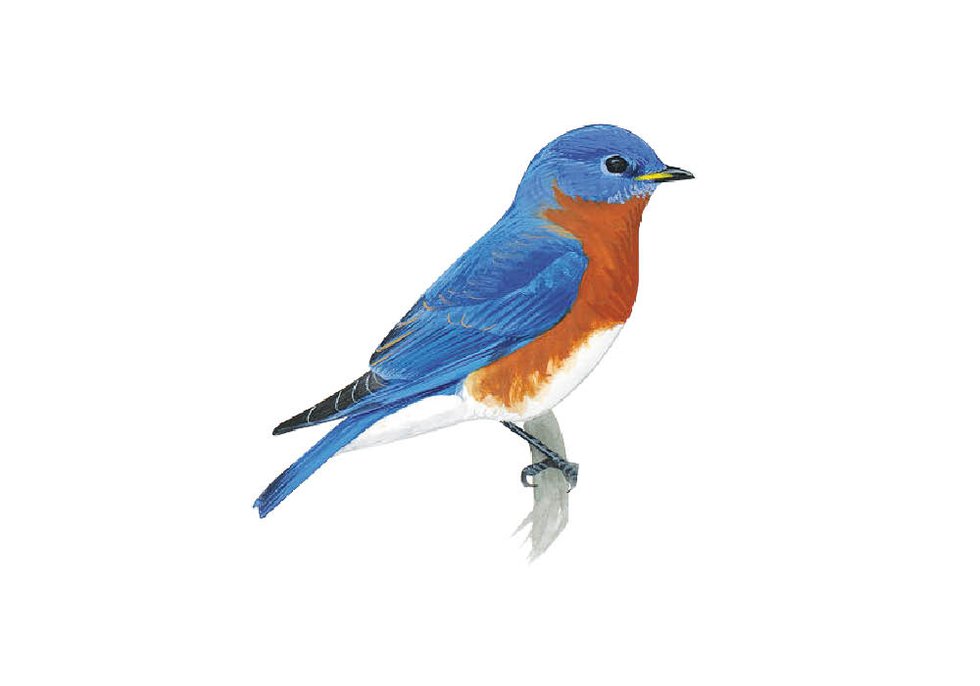
13. The illustration above depicts a(n):
A. Blue jay
B. Indigo bunting
C. Eastern bluebird
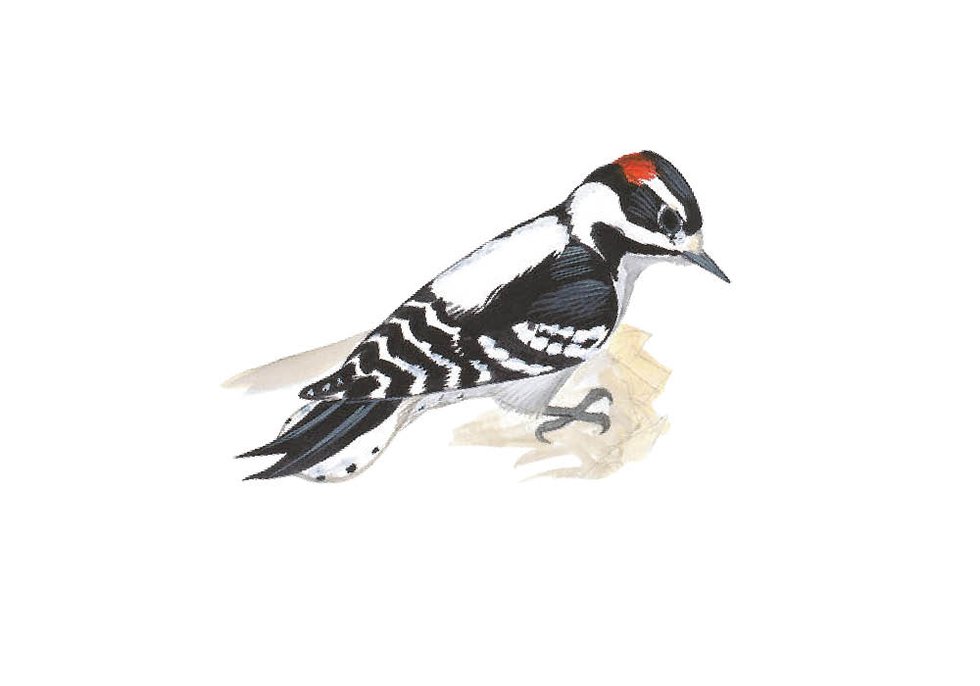
14. The illustration above depicts a(n):
A. Red-bellied woodpecker
B. Downy woodpecker
C. Red-tailed hawk
ANSWERS
1. B
Indigo bunting: Found in forests or on open plains, these seed-eating birds are known for the male’s brilliant blue color.
2. A
Blue jay: These smart, sometimes aggressive birds love backyard feeders. Males and females look identical.
3. A
Red-tailed hawk: These predators can be seen hunting in Forest and Carondelet parks for rodents or even snakes.
4. C
Red-bellied woodpecker: This bird’s name is misleading—the bright-red patch is actually on its head.
5. A
American goldfinch: These seed-eaters are known for the males’ bright-yellow plumage during mating season.
6. A
Yellow-rumped warbler: Technically, multiple distinct bird types are lumped together under this heading, but their colorful backsides are remarkable by any name.
7. C
Cardinal: Often found in St. Louis back yards, this is the only bird with 11 World Series titles.
8. C
Eurasian tree sparrow: Though this bird isn’t native to the region, it’s found in St. Louis and few other places. Birders from across the nation come here hoping to see one.
9. A
House finch: These invasive birds like to build nests on porches or decks, and their poor housekeeping makes a big mess.
10. C
Carolina wren: One of these precocious birds—who are recognized by the white stripe on the head—built a nest in Tossing’s barbecue pit last year.
11. B
American robin: These birds used to be called “red-breasted,” until capricious ornithologists decided to change the name.
12. C
Peregrine falcon: These bird-eating birds, once endangered, have made a remarkable comeback and can be seen soaring over downtown or in Clayton.
13. C
Eastern bluebird: New York and Missouri don’t have much in common, but they do share this bug-eating state bird.
14. B
Downy woodpecker: Though the name suggests a diet of wood, these birds are often attracted to backyard feeders, especially those of the suet variety.