The name alone evokes something elegant and complex. Formal in appearance, the knot garden dates back to 1400s France and was popular during the Elizabethan era, the latter half of the 1500s. In these gardens, geometric patterns inspired by rugs and tapestries are woven of herbs, flowers, shrubs, and other plants in a square frame. Once exclusive to the grounds of estates, knot gardens appealed to the viewer from all angles of a property—especially from upstairs windows, which is how royals and aristocrats often enjoyed these gardens.
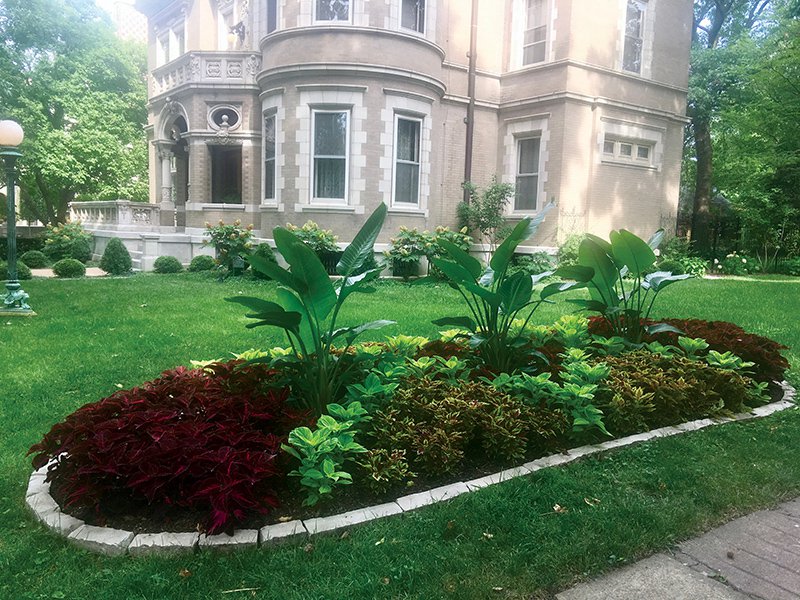
Today, knot gardens grace the lawns of homes across Europe and the United States. Here in St. Louis, they’re a passion of Kyle West of WESTdesign. Four years ago, he was hired to design a knot garden for the owners of a Compton Heights home. Inspired by the historic property, West and the client agreed that the garden should complement the house, leading him to the idea of a knot garden.
Get a weekly dose of home and style inspiration
Subscribe to the St. Louis Design+Home newsletter to explore the latest stories from the local interior design, fashion, and retail scene.
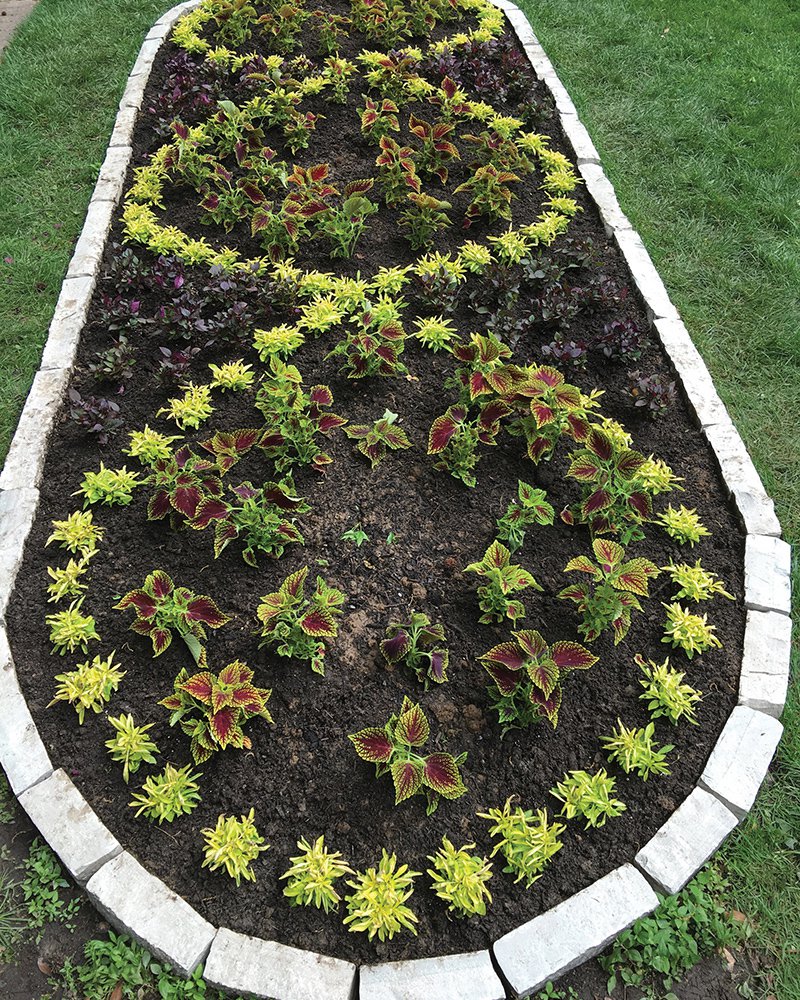
“My background is in architecture, so I loved the structured aesthetic of these historic designs, but I wanted to put a more modern twist on some key elements,” he says. The client didn’t want boxwood—the traditional border for knot gardens—so in order to achieve a tidy, uniform perimeter, West used Fond du Lac stone to define the 8-by-24-foot bed. He conceived a double-infinity design and populated it with nontraditional perennials in traditionally vibrant knot garden colors: lime-green alternanthera, red-and-green coleus, emerald-hued elephant ear palms.
The design was a hit. “The client said he was gobsmacked by its beauty,” says West, who maintains and updates the garden. In the three years since its creation, he’s also installed crisscross and diamond patterns, using purple alternanthera, orange-and-yellow coleus, and bird-of-paradise.
West chose a location that would get dappled morning light and full afternoon sun, but knot gardens aren’t limited to one location or plant species. “[They] can be placed in partial or even full shade, but in that environment, alter your plant selection,” he says, noting that ferns, impatiens, and exotics such as Persian shield are options. Regardless of setting, he says, gardeners should pay attention to drainage and soil quality.
“I amend the existing soil with a well-draining porous garden soil, which has a bit more sand than the clay-heavy earth typically found in St. Louis,” West says. He also likes the look of a mounded garden, making it higher in the center and sloped on the sides so that the plot drains naturally. For long-term success, he says, watering is key: “Coleus has a large leaf and requires a lot of moisture, so the Compton Heights garden is watered for a few minutes about three times a week.”
Each spring, West begins devising new designs and thinking about different plants he can use.
“The garden continues to evolve and get better,” he says with satisfaction. “The clients—and even their neighbors—look forward to it every year.”