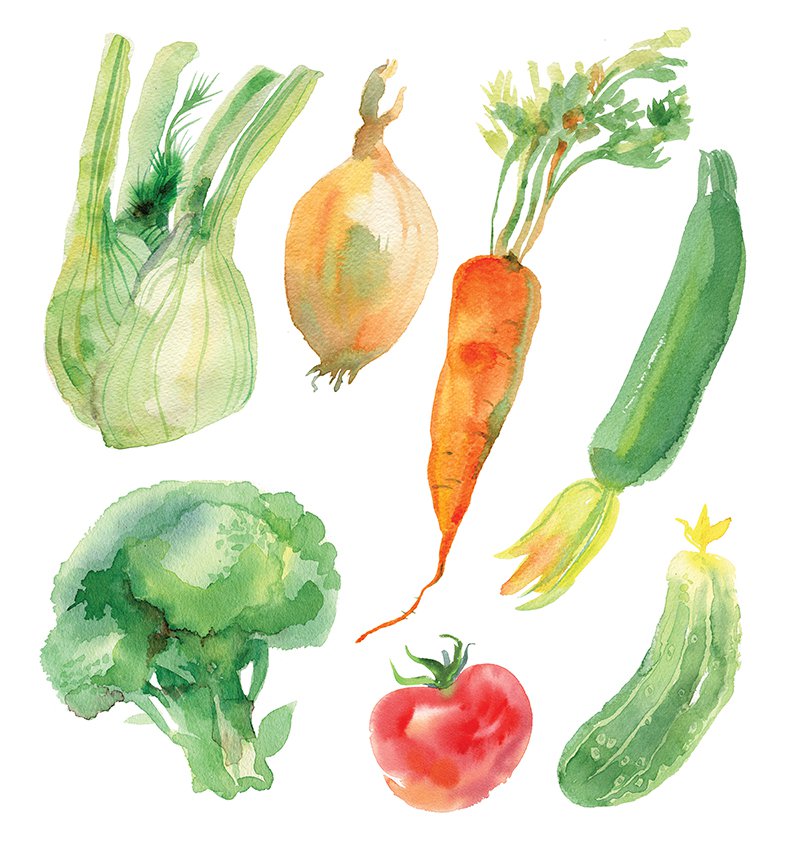
“There’s no reason why you can’t have something on your plate every day that’s fresh from your garden,” says Jennifer Schamber, general manager of Greenscape Gardens. Here are some tips on how to plant a home salad garden.
1. Location is everything
Get a weekly dose of home and style inspiration
Subscribe to the St. Louis Design+Home newsletter to explore the latest stories from the local interior design, fashion, and retail scene.
The sun is your garden’s best friend. “Pick a spot that gets a minimum of six hours of full sun each day,” says Schamber. For novice gardeners, a plot of ground measuring 4 by 4 feet is a good starting size. Container gardens are a great option for homeowners with limited space and those who want to test their interest in gardening first. Unlike garden beds, “containers can be moved, depending on the location of the sun, and brought inside during cold snaps or inclement weather,” says Gary Brasier, Greenscape’s edibles manager. A new trend is the blending of edibles into an existing garden, he says, combining form and function.
2. Prep the bed
Using a shovel, remove grass, weeds, and rocks from the planned bed area. Till the soil with a garden fork to break up clumps and aerate the ground. If you plan to build a raised bed, look for a prefabricated kit, 4 by 4 feet, with cedar beam sides at least 6 inches high. If you’re opting for a container, it should be no less than 12 inches in diameter and drain well. Though lettuce will grow in everything from ceramic pots to metal buckets, Brasier recommends waterproofed cedar containers, “because termites and carpenter ants have no interest in them.”
3. Quality Soil is Key
St. Louis–area soil contains a lot of clay, which tends to retain moisture, reduce porosity, and cause root rot. Schamber recommends submitting a sample for soil testing to the University of Missouri Soil and Plant Testing Lab. The results will indicate whether or not organic matter is needed. If it is required, “mix a combination of composted topsoil, an enriched compost, and an organic vegetable garden planting mix like one from Dr. Earth. For a 16-square-foot plot, you’ll need about eight bags of composted soil and one bag of vegetable mix,” says Schamber. The soil should be spread across the garden, then mixed into the top few inches of the earth with a garden fork.
4. Start Seeding
Most lettuces, carrots, radishes, and herbs are easy to grow from seed. Schamber suggests varieties not easily found in grocery stores, such as speckled green lettuce. Baker Creek Heirloom Seeds is her favorite source: “It has a wonderful catalog and a lot of unusual heirloom varieties.” Using a hand trowel, create shallow rows 3 to 6 inches apart, then sprinkle in the seeds and cover them with a light layer of soil. Consider companion planting, the close planting of foods with a symbiotic relationship. Lettuces last longer with some shade, so “add tomatoes to a bed, and their height and foliage will protect the lettuces as the summer goes on,” says Samantha Zale of Greenscape.
5. Care and Maintenance
Be vigilant about thinning out crowded seedlings, using garden scissors or a good pair of pruners (Schamber likes Felco-brand tools). Otherwise, you may actually lose production, because plants may shade each other out and not ripen. Be sure to use organic fertilizer: Granular applications should be used monthly, liquid-based fertilizers once a week. Water every other day. “If the soil sticks together a little when you grab a handful, you have enough moisture. If it crumbles, it may need some water,” says Schamber. The more attentive a gardener is to plant and soil maintenance, the healthier the yield will be in the long term.
6. Reap the Rewards
The turnaround time from seeding a garden to seeing growth can be satisfyingly quick. Lettuces take just 10 to 14 days, radishes about three weeks, and cherry tomatoes five to six weeks. For lettuce and herbs, once the leaves have formed and it looks like there’s enough for a salad, you can start to pick. “A nice clean cut is important to keep them healthy and promote regrowth,” Schamber says. Underground growers like carrots and radishes are trickier. Gently pull them up just enough to see how large they’ve grown. If they’re still small, return them to the ground. “When it comes to texture and flavor,” Schamber says, “there is no comparison to fresh lettuces right out of the garden.”