I’m a homeowner interested in learning about solar panels. What should know to get started? Jill M., Glendale
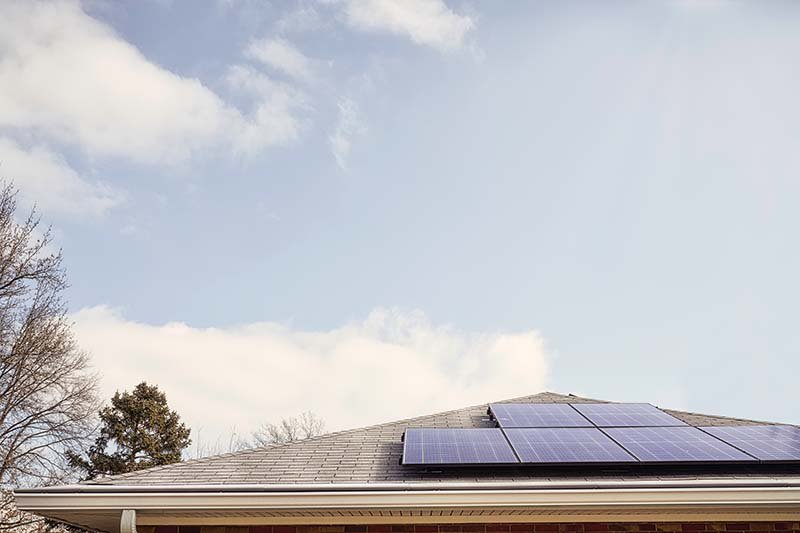
Homeowners are drawn to the idea of solar panels for a range of reasons, including energy cost savings and environmental factors, says Angie Warrens, a design consultant with Sunkey Solar. “A lot of people are like, ‘Well, maybe [my electric bill] isn’t that high.’ But if you think into the future, what is it going to be five years from now or 10 years from now? And so it can definitely be an investment.” Homeowners who are interested in solar panels, says Warrens, should first ask themselves how much sunlight reaches the roof of their house.
Get a weekly dose of home and style inspiration
Subscribe to the St. Louis Design+Home newsletter to explore the latest stories from the local interior design, fashion, and retail scene.
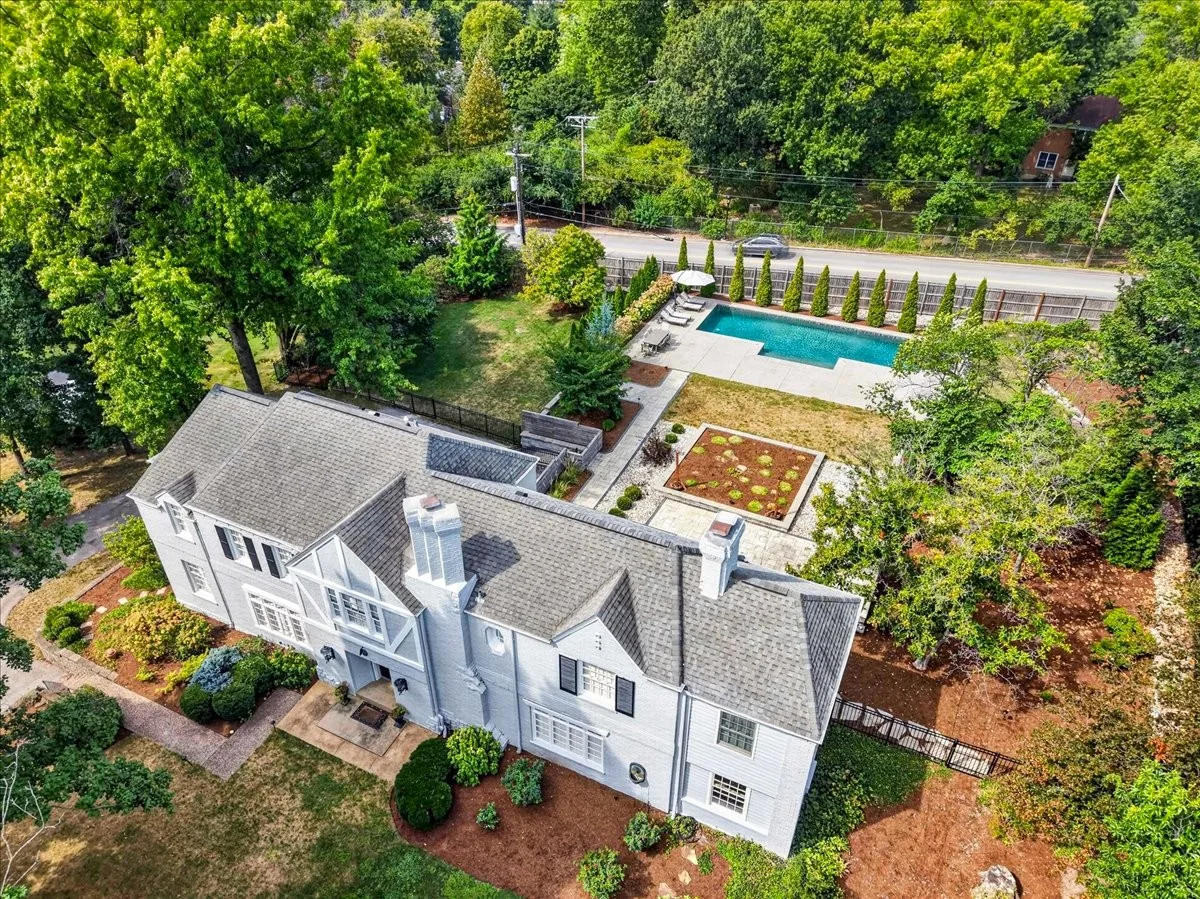
“A lot of people don’t think about tree coverage,” she says. For this reason, houses built in new subdivisions are sometimes better candidates for solar than, say, a house in a historic district, because of the absence of full-grown trees planted along its sidewalks and yards. If there’s a large tree covering a roof, that house isn’t likely to be a good candidate, says Warrens, unless the owner is willing to have the tree removed.
By using a software program called Open Solar–which requires inputing a street address and a property’s electrical usage from the past 12 months–Warrens can view a property from afar, similar to how one would use Google Maps. “I can plug in [the information] and see if I can put enough panels on that roof to make sense,” she says. Once that’s determined, a site survey is scheduled, resulting in CAD drawings that show the placement of any future panels. (A residence also needs a minimum of a 200-amp panel to qualify for solar panels, says Warrens.) Permitting by the city or county, as well as by the local electric company, usually takes the most time, but “once we have PTO, or Permission to Operate, we just need to set up the installation date,” says Warrens.
Homeowners who live in historic districts would be wise to start the process by calling the city’s Cultural Resources Office or by contacting a trustee from the local neighborhood association, for guidance. Given the use of historic roofing materials, such as slate and tile, on many street-facing exteriors, adding solar panels could present a challenge in neighborhoods that prohibit the removal of historic built materials.