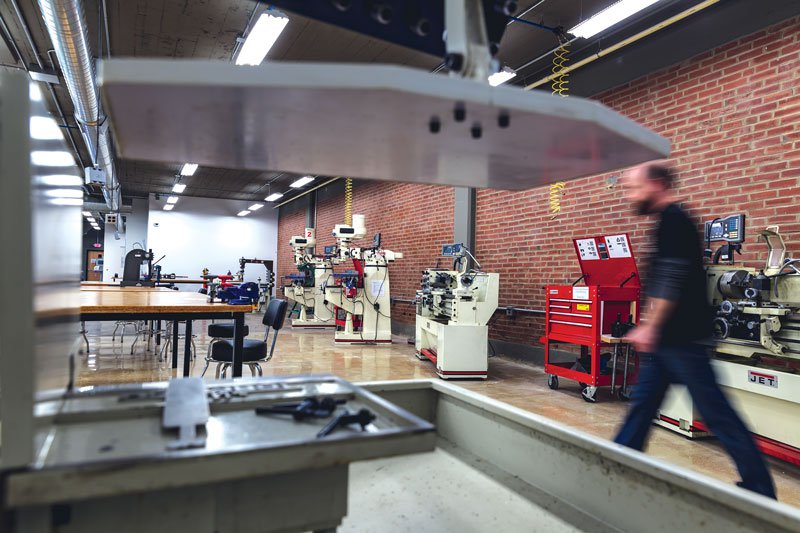
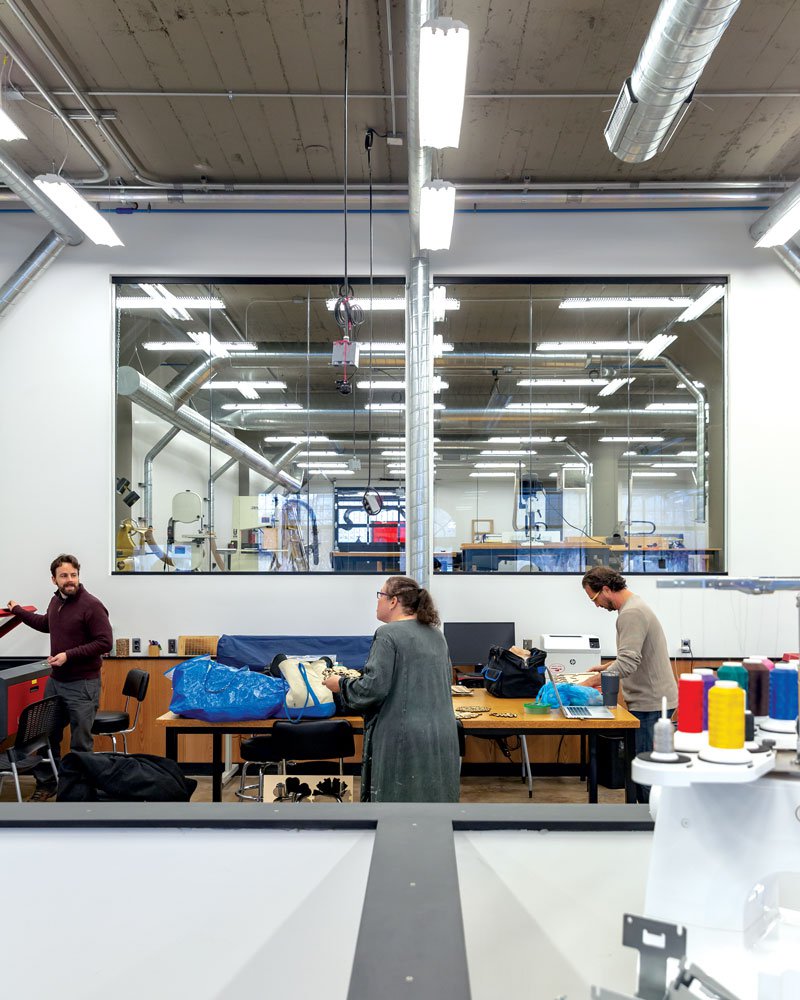
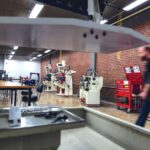
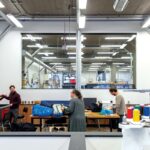
If you’ve ever wanted to build a bookcase, weld a piece of décor, or laser-cut your own jewelry, a new 32,000-square-foot maker space on Delmar might be able to help that tinkerer within.
When California-based maker space TechShop closed all of its locations, including one in the Central West End, in November 2017, St. Louis was left without a place for amateur and professional woodworkers, embroiderers, 3-D printers, and other artisans to work together. Enter MADE, which stands for Makers, Artists, Designers, and Entrepreneurs. It’s on a mission to increase creativity, curiosity, and diversity in the maker community—and is locally owned and operated by the team at Third Degree Glass Factory. Plans are afoot to launch new projects that will support both MADE’s and Third Degree’s missions.
Stay up-to-date with the local arts scene
Subscribe to the weekly St. Louis Arts+Culture newsletter to discover must-attend art exhibits, performances, festivals, and more.
Starting in the summer, The Magic House will partner with MADE on a maker space for children, upstairs. “Third Degree has started to foster a community that MADE will really be able to bring to a larger audience and vice versa,” says Vince Schell, director of operations at MADE.
MADE won’t be open only to experts and professionals (though it will offer memberships at $50 per month, plus an hourly reservation fee of $3 to $10). Newbies may also take classes. “People can come to us to get a membership and get trained to use tools. Then they can build whatever projects they want to build,” says MADE education director Carly Lowe. “In our previous maker space, people came in and made everything from laser-cut keychains to sell on Etsy all the way up to an airplane.”
Josh Clauser is a registered dietitian and the co-owner of The Sarcastic Nutritionist, a company that makes housewares and apparel emblazoned with nutritional puns. “We can’t wait to get in there to get going with wooden binders we make—a lot of powder-coating, lasers, basically everything at that location [to help] us create new and interesting products that really hadn’t been on the market,” Clauser says.
Another reason makers are excited about the new space: Artists of different disciplines, who’d never otherwise meet, will be able to collaborate.
“Even if [artists] have a simple idea, or don’t have an idea at all, it’s a great place to get the juices flowing,” Clauser says. “Maybe they have an idea that they want to work with wood. Go to the woodshop, and you might get ideas from individuals, and the next day you’re making a table or fixing something from the house you normally would have thrown away.” Adds Lowe: “You’ve got welders hanging out with people who are 3-D–printing stuff hanging out with people who are sewing.”
The only thing left to do is tinker.
Not-to-be-missed machines at MADE
After you’ve gone through training on a machine (you must be 18 years or older), you’re eligible to sign up for classes. Here are three to check out.
3-D Printer: Will we ever tire of designing an object, plugging said design into a computer, and watching a 3-D printer melt plastic to reproduce the rendering? MADE has a Stratasys and Makerbot printers to bring designs to life.
CNC Equipment: For the lazy maker in all of us. Think of these tools—the name is short for “computer numerical control”—as little robots. You plug in the code for an action and let the computer do the work. All you need is the vision. MADE has laser cutters, a mill, an embroiderer, and more.
Four-ColorSilkscreen Press: Textiles fans can play with sewing machines, a quilter, and a serger. There’s also a four-color press for silkscreening designs onto your creations once you’ve finished sewing them.