This year’s Tennessee Williams Festival St. Louis is trying something new. For the first time in the festival’s going-on-11-year history, the main stage production is not a play written by Tennessee Williams.
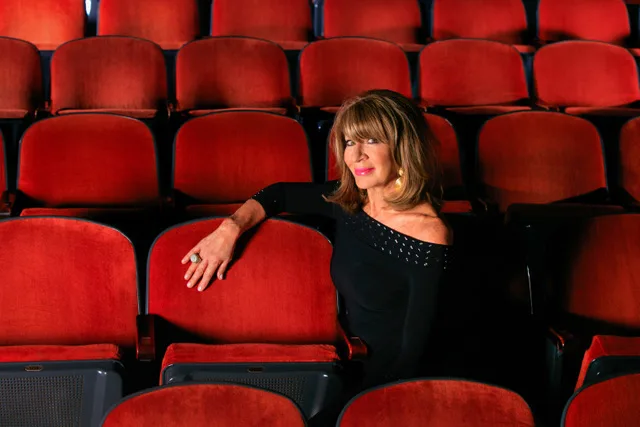
Risky? Perhaps. But executive artistic director Carrie Houk is ready to go for it. She believes the play—Appropriate, by Branden Jacobs-Jenkins—will honor Williams’ legacy in a fresh way. They’re calling it “the Tennessee Effect.”
Stay up-to-date with the local arts scene
Subscribe to the weekly St. Louis Arts+Culture newsletter to discover must-attend art exhibits, performances, festivals, and more.
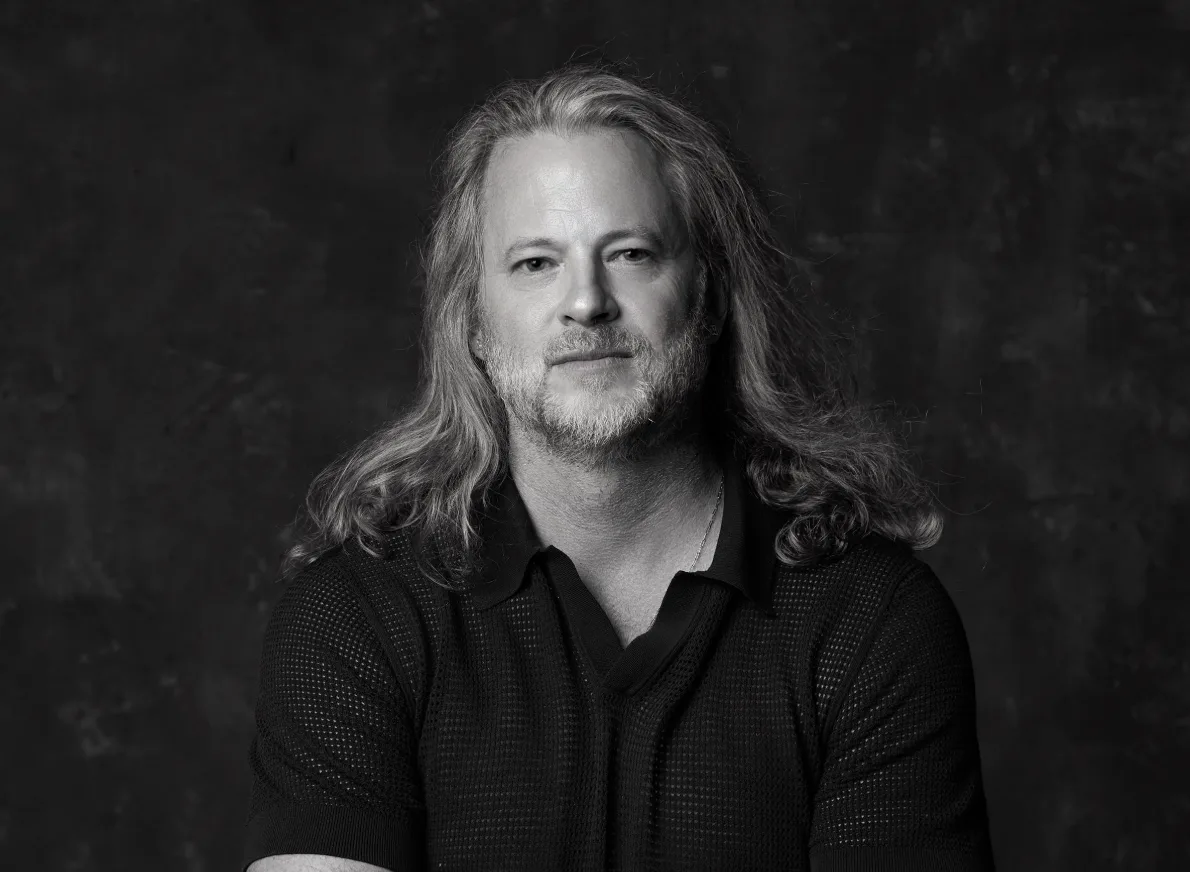
As Houk explains it, she was enjoying a different play by Jacobs-Jenkins in New York City when she was struck by a thought: My God, this could be The Glass Menagerie or Cat on a Hot Tin Roof of our era now. “It was magnificent,” Houk says. It was also, perhaps, kismet. “I went back to my hotel room, Googled Branden Jacobs-Jenkins and found that one of his greatest inspirations is Tennessee Williams.” That led Houk to Jacobs-Jenkins’ previous play Appropriate, a dramedy that takes place in an appropriately Williams-esque crumbling plantation. Three siblings have gathered to handle their recently deceased father’s estate, a situation that swiftly devolves into a Southern Gothic nightmare. Originally produced in Louisville in 2011, its 2023 Broadway production won the Tony Award for best revival and Drama Desk award for outstanding revival.
Houk is excited to mount it for St. Louis audiences this fall. “I think they will immediately see the connection with Tennessee Williams,” she says. “And I do believe that if Mr. Williams were alive today, he would be applauding us loudly for forging ahead with this.”
The hope is that patrons who’ve enjoyed the festival’s exceptional productions of Williams’ classics will come along for this more modern play. And if some aren’t ready for it, that’s OK: Houk notes that the satellite events that are always a part of the festival will have traditionalists covered. “There will be Tennessee Williams’ words produced at this festival this year,” she promises. Expect further news about that as we get closer to the festival.
And on that note: The festival is also moving six weeks later on the calendar, to September 17–27. Says Houk, “This way we’re more of a part of the St. Louis artistic season. We normally kick it off because we’re in the waning months of summer, and we wanted to try something different.”
But no matter what happens with this year’s multiple grand experiments, Houk suggests Williams will be back on the main stage in 2027. But that doesn’t mean she’s not going to keep mixing things up.
“Tennessee Williams wrote more than the six or seven big plays,” she says. “I’m hoping that this festival continues for many years into the future, because there is so much work to delve into, and, again, other ways to explore his influence on contemporary writers.”