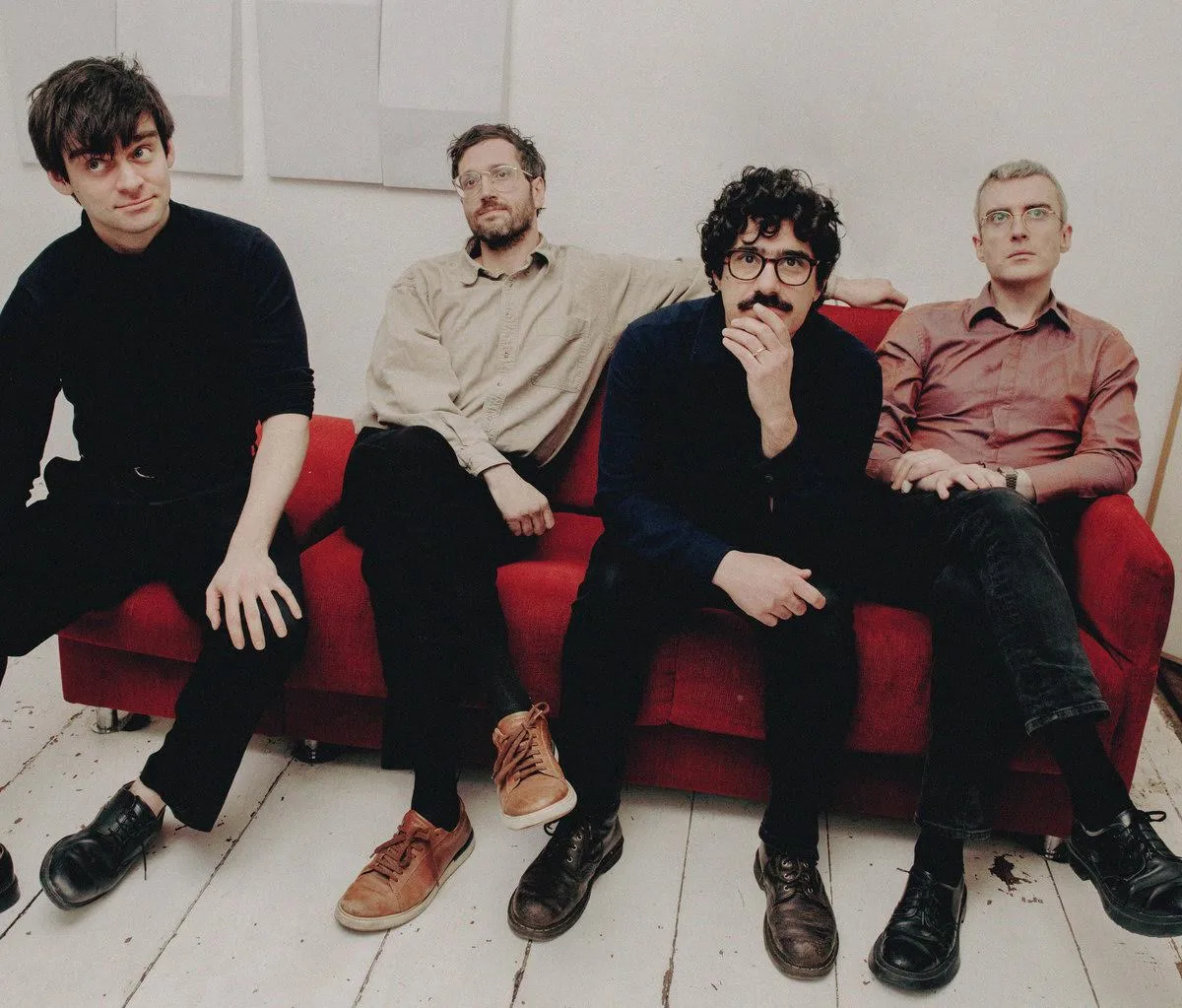
The seemingly innocuous interactions that happen between parents while watching their kids on the playground. Or at a kid’s birthday party. The questions like “Where are you really from?” These are the sometimes awkward conversations, influenced by assumption, that St. Louis Post-Dispatch columnist Aisha Sultan explores in her new short film, Other People, which will screen at the Missouri History Museum in association with the St. Louis Press Club. Other People is a timely short that shows how people’s biases impact their interactions with others. After the screening, Sultan and a panel will host a discussion about the film and its themes. The screening and discussion will take place at 7 p.m. April 18 in the museum’s Lee Auditorium.
What inspired you to make this film?
Stay up-to-date with the local arts scene
Subscribe to the weekly St. Louis Arts+Culture newsletter to discover must-attend art exhibits, performances, festivals, and more.
I have found myself in situations where assumptions are being made about me, or I’ve made an assumption about someone else that turned out to be untrue. During this last presidential election, there were so many assumptions made about people in this country. I think most of us aren’t aware of our biases sometimes. I know even I’m not always aware, so I wanted to make a film that showed people who look like us, talk like us, who are just trying to get by in their daily lives and are in these encounters that are recognizable.
Why do you think it’s important that people face their assumptions about “the other”?
It’s important so that we can treat one another better, and we can be aware of our own biases. Sometimes we don’t think about it, so we don’t know when we make other people feel bad. We need to confront it so we have a society that is kinder and more fair and just for people.
What does the concept of other otherness mean to you?
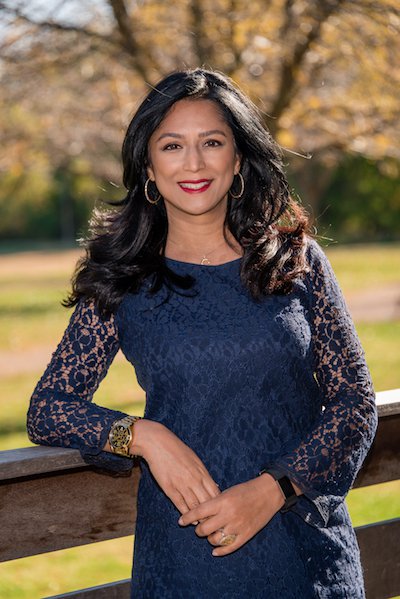
It can be something that’s universal—and every single one of us has this experience—when we’ve been in situations where we kind of feel on the outside. For some of us, it happens far more frequently. It happens with greater stakes attached than it does for others. I’m a brown woman from a Muslim background, the daughter of immigrants, and I’ve always grown up in predominantly white Christian communities where I’ve been aware of how different I am from everyone around me. I’ve been in situations where people don’t realize how the things that they’ve said to me make me feel, and how they might feel receiving the same questions or comments. So I was portraying that with my characters in this film. It was a chance to kind of show people that when you say something like this, this is how it looks to everyone else. To me, this is how it might feel to someone else.
What was it like to write and produce Other People?
I had taken a screenwriting class when I did a fellowship at the University of Michigan, and I am a writer. Writing [for film] was a different way of writing, but it was basically telling a story, which I knew how to do. The actual producing of a film—what to do with a script once I had it—I had no idea. I literally had to Google, “How to make a film.” I went on YouTube and watched a ton of different short films and videos to see what the good ones were like, and then I started reading about what kind of crew I needed, what the most essential things are, how much it’s going to cost, and how everything comes together. I talked to many people in St. Louis who had made films or had worked on independent films. I had to first raise the money, then find and hire the people who helped work on it. It’s kind of like this crash course in filmmaking. I just learned by doing. It was really intense.
What was it like to have people view your film for the first time?
Oh, it’s incredible. It’s one of the most exhilarating and meaningful experiences to watch someone react to an art piece that you’ve created. You want them to feel something, think something, and have a reaction to it. To be able to watch that and have people come up and interact with you is really incredible. As a columnist of the paper, people email me, write letters, or talk to me when they see me, but it’s not right then, as they’re processing. You don’t really get to have the same kind of exchange as you do with people when they’re watching it right then and there. It’s been really amazing to watch the reactions that audiences have had.
As for the screening at the Missouri History Museum, what are you most excited to speak about at the panel?
I’m always excited and interested to hear what people’s thoughts are about it. I like hearing what people think about the different characters—what they think their motivations are and where they think the characters’ assumptions come from. We’re in the Midwest, so I feel like we try to keep the peace. In awkward situations, we try to make it not awkward as quickly as possible. I know I do. I’d like to speak about productive ways to challenge the assumptions, and how to work through that awkwardness to help better a situation in the future and helping people’s perspectives grow. I’m interested in hearing people’s thoughts and experiences with these issues. Moments that have changed their perspective or the way they interact. Sometimes you have to go through the awkward situation to be better, and sometimes you have to be able to empathize with somebody else’s awkwardness to realize how the things you do or say impact others.