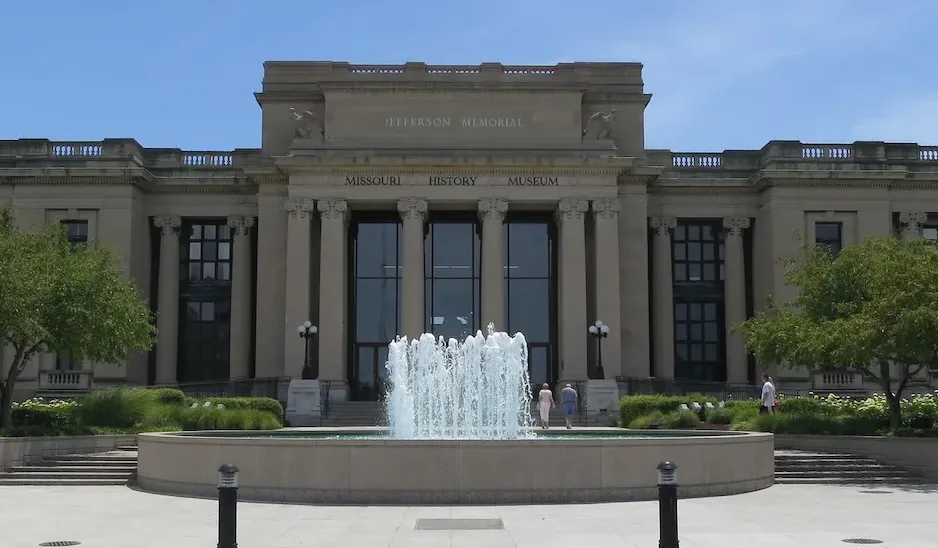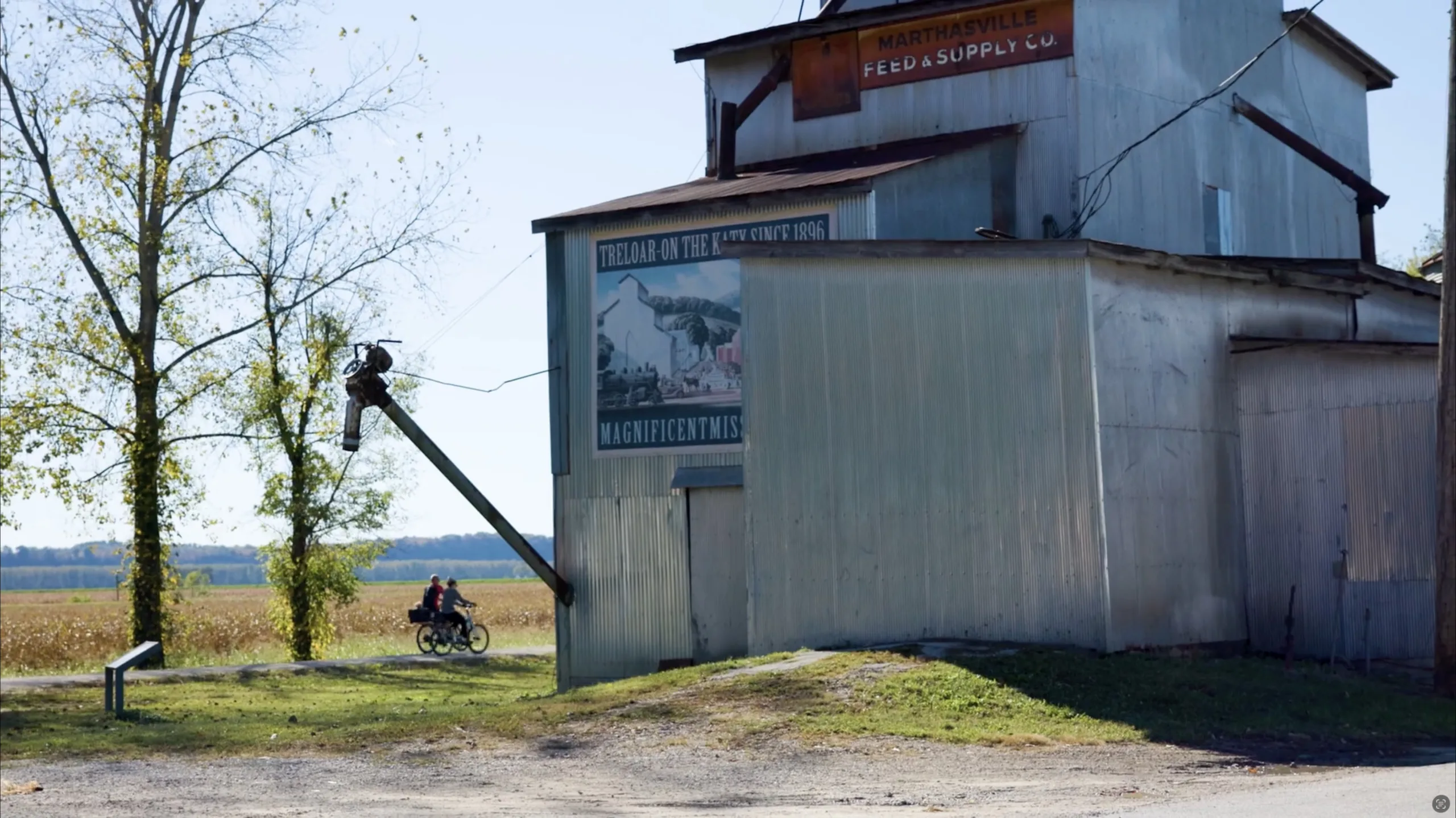
A new documentary seeks to capture the beauty and importance of former Missouri railways that have received a second life as bike trails. The film, The Trail State, will have its St. Louis premiere at the St. Louis History Museum (formerly the Missouri History Museum) on September 22 before airing on Nine PBS in October.
The film focuses on the Katy Trail, the 240-mile rail-trail that used to be home to the Missouri-Kansas-Texas Railroad and runs from Clinton to Machens, Missouri. It tells the story of how Ted and Pat Jones, of Edward Jones, were key figures in getting the project moving. Alongside capturing beautiful views of rural Missouri and the Missouri River along the trail, the film also digs into the economic and cultural impact of the trail, as well as how it fits in with other trail-focused endeavors, such as the proposed Rock Island Trail project.
Stay up-to-date with the local arts scene
Subscribe to the weekly St. Louis Arts+Culture newsletter to discover must-attend art exhibits, performances, festivals, and more.
The Trail State came about as an idea from Dan Burkhardt, co-founder of Magnificent Missouri, executive producer on the film, and longtime supporter of the Joneses’ work on the Katy Trail. A previous film about the project came out in 1998, but he felt there was more story to tell.
Burkhardt reached out to director Chris Ryan at Once Films, who was game to take on the project as part of Once Films and STL.org’s Filmanthropic initiative, which focuses on making longform documentaries that explore the people, places, and ideas that make the region extraordinary, with an eye toward philanthropy and changing minds.
“After almost 30 years, we decided that it needed another look,” Burkhardt says. “I was a friend and partner of Ted Jones, who started the Katy Trail, and that’s been my passion for the last 15-20 years. I had the concept, I knew the spots along the trail I thought were interesting, and I gave Chris a little roadmap, and then he took it from there, and we worked on it together for the last year.”
Starting in Fall 2025, Ryan worked with Burkhardt to get the film’s key locations and narrative threads nailed down and then got to filming over the next year. Wanting to capture the trail in all seasons, Ryan’s first order of business was enrolling in Big BAM (Bike Across Missouri), where he hit the ground running and captured beautiful autumnal views, including a sunrise over the Missouri River in Hermann that made it into the final film. He was then able to blend this footage, shot throughout 2025 and 2026, with interviews, images, and archival footage.
“There’s something to be said about me and my team coming into this with limited knowledge, not knowing who all the players were, because it always kept us rooted in this idea of wanting to make it accessible and relevant to people who don’t know a lot about the trail, its impact, or its history here in Missouri,” Ryan says.
During filming, Ryan not only got to see the Katy Trail in all of its glory, but also gained a better sense of the way it touched people’s lives, whether that was sitting out in front of a shop just off the trail meeting folks from across the country and the world, seeing the new developments at Cooper’s Landing take shape, or finding the people who could best tell and contextualize the story of the Katy Trail.
“One of the most interesting things to me was to sit outside the Peers Store, or any stop along the Katy Trail, and the kind of visitors we would get from out of state or out of the country was wild,” Ryan says. “It does feel like the Katy Trail has this reputation, like so many things do, and we don’t realize how good it is. It takes somebody from South Korea, or even Pennsylvania, telling us we have it pretty good for us to believe it.”
One of the film’s key goals is to bring more awareness to the trail’s place in the Missouri tourism economy and shed more light on trail-focused work in the state. This includes the Great Rivers Greenway’s Brickline Greenway project here in St. Louis and the Rock Island Trail, another former rail corridor that has potential to be a key trail in the state and create a massive trail loop with the Katy Trail. However, it has been met with budget issues from the state legislature and has instead seen grassroots efforts to build the trail from towns along the former rail line.
“This film was meant to call attention to the economic benefits of getting that whole trail open,” Brukhardt says. “That is our joint hope, that this moves some people, ideally in the state legislature, to say, Wow, we have something that is nowhere else in the country. We’ve got something that can make Missouri unique. And Chris put a fine point on that.”
While the film premiered earlier this month in Columbia, Missouri, at the State Historical Society of Missouri, it will have its St. Louis premiere at the St. Louis History Museum on September 22 before being broadcast on Nine PBS on October 12. Burkhardt expects a full house at the museum screening, which will also feature a pre-show happy hour with music from singer-songwriter Chloe Hoecker and a post-screening conversation between Ryan and Missouri Historical Society Associate Public Historian Darby Ratliff.
Ultimately, both Ryan and Burkhardt hope the film can be used as a resource for folks all across Missouri, offering a better perspective on just how important these trails are.
“This now becomes a community resource,” Ryan says. “It’ll be on PBS, so anyone can watch it, and we’re actively setting up screenings. We’ve had conversations with small rural towns that have a community that they’re clicking the lights back on so they can play this. We want to make sure the advocacy work doesn’t stop once the edit is done. Rather, it’s just getting started.”