For the past two decades, African Film Festival has partnered with the Department of African & African American Studies, Film & Media Studies, and the African Students Association at Washington University to showcase some of the best and most exciting films from the African continent. It will return to Brown Hall for its 20th anniversary season from March 27-29.
Wilmetta Toliver-Diallo, Senior Assistant Dean of Advising in the College of Arts & Science at Washington University, founded the African Film Festival after she came to the university in 2005. She had previously taught an African cinema class in which she was able to take students to the New York African Film Festival. But as she settled into living in St. Louis, Toliver-Diallo found fewer opportunities for screenings of African films. So, she reached out to the film department at Washington University, and together they put on the first African Film Festival in 2006.
Stay up-to-date with the local arts scene
Subscribe to the weekly St. Louis Arts+Culture newsletter to discover must-attend art exhibits, performances, festivals, and more.
“I didn’t know what to expect, and [the film department] told me not to expect a lot,” Toliver-Diallo says “ But our very first festival had so much interest. I believe our Saturday screening was standing room only, and we just kept doing it.”
In the beginning, Toliver-Diallo originally partnered with the traveling version of the New York African Film Festival. However, after a few years, she began programming the festival herself, armed with a strong sense of what St. Louis audiences respond to, seeking out African films making waves on the broader film festival circuit. Broadly, Toliver-Diallo sees the festival as a great way to introduce American audiences to contemporary artistic productions from Africa while also promoting and supporting a diverse array of African filmmakers, who often have limited access to international distribution, and helping them build an audience.
“It’s such a diverse continent, and sometimes if you show one film every year or two, you don’t get a sense of [that] diversity,” Toliver-Diallo says. “When you’re showing a lot of films from different countries and geographic regions, people can get a sense of that diversity and how culture is developed by the environment. You might get a little bit of this if you live in a bigger city, on a coast, or in Europe, but it’s important to have these conversations in the Midwest as well.”
The programming slate for this year’s festival features films from nine different African countries: Senegal, Morocco, South Africa, Madagascar, Nigeria, Sudan, Cape Verde, Benin, and Algeria. Here’s a quick rundown of what to expect from the weekend fest.
La Mémoire Du Manguier | March 27, 7 p.m.
This film from director Nicolas Sawalo Cissé centers on Imam Habibi, a beloved pillar of a village who spends his days under a great mango tree listening to everyone’s grievances and working tirelessly for the well-being of the community. But things take a turn when Imam Habibi is diagnosed with Alzheimer’s, and the community must reckon with how this news impacts their lives. La Mémoire Du Manguier screens with the Moroccan live-action short Chicka. There will also be a post-screening discussion with Cissé moderated by filmmaker Ekwa Msangi.
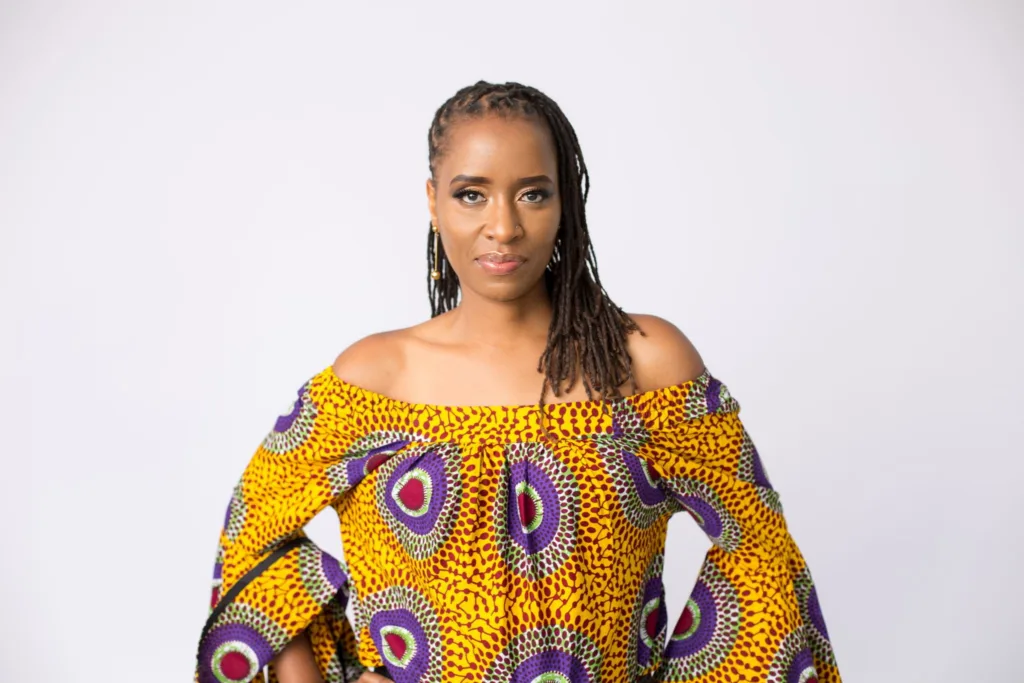
From Short to Screen: Building a Sustainable Filmmaking Career | March 28, 12 p.m.
Co-sponsored by Cinema St. Louis, this filmmaker-intensive workshop will be led by filmmaker Ekwa Msangi. The main premise of the workshop is to help filmmakers who are looking to turn strong ideas into lasting careers. Pulling from her experience working in the independent film world, as well as with major streaming platforms, Msangi will walk the audience through practical strategies for building an audience, finding distribution, and growing as a filmmaker, with a specific focus on developing a short film as a proof of concept for feature work. Toliver-Diallo specifically wanted to have a filmmaker-intensive session focused on African filmmakers telling African stories and how they’ve navigated distribution and funding challenges.
Saturday Matinee for All Ages | March 28, 3 p.m.
The Saturday Matinee for all ages features a showcase of five shorts, both animated and live action, from across the African continent. First up there’s Rosy Days in Cape Town, a South African animated short which chronicles a young girl’s summer adventures exploring everything Cape Town has to offer, and SuperScientists – Origins, another animated short from South Africa in which a curious teen on a school trip to the Cradle of Humankind falls into a cavern and is rescued by real scientists who are given superpowers. Next, there’s Fara, an animated short from Madagascar that focuses on a young girl and her brother who are disabled and move to a new village seeking acceptance. The pair draws their strength and hope from Malagasy folktales. Then there’s Mon Vélo (My Bike), a live-action short from Benin about a young boy’s stress dream about losing a bike he earned by finishing at the top of his class and working with his best friend to get the bike back. Closing things out is Essegharya (Miss), an animated short from Algeria about a little girl who finds a wrecked car in the Algerian desert and uses her imagination to find a desperately needed change of scenery.
Uhlanjululo (Laundry) | March 28, 7 p.m.
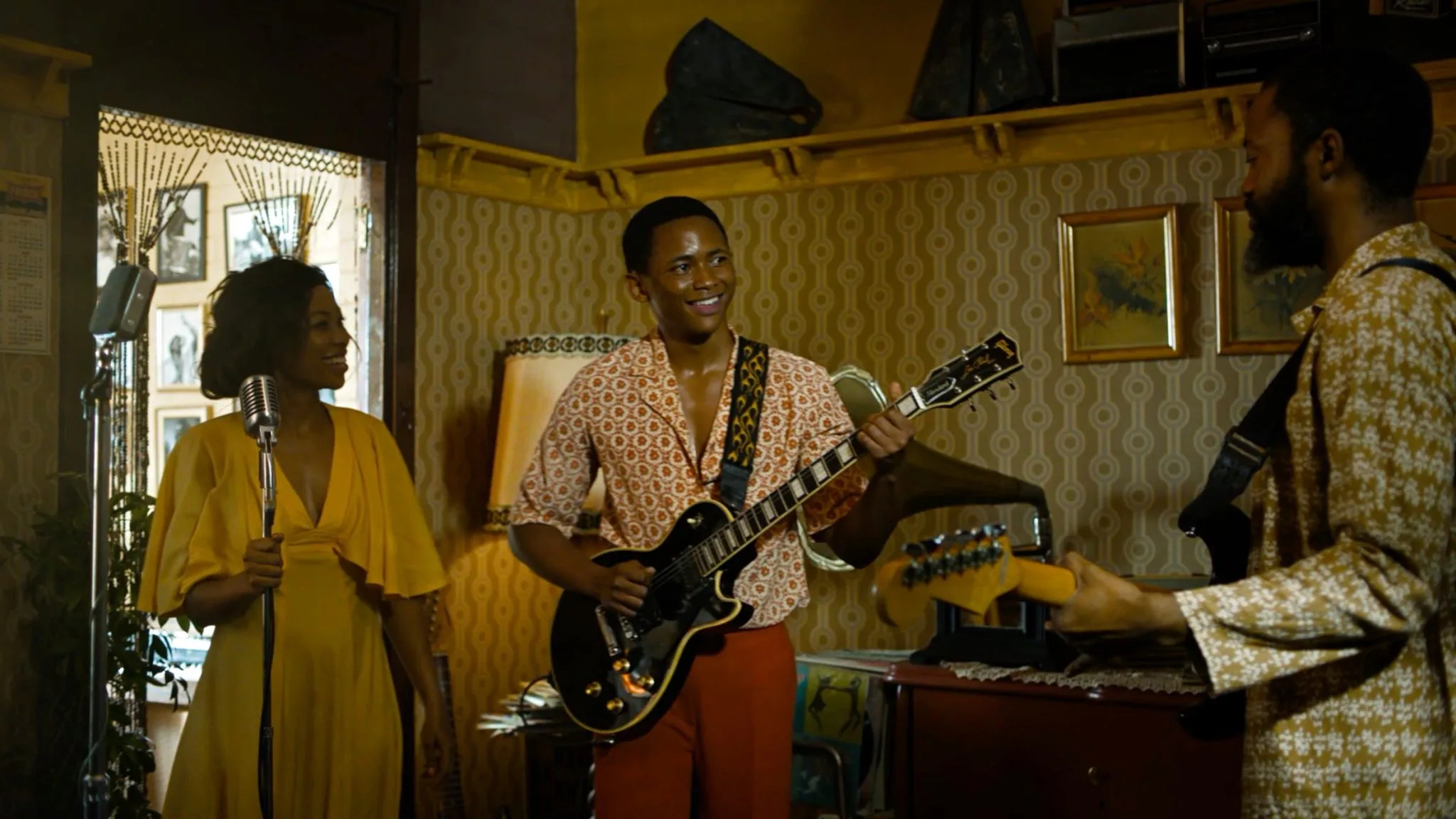
Set in apartheid-era South Africa, director Zamo Mkhwanazi’s Uhlanjululo (Laundry) follows a young man who aspires to follow his passion for music, but is met by pushback from his family, who instead want him to preserve the family laundry business. This is particularly fraught as their laundry business is based in a white neighborhood, where they are faced with intensifying racial discrimination as Black entrepreneurs. The screening will be preceded by the short The Last Harvest from Cape Verde. There will also be a post-screening discussion with Uhlanjululo (Laundry) actor Ntobeko Sishi. Toliver-Diallo notes that while she generally tries to get filmmakers to come with their films, this is the first time one of the actors has accompanied a film to the festival, making this screening extra special.
My Father’s Shadow | March 29, 3 p.m.
Director Akinola Davies’ film My Father’s Shadow has received massive acclaim as the 2026 BAFTA winner for Outstanding Debut by a British Writer, Director, or Producer and the recipient of the Golden Camera – Special Mention award at the 2025 Cannes Film Festival, as well as becoming the first Nigerian film ever to be selected to screen at Cannes. The film follows two young brothers as they explore the city of Lagos with their estranged father. Set in 1993 against the Nigerian election crisis, the film offers a portrait of Lagos, as well as their father’s daily struggles as political unrest throws their journey home into question. Toliver-Diallo highlighted My Father’s Shadow not only for its wide acclaim, but also for its excellent performances from child actors, its beautiful cinematography, and endearing story.
Cotton Queen | March 29, 7 p.m.
Closing out the festival is director Suzannah Mirghani’s film Cotton Queen. The film centers on Nefisa, a girl living a simple life in a cotton farming village in Sudan, where she hears tales from her grandmother about fighting back against British colonizers. But when a young businessman comes to town, bringing new development plans and genetically engineered cotton with him, Nefisa gets tied up in a much more complicated situation. Mirghani’s previous short film Al-Sit played the festival in 2022, and Toliver-Diallo is particularly excited for this screening for the way it shows the complexities of modern day Sudan and the richness of cotton in Sudanese society. The screening will also be preceded by the Senegalese live action short Gaaday.
The African Film Festival is free and open to the public. All screenings take place at Washington University in Brown Hall, Room 100. For more information about the festival, visit africanfilm.wustl.edu.