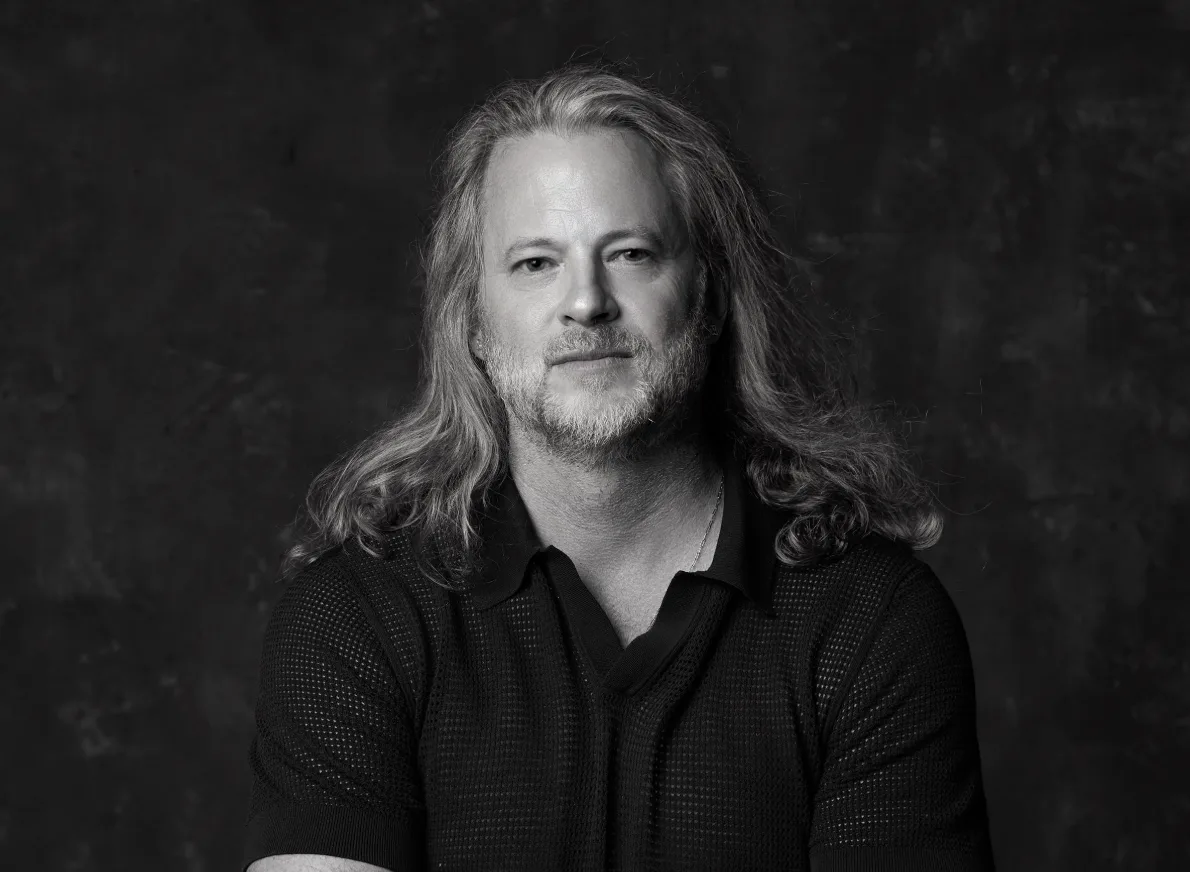
Devin Johnston, Far-Fetched (Farrar, Straus & Giroux): Poet Ange Mlinko praises Johnston’s “lapidary concision.” It’s easy to imagine Johnston as a patient gem-cutter, methodically transforming rock into something prismatic and shiny. His diamond dust and magnifying glass are his near-eerie powers of observation and disciplined, musical sense of language: Both empower him to transfrom the everyday (a chat with a video game enthusiast during jury duty, installing a backyard chicken coop), into pure magic.
Robert Crawford, Young Eliot: From St. Louis to The Waste Land (Farrar, Straus & Giroux): Published on the 50th anniversary of Eliot’s death, Crawford’s bio aims to redeem Eliot from his tweedy “banker poet” persona; and so he focuses on the spirited Tom Eliot of St. Louis, who managed to get some hijinks in, truss and all. Local readers will be compelled by Crawford’s tracing of “the soundscapes of St. Louis” to individual poems, including the voices of the real Sweeny and Prufrock, as well as the syncopated rhythms of ragtime, which influenced the jaggedy music of The Waste Land.
Stay up-to-date with the local arts scene
Subscribe to the weekly St. Louis Arts+Culture newsletter to discover must-attend art exhibits, performances, festivals, and more.
Paige A. McGinley, Staging the Blues (Duke University Press): Blues historians tend to romanticize the genre’s history, reducing it to backwoods juke joints, duct-taped guitars, and tarnished harmonicas. As Wash. U. theater professor McGinley writes, the truth is more complicated. The blues emerged with vaudeville and was inherently theatrical. (In fact, the press first described Ma Rainey and Bessie Smith as “actresses.”) What’s more, the glitz and money in show biz gave blues musicians a voice, which they often used to challenge racial stereotypes and push for social justice.