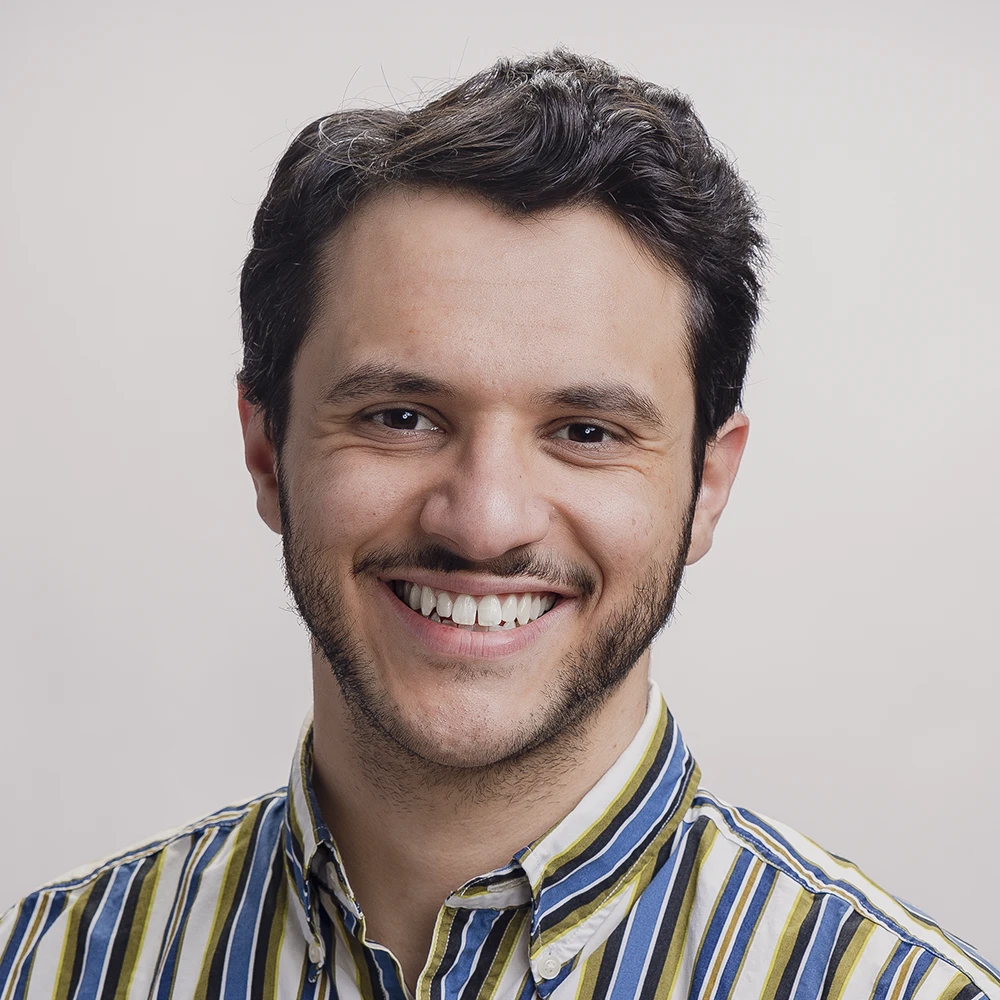
Shane Larisey is on the hunt for companies working on major innovations related to the broader food system. The relative newcomer to the St. Louis region is in the midst of a check-writing blitz, looking to cut $100,000 checks for companies working on what he calls “food tech.”
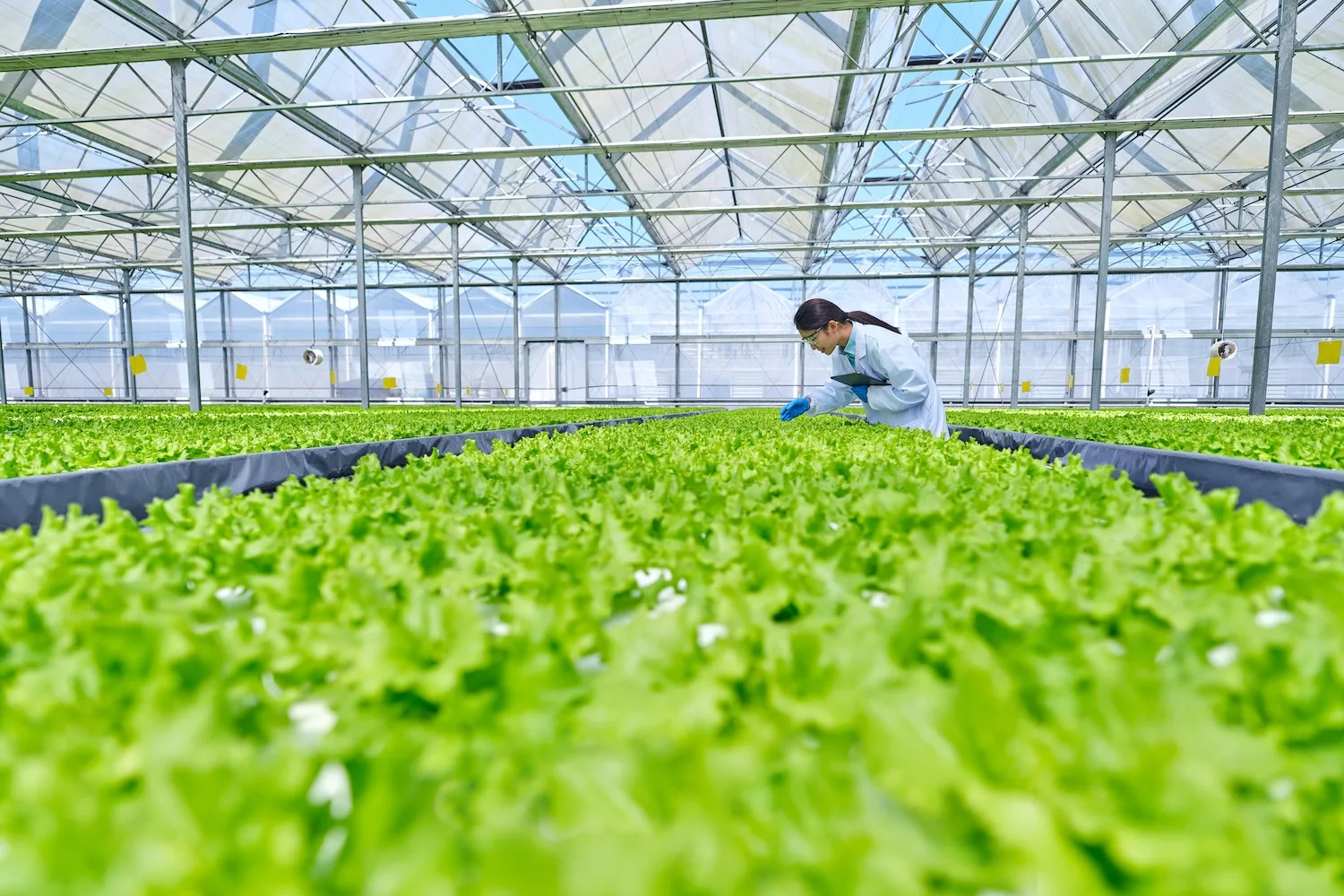
“Everyone has a different definition. The way we view food tech is really the broad ecosystem, everything from growing the food to eating the food,” he says. “We lump agtech, supply chain and distribution, retail, kind of everything that incorporates food is underneath our definition of food tech.”
Keep up with local business news and trends
Subscribe to the St. Louis Business newsletter to get the latest insights sent to your inbox every morning.
It’s the investment thesis of Redstick Ventures’ Fund One, which Larisey says successfully raised just shy of $5 million earlier this year. So far, Redstick Ventures has a dozen companies in its portfolio, and is looking to quickly add as many as 30–35 more: “About a company a month is going to be our investment rate, if you wanted to put it in those terms.”
Larisey clarifies that he and his partner at Redstick are not beholden to that quick pace; the companies they’re funding must hit other criteria too, including having a lead investor his fund can co-invest with or “a little bit more conviction around the founders and what they’re doing” if there isn’t a lead. The fund is focused on companies in North America, particularly the U.S. and Canada.
And that should mean St. Louis, he says. The region has a well-established reputation for plant and biosciences, but he thinks there’s the potential to grow far beyond that.
“We’ve got all these players here: food manufacturers, distribution, and retail. We’ve got so much more here that it could be a lot bigger and border than just agtech,” Larisey says. “We’d be very interested in funding companies in St. Louis or Missouri.”
For Larisey, St. Louis became the place he wanted to build Redstick Ventures primarily because of his wife’s family. He began raising funds in Dallas, where he was living, but decided to relocate to his wife’s hometown about 20 months ago to be closer to family who could help with childcare for their two young boys.
“We had almost no help at the time in Dallas,” he says. In St. Louis, “we have family that’s close and we’ll have a lot more support while I’m building [Redstick Ventures].”
It’s a decision he has not regretted.
“St. Louis is amazing for families,” he says. “It’s like a smaller, bigger city that has just a lot of things to do for kids. If you want to be somewhere where you can have a family and build a big business, it seems like a pretty good bet for me.”
The business side of things has proven a little more challenging, he admits. Larisey says he’s logged around 400 meetings for coffee with different people in St. Louis as he’s gotten Redstick Ventures off the ground.
“When I first moved here, I had to get past the fact that it is hard to network,” he says. “I think it’s hard to network anywhere and actually build lasting relationships with people. You just have to continue to raise your hand and say, ‘I’m here. This is what I’m doing, like somebody come and talk to me.’”
Little by little, Larisey started to find footholds and suggestions for who to meet next. He says people were gracious with their time, but he needed to have a purpose for his initial contact. His networking revealed a venture capitalist community he says felt a little disjointed and siloed, held back by historic fracture lines and a city and county duplicating services.
“It hasn’t been for a lack of trying, people continue to try and pull it all together,” he says. “I think it’s been really hard trying to get everybody in one direction and saying, you know, St. Louis is going to be known for technology.”