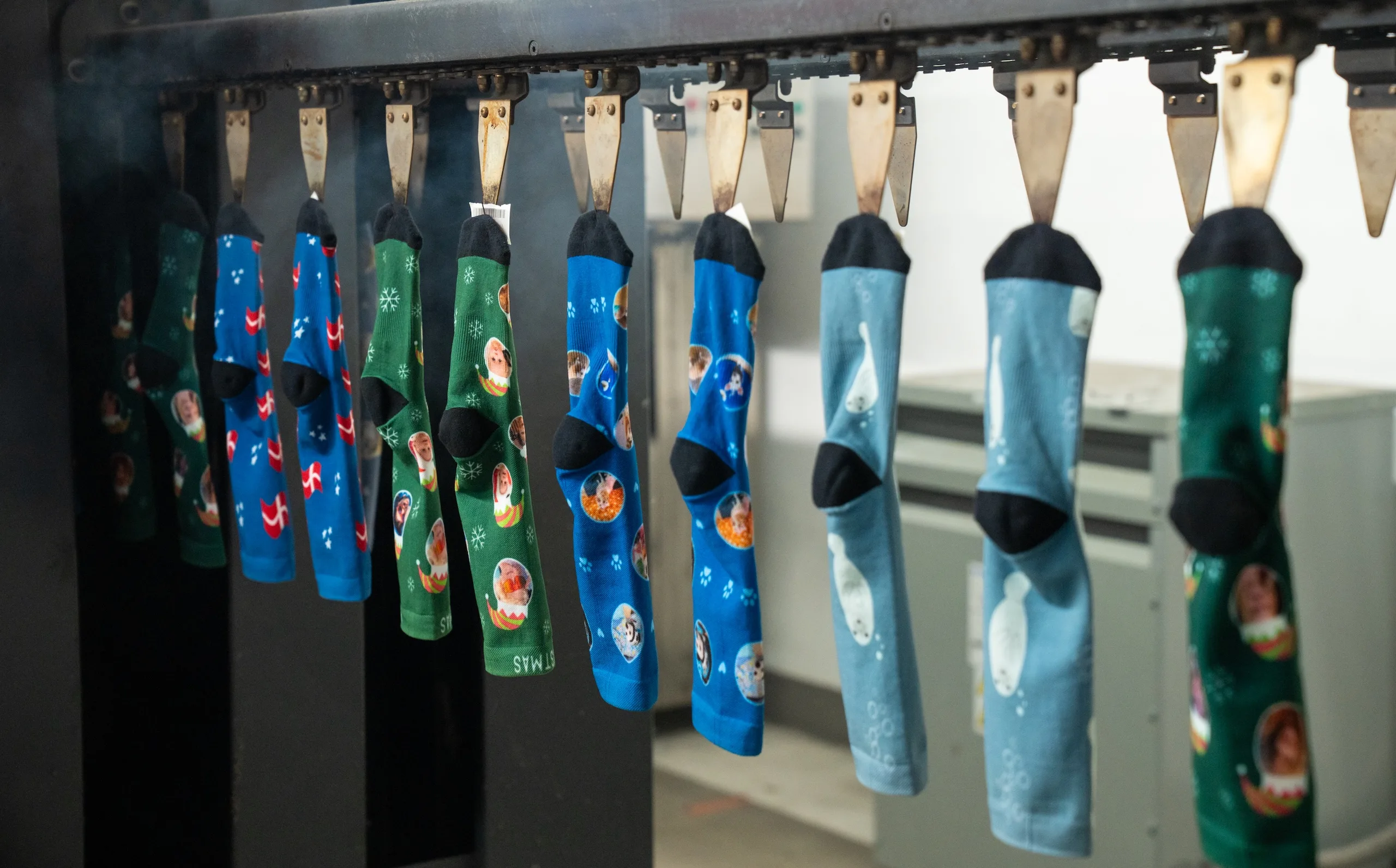
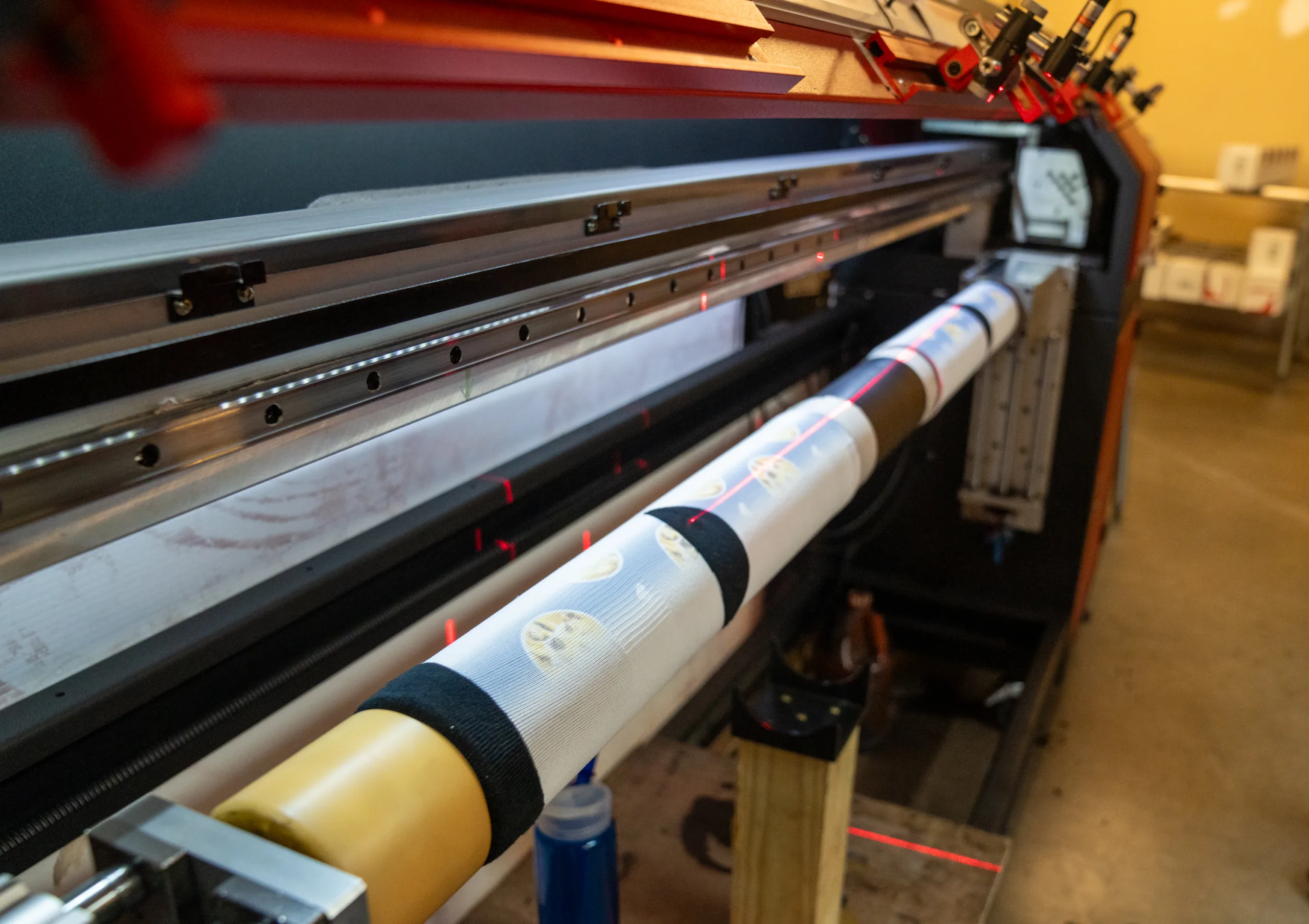
If your Christmas gift list this year included a pair of socks adorned with a beloved family pet’s face, or a mug with the same, there’s a good chance it was manufactured in St. Louis.
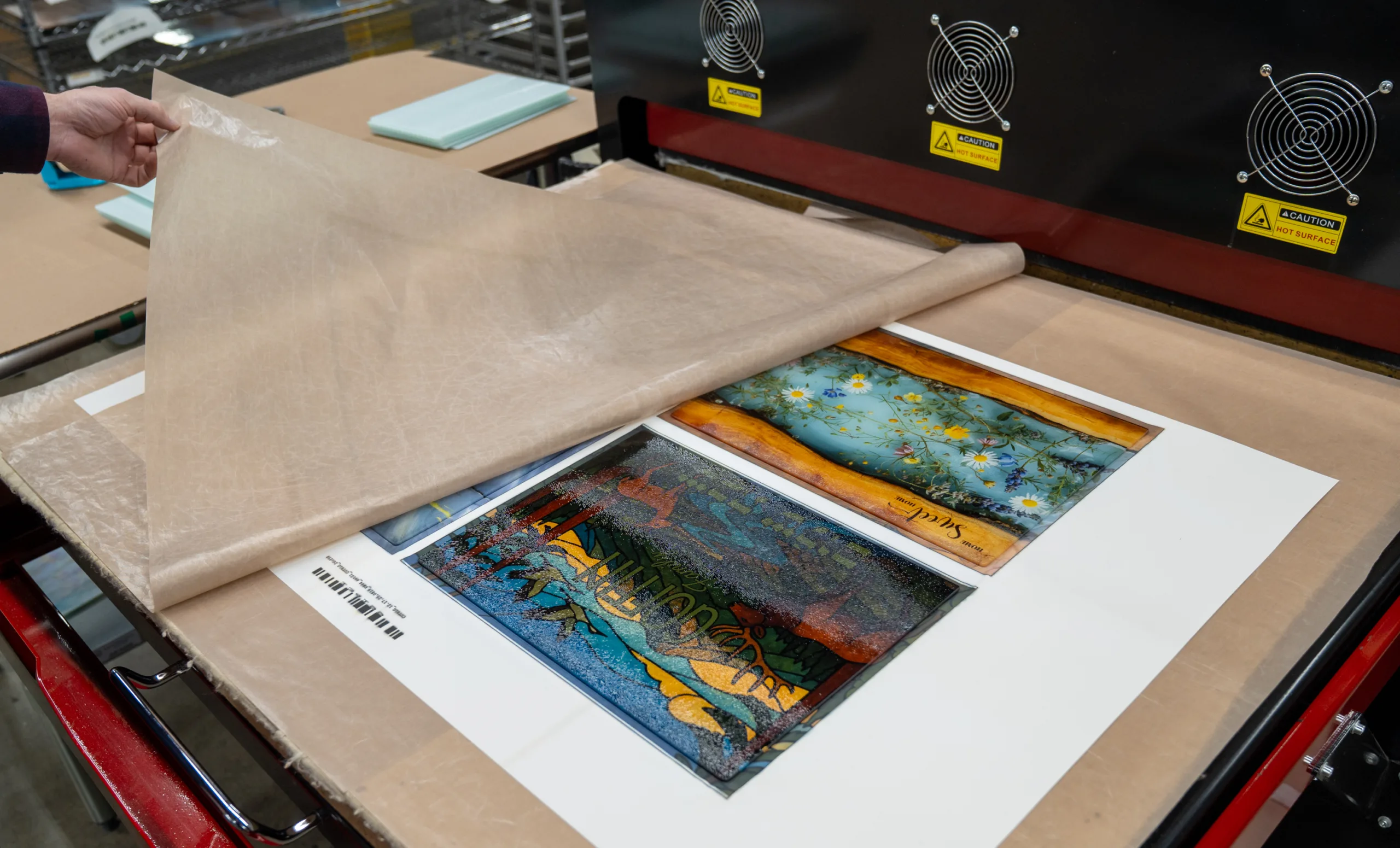
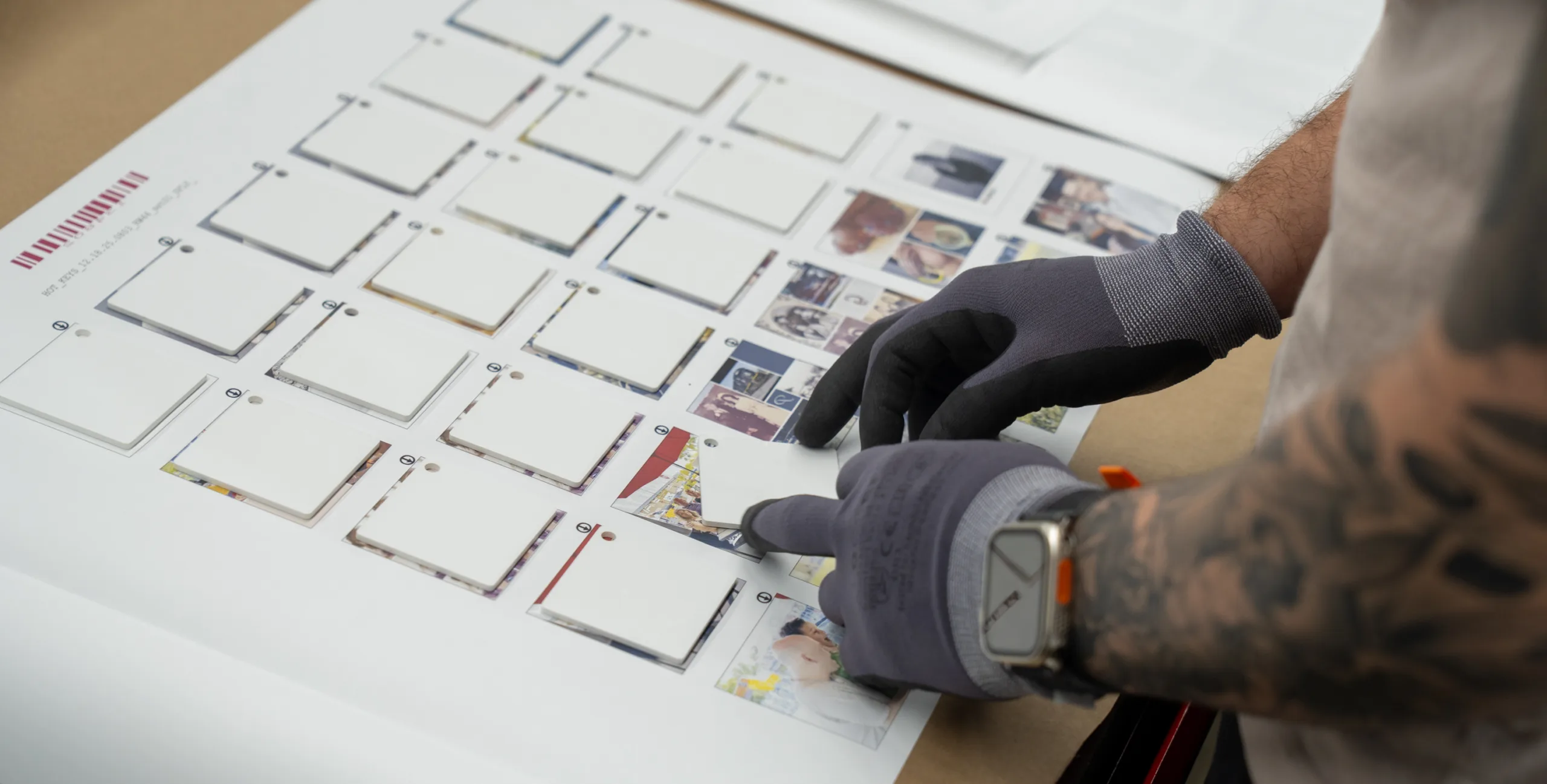
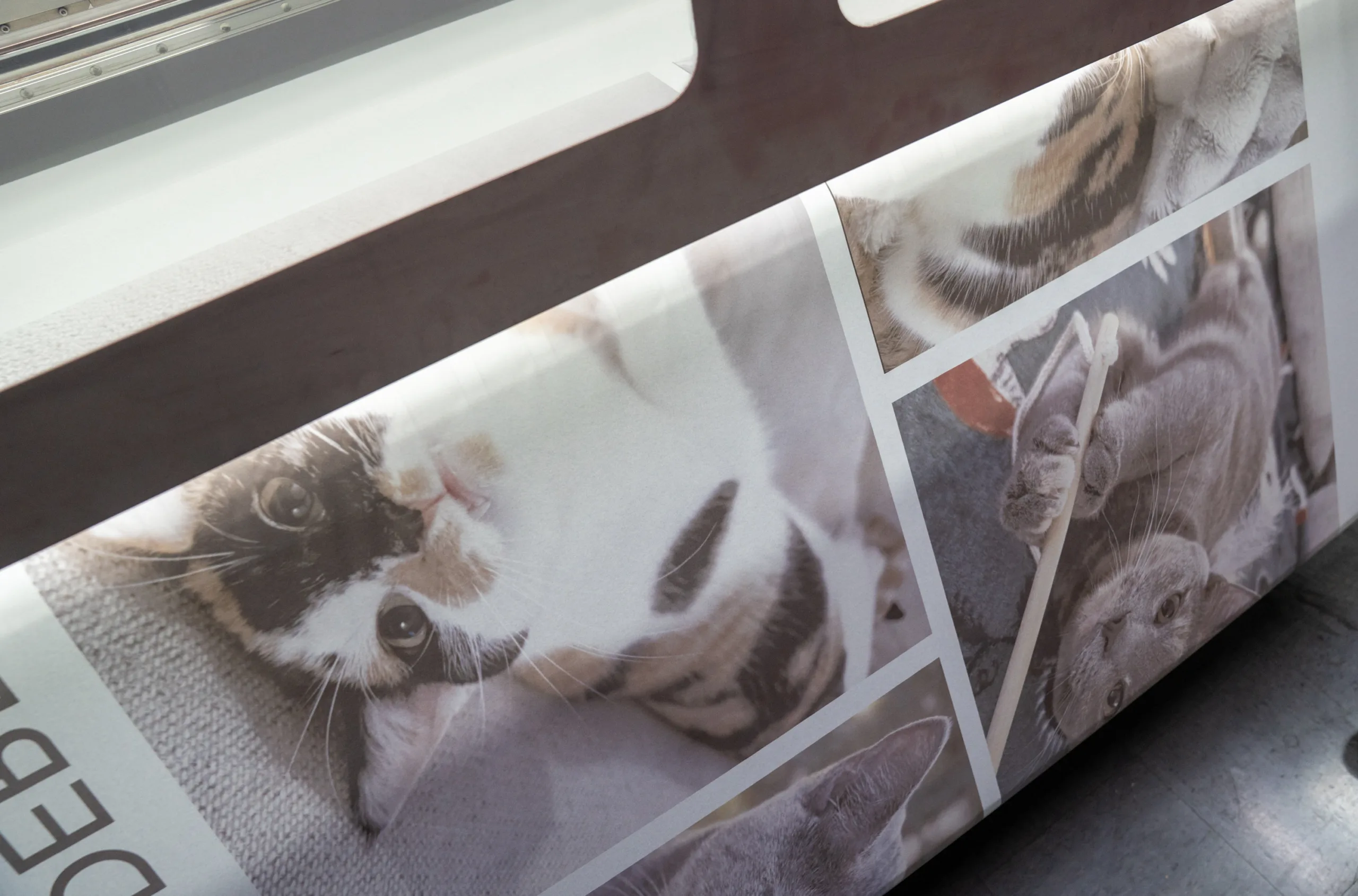
Those offerings, and hundreds of others, are a specialty of Pic the Gift. Since 2012, the local company has steadily refined and ramped up its ability to make personalized products that transfer printed images onto a wide range of hard and synthetic surfaces.
Keep up with local business news and trends
Subscribe to the St. Louis Business newsletter to get the latest insights sent to your inbox every morning.
“We can make anything that can be sublimated,” says Pic the Gift CEO Wes Pickering. “We really don’t have a catalog for customers, because it’s like, ‘Tell us what you need and we’ll let you know.’”
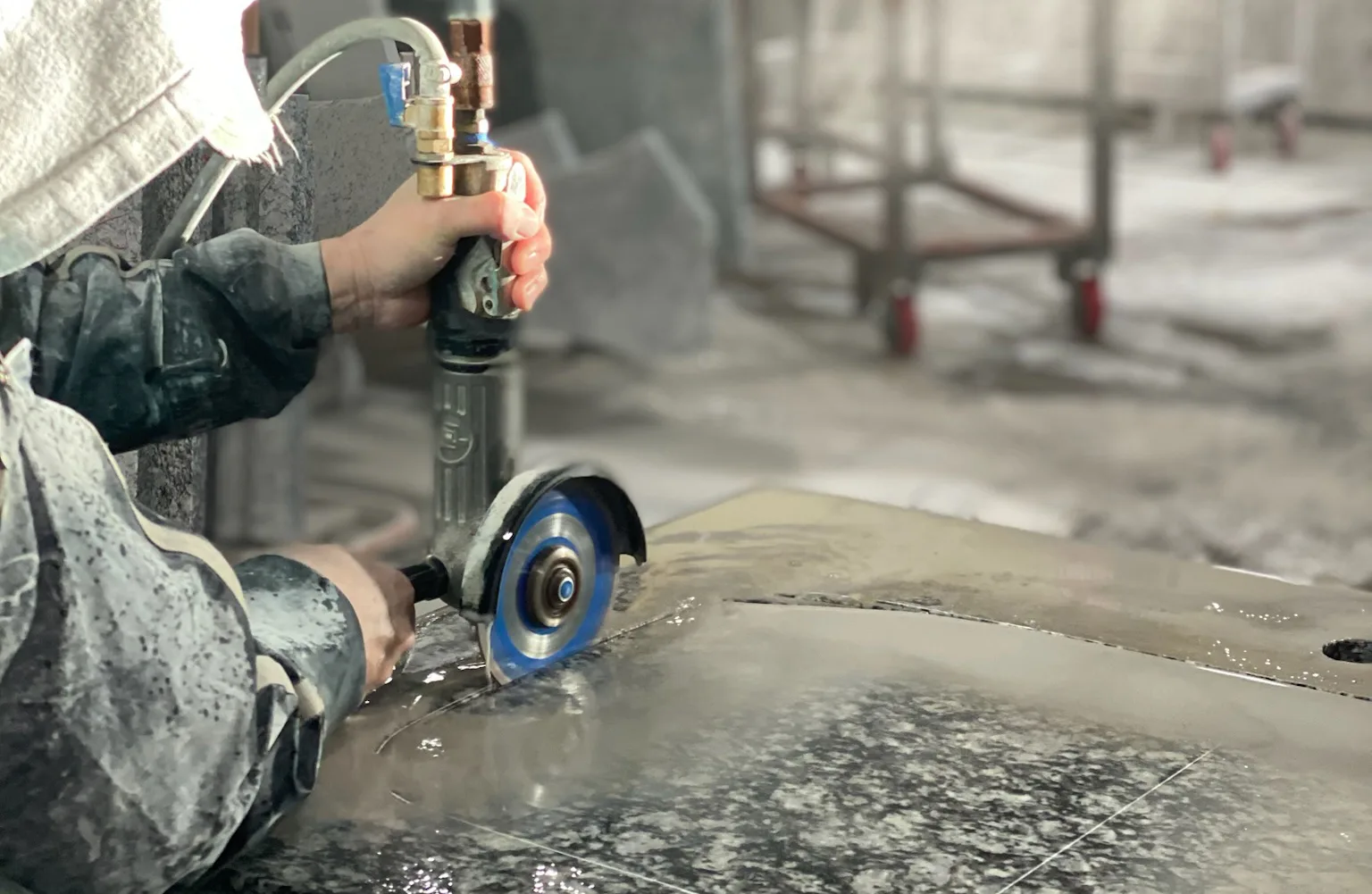
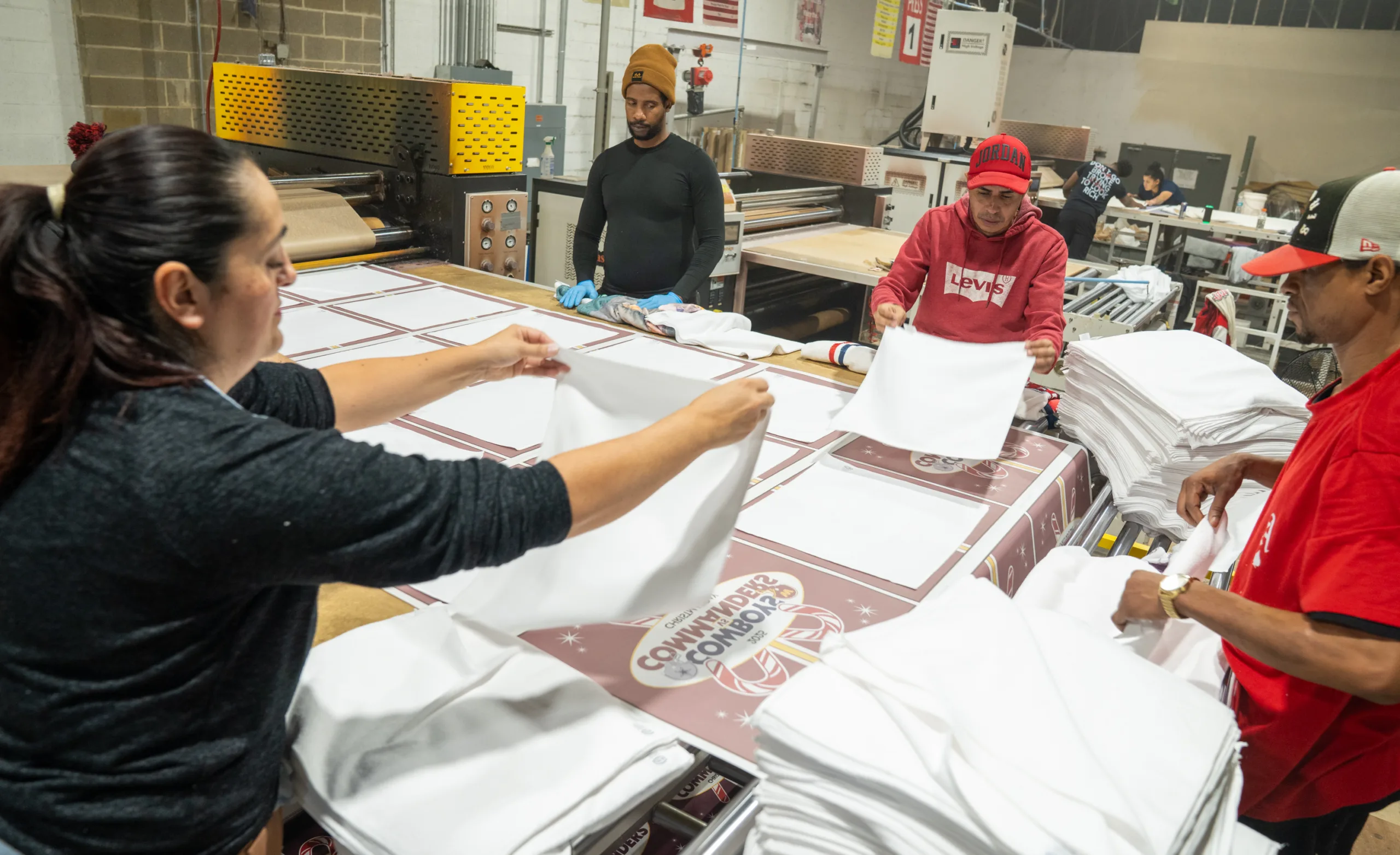
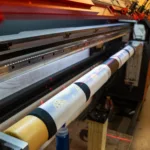
The company’s 120,000 square-foot footprint between facilities in Creve Coeur and Wentzville has been in overdrive, stretching to meet the tail end of surging demand for personalized gifts that spikes every year during the holiday season. Machines hiss and whirr as workers methodically produce, package, and affix postage to tens of thousands of gifts whose next stop is likely under the Christmas tree or into a stocking.
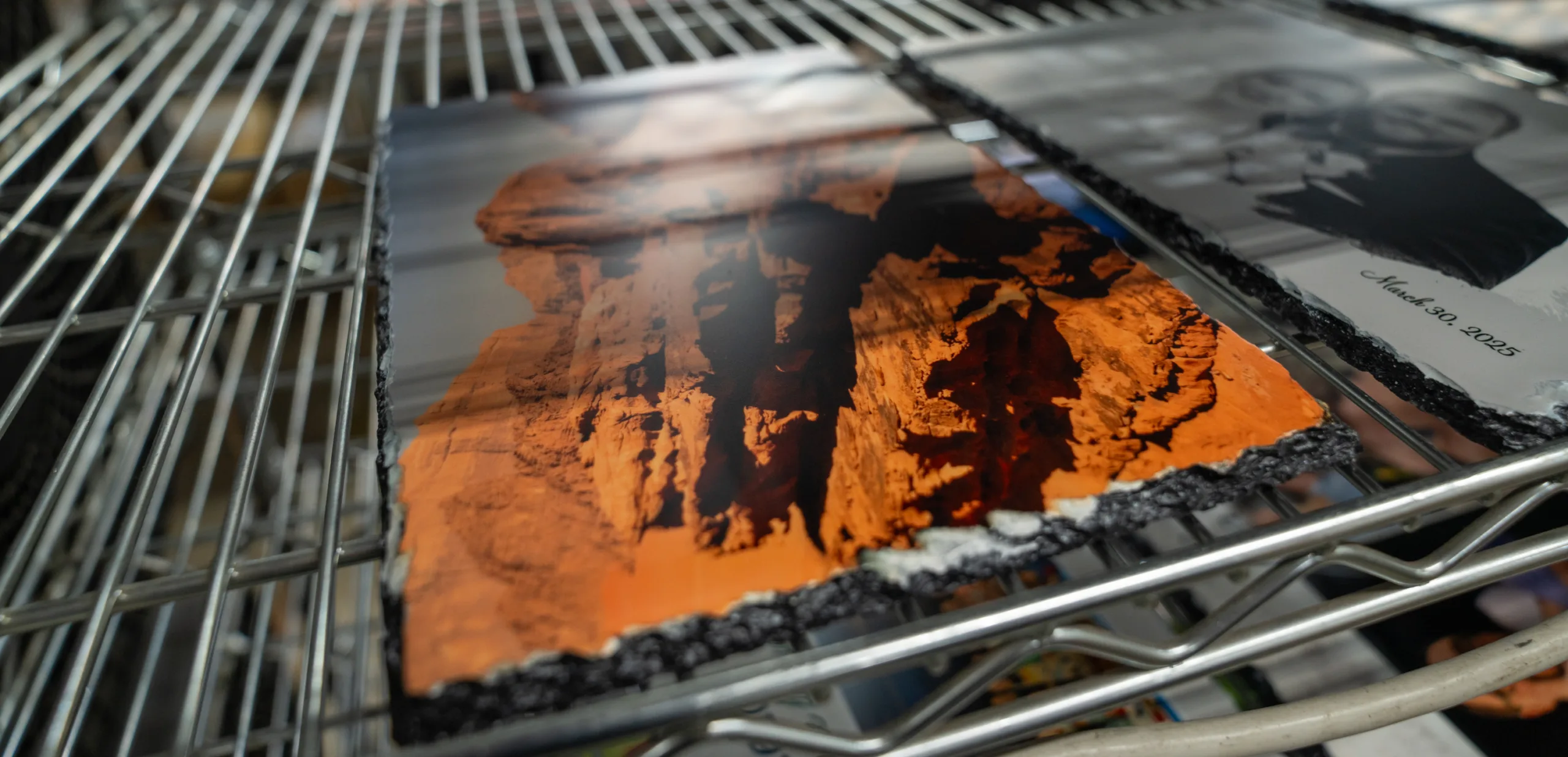
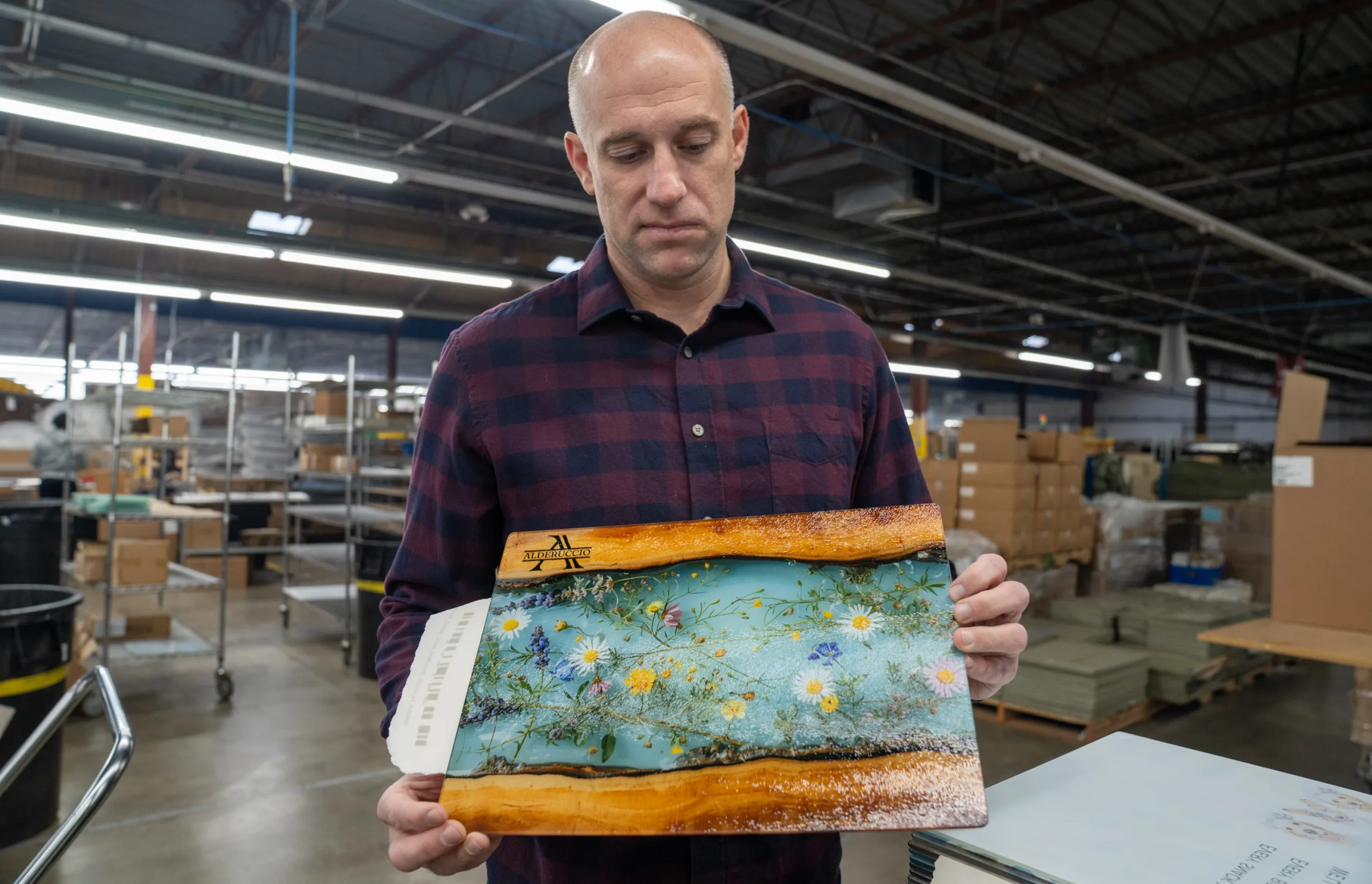
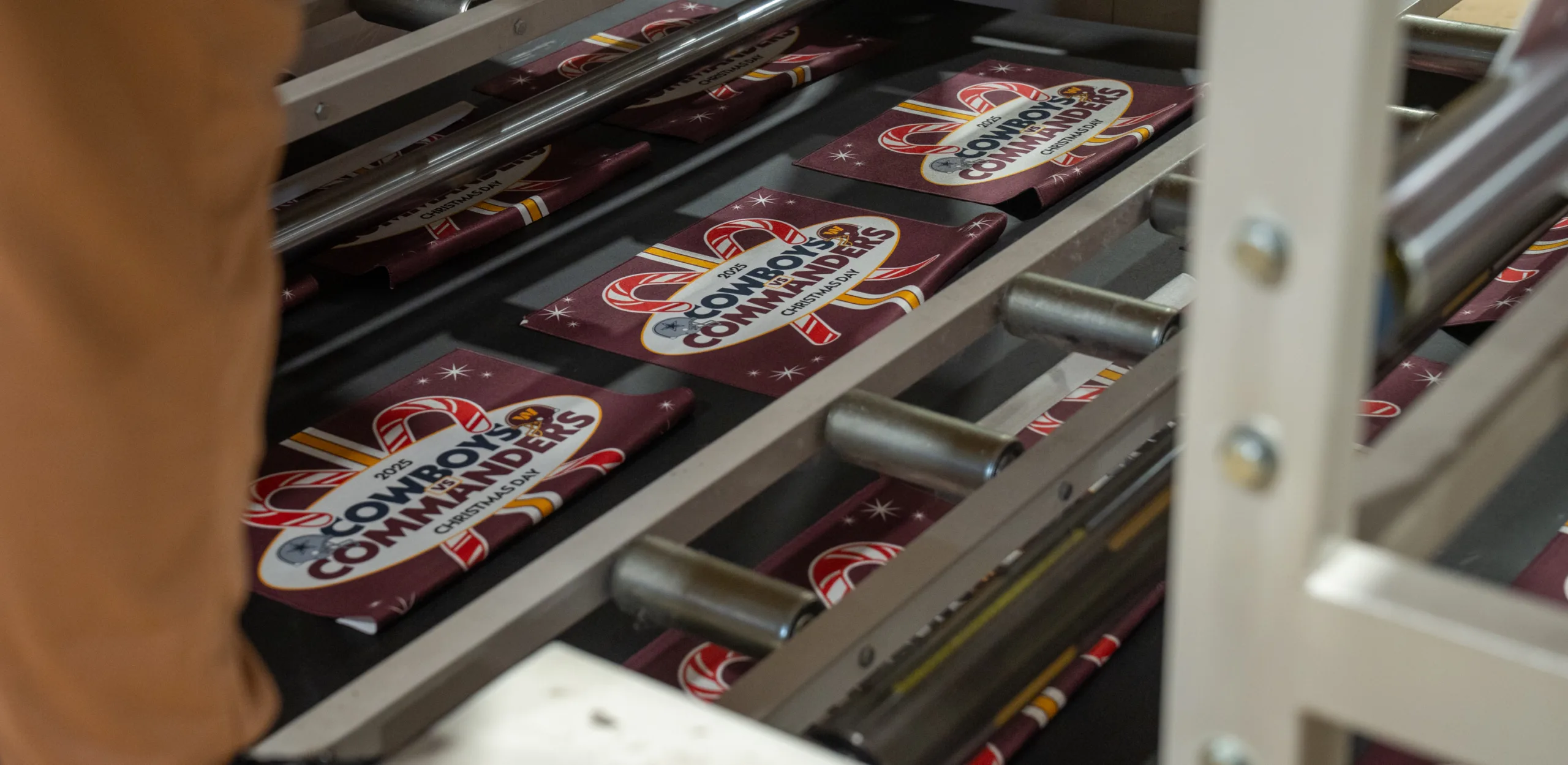
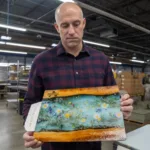
On a tour of Pic the Gift’s facility that occupies one portion of the former Wentzville mall, Pickering points out some of the 400 different products his company makes: glass cutting boards, personalized license plates, vacuum-sealed water bottles, photos printed on slate or metal, baby pajamas, custom puzzles, and many more items. The Creve Coeur facility churns out blankets and rally towels handed out at sporting events, including ones for the upcoming NFL matchup between the Dallas Cowboys and Washington Commanders on Christmas Day.
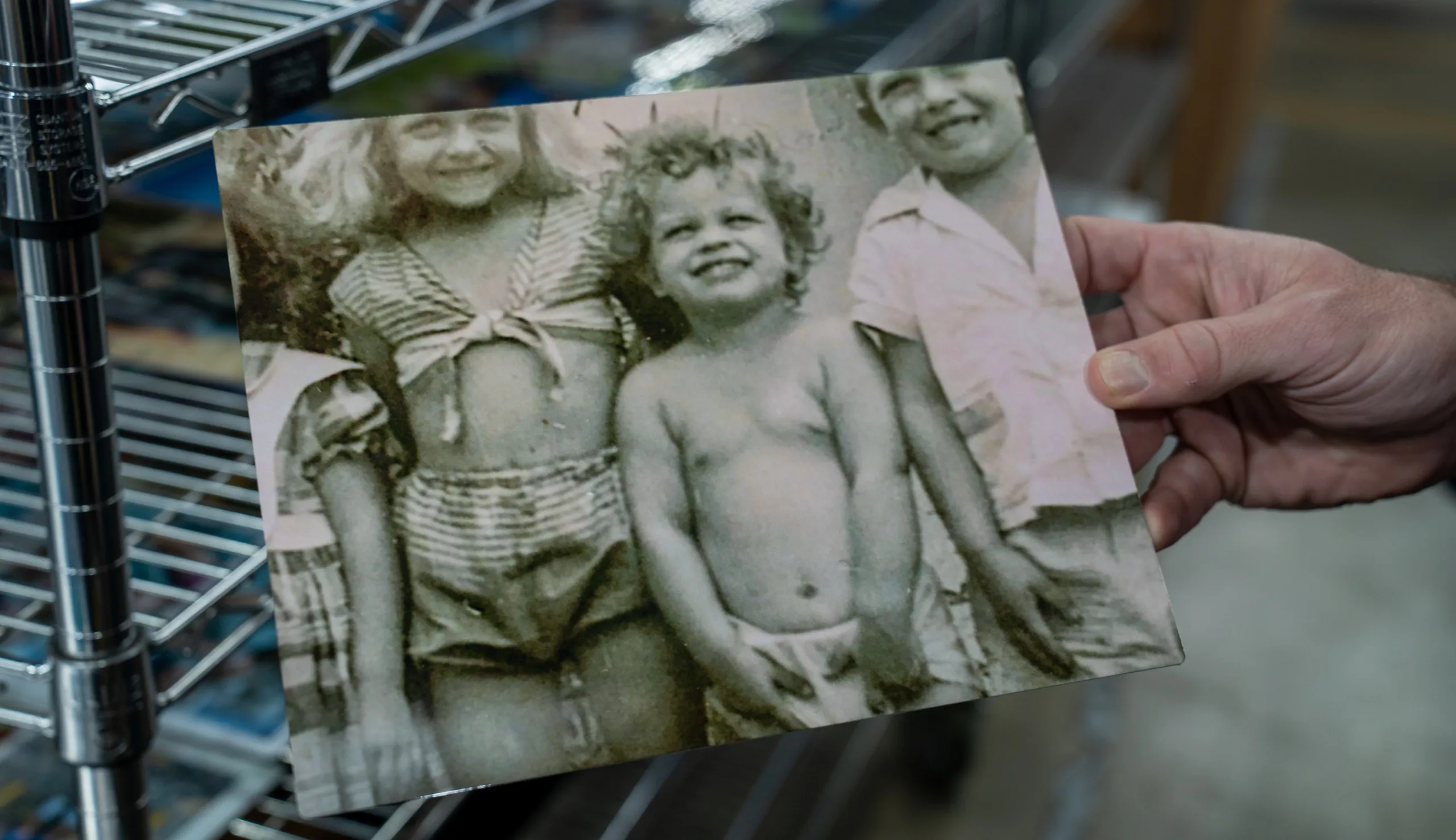
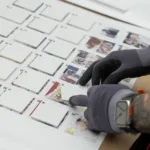
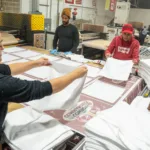
The company works on tight turnarounds, often completing and shipping an order just a couple of days after receiving the art for it, Pickering says. Pic the Gift also focuses on order quantities that are quite small, sometimes as little as one.
“Someone told me I couldn’t make money on small orders, and I was like, ‘That seems silly and short-sighted,’” he says. “If you set it up appropriately and charge the right amount, you can make money doing anything.”
And Pickering has built a robust business doing so. Pic the Gift employs roughly 100 people and typically produces between 5,000 to 7,000 individual product units a day. With the help of temporary workers, that output can grow to 20,000 during the holiday season, he adds.
Over the course of a year, Pic the Gift moves about 3 million units, and has eclipsed more than $10 million in annual revenue each of the past seven years.
Don’t be embarrassed if this is the first time you’re hearing of what Pic the Gift does; Pickering admits he’s kept the company’s profile low. He got into the business after working as a supplier of the equipment other companies needed for sublimation and thought it “looked like fun on the manufacturing side.”
“[I] started the business thinking more along the lines of direct-to-consumer, and then my introverted personality prevented that from going on, and I thought, I need a barrier between that,” he says. “Not long into [starting the company], I got a couple more commercial orders and found some people who wanted to wholesale the product. I was like, ‘Ooh, that sounds much better. I can only talk to you, and you go deal with all the front-end side.’”
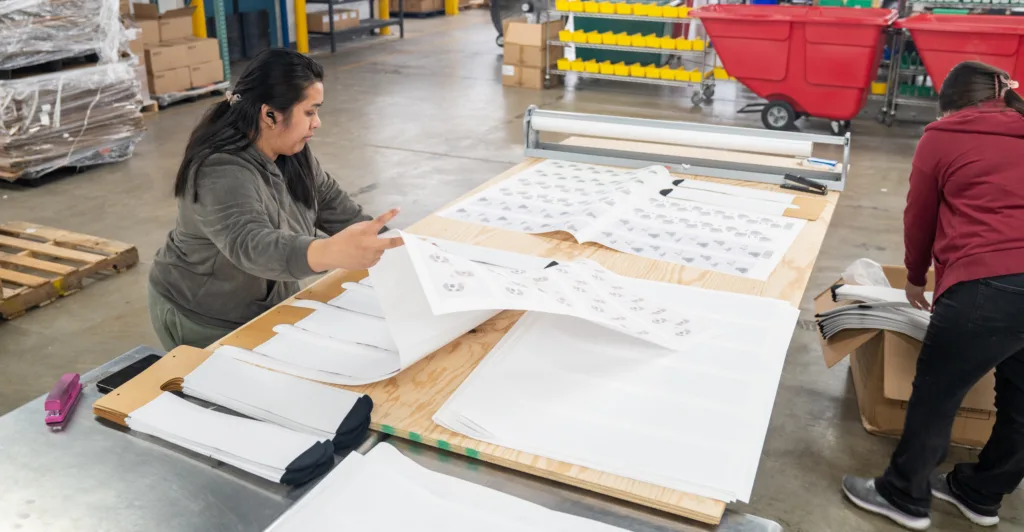
Today, Pic the Gift doesn’t take orders directly from consumers, but works with various e-commerce platforms where other companies facilitate the transactions. Pickering says the company works with nationally recognizable print-on-demand brands, but declined to specify whom because he’s not allowed to.
“Pic the Gift is a quiet operator, mostly because of my personality, but that’s not as necessary as respecting the customers,” he says. “Some of [them] give us our best referrals and a lot of people say [they] came from a referral. A lot of them also don’t want to tell who’s doing their work for them.”
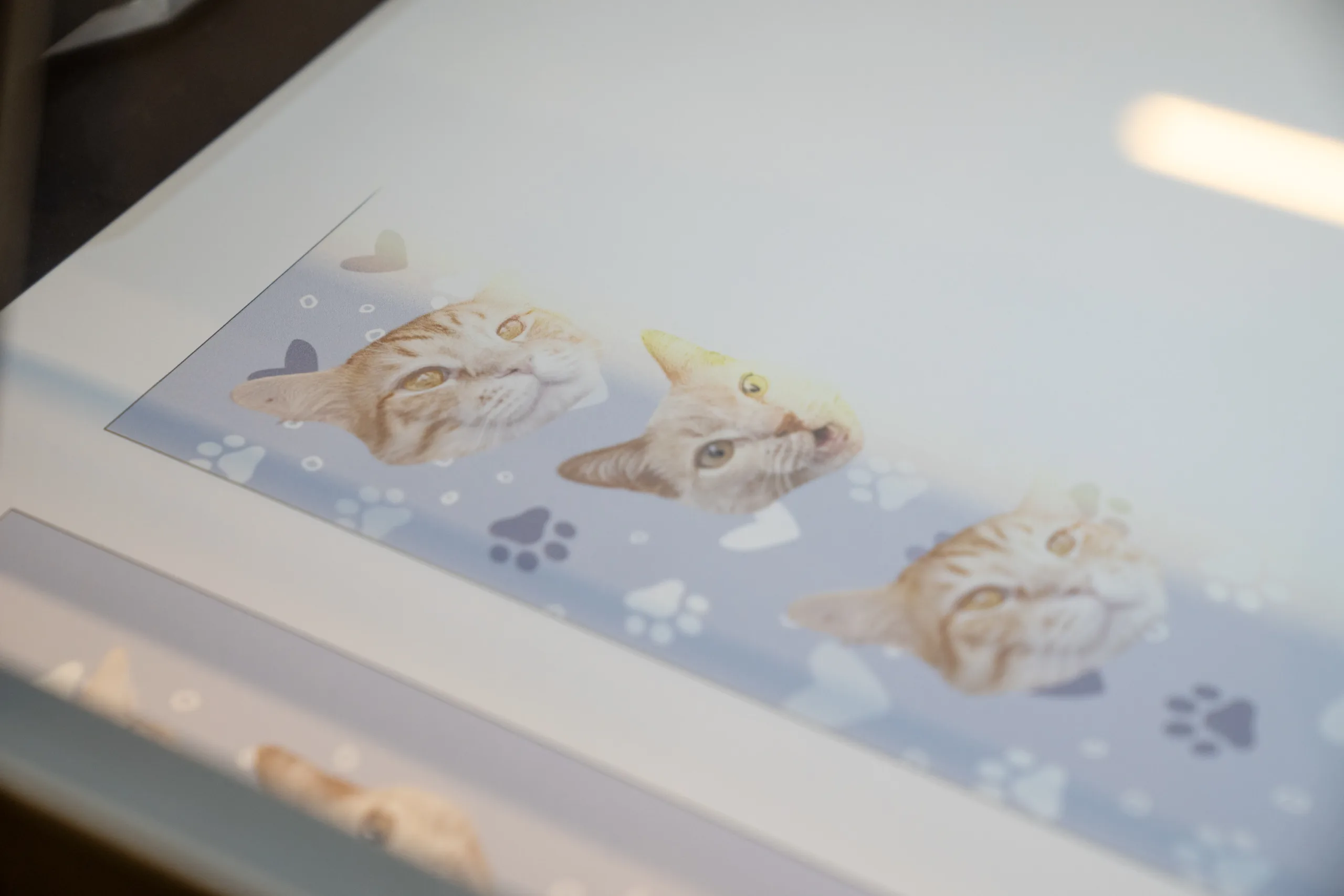
It’s impractical for some of the largest print-on-demand brands to handle all their photo products in-house because the demand at this time of year can jump 10 or 12 times, Pickering explains. Even demand for offerings from brands focused around babies or pets can quadruple during the holiday season.
“The reason there’s a purpose for people like us, even with the biggest of the biggest of the people who 100 percent want to vertically integrate, you can’t do it in a holiday business” he says. “You can’t prepare and scale for what comes through five weeks of business.”
Pickering says his favorite customers to work with are the small- to medium-sized businesses who’ve often been doing the printing themselves. It’s a scenario where growth can turn into a detriment, he explains, because a small business winds up spending more time printing their own products than designing them.
“Everybody likes to control their process. It’s my business. It’s my baby. I understand that as much as anybody,” he says. “A lot of times, they’ll start with a product they don’t make, and it’s like, ‘Ooh, this is going well.’ And then they’ll add something else, and they’ll add something else.”
The business offers a large growth opportunity, Pickering explains, because Pic the Gift can manage the backend manufacturing while the smaller businesses focus on developing front-end connections to customers. He boasts that the work his company does with larger clients has “made us tops in the industry” in terms of quality and timeliness.
Part of this is afforded by their positioning in St. Louis. “If we were stuck in a coast or a corner and we produced in two days, it doesn’t matter, it’s still gonna take a long time to deliver right to the other side of the country,” he says.
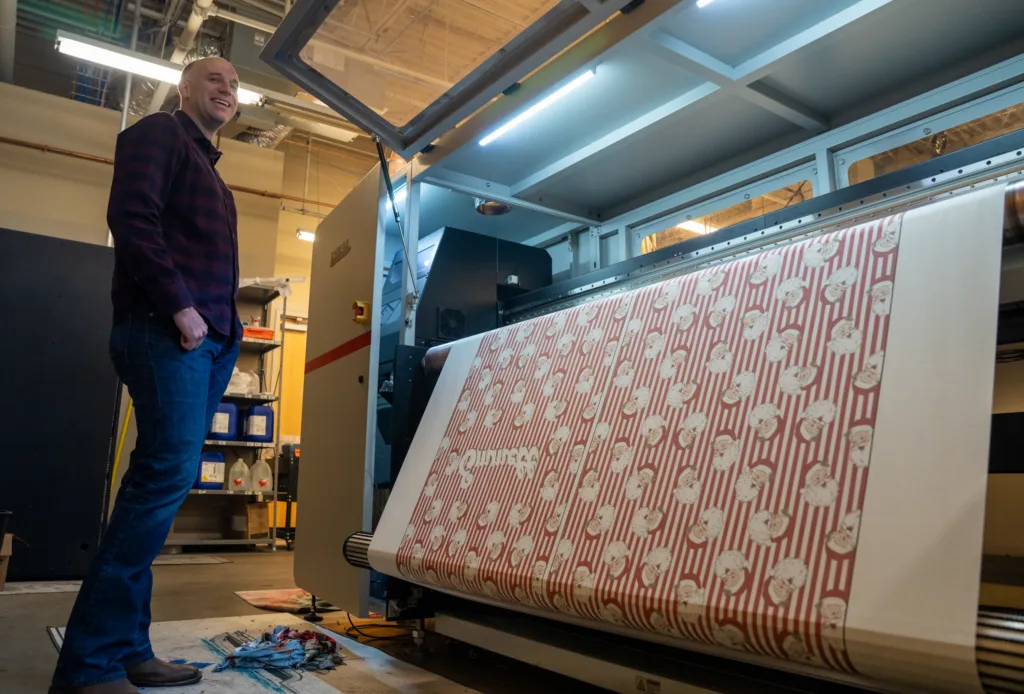
Another part is that Pic the Gift manages to avoid “not mines,” where an order gets shipped to the wrong address. In that metric, Pickering says his only two out of every 10,000 packages shipped by Pic the Gift go to the wrong recipient.
Pic the Gift is thinking hard about taking packaging to the next level as customers are driving a push towards personalization, says company COO Keith Abert.
“Un-boxing experiences is super important to brands; it seems to be a more often question that we get is: how is it packaged? What options do you have? Can we provide packaging for you?” he says. “They really want it to be like it’s coming from them.”
A “completely anonymous and generic” box “just doesn’t cut it any longer,” Abert explains. Pic the Gift is now experimenting with how to meet “the next level” of personalized packaging on demand. A promotional postcard inside the package is a first step, but he’s got more ideas up his sleeve.
“In a lot of cases this is being sent to a gift recipient,” he says. “So we’re planning on incorporating sort of an Amazon-esque bag type system, where we can put the products into a bag and then into outer packaging, but it still shows up with a gift note on it and a nice package.”