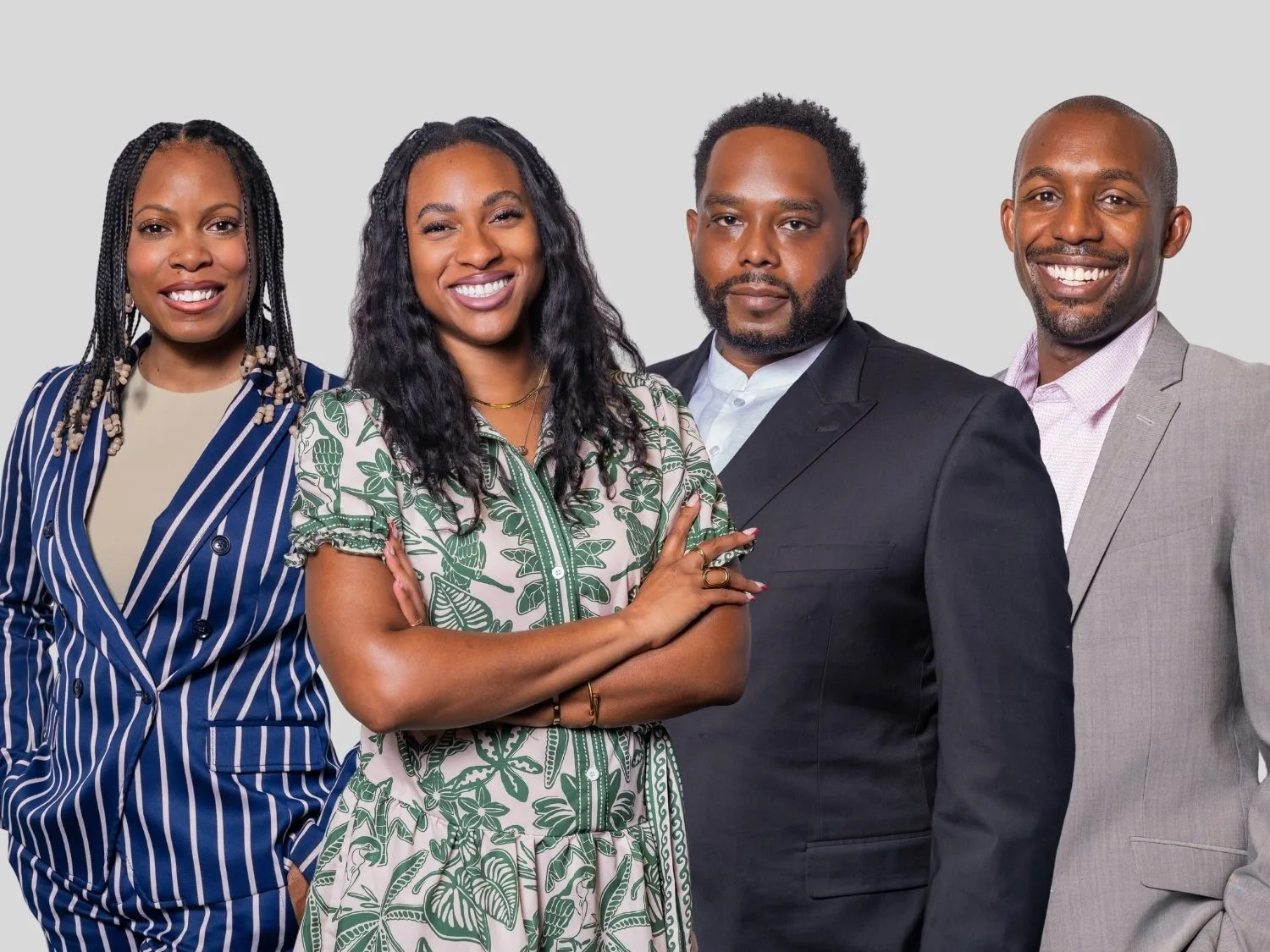
Four St. Louisans are among the six recipients of the Missouri Foundation for Health’s Spark Prize this year, an award the foundation launched last year to recognize and invest in locals leading innovative work to improve health and well being in the state.
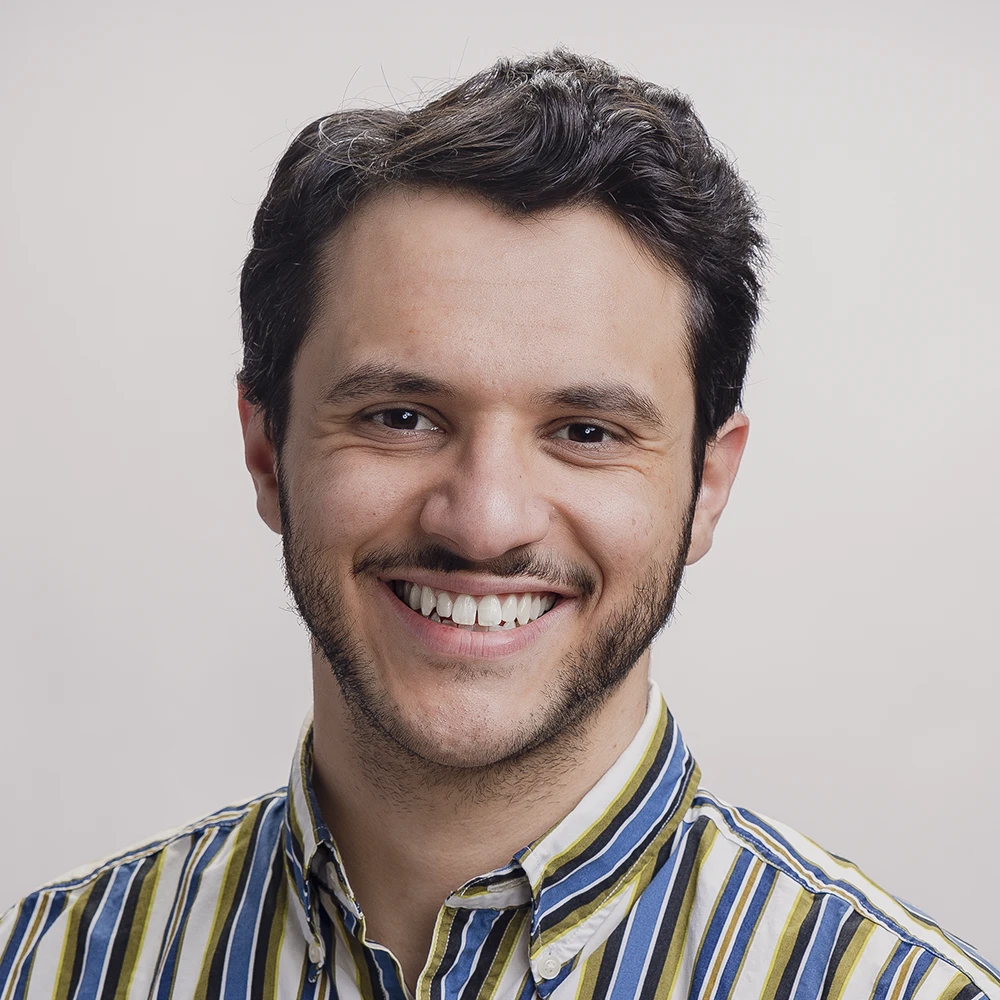
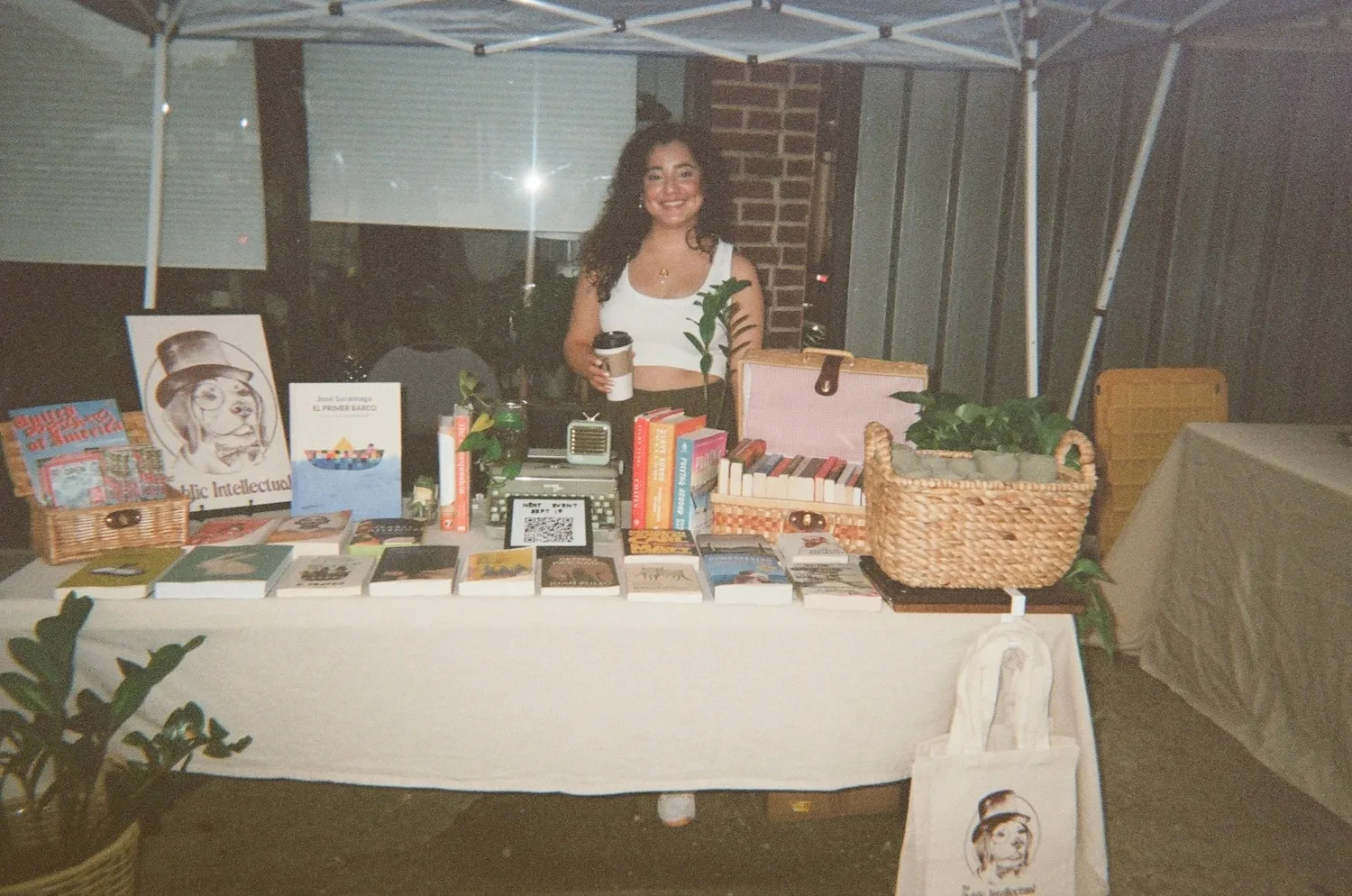
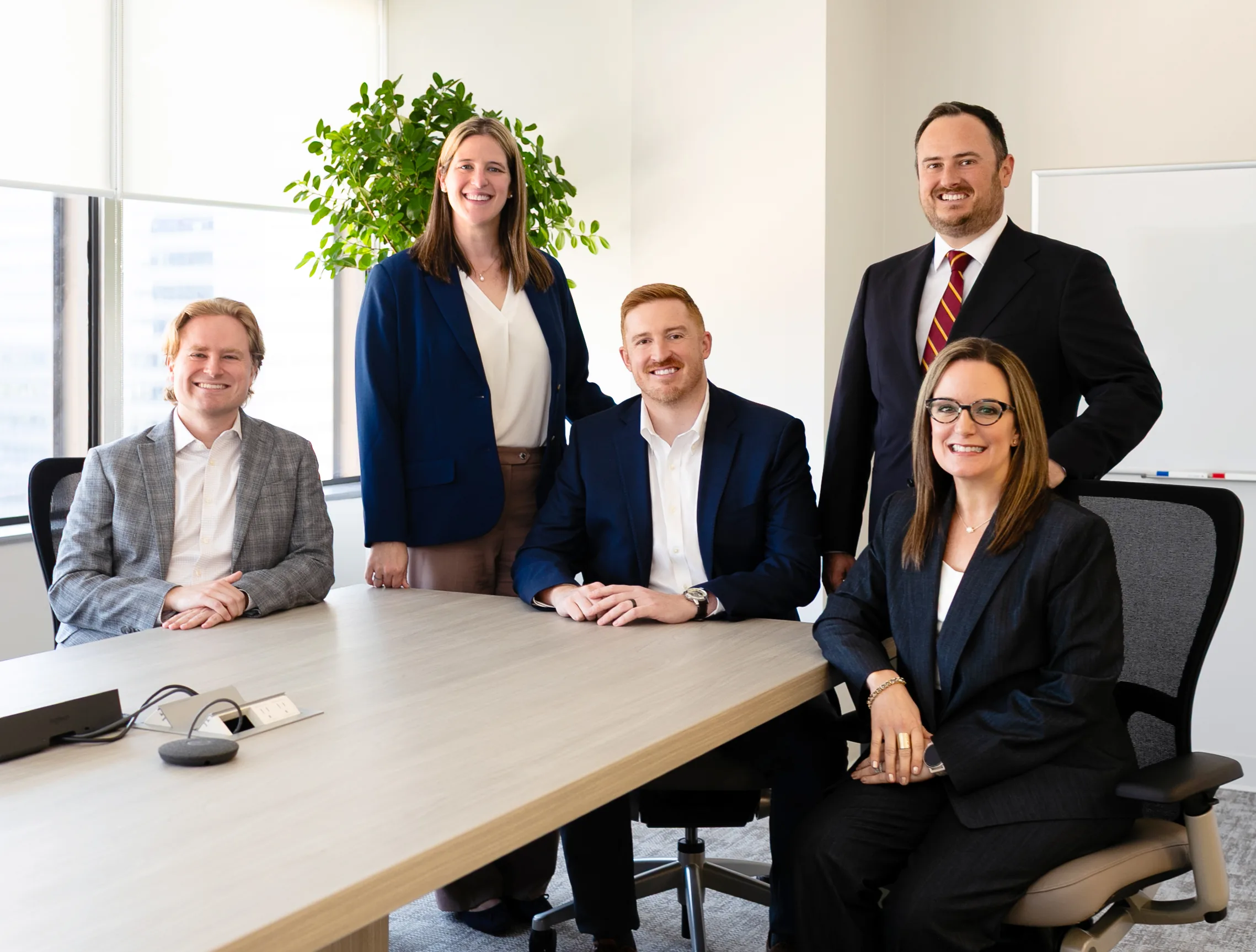
St. Louis recipients include Jessica Gaines, who founded Kendall Developments and is the chief construction officer of Dream Builders 4 Equity; Mike Milton, the founder and executive director of Freedom Community Center; Charli Cooksey, the founder and CEO of WEPOWER; and Blake Strode, ArchCity Defenders’ executive director. Rounding out the awardees are Heather Lyons-Burney and Maurice Theriot, who are based in Branson and Cape Girardeau, respectively.
Keep up with local business news and trends
Subscribe to the St. Louis Business newsletter to get the latest insights sent to your inbox every morning.
The prize comes with $200,000 in unrestricted funding for each individual awardee, designed to further the work they’re pursuing in their communities over the long term.
For Gaines, the recognition serves to validate the philosophy she holds about how a person’s home environment is closely tied to their health. Having a clean, aesthetically pleasing place to live, she says, is “important to the development of a human.” She adds, “In my mind, it makes perfect sense, but I wasn’t sure they would feel the same, and so I’m just really happy that they do.”
Milton feels similarly grateful that the award recognizes what he’s built with Freedom Community Center, which he founded in 2021 to help the survivors and perpetrators of serious crimes, such as murder, rape, or gun violence, and meaningfully address the harm they’ve experienced or caused through what he calls “transformative justice.”
“I do this work simply because I want survivors of violence to have more options than what they currently have,” he says. “I don’t do it for any accolades or to be seen or to be noticed, but it feels damn good to be seen and noticed.”
With this award, Milton hopes to capture the way Freedom Community Center helps both perpetrators and survivors of serious crimes feel safer and healthier. He says he’s inspired by how books like The New Jim Crow and Until We Reckon have reshaped narratives around criminal justice, and hopes to do the same.
“I want to be able to write and display the hard work that we’ve done over the last six years. That would mean for me really getting the skill of writing down so that I can communicate a really complicated message to the world,” he explains.
Milton wants to better explain to the broader public how his work helps survivors recover, even while holding accountable the people who harmed them.
“We’ve seen people who have done heinous things—literally have committed murder—make repairs with the families, and apologize to the families and repair that harm [in a way] designed by the survivors,” he says. “I cannot explain in a 15-minute conversation the mechanics of shame and emotions and anger and all of the and grief and how so many of us who do violence are often grieving because they lost one themselves or they’ve been harmed themselves. It’s definitely something that can be explained in long-form writing.”
Gaines is still formulating how to make the most of the unrestricted funding.
“There’s a responsibility there for me to think about how it should be dispersed either in my life or in the community. I haven’t really figured that out just yet, and I think I’ll lean on the help of my mentors and people who are much smarter than me to determine what the best thing to do is,” she says. “$200,000 is a lot of money, but it’s also not a lot of money at the same time, depending on how you use it. I just want to make sure that I’m doing the right thing and spending it in a way that can make the most impact right now.”
In addition to her work around housing and construction workforce development, Gaines has been heavily involved in the ongoing recovery efforts from last year’s tornado in North St. Louis. She says fostering collaboration between many of the organizations involved in those efforts is at the core of what she hopes to accomplish.
“There’s so many beautiful people with great minds and wonderful organizations. And so, instead of everyone kind of working in these silos, I think the better frame of thought is, how do we use our strengths to come together as a collective,” she says. “And really create this machine that can power through and get us back on track much much quicker than each of us taking these small bite sizes out of the bigger issue.”
That kind of collaboration is something that this award is good at facilitating, says Diego Abente, the president and CEO of Casa de Salud. Having been among last year’s recipients, Abente says the recognition opened doors to collaboration with the Integrated Health Network that otherwise would have been difficult to execute.
“This prize from the Missouri Foundation for Health has demonstrated that they, a very important large funder in the region, feel that Casa’s importance in the community is worth taking a look at, listening to, [and] collaborating with,” he says.
Months after being awarded the Spark Prize, Abente says his organization officially became a member of the Integrated Health Network. The award helped push both organizations to ensure they were set up to properly collaborate.
Abente adds it’s crucial the Spark Prize goes to individuals, not organizations, because it frees up recipients to be responsive to community needs, something not often true of funding for an organization.
“The award going to the leader allowed full creative license [to be] agile [and] nimble to what needs to happen next, and not lose the tree for the forest,” he says.
And it helps to highlight strong local leaders and retain their talents.
“People like me and many others that are in consideration and have been awarded this prize have relative privilege and could be elsewhere,” Abente says. “And so the Spark Prize, in a way, also says, ‘We want you here. We want you to continue to be a force for good in this region.’”