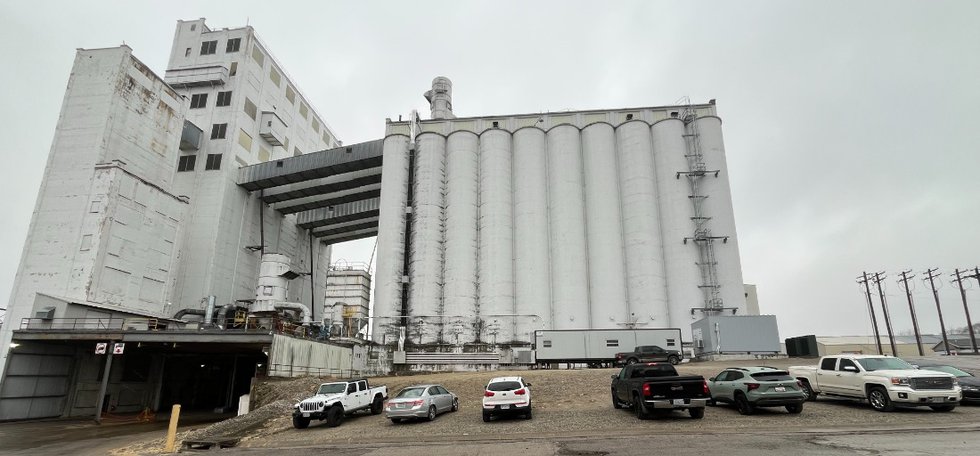
Back when it was built around 1930, the grain elevator that is now part of Italgrani USA on the banks of the Mississippi River was the tallest structure in the city. Back then, farmers who grew corn, sorghum, wheat, and other staples would drive their trucks to the elevator and offload their harvest to be cleaned, sorted, and stored. “You’d have trucks during harvest lined up out on South Broadway,” says James Meyer, president of Italgrani, which bought the elevator in 1980.
Today, Italgrani can’t boast the biggest building in St. Louis, but the company does play an incredibly important role in the global pasta business. The mill next to the grain elevator, constructed in 1987, is now responsible for milling around one-fifth of all of the semolina, the key ingredient in pasta, that comes out of North America. Rail cars bring in durum wheat from across the United States and Canada, which before being milled into semolina goes through the century-old grain elevator. (It’s seen $15 million of modernization in the last five years alone, Meyer says, adding that the building has “good bones.”)
Keep up with local business news and trends
Subscribe to the St. Louis Business newsletter to get the latest insights sent to your inbox every morning.
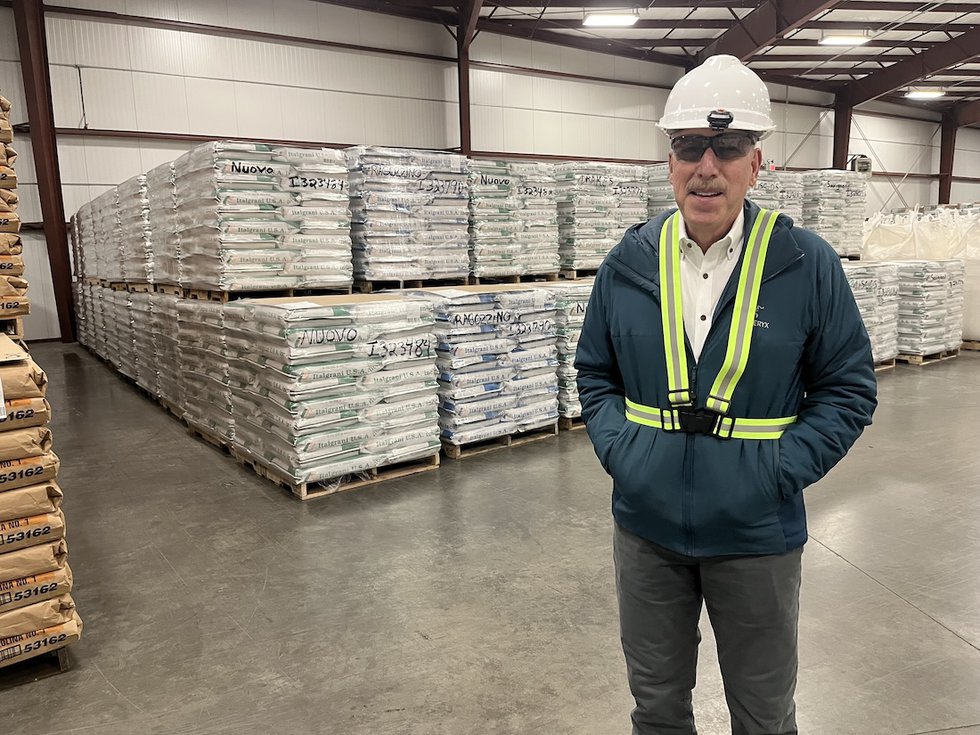
In 1992, Borden Foods, working with Italgrani, constructed a pasta plant just south of the mill; a pipeline connects the two facilities. “It takes us about an hour and fifteen minutes to blow 90,000 pounds of semolina across the pipeline,” says Meyer, a St. Louis native and University of Missouri–St. Louis grad who has been with Italgrani for 37 years. Most of the rest of the semolina is sent on rail cars to pasta makers across the U.S. and Canada.
The technology on site today in the city’s Patch neighborhood is far cry from when the grain elevator was built almost a century ago. When the mill is running, it processes 3.9 million pounds of grain every 24 hours, and each individual kernel is scanned by an optical sorter. Any kernel not up to standards is removed from the stream by a puff of air.
Why It Matters: Richardson International, which bought Italigrani in 2021, is Canada’s largest agricultural company. Italgrani employs about 85 people in St. Louis. The durum mill is the largest of its kind on the continent, and its semolina winds up in household pasta brands like Barilla, No Yolks, and Chef Boyardee.
What’s Next: Italgrani is looking to buy 12 acres to its south, a portion of which they intend to use to expand their railway infrastructure to increase shipping capacity. Meyer says it’s not unlike a booming business needing a bigger parking lot. “We’re actively thinking about what we can do with the rest of the acres if we close on the transaction,” he says.