Ever since powerful new gene editing tools burst into the mainstream over the past decade, the promise of these tools in the plant science world was evident.
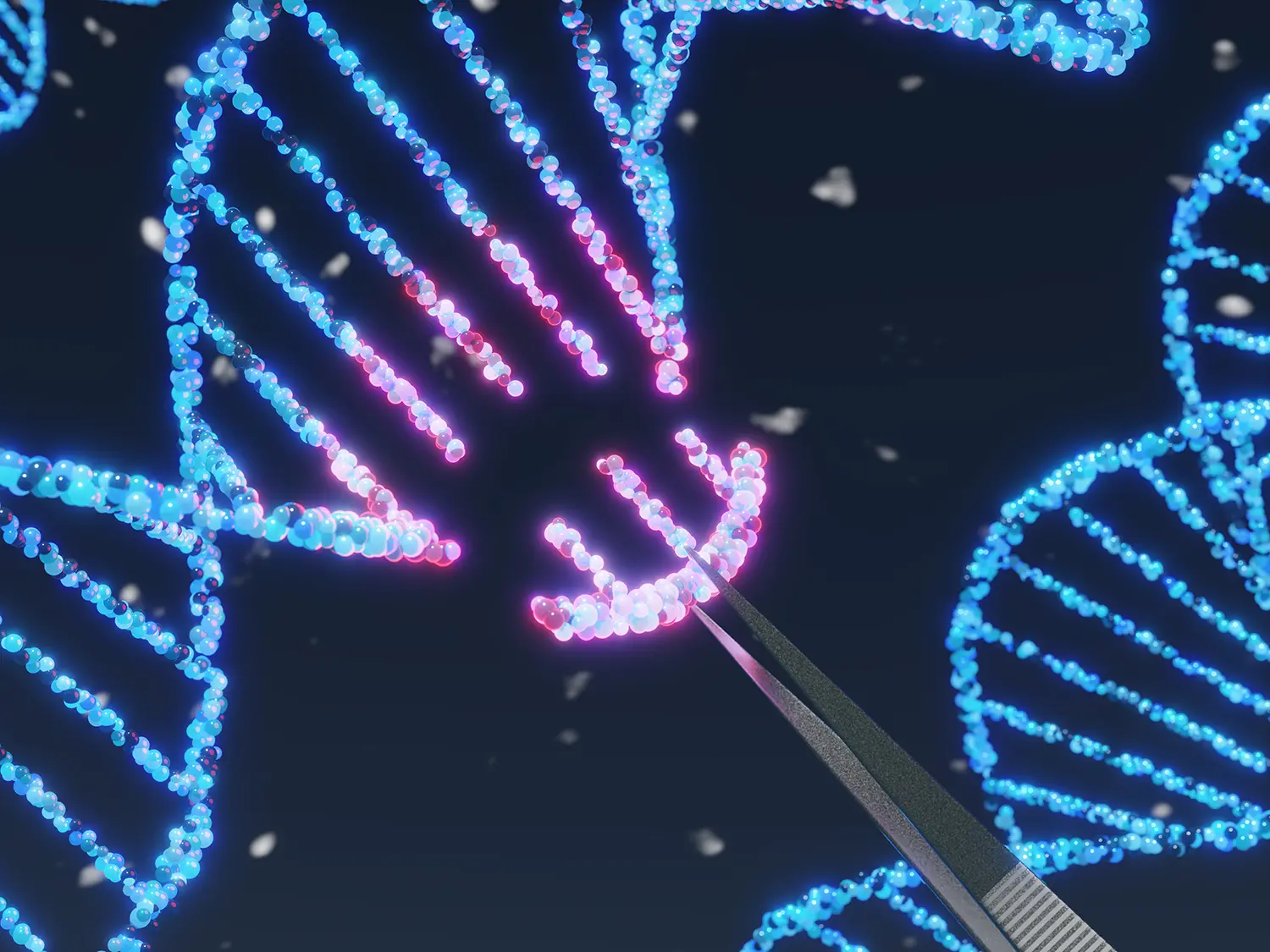
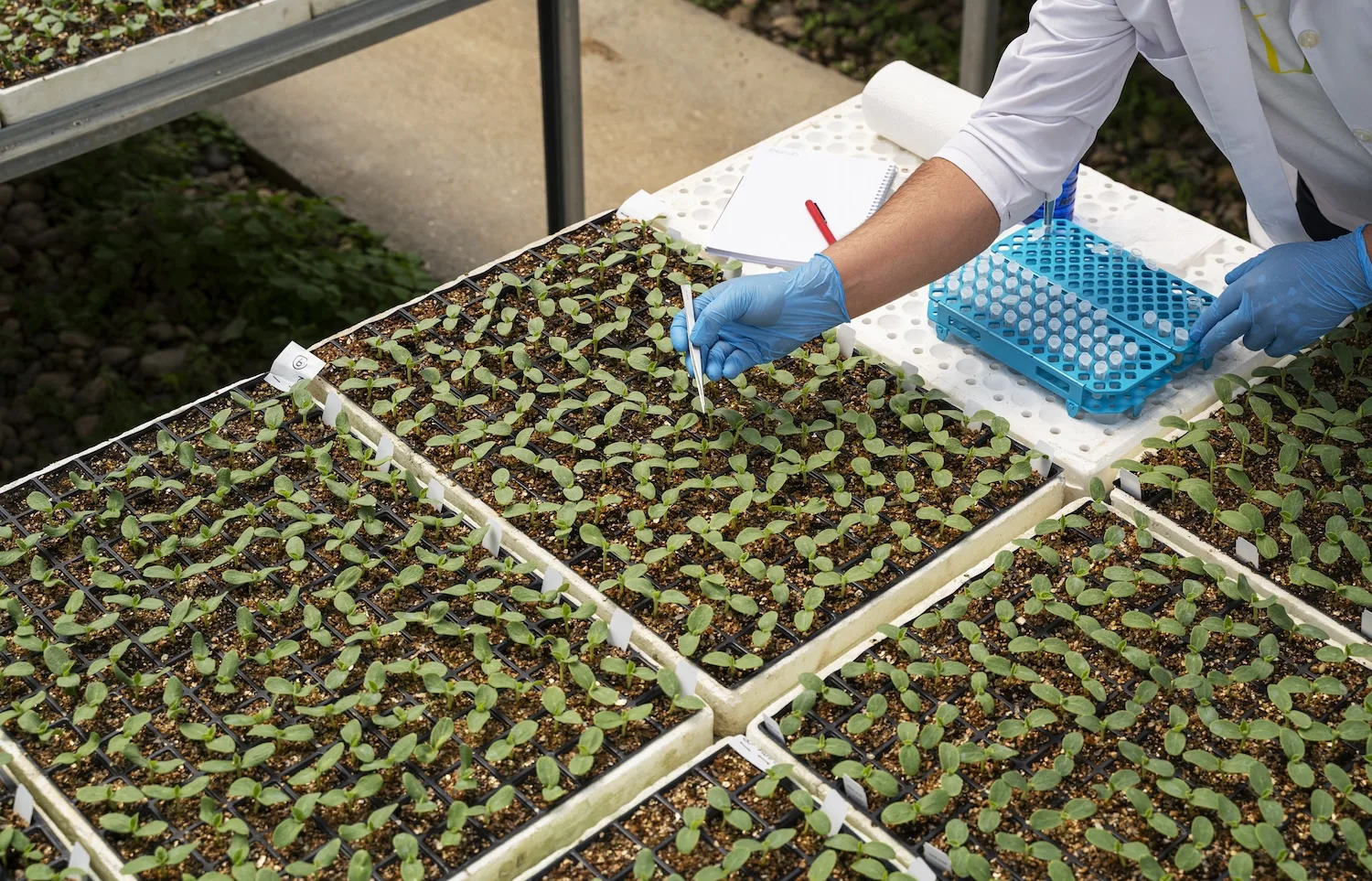
Applying something like CRISPR-Cas9, one of the more widely known gene editing technologies, could yield crops with genetics that are better suited to withstand modern agricultural challenges: plants that could produce more with fewer inputs, or ones that are more resilient to climate shocks like droughts or floods.
Keep up with local business news and trends
Subscribe to the St. Louis Business newsletter to get the latest insights sent to your inbox every morning.
That world is no longer theoretical, says Meghan Poon, a partner at the San Francisco-based multinational law firm Morrison and Foerster. She primarily focuses on patent protection and navigating intellectual property risk in agriculture, particularly as it pertains to gene edited plants, plant breeding methods and plant biotechnology.
Poon was in St. Louis recently, along with a few colleagues, to present at the Danforth Plant Science Center on what researchers and new companies should be considering as they pursue new technological breakthroughs.
“Gene editing has really come to fruition,” she says. “And that’s allowing new IP opportunities as well as new IP risk. There are a whole host of gene editing tools that have been developed, all of which are subject to patents and IP.”
Indeed, both St. Louis researchers and startups around the world are pioneering and utilizing new gene editing tools, as evidenced by the pitches during BioSTL’s Global AgriFood Innovation Summit last month. The Gateway Region is home to companies spanning startups to multinational behemoths engaged more broadly with plant genetics, and is attracting more entities working in that space as well.
“People are really expending a lot of energy innovating on making editing faster, more efficient, you know, potentially avoiding other people’s IP, using new editing systems,” Poon says. “New stuff is coming out on almost a daily basis there.”
In the realm of gene edited plants, Poon explains there are two key areas to consider when thinking about intellectual property: the gene editing systems that people can use to modify plants and the gene edited plants themselves that are being brought to market.
“The IP-related risk is really the risk of using somebody else’s technology that they may have a patent on, and potentially them coming after you for patent infringement,” she says. “Because it’s such a rapidly developing technology and there’s so much complexity to it, the landscape is very complicated, which causes an increased risk level.”
Poon points to the ongoing dispute between the Broad Institute and the University of California over which entity has claim to the foundational CRISPR-Cas9 patents, and by extension, which organization gets the right to charge license fees to use the technology. It’s a distinction that’s vital for any companies looking to innovate based on the technology, says Mike Ward, also a partner at Morrison and Foerster who leads the law firm’s global ag and food practice.
“For startup companies that are young and early in this space, it’s very important that they’re able to develop a product that they can commercialize,” he says. “If there are patents that are out there that are blocking what they’re doing, that can take away their freedom to operate, they’re unable to sell their products, so investors won’t put money into the company, and they can’t develop and move things forward.”
Ward adds researchers and startups shouldn’t let anxieties stop them from pursuing new ideas. It becomes much more important to confront IP issues when a company is ready to realize growth from an innovation.
What’s important early on is protecting the claim a researcher or company has to a novel technology or crop, Ward argues. Poon agrees that researchers and young companies should consider IP protection as soon as they sense they might be onto a breakthrough.
“Not necessarily in the sense of you need to rush to file a patent application,” she says. “But we see time and time again, early stage companies and inventors make IP-related mistakes that you really can’t recover from.”
That can be publishing a scientific paper, writing an abstract, or presenting findings on a poster or website before making a patent claim, Poon explains.
“Lately, we’re seeing YouTube videos where people are explaining a technology,” she says. “All of those things are what we call prior art. And if you do them before you file your patent application, that jeopardizes the validity of your patent.”
One risk is that another researcher or company sees that information and files a patent claim themselves, says Ward. “We are in a first-to-file world,” he says, adding it’s important when filing a patent application to describe the breakthrough with varying scopes for the best shot at maintaining the claim if another entity challenges it.
Regulatory considerations
Along with intellectual property considerations are ones about the regulatory landscape. Genetically modified plants have historically faced intense scrutiny to ensure they don’t have adverse effects on human health and the environment, says Bill Tarantino, a partner at Morrison and Foerster who leads the firm’s environmental practice. He adds this scrutiny is “the way it should be” for “transgenic” plants.
“You’re taking a gene from one organism and putting it into another organism, so basically transplanting a gene,” Tarantino says. “Those are still very highly regulated because [the plants] are producing a gene that doesn’t and couldn’t really occur naturally.”
Plants altered through gene editing tend to be changed in less drastic ways, akin to humans tipping the scales toward more desirable genes that could happen through natural mutations and evolutions, he says.
“You’re using the kind of stuff that’s already there, but just really doing these precise surgical edits and not changing the kind of heart of the genome,” Tarantino says. “That’s less regulated because the plants that it creates are very similar to the plants that came out of the ground in the first place. There are not big differences, just genes getting turned on and off.”
At least, that’s the case in the U.S., he adds. European regulators have taken a much dimmer view on gene editing, Tarantino explains, classifying it the same as a genetic modification where genes from a foreign species are introduced.
It’s created an environment that’s “disproportionately disadvantageous to the innovation in this particular industry” in Europe, he says. That, however, could be changing with a regulation set to be released this year and going into effect in 2028 that will recognize a distinction between gene edited plants and more traditional genetic modification, Tarantino adds.
With any such emerging technology, it will take time to determine the long-term implications, he says. Even so, Tarantino, who says he naturally looks for the worst case scenario as a lawyer, hasn’t seen anything yet suggesting gene edited plants are something to worry about.
“I think the premise that it’s very similar to conventional breeding is sound, and that’s a good thing,” Tarantino says. “It’s an exciting time for innovation in this industry. Gene editing technology can help reduce the use of pesticides, make drought resistant plants, help fight climate change. It can be a way to use technology to face a serious societal problem.”
And, he adds, the U.S. has strong regulatory bodies that balance the protection of health and the environment with intellectual property and safety.