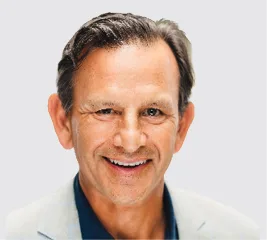
Zimmerman and his organization enjoyed a busy—and successful—2025, marked by a return to the NHL playoffs, a well-received brand makeover, and a standout hosting of the NCAA Frozen Four Division I championship. The event brought thousands of college hockey fans to St. Louis and generated a $20.5 million economic impact. That includes approximately $600,000 in combined sales tax revenue for the city and state. Zimmerman calls the tournament “one of the best executed Frozen Fours in history.”
Keep up with local business news and trends
Subscribe to the St. Louis Business newsletter to get the latest insights sent to your inbox every morning.
2026 QUESTIONNAIRE
PROFESSIONAL ACCOMPLISHMENTS & OPPORTUNITIES
What has been your/your company’s most significant success over the past 12 months? The way our team came together at the end of the year, post 4 Nations Face-Off, and grew to reignite excitement in this city around the game and the Blues with three of the most exciting home playoff games that I’ve seen in 11 years. Participating in the Winter Classic, giving our fans the opportunity to take over Wrigley Field, celebrating our on-the-ice success, and so many other things that go into that. Outside of our Blues business, bringing the NCAA Frozen Four back to St. Louis and just seeing the Sports Commission and many of our other partners throughout the city come together to help us create what I think was one of the best executed Frozen Fours in history. It certainly was in the feedback we’ve received and the economic impact of more than $20 million to the region; all of those things tie back to the work we did when we reimagined the Enterprise Center.
What has you most excited about the future of your company or industry? I think hockey in our community and throughout the NHL has never been stronger. The energy, exposure, talents that are coming into the game makes what is the fastest sport on Earth more and more exciting each year.
What advice would you give to the next generation of St. Louis entrepreneurs or leaders? Just embrace the power of optimism and believing. Any business, any community has challenges, but as leaders, we really have the opportunity to embrace change. We have so many awesome assets to work with, a committed, giving community of leaders to follow, and a belief that we can make tomorrow better for the next generation.
MENTORS & PEERS
What is a key strength of the St. Louis metro area business environment? Our region just had one of the most devastating natural disasters in its history, with the May 16 tornado. The way that both government and private enterprise have come together, a lot of it through the Regional Business Council but also the Urban League, the United Way, and the St. Louis Food Bank really showed broad and deep participation in creating solutions very quickly. We as a region have lots of work to do still, but the the strength of response at one of our region’s most critical stages and demand for support for people throughout our city, particularly through North City, has been inspiring.
What is one thing you would change about the St. Louis metro area business environment? We need to continue to have the conversation of broader participation and collaboration between city and not just St. Louis County but the Metro East and St. Charles County. There are pockets of strength and energy throughout our region. We need to recognize the ongoing importance of downtown and the City of St Louis around creating long-term success for the entire region.
Who is the most interesting under-the-radar/emerging business leader in St. Louis? I think Karen Branding, who’s leading the Regional Business Council, deserves more credit for what she’s accomplished taking over for Kathy Osborn. I think Karen’s leadership and her rolling up her sleeves and diving into this role, into the ways that entity can lead, has really been exceptional. I’d also absolutely call out Brad Dean, who’s joined us to take over Explore St Louis. He comes to St. Louis with fantastic credentials and an enthusiasm for embracing critical needs and how we come together to make St Louis the most attractive destination it can be.
What’s a local organization, nonprofit, or initiative that more people should know about—and why? Well, certainly the Urban League for all they do, but Lasse Sorensen’s Food is Love has an amazing partnership with Soulcial Kitchen, led by retired Air Force General John Michel. They’re basically teaching people how to run food trucks and have been providing meals in North City through their Currency of Caring Dignified Dining Program.
BACKGROUND
What educational degrees do you hold, and where were they earned? Bachelor of Arts, Economics and Mass Communications at University of Vermont, MBA at Babson College
What was your first job, and what did you learn from it? My first job was house painting, which I did for a number of years in high school and college. From that, I learned patience and the need for attention to detail.
HOBBIES & INTERESTS
What’s your hobby/passion? Getting the chance to be so deeply engaged in the world of sport and being able to combine my passion for competing playing with my profession.