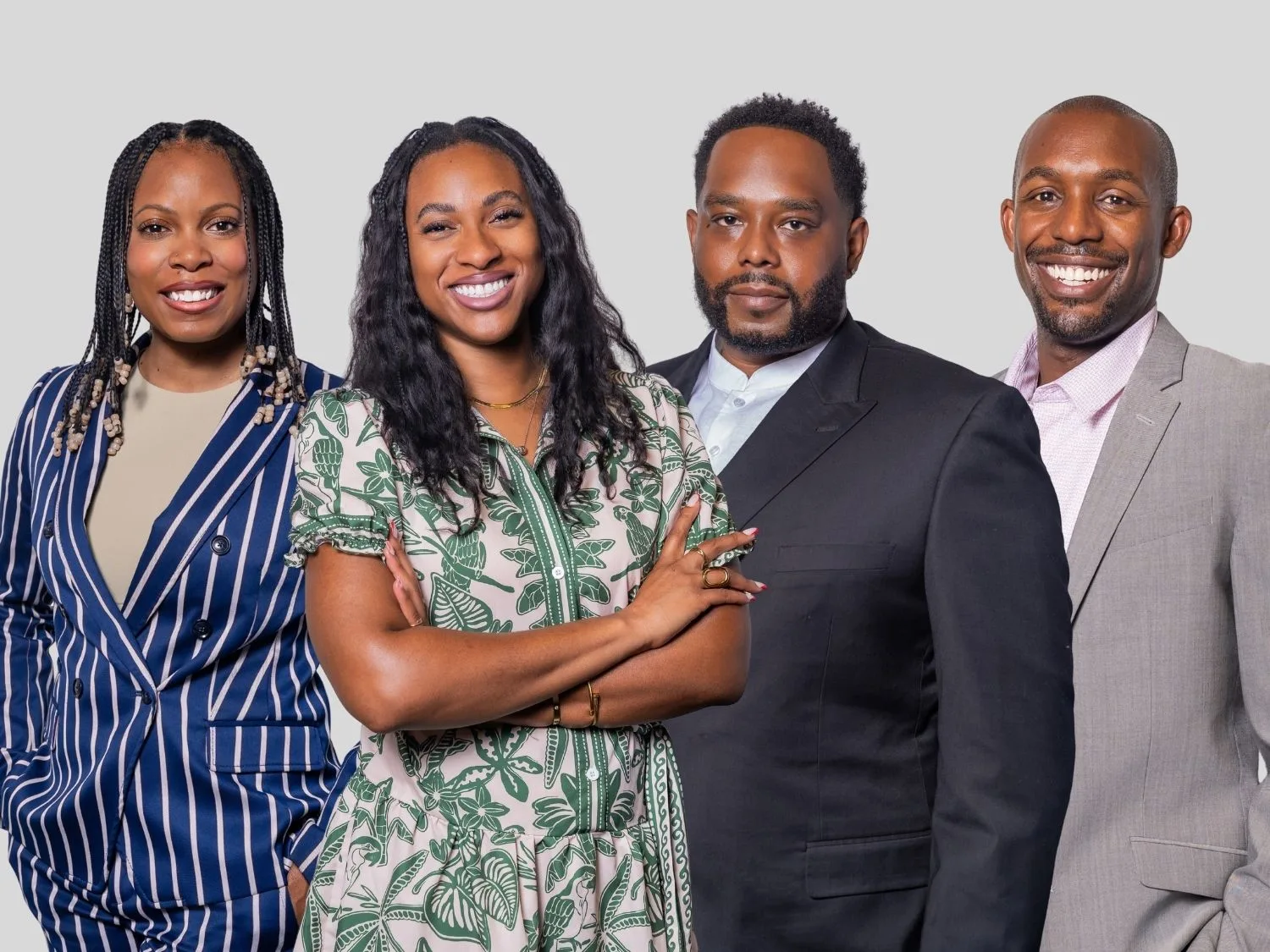
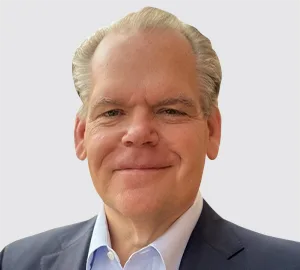
Eckelkamp is leading one of Missouri’s oldest community banks into a new chapter. In the past year, Bank of Washington opened its first branch outside Franklin County, establishing a permanent foothold in Clayton after decades of serving the broader metro area. Though the institution traces its roots to 1877, Eckelkamp sees modern banking as anything but static. “As customer and market needs evolve, embracing innovation and staying ahead to deliver the right solutions makes the job very dynamic,” he says. A Washington native, he’s also deeply committed to public service, serving as deputy chief of that city’s allvolunteer fire department.
Keep up with local business news and trends
Subscribe to the St. Louis Business newsletter to get the latest insights sent to your inbox every morning.
2026 QUESTIONNAIRE
PROFESSIONAL ACCOMPLISHMENTS & OPPORTUNITIES
What has been your/your company’s most significant success over the past 12 months? Opening our first branch outside of Franklin County in Clayton. Although we have long had a presence in the market, the Clayton branch on Forsyth is our first branch in St. Louis County.
What has you most excited about the future of your company or industry? Although the Bank of Washington has been around since 1877, we are just getting started. Banking is not a static boring industry anymore. As customer and market needs evolve, embracing innovation and staying ahead to deliver the right solutions makes the job very dynamic.
If you could change one thing about your industry, what would it be and why? An understanding by the regulators that Wall Street is not Main Street. What we do as a community bank is worlds away from what happens in the money centers. Community banks are focused on local needs, long-term local relationships, and personalized service.
What’s the toughest business challenge you’ve had to overcome? Navigating through the early 2010s following the housing collapse. I always tell people to watch The Big Short to understand what happened. As a community bank, we had to deal with the regulations that came about because of what happened on Wall Street.
What’s a risk you took in business that didn’t pan out—but taught you something valuable? I’ve played around in local radio over the years, going back to my time as a DJ at Notre Dame. It hasn’t been the greatest investment, but for the most part, I have enjoyed the challenge it presents and the service it provides.
What advice would you give to the next generation of St. Louis entrepreneurs or leaders? Be bold. We need to think outside the box in a lot of ways.
MENTORS & PEERS
What is a key strength of the St. Louis metro area business environment? We have a lot of untapped “resources” in this region. A lot of people and money sitting on the sidelines, and in my opinion a lot of pent-up demand. We are still a top 25 metro market. We have taken some pretty good steps shots in recent years, but there is no question that we have long-term potential given our central location.
What is one thing you would change about the St. Louis metro area business environment? We need to be more positive in our thinking, and we all need to get serious about solving the big issues at hand.
Who in your company (or industry) deserves more recognition for their impact? Our front-line staff. They are the first point of contact for the vast majority of our customers.
What’s a local organization, nonprofit, or initiative that more people should know about—and why? I am an Eagle Scout and essentially a lifelong Scouter, currently proud to serve as Chairman of the Board for the Greater St. Louis Area Council. There isn’t a day that goes by that I don’t think about the principles of the Scout Law: Trustworthy, Loyal, Helpful, Friendly, Courteous, Kind, Obedient, Cheerful, Thrifty, Brave, Clean and Reverent.
BACKGROUND
Where were you born? The process started at St. Francis Hospital in Washington, Missouri, and finished at St. Mary’s in Clayton!
What educational degrees do you hold, and where were they earned? I have a BBA in Finance from the University of Notre Dame, a JD from the University of Notre Dame Law School and an LLM in Taxation from the University of Miami (FL) School of Law.
What was your first job, and what did you learn from it? I sold fireworks for my father in front of the Diamonds Restaurant in Gray Summit. I learned how to talk to customers from all walks of life.
HOBBIES & INTERESTS
What’s your hobby/passion? At this point in my life, it is definitely reading, but I spend a good deal of free time on Fire Department matters (see below!). My passion however is my family. My wife and I had four children in 37 months, and we are a pretty tightknit group.
What is one book you think everyone should read (or podcast everyone should listen to) and why? I read a lot, but I don’t have one book I recommend, although I do recommend a lot of books to people once I get to know them better.
What do you do when you’re feeling stuck or uninspired? I love windshield time. I always use navigation in the car, but many times I take the alternate routes just to see what’s happening out there. I know my home community of Washington like the back of my hand, but now that we are open in Clayton, I make it a point to seek out new sights. It reminds me of how much potential there is in our community.
What would people be surprised to learn about you (fun fact)? I am the deputy chief of the Washington Fire Department. We are 100 percent volunteer, and I’ve been serving continuously since 1992. Seventy-five firefighters, six stations, and about 800 runs a year. My stress relief. I get to do something completely different when the tones drop.